
Set (Training)
In training, a set is a group of consecutive repetitions of an exercise performed before resting.
Definition
In resistance and conditioning training, a set is a group of repetitions of an exercise completed in sequence before a rest period. A programme is commonly written as sets multiplied by repetitions, for example 3 sets of 10, which together define much of the session's volume. Rest between sets is chosen to match the goal, with longer rests supporting heavy strength work and shorter rests raising metabolic demand.
Adjusting the number of sets is one lever for applying progressive overload, alongside load and repetitions. Advanced structures such as supersets and drop sets modify how sets are performed. This training sense of 'set' is unrelated to the scoring sense in racket and net sports, where a set is a unit of a match.
Meaning by sport
This term is used differently across sports:
- Fitness
- A group of consecutive repetitions of an exercise performed before resting, e.g. 3 sets of 10.
- Tennis
- A scoring unit made up of games; a match is decided over a defined number of sets.
- Volleyball
- Also the overhead pass (delivered by the setter) that places the ball for an attacker to hit.
Where you’ll hear “set (training)”
Sports that use this term:
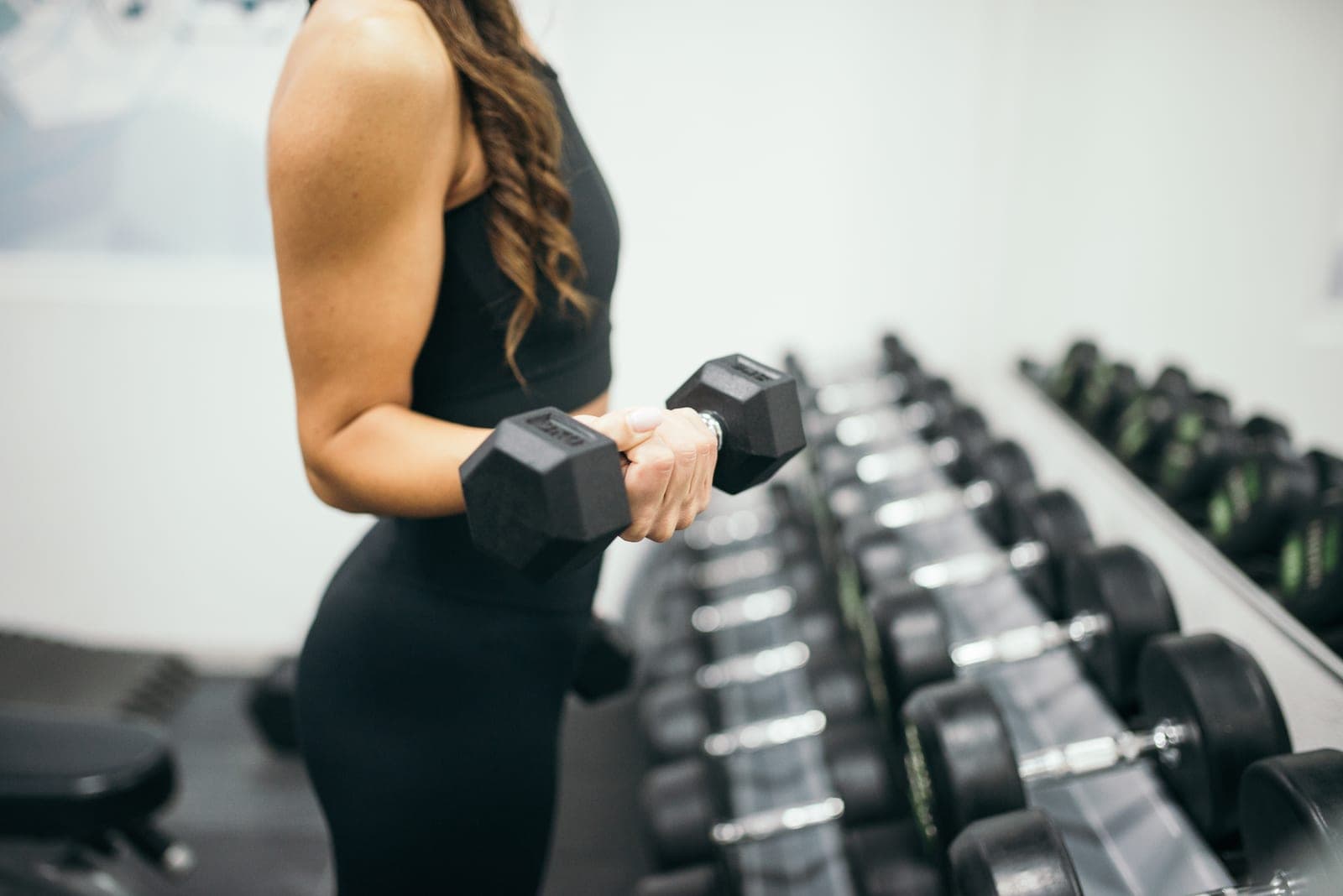
Fitness
Strength and general fitness training — the foundation that supports every other sport.
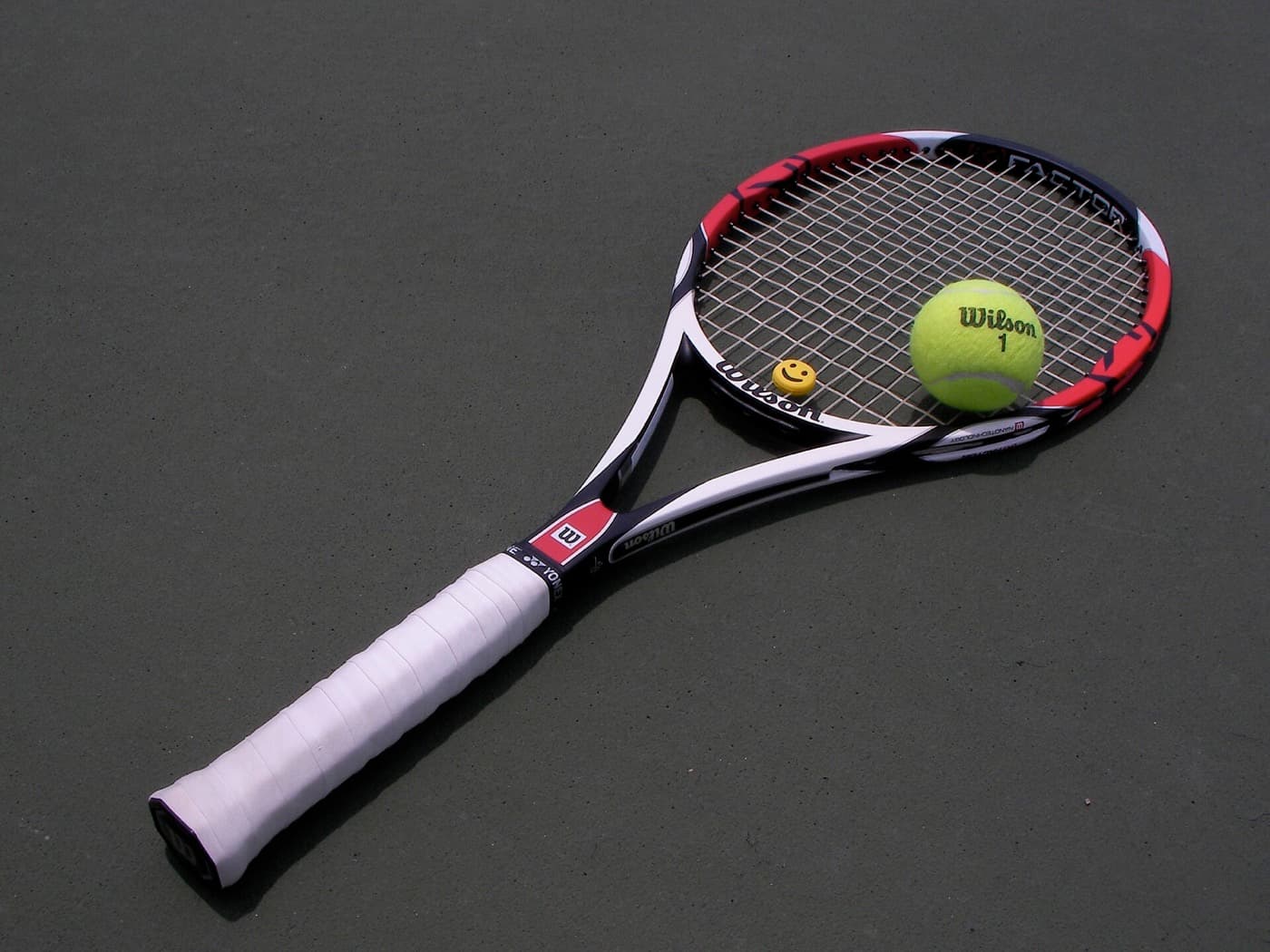
Tennis
A singles or doubles racquet sport that blends agility, strategy and stamina on court.
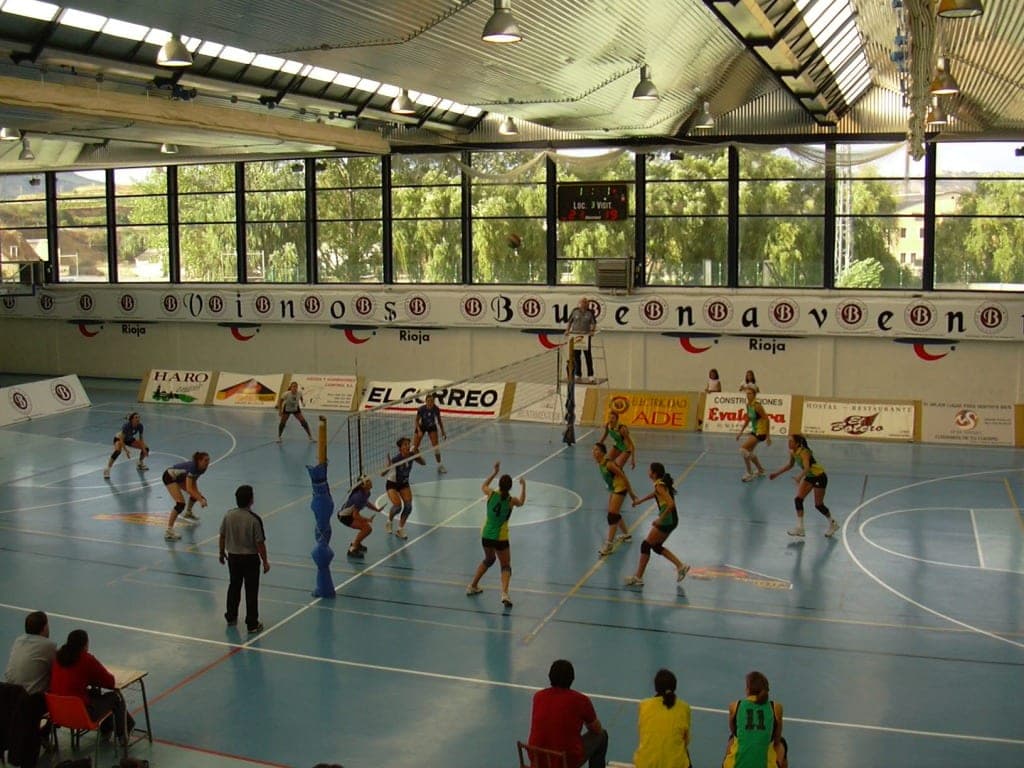
Volleyball
A non-contact team sport of rallies, jumps and teamwork — indoors or on the beach.
How it connects
The meaning-bearing relationships that place Set (Training) in the wider knowledge graph — each one with the reason it exists.
Commonly confused with
Close enough to be mixed up — the distinction is worth knowing.
Explore across the knowledge base
Follow the threads that connect Set (Training) to the rest of SocialSportHub.
Scoring systems
- How fitness progress is trackedGeneral fitness has no formal scoring, so progress is tracked through measurable markers such as repetitions, load, time, distance and personal bests.
- Volleyball scoringVolleyball uses rally scoring, in which a point is won on every rally, and matches are decided over a best-of-five sets.
- Tennis scoringTennis is scored in points, games and sets, using the distinctive 15–30–40 point sequence and a win-by-two margin at every level.
- Tennis scoring systemsThe scoring methods the ITF Rules actually authorise — the advantage set, the tie-break set, the standard tie-break game, and the short sets and match tie-breaks in Appendix VI.
Training methods
- Strength TrainingStrength training uses resistance — bodyweight, bands or weights — to challenge your muscles so they gradually adapt and get stronger over time.
- Hypertrophy TrainingHypertrophy training is resistance work structured to encourage muscle growth, typically using moderate repetitions and a steady, controlled tempo.
Physical qualities
Training guides
Go deeper with Set (Training)
Everywhere else on the platform that covers Set (Training) — assembled from what actually references it, so nothing here is a dead end.
Take it away
Open data and the whole-platform view of this subject.
How this page is maintained
- Content type
- Term
- Provenance
- Tier A — evergreen educational
- Verified external sources
- 0
- Content updated
- 2026-09-01
Evergreen, first-party explanation — it makes no claim that needs an external source. How we handle sources and reviews.