
Progressive Overload
Progressive overload is the principle of gradually increasing training demand over time so the body keeps adapting and improving.
Definition
Progressive overload is the foundational training principle that, to keep improving, the demands placed on the body must gradually increase beyond what it is currently accustomed to. Demand can be raised in several ways: more weight, more repetitions or sets, greater range or difficulty, shorter rest, or higher speed. Once the body adapts to a given stimulus, maintaining that same stimulus tends to hold fitness steady rather than build it.
The principle applies across strength, endurance, and skill training, and underpins how periodised programmes are structured. It must be balanced against recovery: overload without adequate rest leads to stagnation rather than progress, which is why deloads and easier phases are built in. Small, consistent increases are generally favoured over large jumps.
Where you’ll hear “progressive overload”
Sports that use this term:

Fitness
Strength and general fitness training — the foundation that supports every other sport.
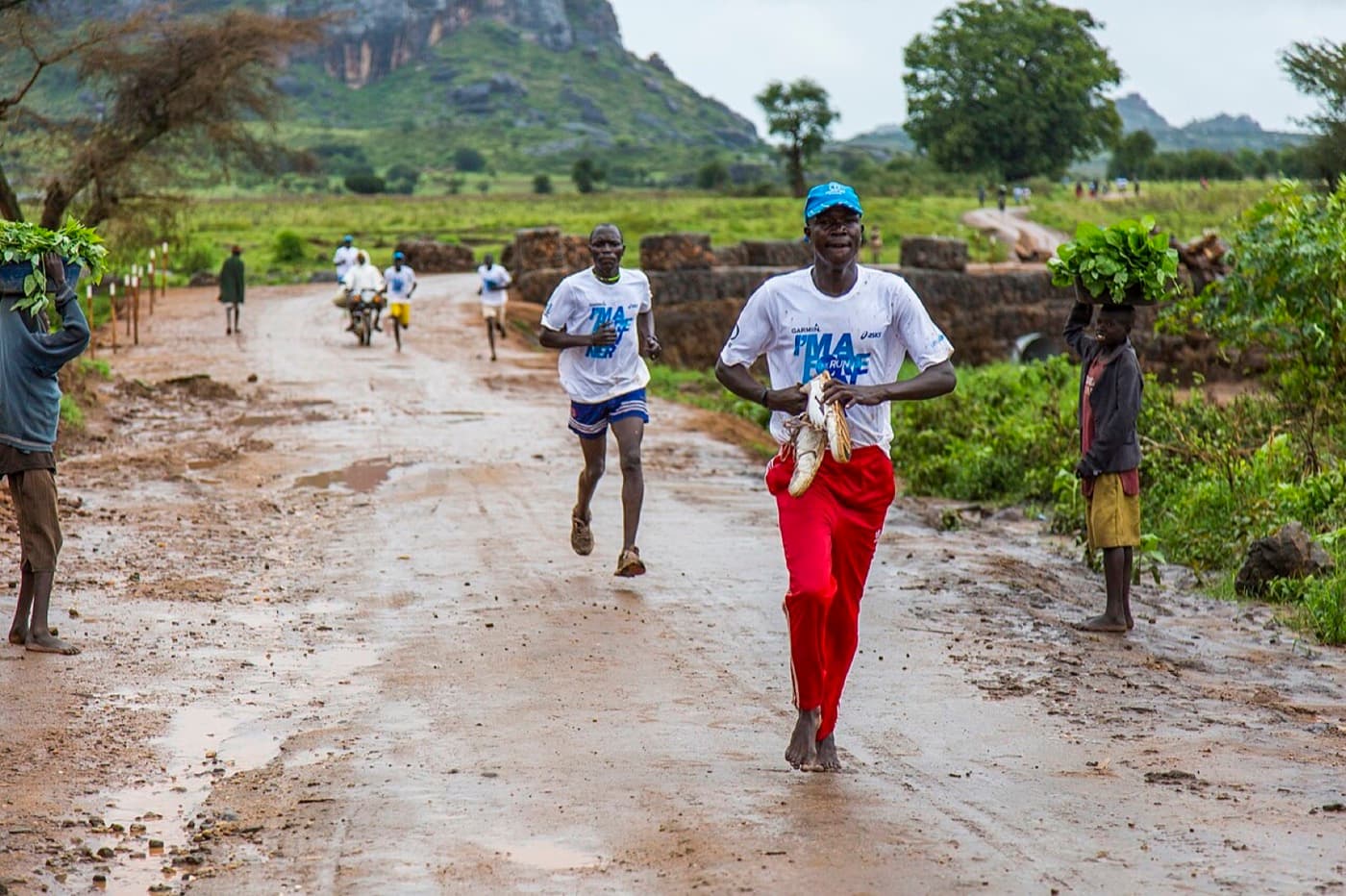
Running
The most accessible endurance sport — no venue, just shoes and the open road or trail.
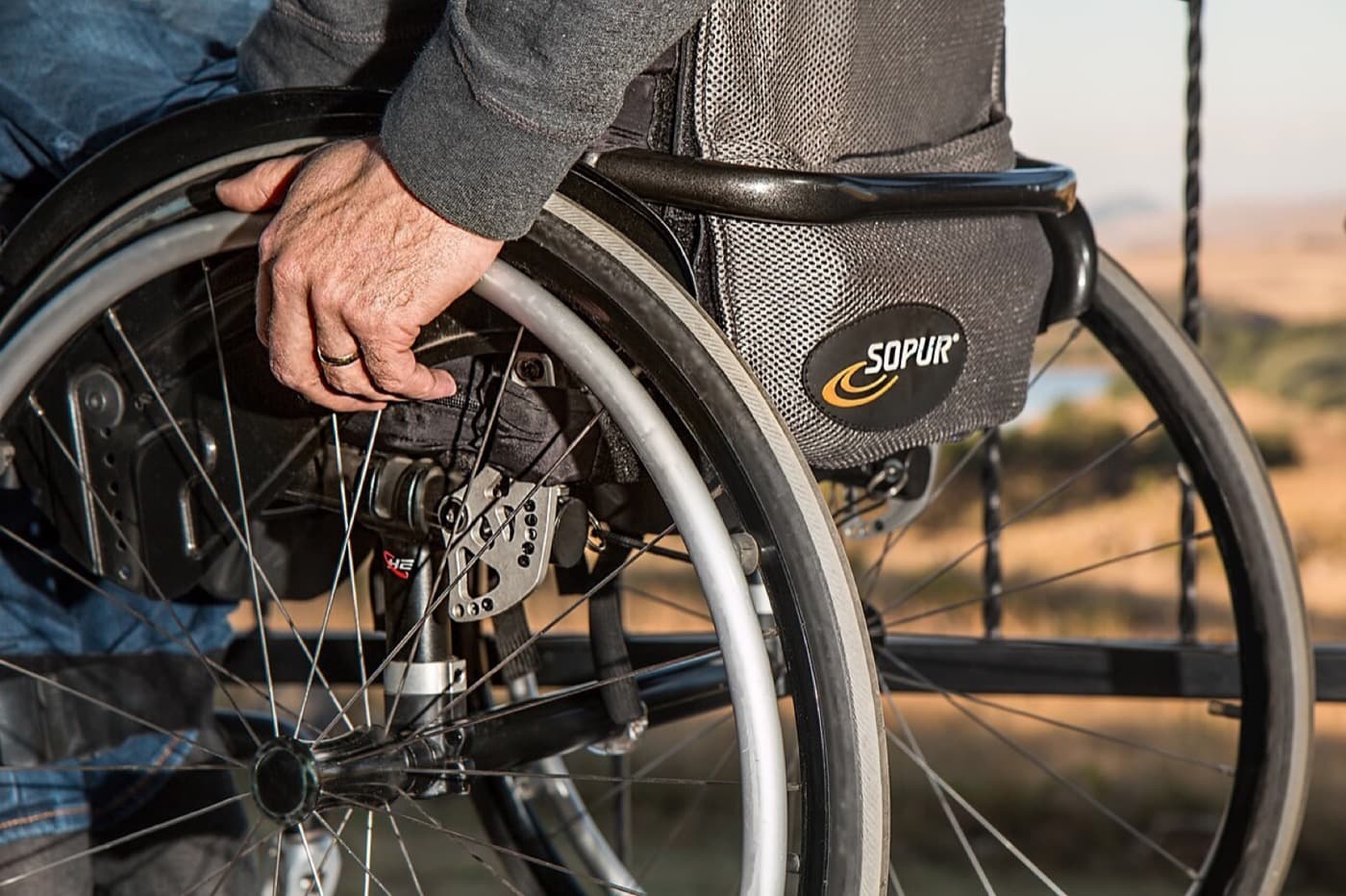
Cycling
A low-impact endurance sport that doubles as transport, exercise and adventure.
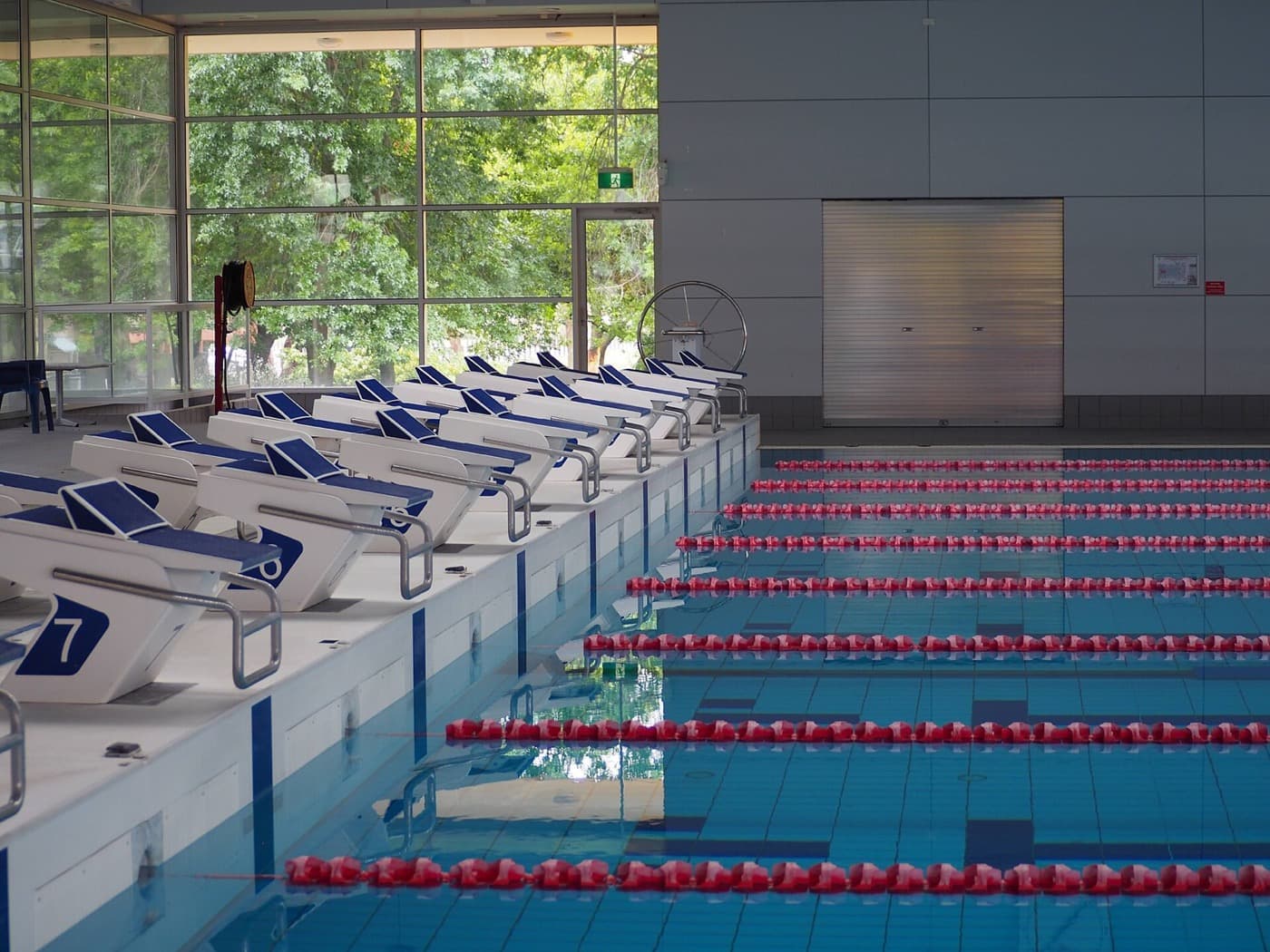
Swimming
A full-body, low-impact endurance sport suitable for almost every age and ability.
Explore across the knowledge base
Follow the threads that connect Progressive Overload to the rest of SocialSportHub.
Training methods
- Progressive OverloadProgressive overload is the principle of gradually increasing the demand you place on your body so it keeps adapting and improving over time.
- Strength TrainingStrength training uses resistance — bodyweight, bands or weights — to challenge your muscles so they gradually adapt and get stronger over time.
- Flexibility TrainingFlexibility training uses stretching to gradually improve how far your muscles and joints can comfortably lengthen and move.
- Circuit TrainingCircuit training moves you through a series of stations back to back with little rest, blending strength and cardio into one time-efficient session.
- Tempo TrainingTempo training holds a firm, controlled 'comfortably hard' pace for a sustained stretch, teaching the body to sustain effort without tipping into a sprint.
Training guides
- How to progress gentlyProgressing gently means increasing your training in small, gradual steps so your body has time to adapt.
- Staying consistent with trainingStaying consistent is about building training into your routine so it keeps happening even when motivation dips.
- How to start strength trainingStarting strength training means gradually introducing resistance movements and learning good form before doing anything more demanding.
- How to warm upA short, gentle warm-up gradually raises your body temperature and prepares your muscles and joints for the activity ahead.
- Bodyweight training basicsBodyweight training uses your own body as resistance, making it a simple and accessible way to build strength almost anywhere.
Sports science
- Training variationThe idea that changing elements of training over time helps keep the body responding and keeps training sustainable.
- The overload principleThe idea that the body adapts to demands greater than it is used to — the foundation of why training works.
- SpecificityThe idea that the body adapts specifically to the kind of training it is given — you tend to get good at what you actually practise.
- Training adaptationThe process by which the body changes in response to repeated training — the underlying reason exercise makes you fitter, stronger or more skilful over time.
- Energy systemsHow the body supplies energy for movement — the different pathways that power everything from an explosive jump to a long, steady run.
Practice & sessions
- Skill-development sessionA session built around learning and improving a skill over time — acquiring it, refining it and making it more reliable.
- Mobility sessionA session built around moving well through a range of motion — gentle, controlled work to help the body move freely.
- Recovery sessionA deliberately easy session — gentle movement to help the body feel better and adapt, rather than to push hard.
Coaching concepts
- ProgressionBuilding skill and training load in gradual, manageable steps so each stage prepares the next, moving from simple to complex and easy to hard.
- Session StructureHow a practice session is organised into phases — warm-up, main focus, game application and cool-down — so time is used well and learning sticks.
- Transfer of TrainingWhether practice carries over to real performance — and why game-like, varied practice tends to transfer better than isolated, repetitive drills.
Goals
- Build muscleChallenge your muscles with regular resistance training and steady recovery to build strength over time.
- Improve balanceTrain steadiness and control at any age with simple, progressive balance practice done safely.
- Improve flexibilityLengthen your muscles and widen your range of motion through regular, gentle stretching over time.
- Improve reaction speedRespond faster to what you see, hear and feel by training with fast, unpredictable activities and drills.
- Return to sportEasing back into activity after time away, a long break or a period off through injury.