
Exercise and Sleep
The two-way link between staying active and sleeping well — how movement can help rest, and how rest fuels movement.
Overview
Exercise and sleep tend to support each other. Being active during the day is widely associated with falling asleep more easily and sleeping more soundly, while good sleep leaves many people with more energy and motivation to move. It is a gentle, positive loop rather than a strict formula. You do not need intense training to feel the benefit; regular, moderate movement is what most people find helpful.
Timing can play a part too — some people find that vigorous exercise very close to bedtime leaves them too wired to settle, while others are unaffected. It is worth paying attention to what suits you rather than following fixed rules. If sleep problems continue despite an active, balanced routine, a qualified professional is the right person to help.
What helps
- Regular activity is widely linked to easier, sounder sleep.
- Good sleep, in turn, tends to fuel energy and motivation to move.
- Moderate, regular movement is usually enough — intensity is not required.
- Late, vigorous exercise leaves some people too wired to settle.
- Pay attention to what timing suits you rather than fixed rules.
A note on this guidance
How to start
- 1Add a little regular daytime movement, such as a walk or an easy session.
- 2Notice how exercise timing seems to affect your own sleep.
- 3Keep evenings calmer if intense workouts leave you wired.
- 4If sleep stays difficult despite this, talk to a qualified professional.
Sports that fit
Ways to put this into practice — each with a clear, beginner-friendly guide.

Running
The most accessible endurance sport — no venue, just shoes and the open road or trail.
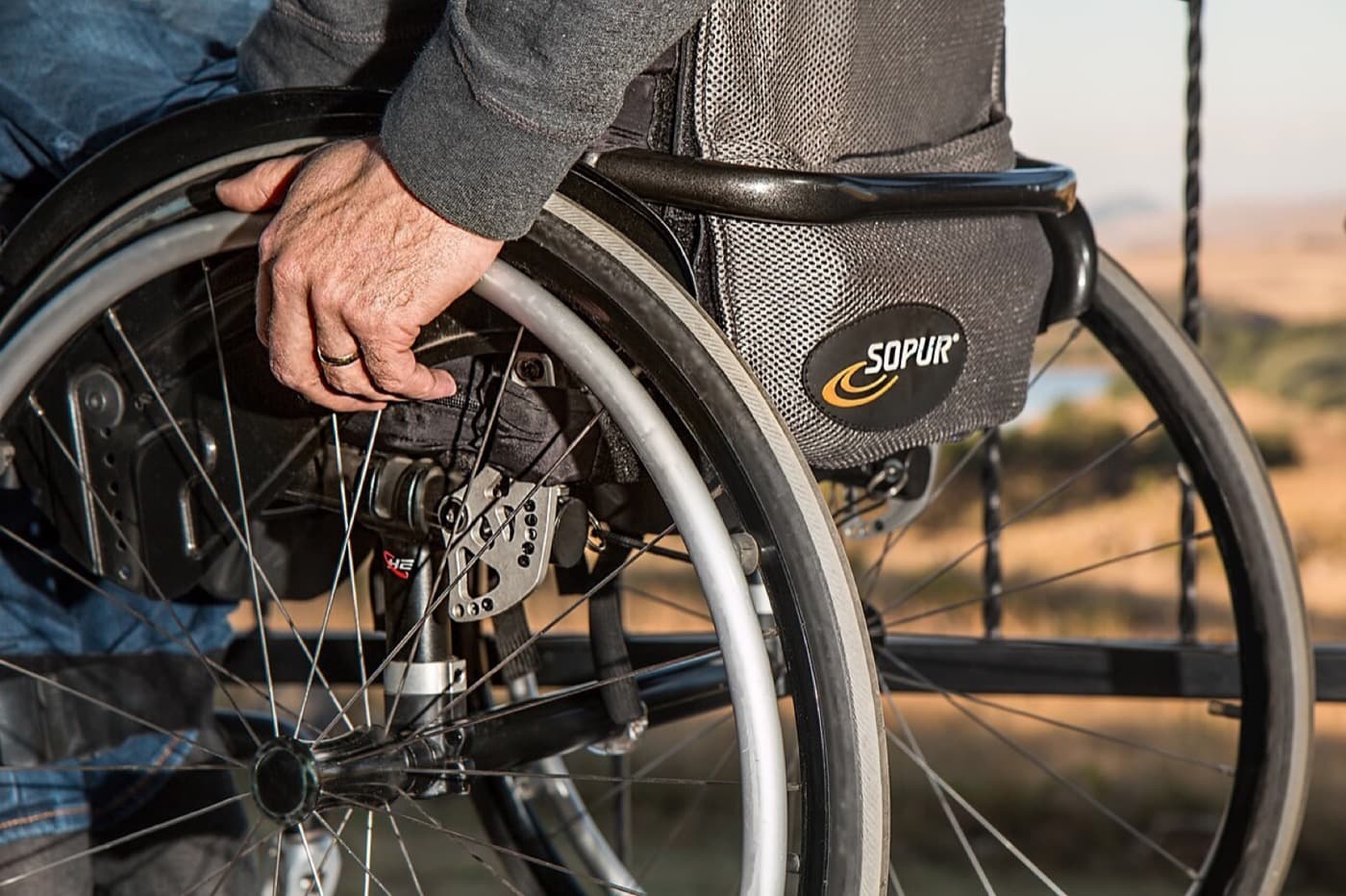
Cycling
A low-impact endurance sport that doubles as transport, exercise and adventure.
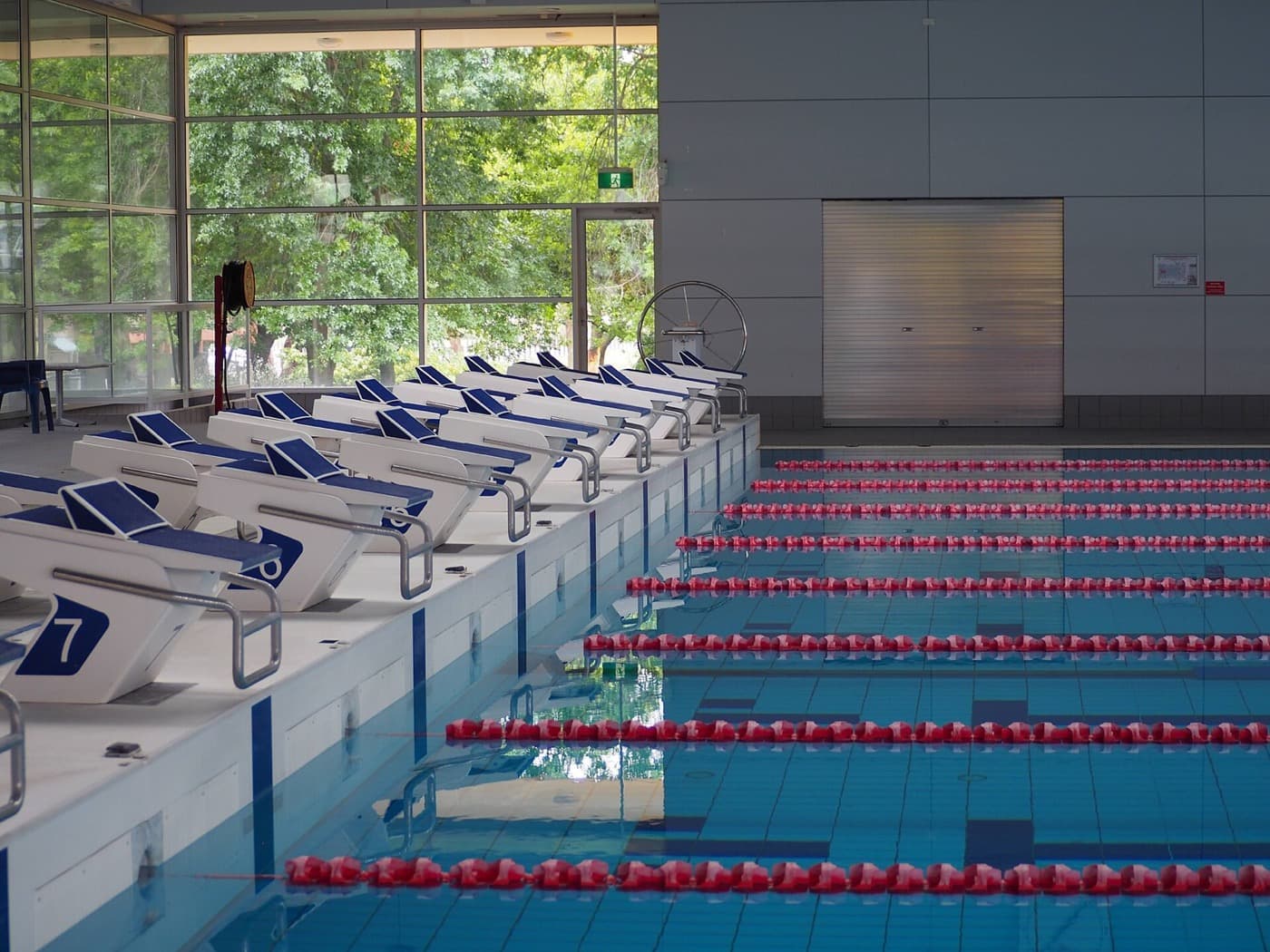
Swimming
A full-body, low-impact endurance sport suitable for almost every age and ability.
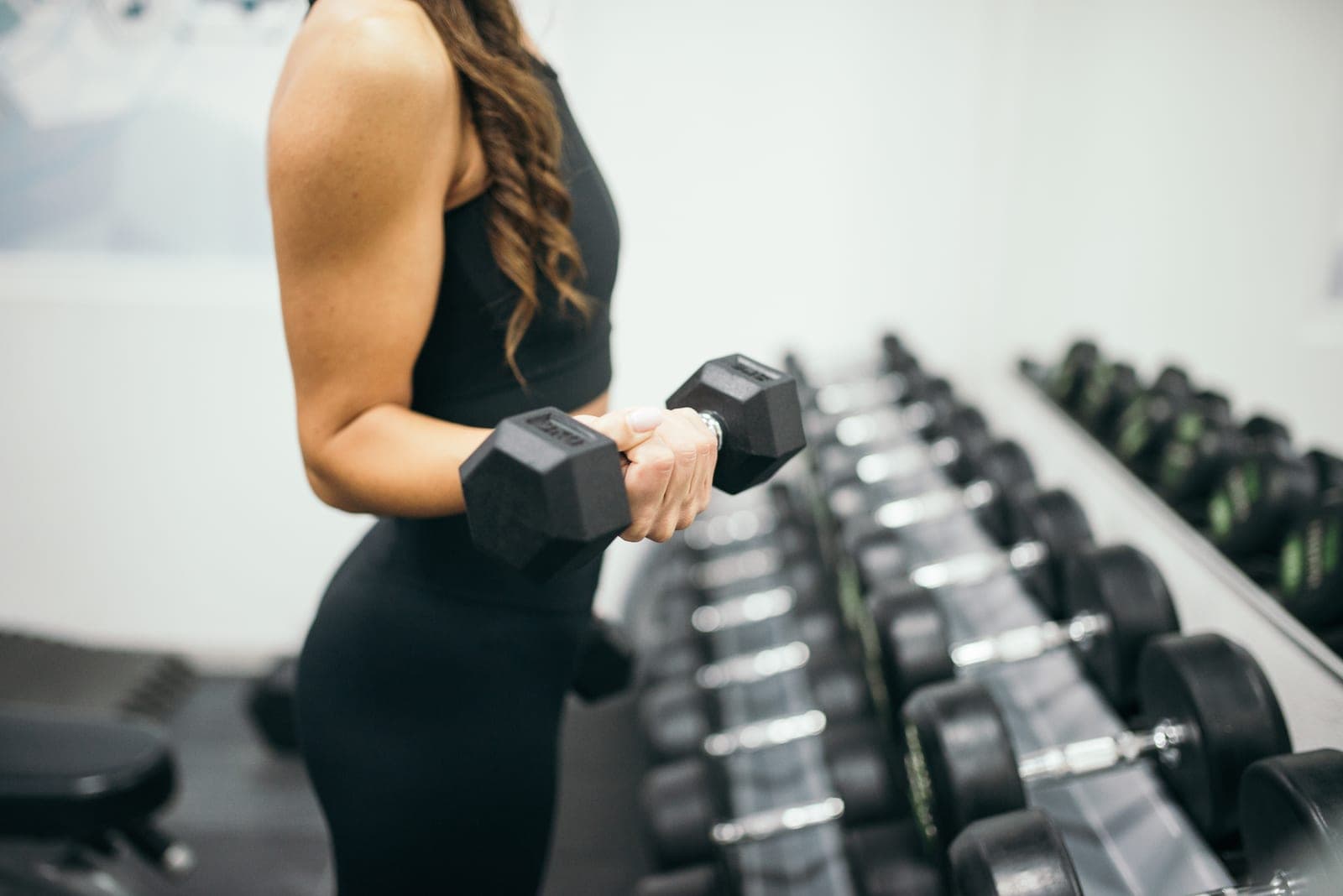
Fitness
Strength and general fitness training — the foundation that supports every other sport.
Goals it supports
Improve sleep
Support more restful sleep by staying active during the day and building a consistent daily rhythm.
Become more active
Add regular, gentle movement to your everyday life and build up from a sedentary start at your own pace.
Improve fitness
Build well-rounded fitness — stamina, strength and more — through regular, varied activity you can keep up.
Improve mental wellbeing
Use regular, enjoyable activity to support your mood, connection and sense of wellbeing as one healthy habit among many.
Reduce stress
Find calmer, healthier ways to unwind through regular movement, gentle mind-body activity and time outdoors.
Frequently asked questions
Does exercise help you sleep better?
Many people find that regular daytime activity is associated with falling asleep more easily and sleeping more soundly, though it is a gentle link rather than a guarantee. You do not need intense workouts to notice a difference. If sleep problems persist despite staying active, a qualified professional can help.
Is exercising before bed a bad idea?
It varies from person to person — some find vigorous exercise close to bedtime leaves them too alert to settle, while others sleep fine. Paying attention to your own response is more useful than a fixed rule. If you regularly struggle to sleep, it is worth raising with a qualified professional.
Explore across the knowledge base
Follow the threads that connect Exercise and Sleep to the rest of SocialSportHub.
People
- Busy professionalsHow time-efficient sport can fit a packed schedule to protect fitness, energy and stress relief.
- Shift workersHow sport can fit irregular hours and changing sleep — portable, flexible activity that adapts to a rota rather than a fixed timetable.
- RetireesHow sport can fit newly free time in retirement — an opportunity to be active, social and purposeful, at a comfortable and well-guided pace.
Training guides
- How to cool downA cool-down is a few easy minutes at the end of a session that let your effort taper off gradually before you stop.
- Understanding rest and recoveryRest and recovery are the everyday habits — sleep, rest days and gentle movement — that let the benefits of training take hold between sessions.
Recommendations
- Recommended for “Improve sleep”Sports, qualities, a learning path and first steps for “Improve sleep” — every suggestion a real graph link, shown with its reason.
- Recommended for “Improve mental wellbeing”Sports, qualities, a learning path and first steps for “Improve mental wellbeing” — every suggestion a real graph link, shown with its reason.
- Recommended for “Reduce stress”Sports, qualities, a learning path and first steps for “Reduce stress” — every suggestion a real graph link, shown with its reason.
- Recommended for “Healthy aging”Sports, qualities, a learning path and first steps for “Healthy aging” — every suggestion a real graph link, shown with its reason.
- Recommended for “Sports for children”Sports, qualities, a learning path and first steps for “Sports for children” — every suggestion a real graph link, shown with its reason.
How this page is maintained
- Content type
- Healthy living topic
- Provenance
- Tier A — evergreen educational
- Verified external sources
- 0
- Content updated
- 2026-07-09
Evergreen, first-party explanation — it makes no claim that needs an external source. How we handle sources and reviews.