
Build an active lifestyle
Make movement a natural, lasting part of daily life through activities and habits you genuinely enjoy.
How sport helps
An active lifestyle is one where movement is a natural, ongoing part of how you live — not a temporary programme with an end date. It's built from habits, routines and activities you genuinely enjoy and can keep up for the long term.
The aim is variety and consistency rather than intensity. Mixing different sports, outdoor time and everyday movement helps keep things interesting and makes activity easier to maintain over the years.
- Having a sport or two you love gives your week a reliable anchor of regular activity.
- Variety keeps things fresh, which helps you stay active over the long term rather than burning out.
- Sports that fit your social life or family can make staying active feel natural rather than forced.
- Outdoor and seasonal activities let you keep moving in ways that suit different times of year.
Getting started
- 1Find one or two activities you look forward to and build them into your regular week.
- 2Mix in everyday movement — walking, cycling for short trips, active hobbies — alongside any sport.
- 3Vary your activities across seasons so you always have something you enjoy.
- 4Aim for consistency over intensity, adjusting as life changes so the habit sticks.
Good sports for this goal
Great places to start — each with a clear, beginner-friendly guide.
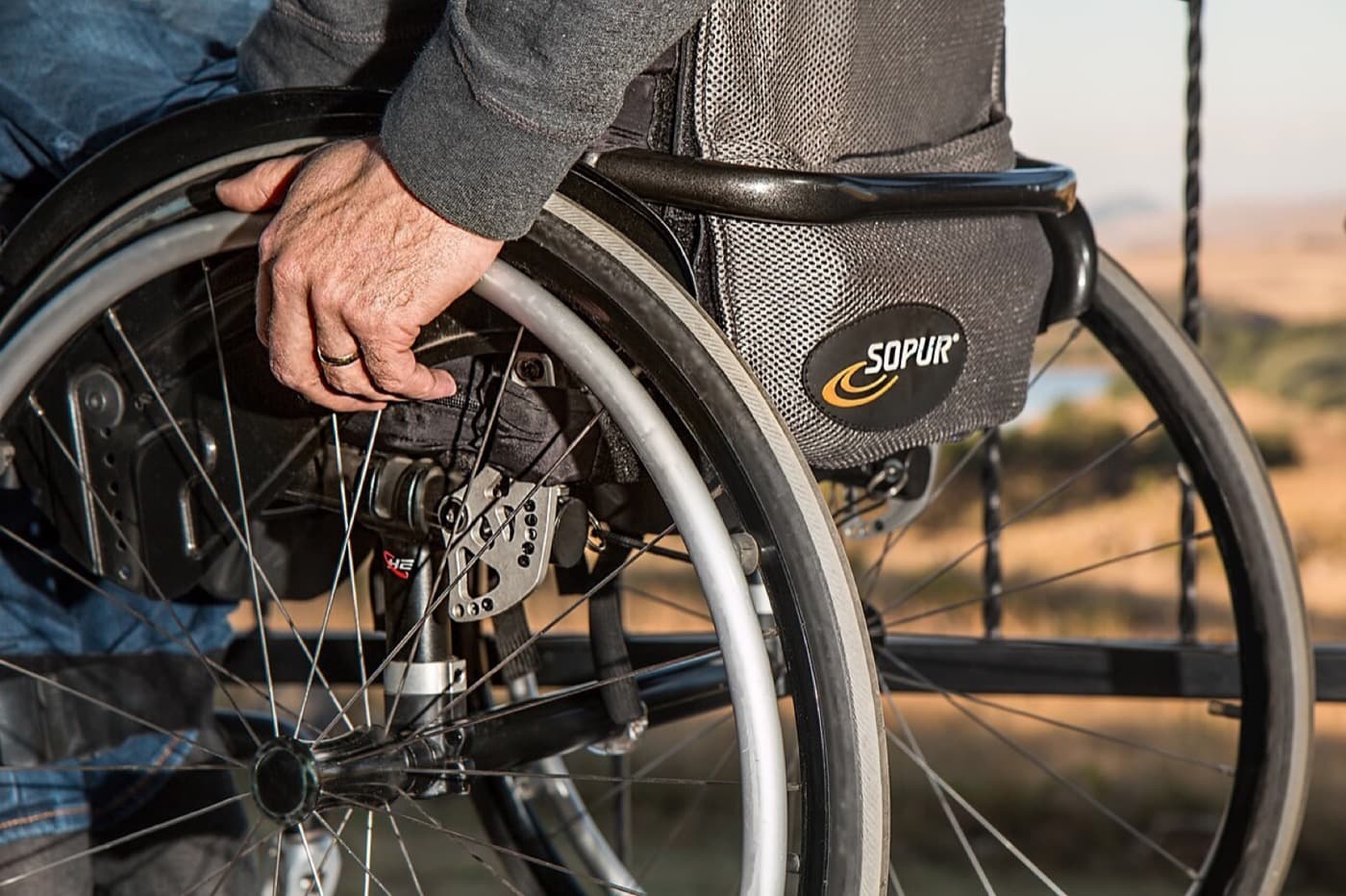
Cycling
A low-impact endurance sport that doubles as transport, exercise and adventure.
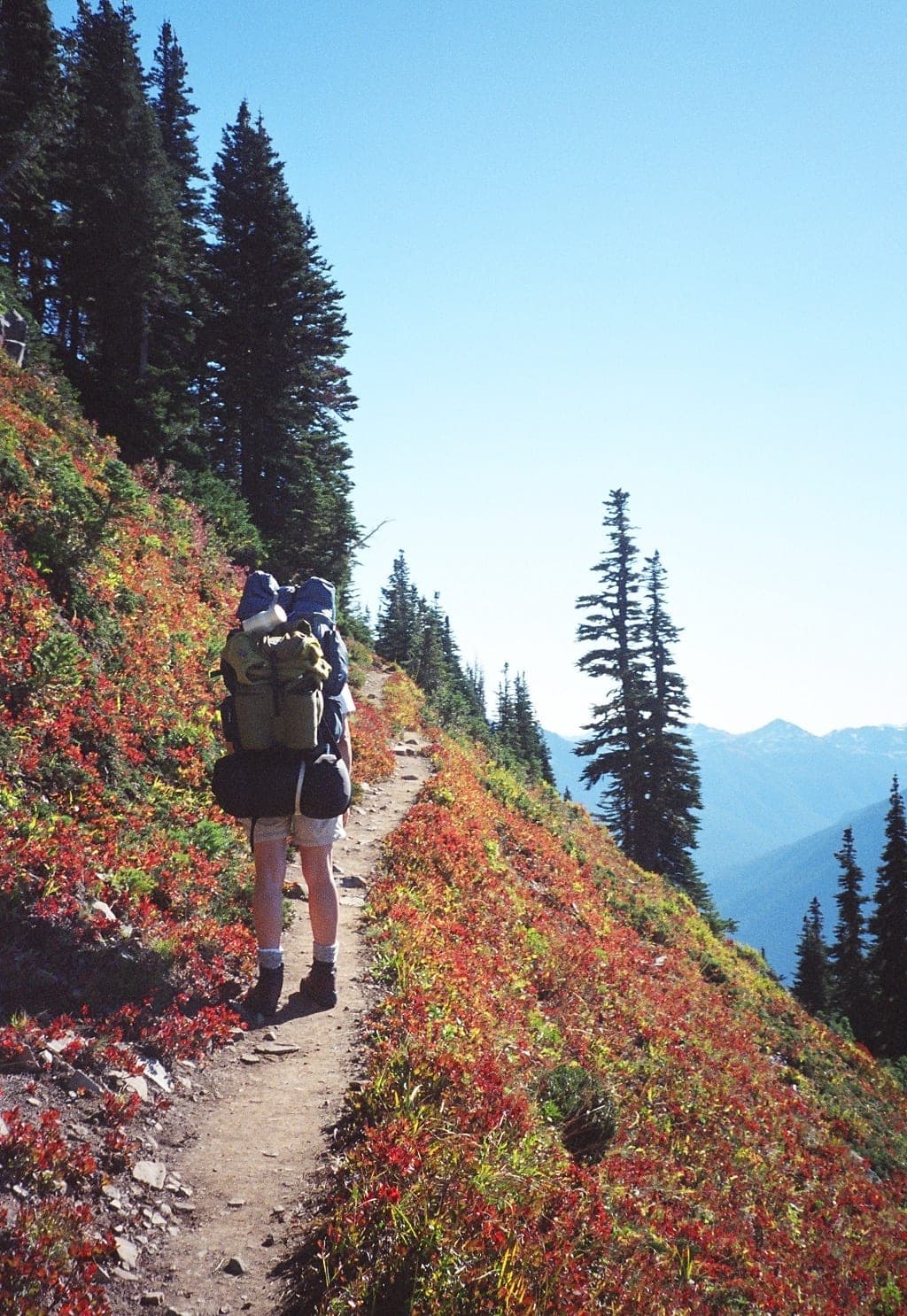
Hiking
An accessible outdoor sport of walking natural trails and hills at your own pace, solo or in a group.

Running
The most accessible endurance sport — no venue, just shoes and the open road or trail.
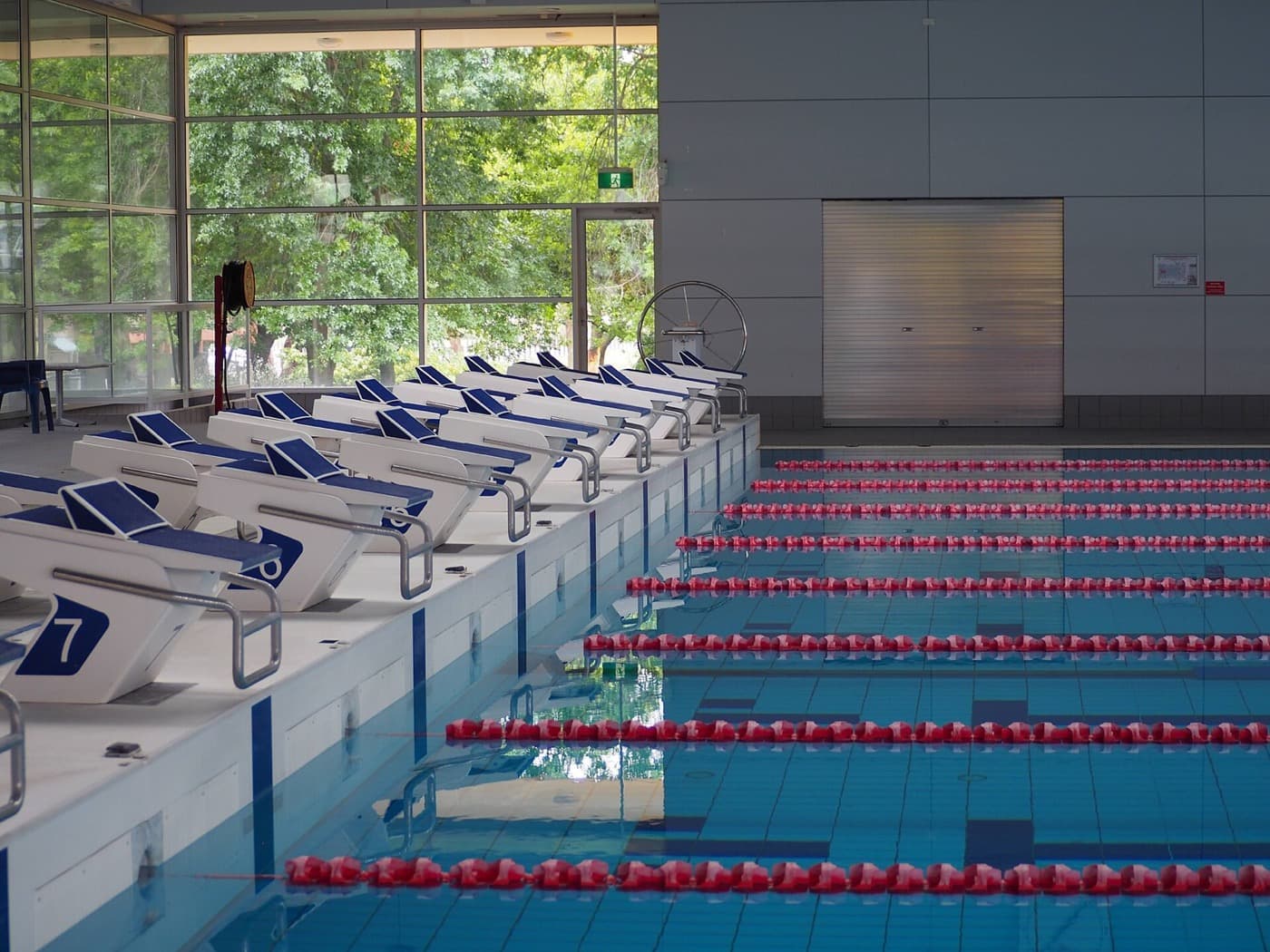
Swimming
A full-body, low-impact endurance sport suitable for almost every age and ability.
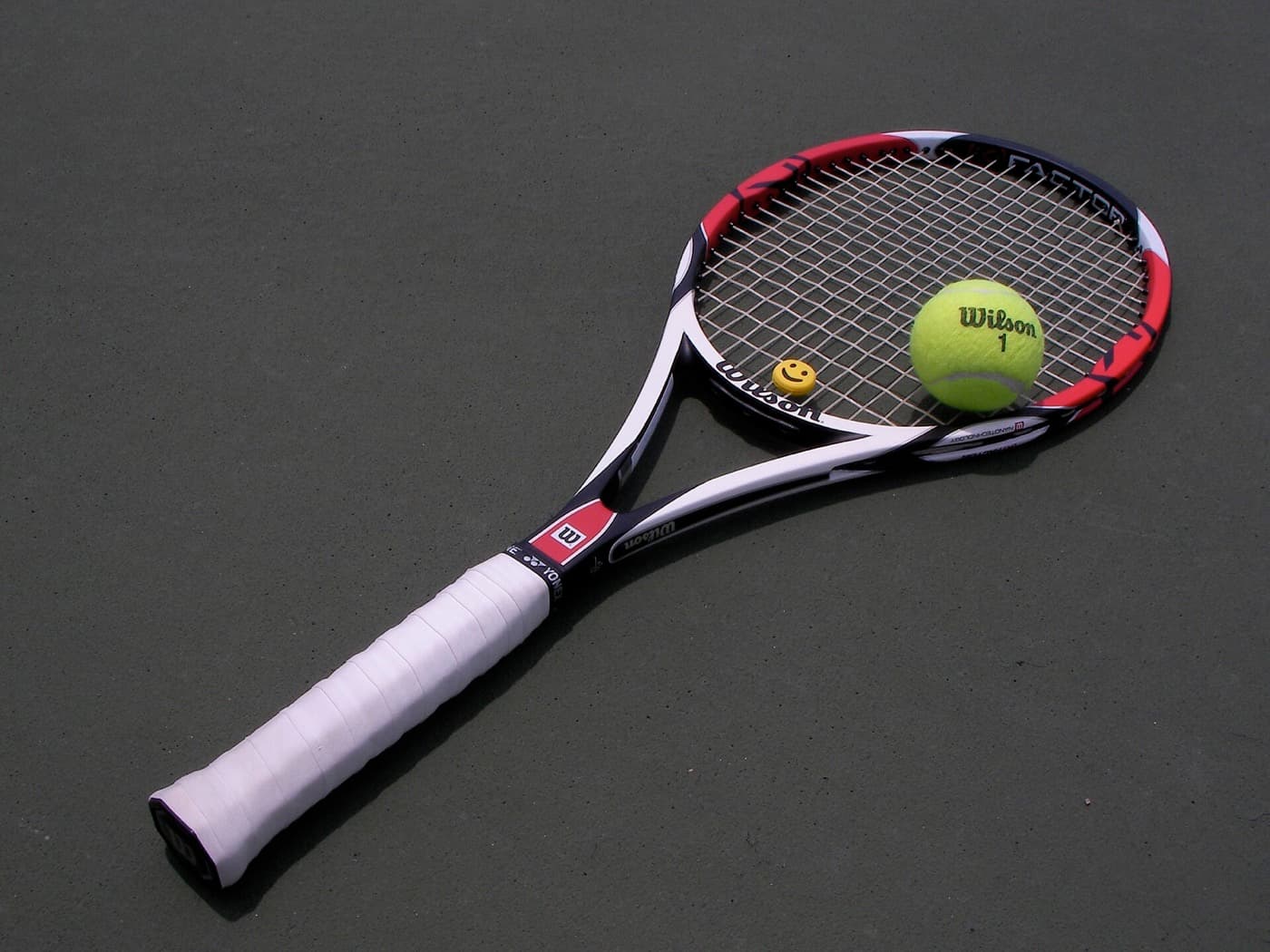
Tennis
A singles or doubles racquet sport that blends agility, strategy and stamina on court.
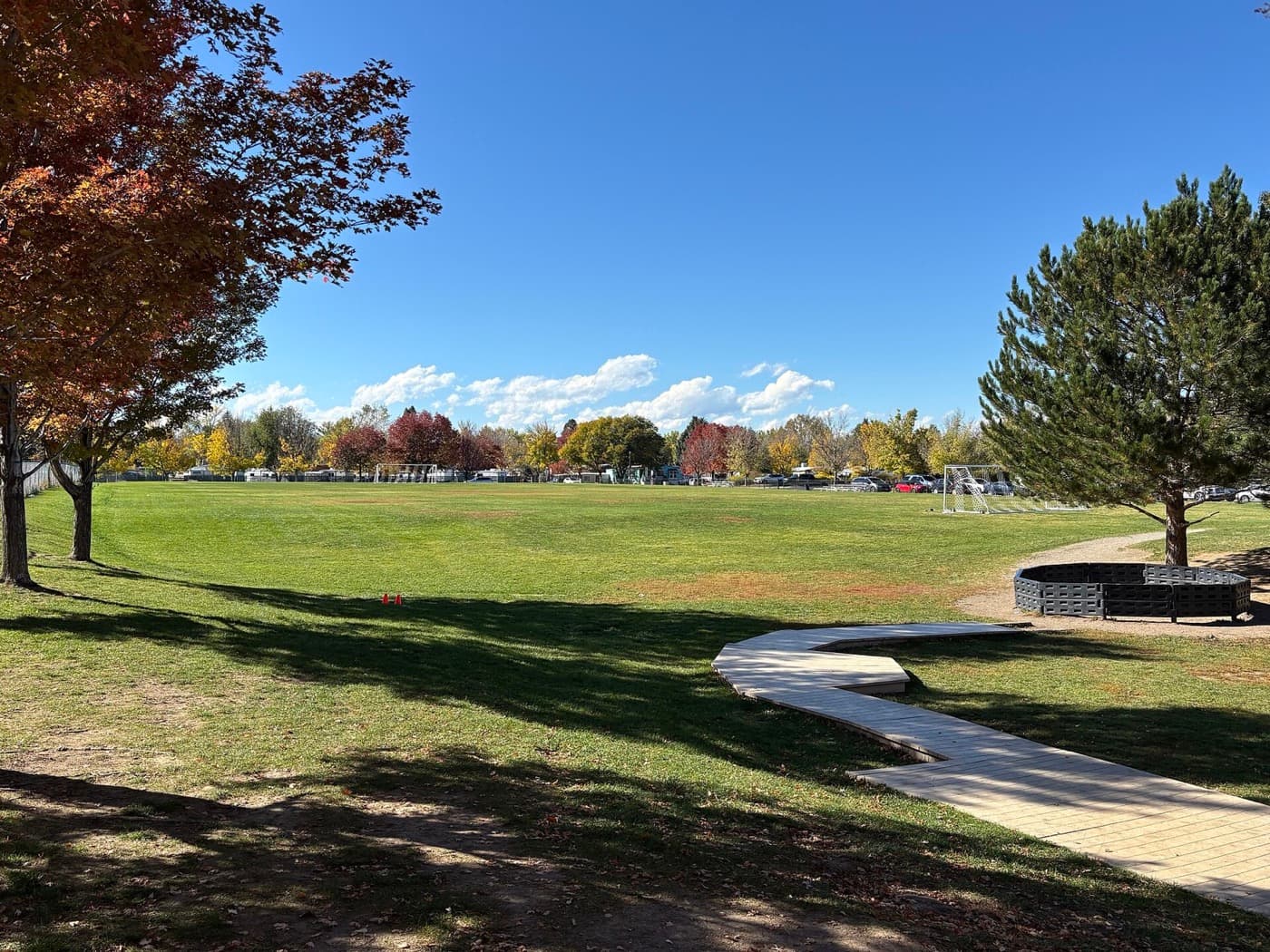
Football
The world’s most popular team sport — endless running, teamwork and community in one game.
Also fits this goal
Sports beyond the shortlist above that genuinely serve this goal, each with the reason it does and what it costs you. These are editorial judgements about how a sport is typically played, not source-verified facts.
- Strong fitFunctional Fitness
The movements are the ones daily life uses — lifting, carrying, getting up off the floor — trained deliberately.
What it costs you: It is a paid class at a set time, so it depends on a gym near you running the format.
Train for it
Exercises and methods that build what this goal needs — educational, not a prescription.
Wall sit
A holding exercise where you sit against a wall with no chair, holding a squat position still.
Step-up
A movement where you step up onto a raised platform one leg at a time and step back down.
Kettlebell swing
A dynamic hinge where you swing a kettlebell to shoulder height using a snap of the hips.
Push-up
A classic upper-body pushing exercise where you lower and press your body up from the floor.
Tricep dip
A pushing exercise where you lower and raise your body using your arms on parallel bars or a bench.
Pull-up
A vertical pulling exercise where you hang from a bar and pull your chin above it.
Frequently asked questions
What makes a lifestyle 'active'?
It's less about hitting targets and more about regular movement being a normal part of daily life — through sport, walking, active hobbies and everyday activity woven together over time.
How do I stay active long term?
Choosing activities you genuinely enjoy, building them into your routine, and keeping some variety all help. Flexibility matters too — adapting when life gets busy makes it easier to keep going.
Do I need to play sport to have an active lifestyle?
Not necessarily. Sport is one great option, but walking, cycling, gardening, dancing and other everyday movement all count toward an active, healthy routine.
Related goals
Become more active
Add regular, gentle movement to your everyday life and build up from a sedentary start at your own pace.
Improve fitness
Build well-rounded fitness — stamina, strength and more — through regular, varied activity you can keep up.
Build healthy habits
Using sport and routine to make regular activity a lasting part of everyday life.
Outdoor activities
Spend more time being active outdoors, from walking and cycling to trails, water and hills.
Who & where this fits
This goal fits all kinds of people and lifestyles.
Children
How sport can fit into a child’s life through play, variety and supported, age-appropriate movement.
Seniors
How gentle, supported sport can help older adults stay active, mobile and connected, with a professional check first.
Weekend athletes
How to enjoy recreational sport on weekends while staying comfortable and consistent through the week.
Travelers
How to stay active on the move with minimal-equipment sport that works almost anywhere.
Parents
How busy parents can fit sport around family life with flexible, home-friendly and time-efficient options.
Families
How families can be active together with inclusive, all-ages sports that make movement social and fun.
How it connects
The meaning-bearing relationships that place Build an active lifestyle in the wider knowledge graph — each one with the reason it exists.
Achieved through
Routes people take towards this goal.
- CyclingCycling is one of the sports listed under the “Build an active lifestyle” goal.
- HikingHiking is one of the sports listed under the “Build an active lifestyle” goal.
- RunningRunning is one of the sports listed under the “Build an active lifestyle” goal.
- SwimmingSwimming is one of the sports listed under the “Build an active lifestyle” goal.
- TennisTennis is one of the sports listed under the “Build an active lifestyle” goal.
Explore across the knowledge base
Follow the threads that connect Build an active lifestyle to the rest of SocialSportHub.
Recommendations
- Recommended for “Build an active lifestyle”Sports, qualities, a learning path and first steps for “Build an active lifestyle” — every suggestion a real graph link, shown with its reason.
- Recommended for “Build healthy habits”Sports, qualities, a learning path and first steps for “Build healthy habits” — every suggestion a real graph link, shown with its reason.
Barriers
- No timeWhen your days are full, sport has to fit into small windows rather than replace them — short, flexible activity that adds up.
- An unpredictable scheduleWhen no two weeks look the same, sport needs to be flexible and portable rather than tied to a fixed class time.
- Always travellingWhen you are often away from home, sport has to travel with you — bodyweight options, hotel-room routines and activity that needs no local club.
- Nothing nearbyWhen there is no local club or facility, self-directed and home-based activity — plus a wider search — keeps sport within reach.
- No one to play withWhen you have no training partner, individual sports, beginner groups and finding-people options open the door to solo and social activity alike.
Motivations
- To have funWhen enjoyment is the point, playful, varied and social sports keep you coming back — because the best activity is the one you look forward to.
- To meet peopleWhen connection is the draw, team sports, clubs and group activities turn getting fit into a way to build a social circle.
- To spend time as a familyWhen the aim is shared time, activities the whole family can do together turn being active into a way to connect across ages.
- To feel calmerWhen you play to unwind, rhythmic, absorbing activity gives many people a mental break — though it complements, not replaces, professional support.
- To stay healthyWhen health is the driver, regular, sustainable activity across fitness, strength and mobility supports an active life for the long term.
Healthy living
- WalkingThe most accessible activity there is — free, low-impact, and one of the easiest ways to add movement to any day.
- Walking MeetingsTaking a call or a one-to-one on the move instead of at a desk — an easy way to add movement to the working day without losing time.
- Active BreaksShort bursts of movement woven through the working or study day to break up long stretches of sitting.
- Taking the StairsChoosing stairs over the lift as a simple, no-cost way to add a little more effort to an ordinary day.
- Reducing SittingBreaking up long, unbroken stretches of sitting with small, regular movement through the day.
Adaptive sports
- Adaptive sportsSport adjusted in its equipment, rules or format so that people with disabilities can take part, compete and enjoy it.
- Para sportsThe competitive branch of adaptive sport, where athletes with disabilities train and compete, often within organised classification systems.
- Accessibility in sportHow sport removes barriers — physical, sensory, social and informational — so that disabled people can take part on equal terms.
- Disability and sportAn overview of how disabled people take part in sport — for health, enjoyment, community and competition — and the ideas that support inclusion.
- Wheelchair SportsSports played from a wheelchair — often a specialised sports chair — so that wheelchair users can take part, train and compete.
How this page is maintained
- Content type
- Life goal
- Provenance
- Tier A — evergreen educational
- Verified external sources
- 0
- Content updated
- 2026-09-22
Evergreen, first-party explanation — it makes no claim that needs an external source. How we handle sources and reviews.