
An unpredictable schedule
When no two weeks look the same, sport needs to be flexible and portable rather than tied to a fixed class time.
Overview
Some people do not lack time so much as a predictable pattern — shift changes, travel, caring responsibilities or a job that overruns. A weekly class at a fixed hour is exactly the thing that keeps falling through. What works better is activity you can do anywhere, at any hour, without booking ahead.
Building a small menu of options — a home session, an outdoor option, a quick gym plan — means that whatever the day throws up, one of them fits. The aim is a habit that bends with your week instead of breaking when the week changes.
What helps
- Portable, bookable-free activity survives a changing schedule.
- Keep a short menu of options for different days and places.
- Individual sports flex around you more easily than fixed team fixtures.
- Aim for a weekly total rather than the same day and time each week.
Getting started
- 1Choose two or three activities you can do in different places (home, outdoors, gym).
- 2Set a weekly target you can hit on any days, not a fixed timetable.
- 3Keep a minimal kit ready so an unexpected free hour is easy to use.
- 4Reschedule rather than skip — move the session, keep the habit.
Sports that work around it
Great places to start — each with a clear, beginner-friendly guide.

Running
The most accessible endurance sport — no venue, just shoes and the open road or trail.

Cycling
A low-impact endurance sport that doubles as transport, exercise and adventure.

Fitness
Strength and general fitness training — the foundation that supports every other sport.
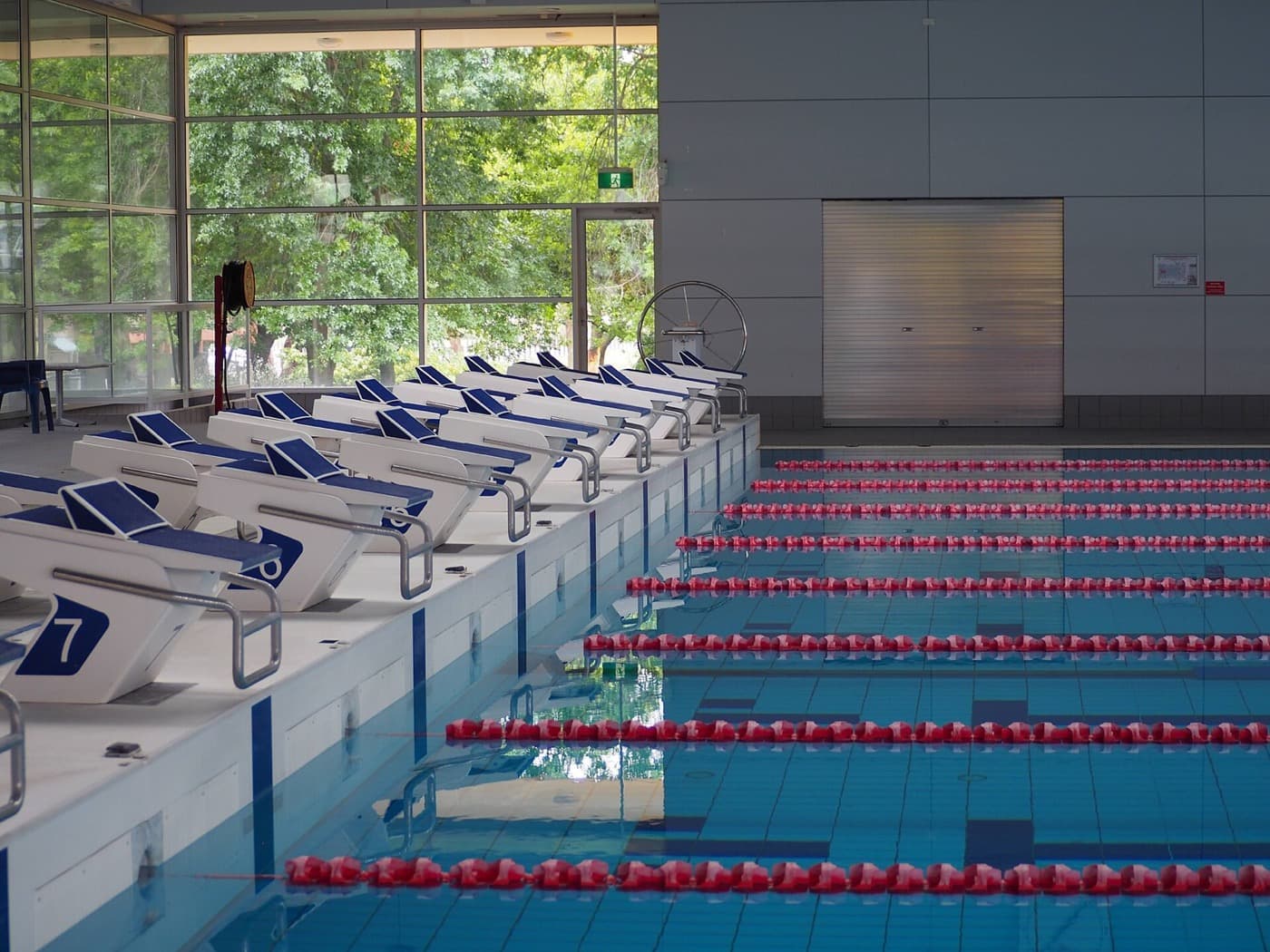
Swimming
A full-body, low-impact endurance sport suitable for almost every age and ability.
Goals that fit
Build healthy habits
Using sport and routine to make regular activity a lasting part of everyday life.
Build an active lifestyle
Make movement a natural, lasting part of daily life through activities and habits you genuinely enjoy.
Improve fitness
Build well-rounded fitness — stamina, strength and more — through regular, varied activity you can keep up.
Become more active
Add regular, gentle movement to your everyday life and build up from a sedentary start at your own pace.
Ways to train
Exercises and methods that fit — educational, not a prescription.
Wall sit
A holding exercise where you sit against a wall with no chair, holding a squat position still.
Step-up
A movement where you step up onto a raised platform one leg at a time and step back down.
Kettlebell swing
A dynamic hinge where you swing a kettlebell to shoulder height using a snap of the hips.
Push-up
A classic upper-body pushing exercise where you lower and press your body up from the floor.
Tricep dip
A pushing exercise where you lower and raise your body using your arms on parallel bars or a bench.
Pull-up
A vertical pulling exercise where you hang from a bar and pull your chin above it.
Frequently asked questions
How do I stay active with an irregular schedule?
Favour activities that need no booking and little setup, keep a couple of options for different places, and track a weekly total instead of a fixed class time. That way a disrupted day just moves the session rather than cancelling it.
Explore across the knowledge base
Follow the threads that connect An unpredictable schedule to the rest of SocialSportHub.
People
- Shift workersHow sport can fit irregular hours and changing sleep — portable, flexible activity that adapts to a rota rather than a fixed timetable.
- TravelersHow to stay active on the move with minimal-equipment sport that works almost anywhere.
- Busy professionalsHow time-efficient sport can fit a packed schedule to protect fitness, energy and stress relief.
Lifestyle
- At homeMovement you can do in your living room — from bodyweight strength to yoga — with little or no equipment.
- OutdoorsSport and activity in the fresh air — running, cycling, hiking and more, using parks, trails and open space.
- No equipmentActivities and workouts you can do with little or no gear, using mostly your own body.
Healthy living
- Active BreaksShort bursts of movement woven through the working or study day to break up long stretches of sitting.
- Reducing SittingBreaking up long, unbroken stretches of sitting with small, regular movement through the day.
- Sleep HygieneThe everyday habits and surroundings that make good sleep more likely — a calmer room, steadier timing and gentler evenings.
- Sleep RoutineA steady rhythm of consistent timing and a calming wind-down that helps your body know when it is time to rest.
- Hydration basicsWhy staying hydrated matters for an active life, and simple, sensible habits to drink enough through the day.
How this page is maintained
- Content type
- Getting past it
- Provenance
- Tier A — evergreen educational
- Verified external sources
- 0
- Content updated
- 2026-07-09
Evergreen, first-party explanation — it makes no claim that needs an external source. How we handle sources and reviews.