
To meet people
When connection is the draw, team sports, clubs and group activities turn getting fit into a way to build a social circle.
Overview
Plenty of people take up sport as much for the company as the exercise — to meet people, build a social circle, or simply not do it alone. Team sports, clubs and group classes are naturally social: shared sessions, regular faces and a common interest make connection easy in a way that can be hard to find as an adult.
If meeting people is the goal, lean towards activities that are inherently group-based and have a welcoming beginner scene. Turning up regularly does most of the work — familiarity turns teammates into friends over time.
What to look for
- Team sports and clubs make connection part of the activity.
- A shared interest and regular faces make friendships easier to form.
- Beginner-friendly groups lower the barrier to joining.
- Turning up regularly is what turns teammates into friends.
Getting started
- 1Choose a group-based sport or a club with a beginner scene.
- 2Commit to a few sessions so familiarity has time to build.
- 3Say yes to the social side — the warm-up chat, the post-game drink.
- 4Treat early sessions as meeting people, not proving yourself.
Sports that deliver it
Great places to start — each with a clear, beginner-friendly guide.
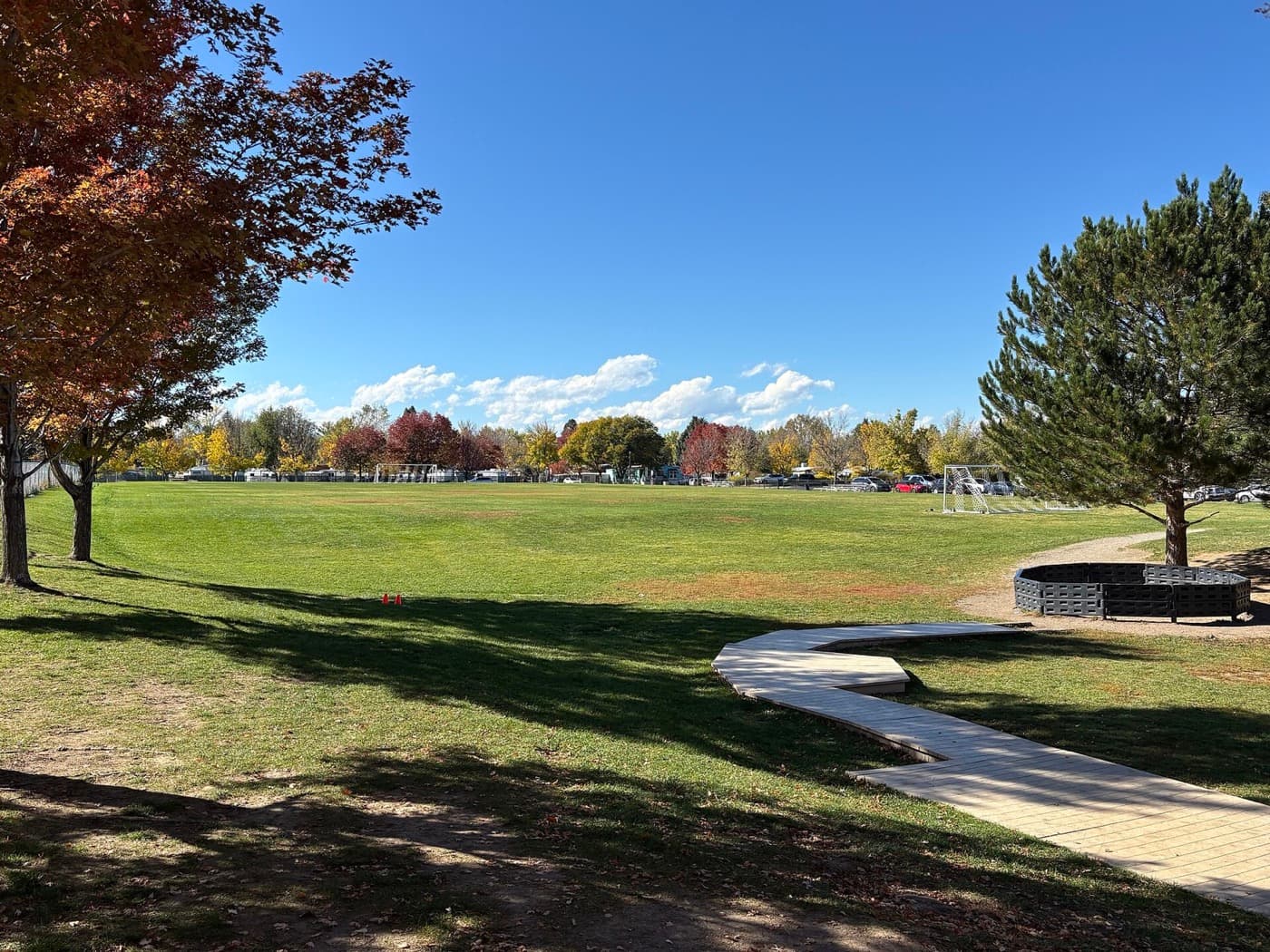
Football
The world’s most popular team sport — endless running, teamwork and community in one game.
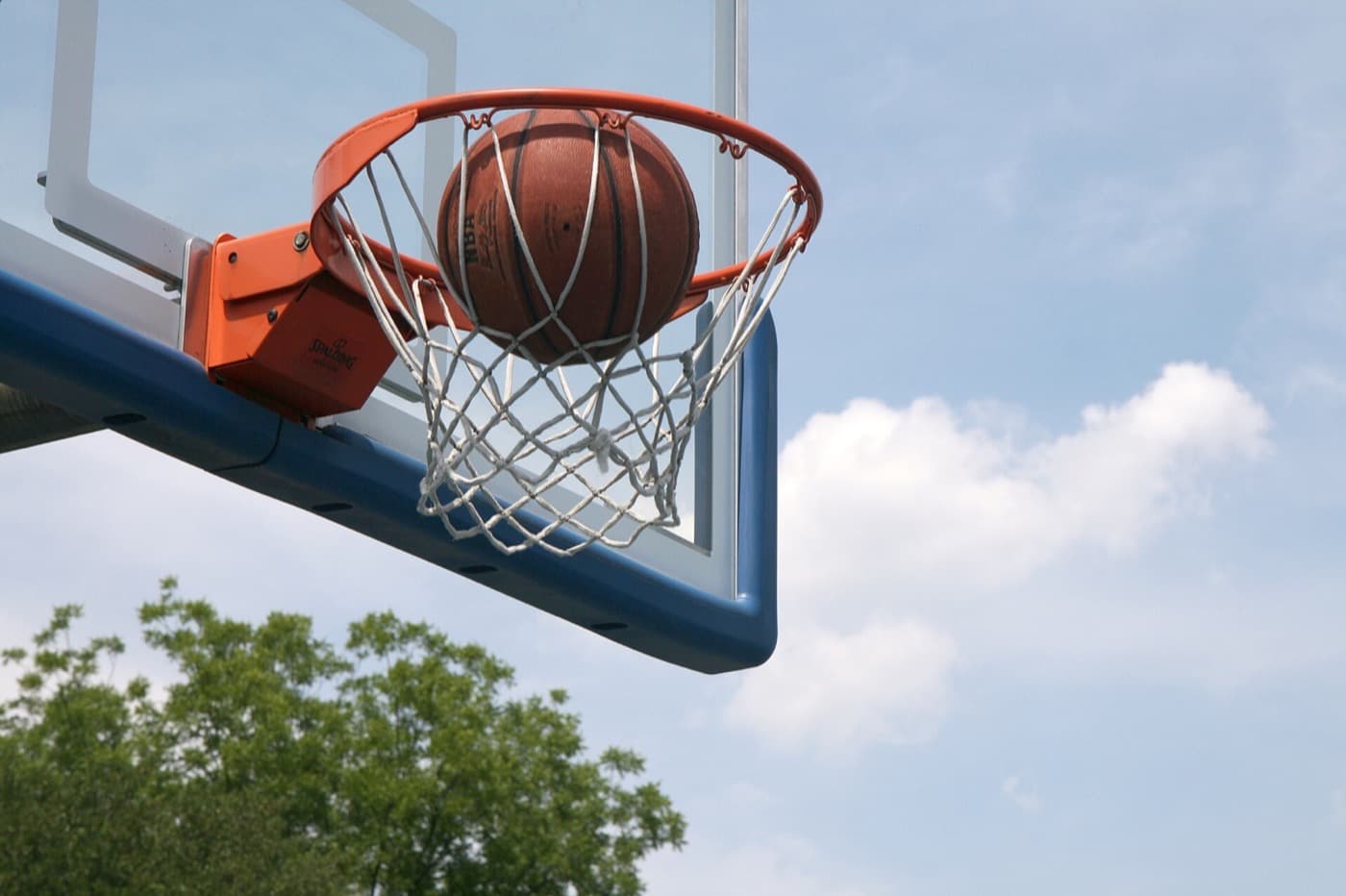
Basketball
A fast, dynamic team sport of running, jumping and quick decisions on court.
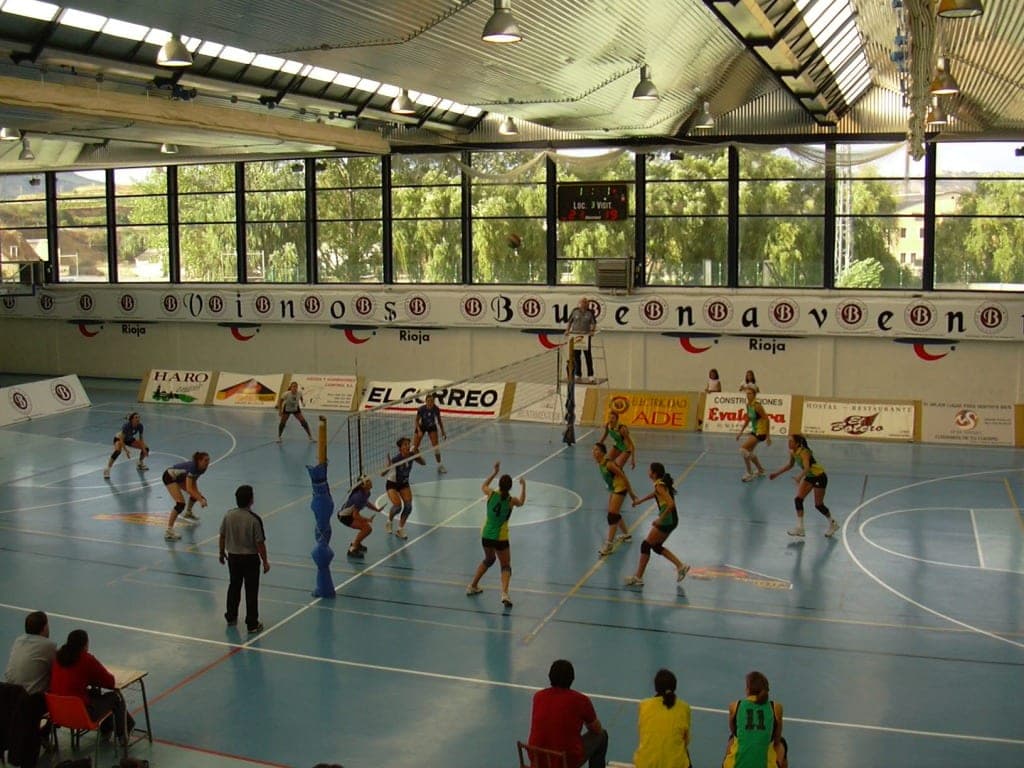
Volleyball
A non-contact team sport of rallies, jumps and teamwork — indoors or on the beach.
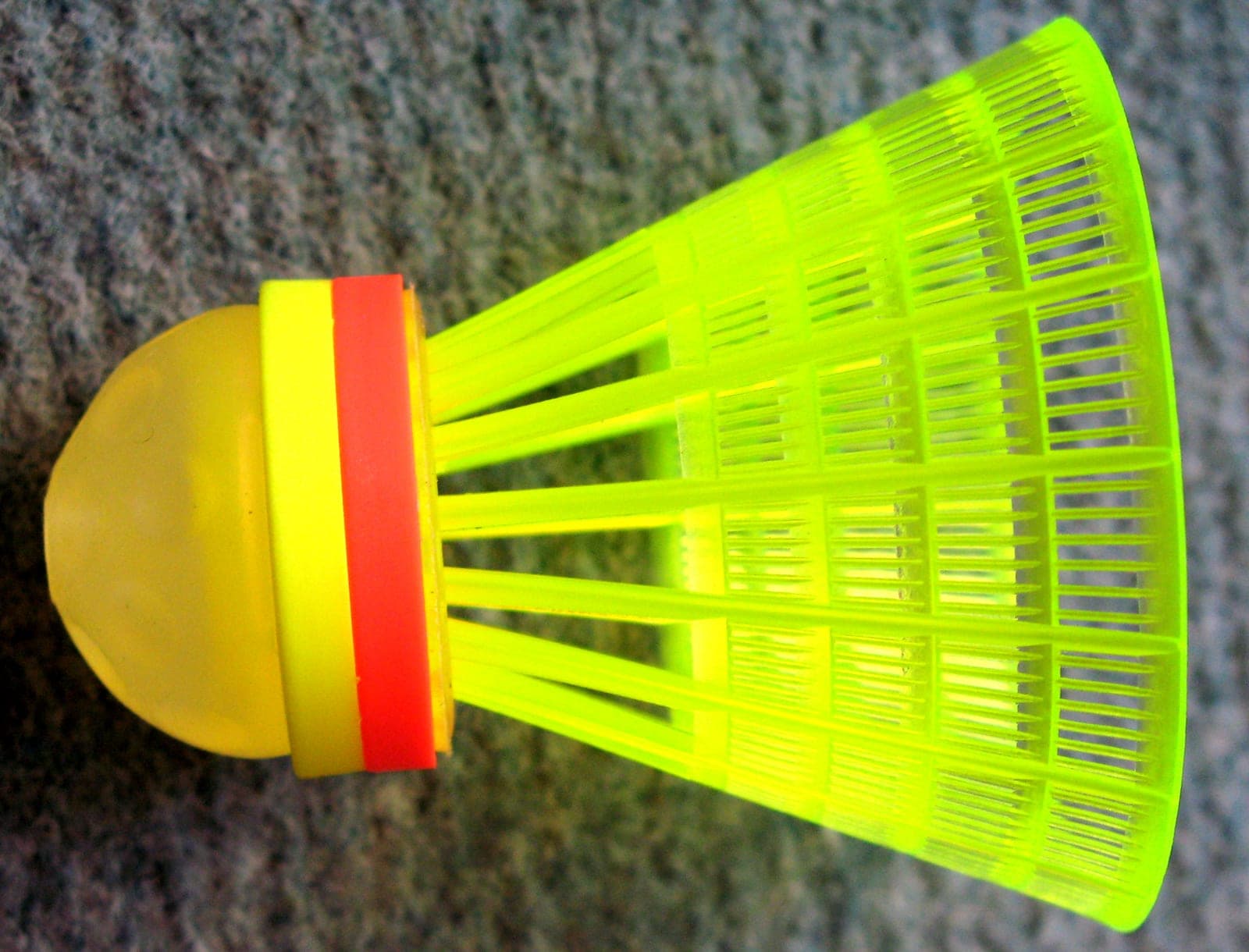
Badminton
A fast indoor racquet sport played with a shuttlecock that rewards agility and touch.

Padel
A sociable, doubles-first racquet sport played in an enclosed court where the walls stay in play.

Running
The most accessible endurance sport — no venue, just shoes and the open road or trail.
Goals that fit
Social activities
Use sport as a way to meet people, make friends and stay connected while staying active.
Teamwork
Develop cooperation, communication and trust by playing sports that rely on working together.
Build confidence
Use sport and steady progress to feel more capable, comfortable and self-assured over time.
Build an active lifestyle
Make movement a natural, lasting part of daily life through activities and habits you genuinely enjoy.
Ways to train
Exercises and methods that fit — educational, not a prescription.
Jump squat
An explosive squat variation where you spring off the floor at the top of the movement.
Lunge
A single-leg movement where you step forward and bend both knees to lower your body.
Bulgarian split squat
A single-leg squat where the back foot is raised on a bench behind you.
Hip hinge
The foundational bending-at-the-hips pattern that underpins deadlifts, swings and picking things up.
Kettlebell swing
A dynamic hinge where you swing a kettlebell to shoulder height using a snap of the hips.
Band pull-apart
A simple pulling exercise where you stretch a resistance band across your chest to work the upper back.
Frequently asked questions
What sports are best for meeting new people?
Group-based activities such as team sports, clubs and running groups are the most natural way to meet people, because connection is built into the session. Choosing one with a welcoming beginner scene and turning up regularly does most of the work.
Explore across the knowledge base
Follow the threads that connect To meet people to the rest of SocialSportHub.
People
- RetireesHow sport can fit newly free time in retirement — an opportunity to be active, social and purposeful, at a comfortable and well-guided pace.
- CouplesHow sport can fit two people doing it together — shared activity that doubles as time together, mutual motivation and a common goal.
- Complete beginnersHow to start sport from scratch with accessible, low-pressure activities and a gentle, gradual approach.
- StudentsHow sport can fit around study, a tight budget and a changing timetable to support focus, energy and social life.
- FamiliesHow families can be active together with inclusive, all-ages sports that make movement social and fun.
Barriers
- Low motivationWhen motivation is hard to find, the fix is rarely more willpower — it is making the activity smaller, easier and more enjoyable so starting is simple.
- No one to play withWhen you have no training partner, individual sports, beginner groups and finding-people options open the door to solo and social activity alike.
How this page is maintained
- Content type
- Your why
- Provenance
- Tier A — evergreen educational
- Verified external sources
- 0
- Content updated
- 2026-07-09
Evergreen, first-party explanation — it makes no claim that needs an external source. How we handle sources and reviews.