
Recreational athletes
How the platform fits someone who plays regularly for enjoyment and fitness rather than competition — staying active, sociable and healthy through sport.
Overview
A recreational athlete plays regularly and takes it seriously enough to want to be good — but the point is enjoyment, fitness and the social side rather than winning titles. This is where a great many active adults sit: a regular game, a weekly run, a class they look forward to, done for its own sake and for how it makes them feel.
The priorities here are sustainability and fun: staying fit enough to enjoy the activity, improving at a comfortable pace, and keeping it a highlight rather than a chore. A little structure helps you get better and avoid plateaus, but there is no need for the intensity of competition unless you want it.
What works
- Regular play for enjoyment, fitness and the social side — not titles.
- Sustainability and fun matter more than maximising performance.
- A little structure helps you improve without it becoming a chore.
- Staying fit enough to enjoy the activity is the real goal.
Getting started
- 1Keep a regular slot for the activity you enjoy most.
- 2Add light general fitness so you can play comfortably.
- 3Use a little structure if you want to improve or avoid plateaus.
- 4Keep enjoyment front and centre — that is what makes it last.
Sports that fit
Great places to start — each with a clear, beginner-friendly guide.
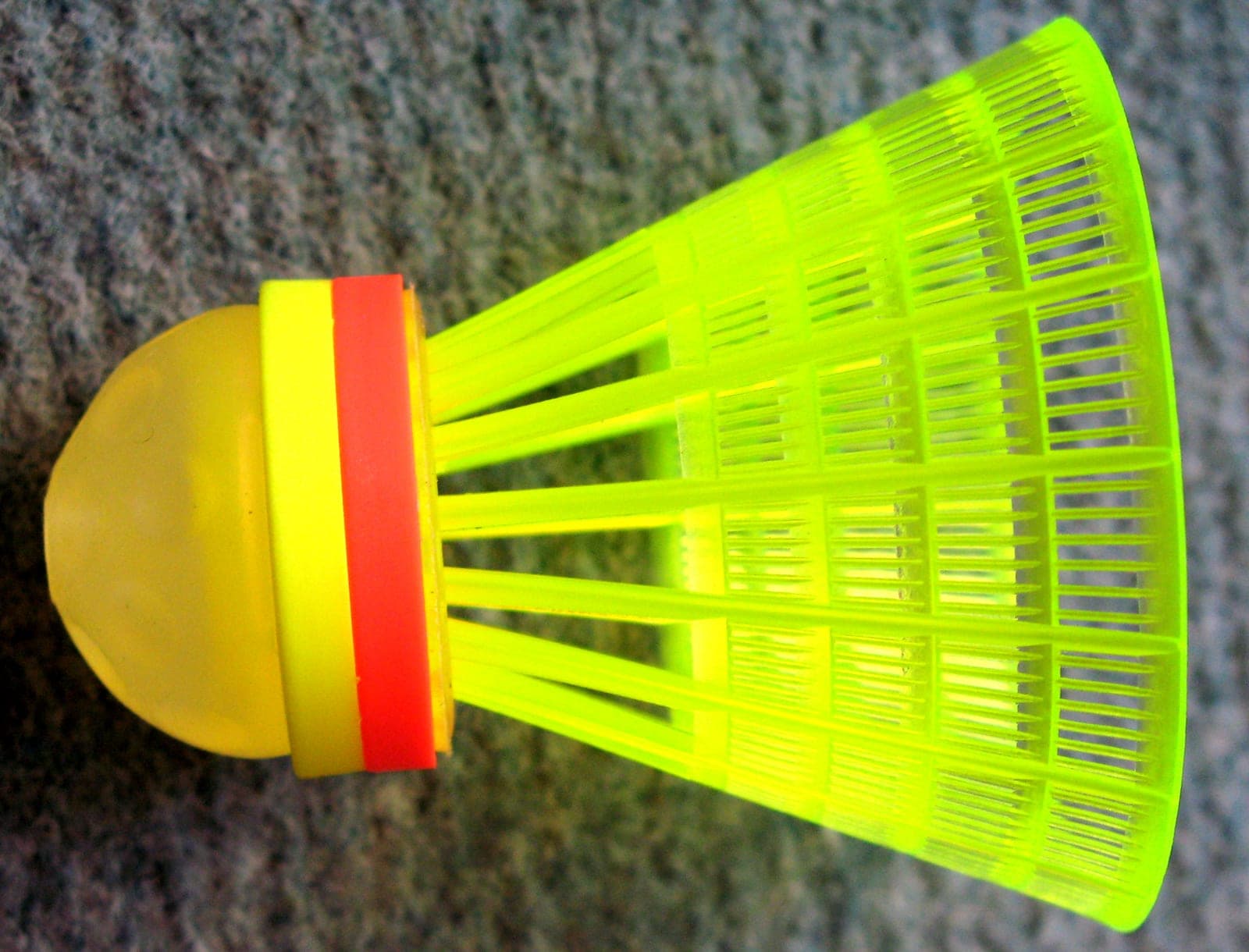
Badminton
A fast indoor racquet sport played with a shuttlecock that rewards agility and touch.
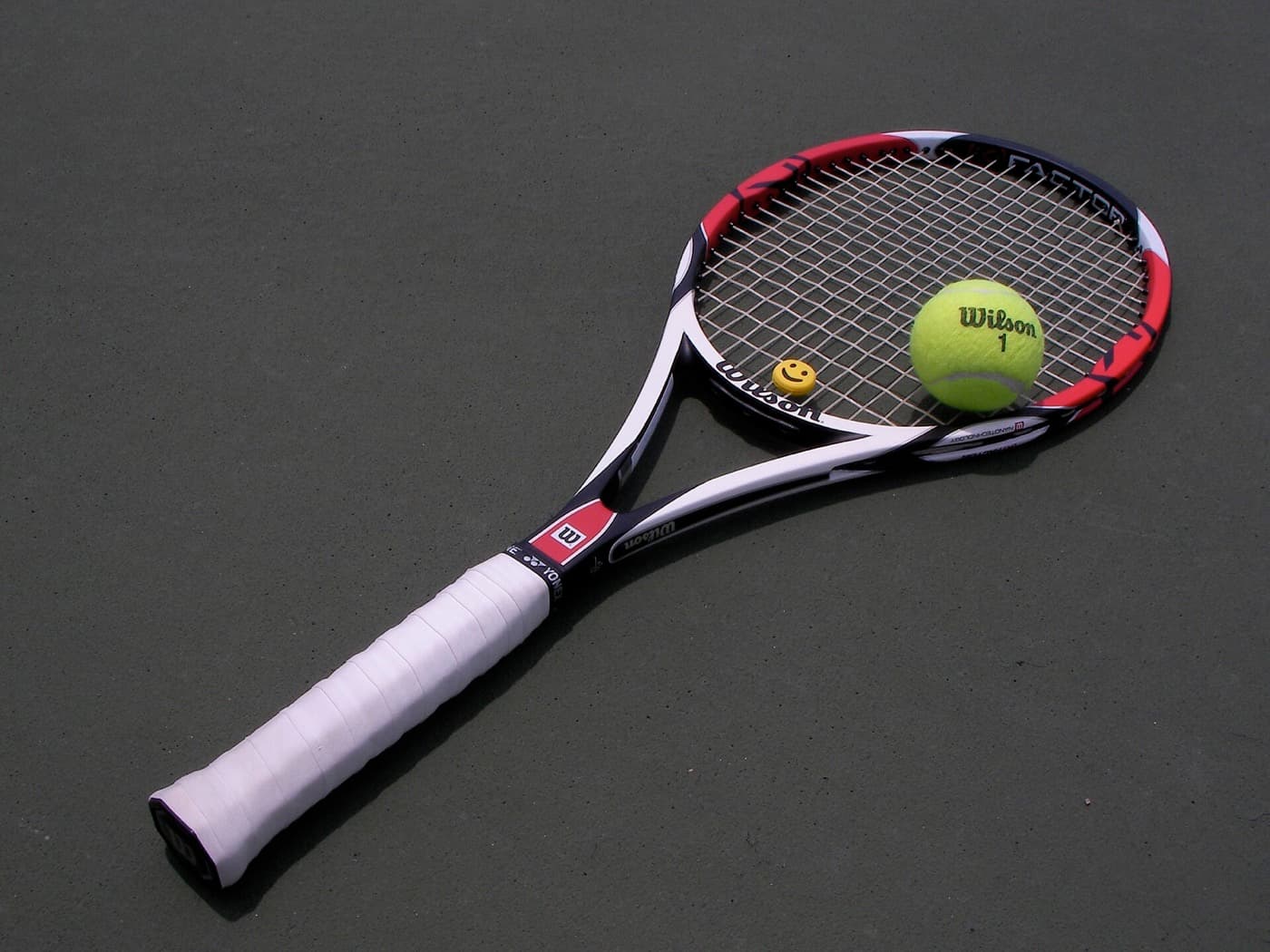
Tennis
A singles or doubles racquet sport that blends agility, strategy and stamina on court.
Football
The world’s most popular team sport — endless running, teamwork and community in one game.
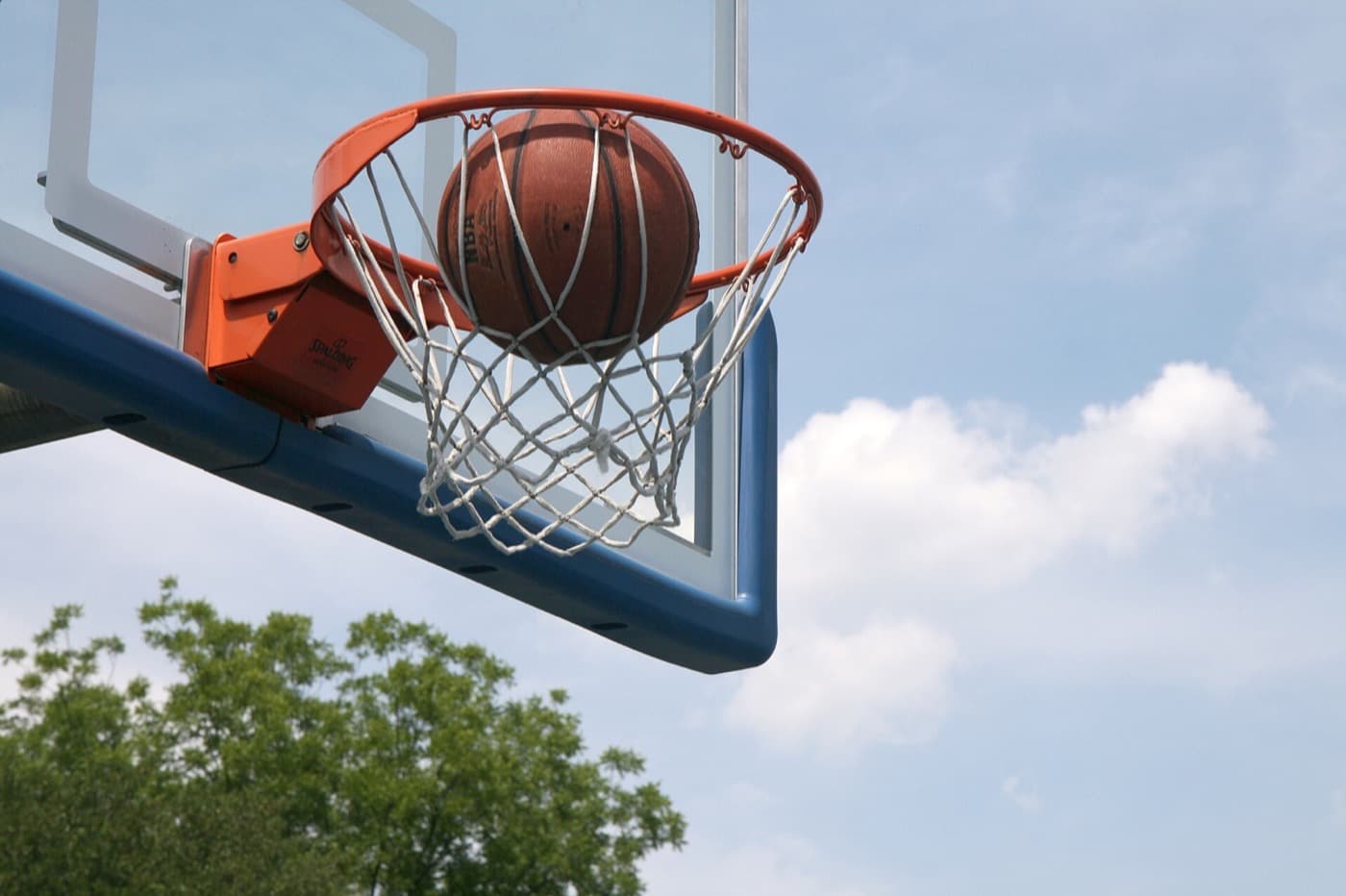
Basketball
A fast, dynamic team sport of running, jumping and quick decisions on court.

Running
The most accessible endurance sport — no venue, just shoes and the open road or trail.
Cycling
A low-impact endurance sport that doubles as transport, exercise and adventure.
Goals that fit
Build an active lifestyle
Make movement a natural, lasting part of daily life through activities and habits you genuinely enjoy.
Improve fitness
Build well-rounded fitness — stamina, strength and more — through regular, varied activity you can keep up.
Social activities
Use sport as a way to meet people, make friends and stay connected while staying active.
Build healthy habits
Using sport and routine to make regular activity a lasting part of everyday life.
Ways to train
Exercises and methods that fit — educational, not a prescription.
Wall sit
A holding exercise where you sit against a wall with no chair, holding a squat position still.
Step-up
A movement where you step up onto a raised platform one leg at a time and step back down.
Kettlebell swing
A dynamic hinge where you swing a kettlebell to shoulder height using a snap of the hips.
Push-up
A classic upper-body pushing exercise where you lower and press your body up from the floor.
Tricep dip
A pushing exercise where you lower and raise your body using your arms on parallel bars or a bench.
Pull-up
A vertical pulling exercise where you hang from a bar and pull your chin above it.
Frequently asked questions
What does it mean to be a recreational athlete?
It means playing regularly and wanting to be good, but for enjoyment, fitness and the social side rather than competition. The focus is on keeping it sustainable and fun, with a little structure to improve — without needing the intensity of competitive training unless you want it.
Explore across the knowledge base
Follow the threads that connect Recreational athletes to the rest of SocialSportHub.
Experience levels
Motivations
- To have funWhen enjoyment is the point, playful, varied and social sports keep you coming back — because the best activity is the one you look forward to.
- To stay healthyWhen health is the driver, regular, sustainable activity across fitness, strength and mobility supports an active life for the long term.
- To competeWhen the thrill of competition drives you, sports with clear contests, ladders and match play give you something to test yourself against.
Barriers
- Low motivationWhen motivation is hard to find, the fix is rarely more willpower — it is making the activity smaller, easier and more enjoyable so starting is simple.
- An unpredictable scheduleWhen no two weeks look the same, sport needs to be flexible and portable rather than tied to a fixed class time.
- No timeWhen your days are full, sport has to fit into small windows rather than replace them — short, flexible activity that adds up.
Healthy living
- Sports Nutrition BasicsA gentle introduction to fuelling an active body — the general ideas behind eating for energy, performance and recovery.
- Active recoveryGentle, easy movement on your off days — a relaxed way to keep the body moving while it recovers, instead of doing nothing.
- Weekend ActivityUsing the extra time at weekends to be active in ways that feel more like fun than exercise.
- Family Active TimeMaking activity something the whole household does together, so movement becomes a shared, everyday habit.
- Hydration basicsWhy staying hydrated matters for an active life, and simple, sensible habits to drink enough through the day.
Adaptive sports
- Adaptive rulesAdjustments to a sport's rules — such as how a ball may bounce or how play is signalled — that keep the game fair and playable for everyone.
- Disability and sportAn overview of how disabled people take part in sport — for health, enjoyment, community and competition — and the ideas that support inclusion.
- Ambulant Para SportsPara sports for athletes who compete standing or on foot — walking or running — rather than from a wheelchair or seated position.
How this page is maintained
- Content type
- For people like you
- Provenance
- Tier A — evergreen educational
- Verified external sources
- 0
- Content updated
- 2026-07-09
Evergreen, first-party explanation — it makes no claim that needs an external source. How we handle sources and reviews.