
To stay healthy
When health is the driver, regular, sustainable activity across fitness, strength and mobility supports an active life for the long term.
Overview
Wanting to stay healthy — to keep fit, feel good and look after your body for the years ahead — is one of the most common reasons people are active. When health is the motivation, the priority is sustainability: regular activity you can keep doing, spread across the qualities that matter, rather than intense bursts that do not last.
A balanced picture usually mixes some cardio for the heart and lungs, some strength work, and some mobility. The specifics matter less than the consistency, and the best programme is one you will still be doing in a year. For guidance tailored to your health, a qualified professional is the right source.
What to look for
- Sustainable, regular activity beats intense bursts that do not last.
- A balanced mix covers cardio, strength and mobility.
- Consistency over time matters more than any single session.
- For personal health guidance, ask a qualified professional.
Getting started
- 1Pick activities you can realistically keep up long term.
- 2Aim for a mix of cardio, strength and mobility over a week.
- 3Start at a level that feels manageable and build slowly.
- 4Check with a professional if you have any health concerns.
Sports that deliver it
Great places to start — each with a clear, beginner-friendly guide.
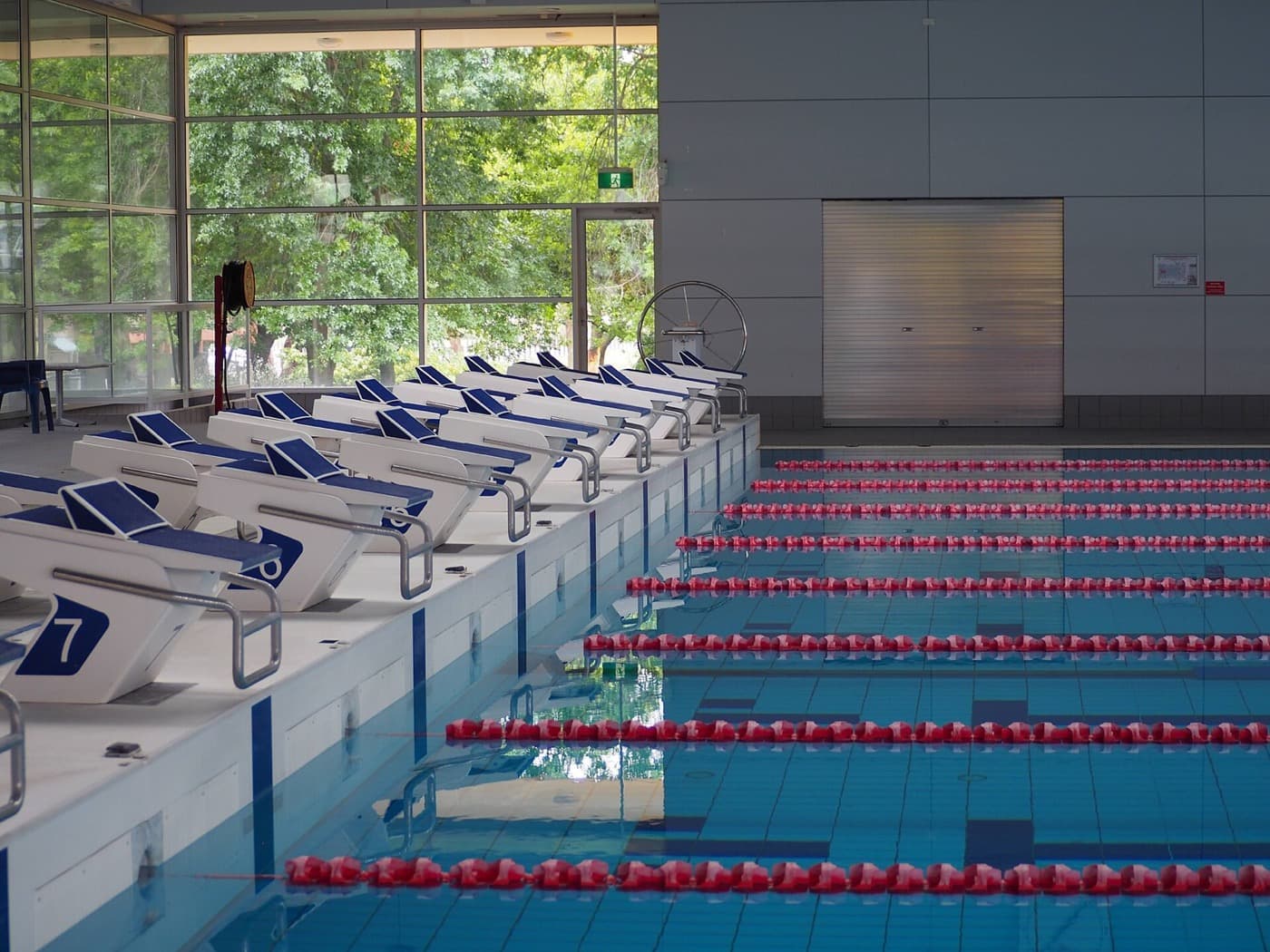
Swimming
A full-body, low-impact endurance sport suitable for almost every age and ability.
Cycling
A low-impact endurance sport that doubles as transport, exercise and adventure.

Running
The most accessible endurance sport — no venue, just shoes and the open road or trail.
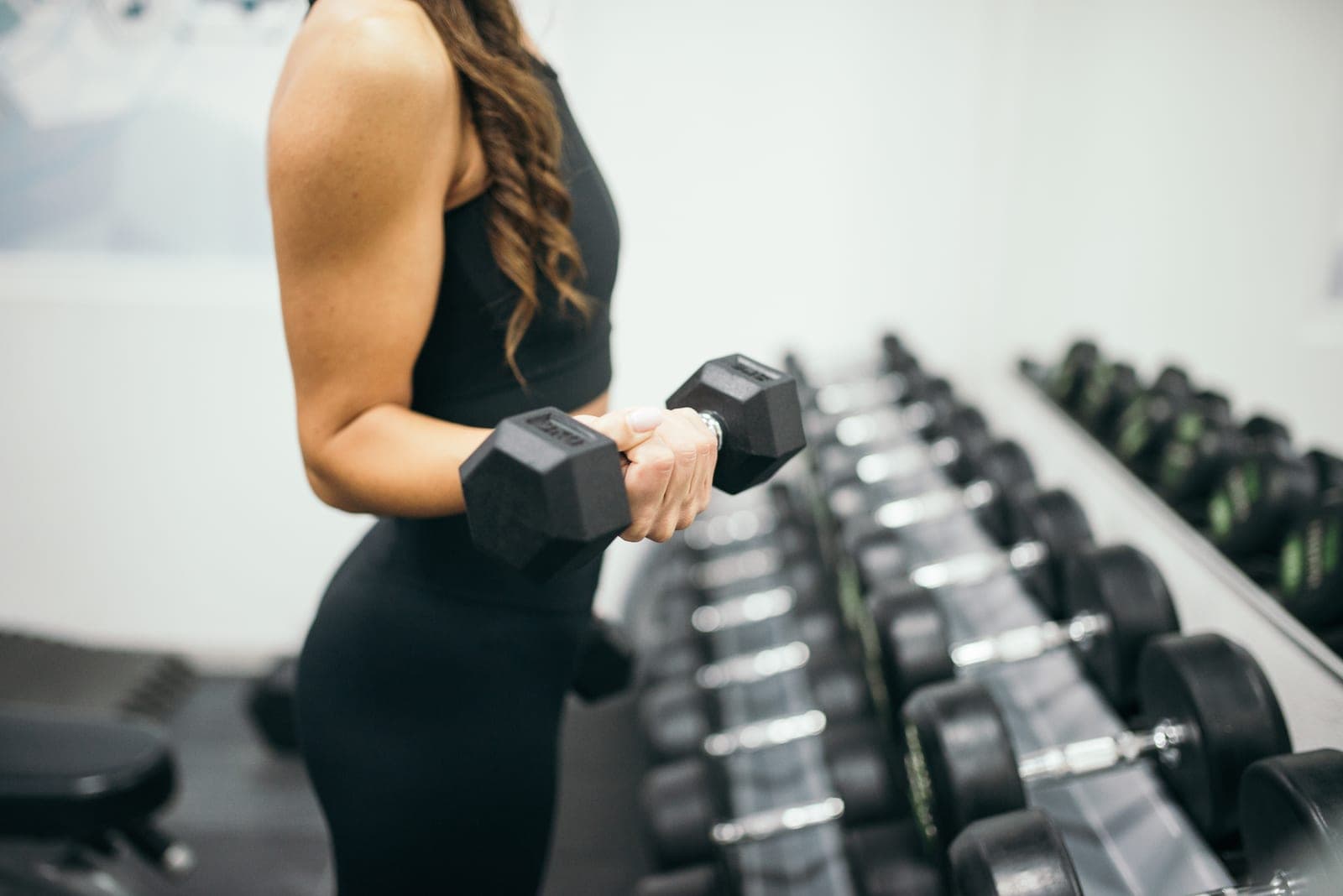
Fitness
Strength and general fitness training — the foundation that supports every other sport.
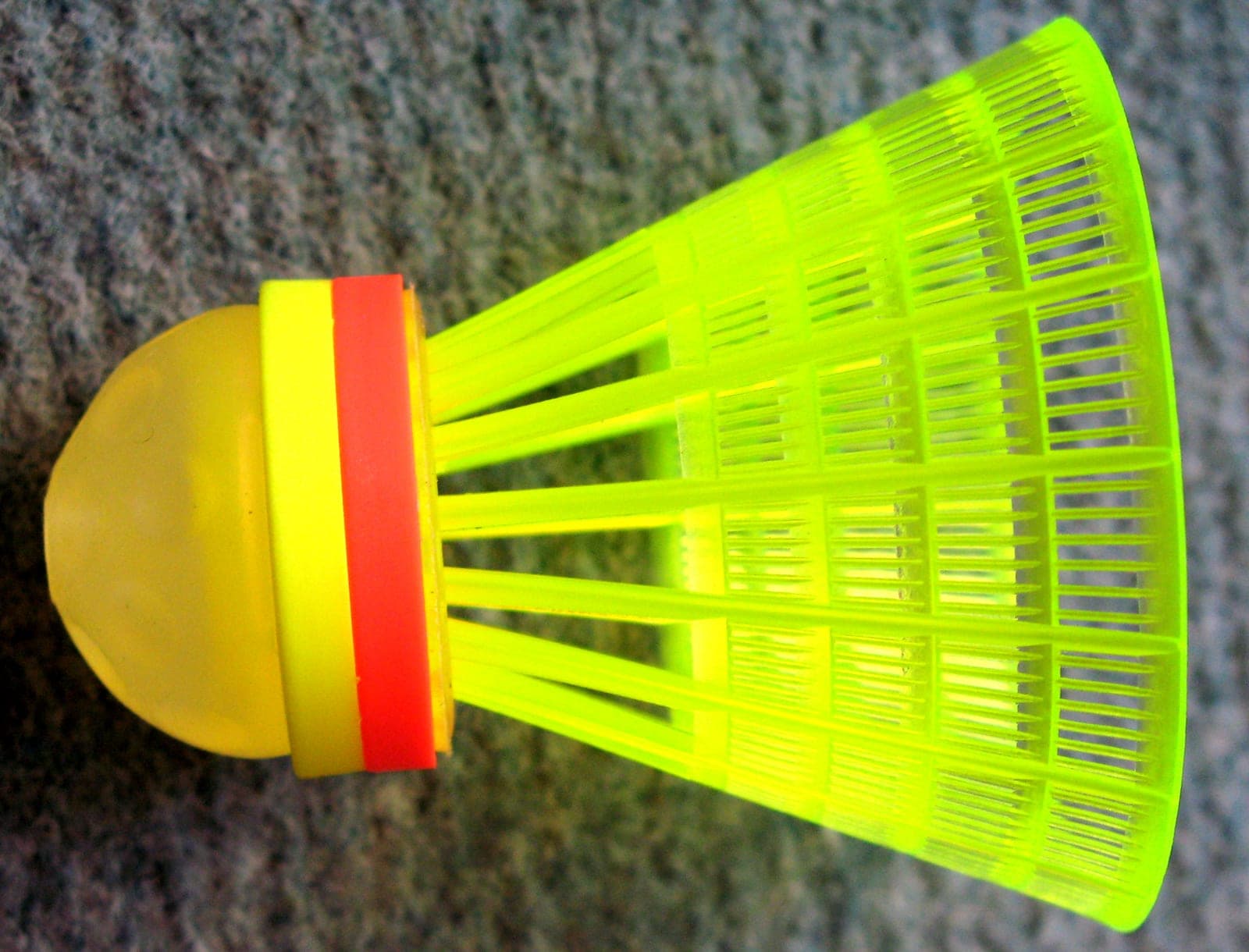
Badminton
A fast indoor racquet sport played with a shuttlecock that rewards agility and touch.
Goals that fit
Improve fitness
Build well-rounded fitness — stamina, strength and more — through regular, varied activity you can keep up.
Improve cardiovascular health
Regular activity is widely linked with supporting heart and circulatory health as part of a balanced routine.
Build an active lifestyle
Make movement a natural, lasting part of daily life through activities and habits you genuinely enjoy.
Healthy aging
Stay active, steady and independent as you get older with a sustainable mix of gentle cardio, strength and balance work.
Build healthy habits
Using sport and routine to make regular activity a lasting part of everyday life.
Ways to train
Exercises and methods that fit — educational, not a prescription.
Wall sit
A holding exercise where you sit against a wall with no chair, holding a squat position still.
Step-up
A movement where you step up onto a raised platform one leg at a time and step back down.
Kettlebell swing
A dynamic hinge where you swing a kettlebell to shoulder height using a snap of the hips.
Push-up
A classic upper-body pushing exercise where you lower and press your body up from the floor.
Tricep dip
A pushing exercise where you lower and raise your body using your arms on parallel bars or a bench.
Pull-up
A vertical pulling exercise where you hang from a bar and pull your chin above it.
Frequently asked questions
What kind of exercise is best for staying healthy?
A balanced mix of cardio, strength and mobility, done regularly, supports general health for most people — but the single most important factor is consistency you can sustain. For advice tailored to your own health, speak with a qualified professional.
Explore across the knowledge base
Follow the threads that connect To stay healthy to the rest of SocialSportHub.
People
- Remote workersHow sport can fit a work-from-home life — replacing the movement a commute used to provide and breaking up long spells at a home desk.
- Shift workersHow sport can fit irregular hours and changing sleep — portable, flexible activity that adapts to a rota rather than a fixed timetable.
- RetireesHow sport can fit newly free time in retirement — an opportunity to be active, social and purposeful, at a comfortable and well-guided pace.
- Recreational athletesHow the platform fits someone who plays regularly for enjoyment and fitness rather than competition — staying active, sociable and healthy through sport.
- Office workersHow sport can offset long hours of sitting and screen time to support mobility, energy and stress relief.
Lifestyle
- 10 minutesTen focused minutes is enough for a quick, worthwhile session — a short run, a compact circuit or a mobility routine.
- 20 minutesTwenty minutes is enough for a solid, focused workout — a proper run, an interval session or a full-body circuit.
- At the officeWays to stay active around a desk job — walking, mobility breaks and stretching that fit into a working day.
- 15 minutesShort, focused bursts of movement you can fit into a spare 15 minutes, with no long session required.
- In summerWarm-weather sport — water activities, early-morning sessions and outdoor games that make the most of long days.
Barriers
- No timeWhen your days are full, sport has to fit into small windows rather than replace them — short, flexible activity that adds up.
- Sitting all dayWhen work keeps you at a desk, the priority is breaking up long sitting and adding movement around the working day.
- Nothing nearbyWhen there is no local club or facility, self-directed and home-based activity — plus a wider search — keeps sport within reach.
- Worried about costWhen money is tight, free and low-cost activity — walking, running, bodyweight training — proves that sport does not have to be expensive.
- Limited mobilityWhen movement is limited, gentle, adaptable activity may still be possible — but personal guidance from a qualified professional should come first.
Healthy living
- Morning MovementA little gentle activity early in the day to wake the body up and start on a positive note.
- Outdoor LifestyleChoosing to spend more of your active time outside, where fresh air and surroundings make movement more enjoyable.
- Sleep BasicsA calm introduction to why sleep matters and how it quietly supports almost everything else in a healthy, active life.
- Sleep HygieneThe everyday habits and surroundings that make good sleep more likely — a calmer room, steadier timing and gentler evenings.
- Exercise and SleepThe two-way link between staying active and sleeping well — how movement can help rest, and how rest fuels movement.
How this page is maintained
- Content type
- Your why
- Provenance
- Tier A — evergreen educational
- Verified external sources
- 0
- Content updated
- 2026-07-09
Evergreen, first-party explanation — it makes no claim that needs an external source. How we handle sources and reviews.