
Conditioning session
A session built around physical conditioning — developing the fitness qualities a sport draws on, rather than its skills or tactics.
Overview
A conditioning session focuses on the physical side of performance — qualities such as endurance, speed, strength or the ability to repeat efforts — rather than on technique or tactics. The idea is to prepare the body for the demands of a sport, so those demands feel more manageable when they matter.
What conditioning involves varies enormously by sport, level, individual and coach, and amounts that suit one person can be wrong for another, so this stays deliberately general with no set loads or durations. Building fitness sensibly and progressively is a job for a qualified coach or trainer, and anything that causes pain is a reason to check with a professional.
Purpose & structure
- Built around physical qualities — endurance, speed, strength, repeat-effort capacity — rather than skills or tactics.
- Often draws on methods like interval, circuit, steady-state or cross-training, chosen to fit the sport's demands.
- Tends to sit within a wider plan, balanced against skill work, harder days and rest.
- Appropriate intensity and amounts are highly individual — there is no universal number that fits everyone.
- Conventions vary by sport, level and coach; this is the concept, not a prescription.
Who it’s for
- People wanting to build the fitness their sport draws on, alongside their skill work.
- Beginners, ideally starting gently and progressing gradually under qualified guidance.
- It supports performance, but does not replace a coach or trainer's programming — or medical advice for anything painful.
A format, not a plan
Sports it suits

Running
The most accessible endurance sport — no venue, just shoes and the open road or trail.
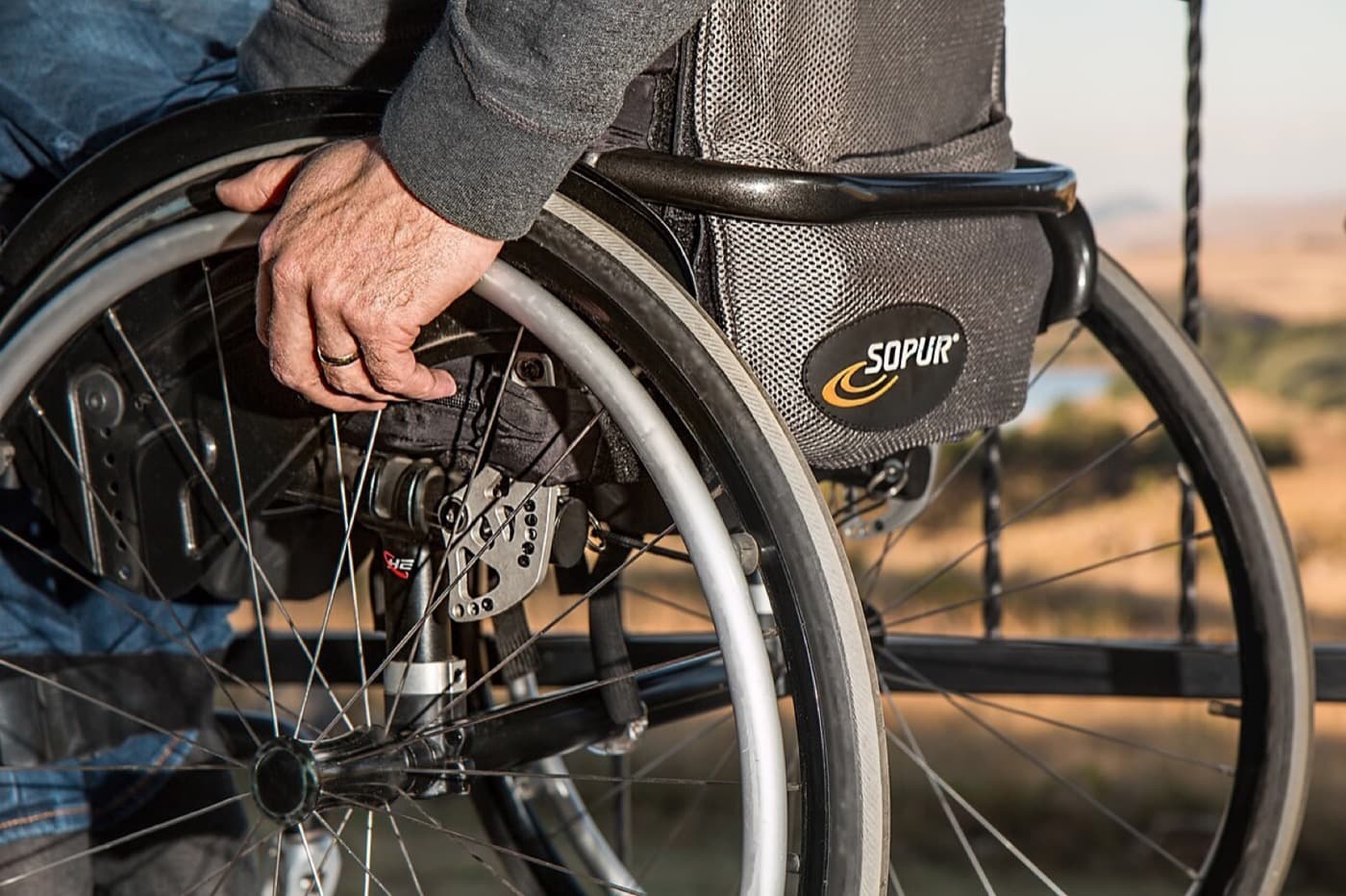
Cycling
A low-impact endurance sport that doubles as transport, exercise and adventure.

Swimming
A full-body, low-impact endurance sport suitable for almost every age and ability.
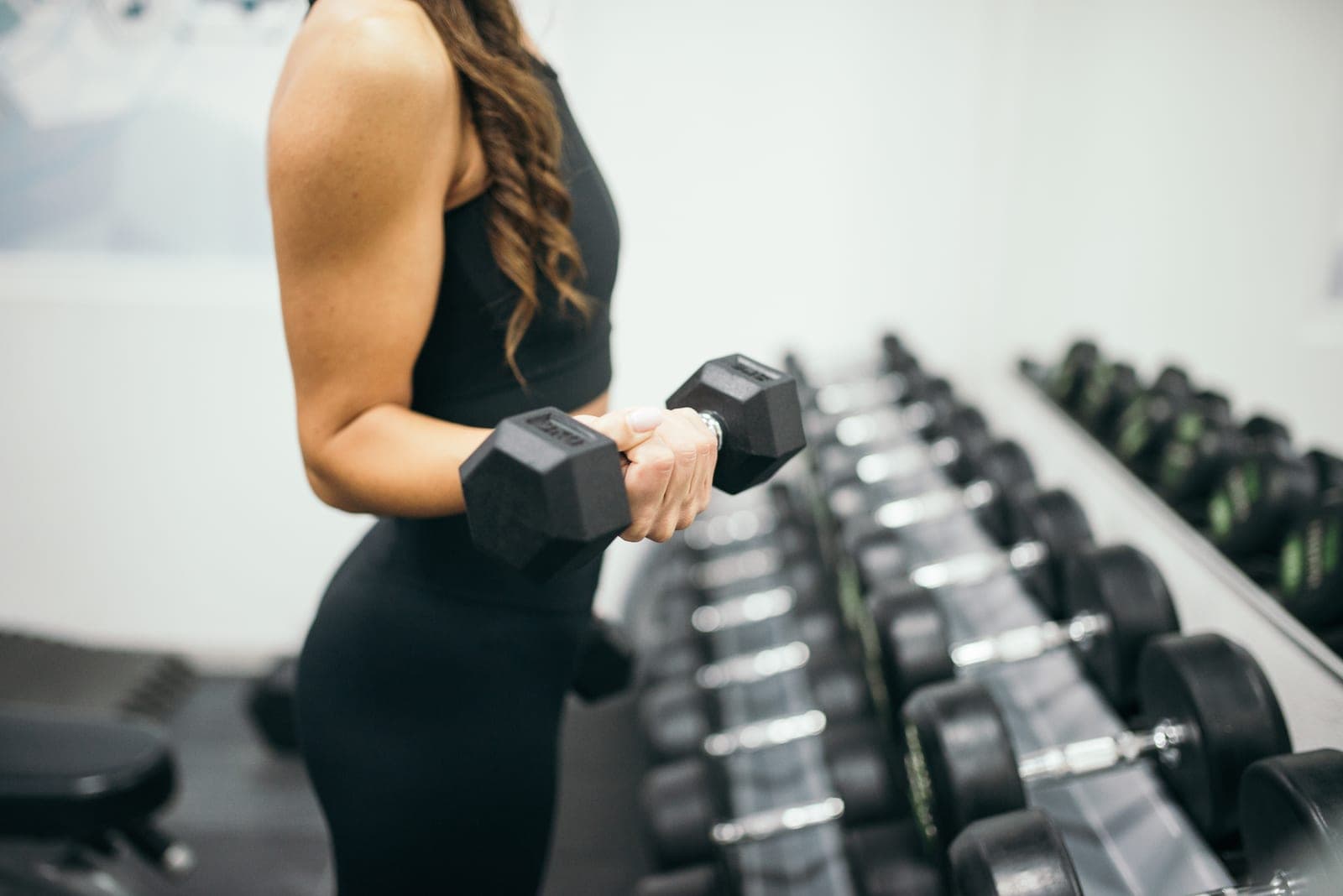
Fitness
Strength and general fitness training — the foundation that supports every other sport.
Frequently asked questions
What is a conditioning session?
It is a session focused on building the physical qualities a sport relies on — such as endurance, speed or strength — rather than on technique or tactics. How much and how hard is very individual, so this is a general explanation rather than a plan; a qualified coach or trainer is the right person to set the specifics, and anything painful should be checked with a professional.
Explore across the knowledge base
Follow the threads that connect Conditioning session to the rest of SocialSportHub.
Training methods
- Interval TrainingInterval training alternates short bursts of harder effort with easier recovery periods, letting you accumulate more quality work than a single continuous push.
- Circuit TrainingCircuit training moves you through a series of stations back to back with little rest, blending strength and cardio into one time-efficient session.
- Steady-State CardioSteady-state cardio means holding one comfortable, continuous pace for the whole session, building an aerobic base without the peaks of interval work.
- Cross-TrainingCross-training mixes different activities into your routine so you build all-round fitness and give repeatedly-used muscles a change of stimulus.
- PlyometricsPlyometrics are jumping and bounding drills that train muscles to produce force quickly, developing power and springiness through explosive movement.
Learning paths
- Learn TennisA structured, educational learning path for tennis — from the rules to skills, techniques, tactics and training.
- Learn FootballA structured, educational learning path for football — from the rules to skills, techniques, tactics and training.
- Learn RunningA structured, educational learning path for running — from the rules to skills, techniques, tactics and training.
- Learn BasketballA structured, educational learning path for basketball — from the rules to skills, techniques, tactics and training.
- Learn SwimmingA structured, educational learning path for swimming — from the rules to skills, techniques, tactics and training.
Tactics
- Point constructionHow tennis points are built rather than won — the neutral, attacking and defensive positions, what each one permits, and why most errors come from playing the wrong shot for the position.
- Zone defenceA defensive system where each player guards an area of the court rather than a specific opponent.
- Baseline playA patient tennis style built around rallying from the back of the court and constructing points with groundstrokes.
- Rugby union set-piece strategyWhy the scrum and lineout are attacking platforms rather than restarts — how a set piece fixes defenders in known positions, and what a team is buying when it chooses one over a kick.
Beginner guides
- Your First Fitness Session: What to Expect and How to Enjoy ItA friendly, no-pressure guide to walking into your first fitness session at a gym or studio, so you know what happens and can focus on moving well rather than lifting heavy.
- Your First Cycling Session: What to ExpectA first cycling session is usually a relaxed introduction to getting comfortable on the bike — finding your balance, pedalling smoothly, steering, and stopping safely — at a pace that suits you rather than a test of fitness or speed.
- Your First Volleyball Session: What to ExpectA warm, honest guide to what actually happens at your first volleyball session, so you can turn up relaxed, join in, and enjoy the rallies rather than worry about getting everything right.
How this page is maintained
- Content type
- Session type
- Provenance
- Tier A — evergreen educational
- Verified external sources
- 0
- Content updated
- 2026-07-12
Evergreen, first-party explanation — it makes no claim that needs an external source. How we handle sources and reviews.