
Coached session
A session led by a coach, who sets the focus, gives feedback and shapes the practice around what you need.
Overview
A coached session is one led by a qualified coach rather than done alone. The coach decides what to work on, structures the time, watches closely and gives feedback — which is exactly what makes this format so valuable for learning: an experienced eye can spot what you cannot, and adjust the practice as you go.
Sessions vary enormously with the sport, the level and the coach, so there is no single template. What they share is guidance: someone whose job is to help you improve safely and enjoyably. For hands-on development, a coached session gives you guidance an experienced eye can provide — this page describes the idea, not a plan.
Purpose & structure
- Led by a coach who sets the focus, structures the time and gives feedback.
- The coach can see and correct what a player cannot notice for themselves.
- The practice is adjusted live to suit the individual or group.
- Structure varies widely by sport, level and coach — there is no single template.
Who it’s for
- Anyone wanting to learn faster or fix something specific, at any level.
- Beginners especially, who benefit from good habits and safe technique early.
- It complements, and does not replace, your own practice between sessions.
A format, not a plan
Sports it suits
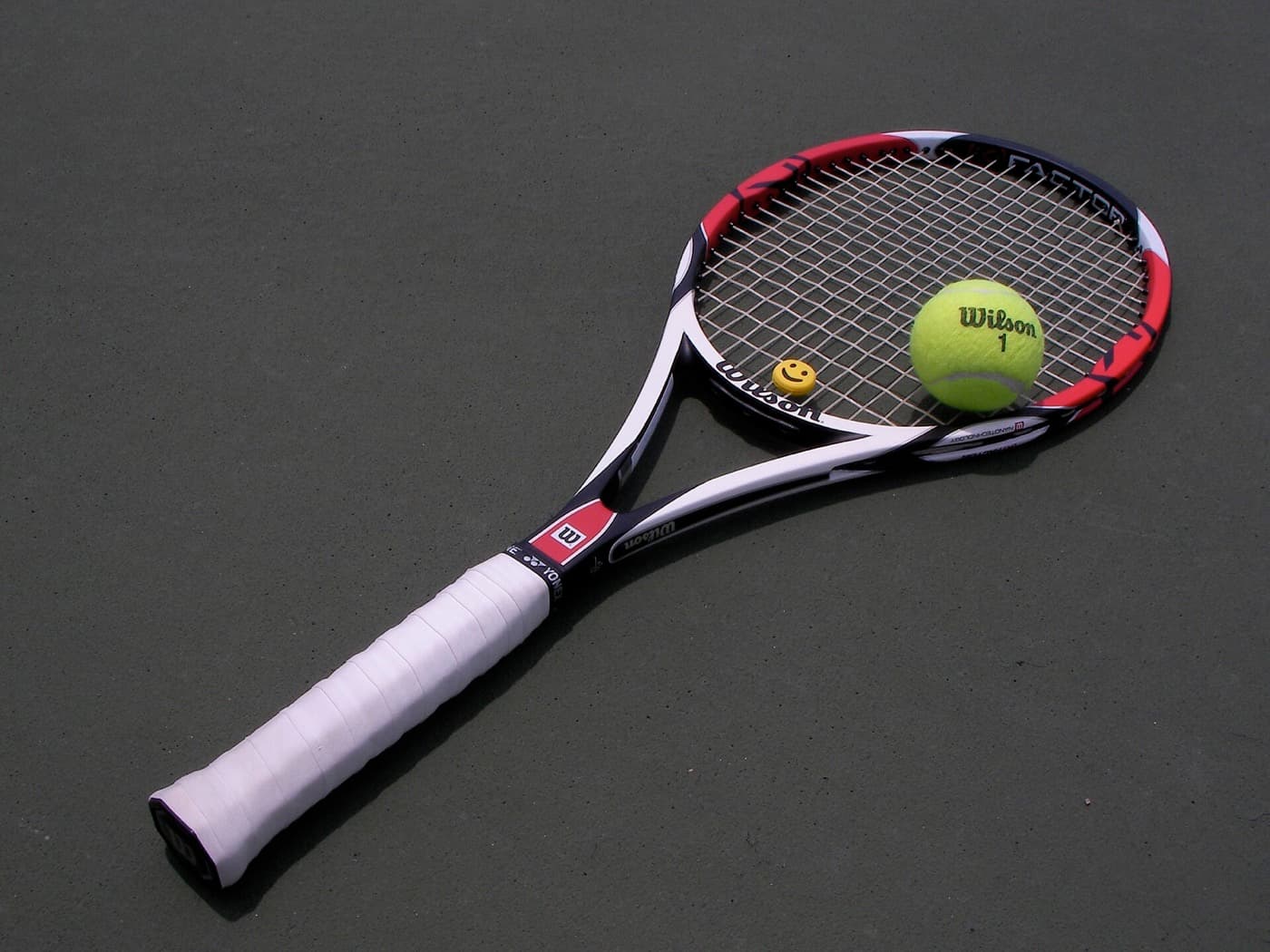
Tennis
A singles or doubles racquet sport that blends agility, strategy and stamina on court.

Football
The world’s most popular team sport — endless running, teamwork and community in one game.

Swimming
A full-body, low-impact endurance sport suitable for almost every age and ability.
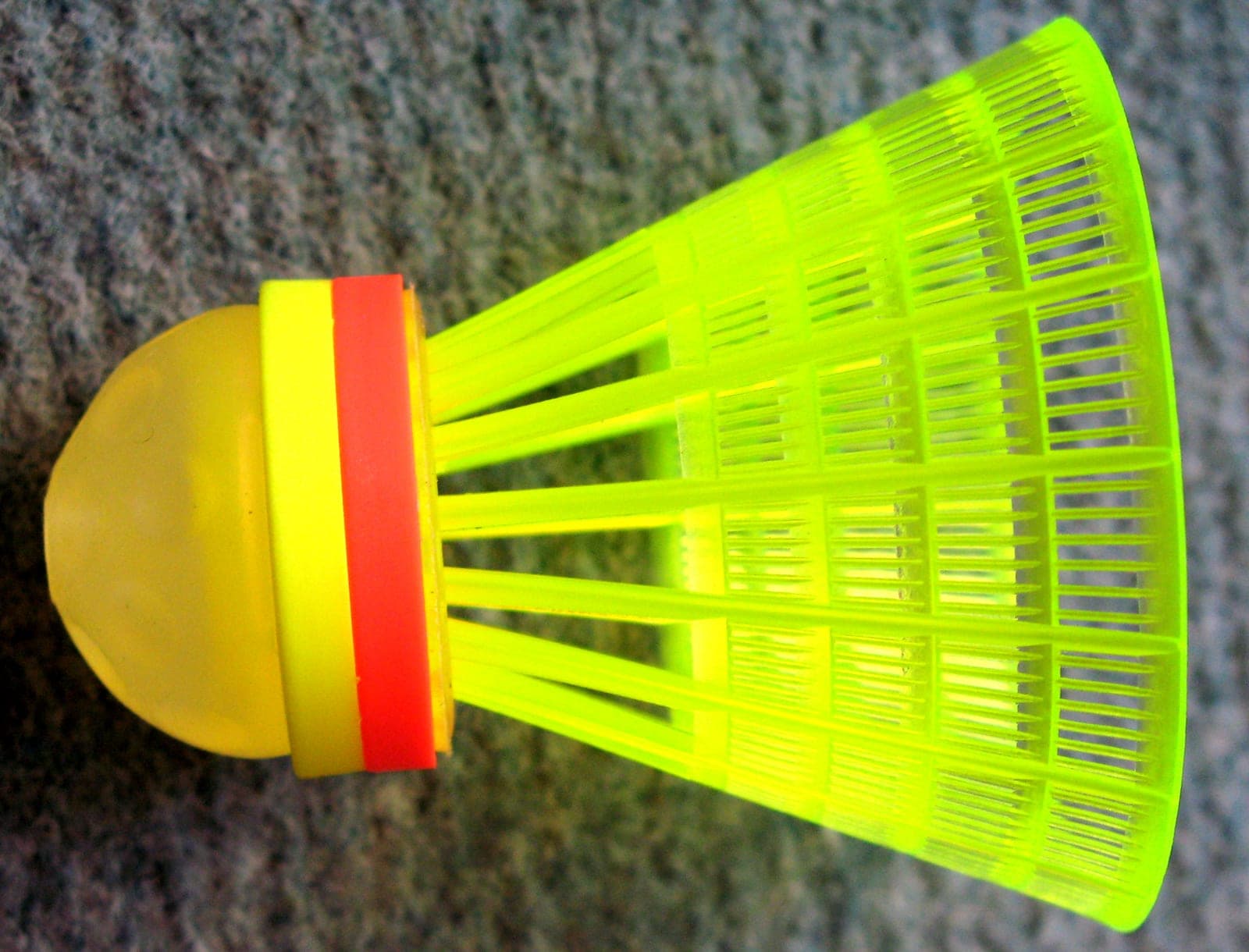
Badminton
A fast indoor racquet sport played with a shuttlecock that rewards agility and touch.
Frequently asked questions
What happens in a coached session?
A coach sets the focus, structures the time, watches closely and gives feedback, adjusting the practice to what you need. The exact shape varies by sport, level and coach, but the value is the guidance — an experienced eye that helps you improve safely. It is a format, not a fixed plan.
Explore across the knowledge base
Follow the threads that connect Coached session to the rest of SocialSportHub.
Coaching concepts
- Feedback and CueingFeedback from your senses, a coach, or video plus short instructional cues guide skill learning — including internal vs external focus of attention.
- Session StructureHow a practice session is organised into phases — warm-up, main focus, game application and cool-down — so time is used well and learning sticks.
- Constraints-Led PracticeA coaching approach that adjusts the task, environment or rules so a desired movement or decision emerges in practice, rather than being explicitly instructed.
- Deliberate PracticeFocused, effortful practice that targets a specific weakness with full attention and immediate feedback — not just repeating what you already do well.
- Skill acquisitionHow a movement or sports skill is learned — progressing from conscious, effortful control to smooth, largely automatic execution through practice and feedback.
Sports communication
- Coach-to-player feedbackHow a coach shares usable information with a player about what they did and what to try next — usually specific, well timed and focused on one thing at a time.
- Active listeningGenuinely taking in what a teammate or coach is communicating — not just hearing it — so the message actually lands.
- Teammate feedbackPlayers giving each other useful, respectful feedback as peers — encouragement, quick corrections and honest reads — distinct from a coach's feedback.
- Player-to-coach communicationHow a player shares information back to a coach — questions, how something felt, or a heads-up about availability — so coaching becomes a two-way exchange.
Knowledge Atlas
Experience levels
Training methods
- PeriodisationPeriodisation is the practice of organising training into phases across weeks and months, varying the focus so you build steadily and peak at the right time.
- Strength TrainingStrength training uses resistance — bodyweight, bands or weights — to challenge your muscles so they gradually adapt and get stronger over time.
How this page is maintained
- Content type
- Session type
- Provenance
- Tier A — evergreen educational
- Verified external sources
- 0
- Content updated
- 2026-07-12
Evergreen, first-party explanation — it makes no claim that needs an external source. How we handle sources and reviews.