
Badminton serve rules
The rules for how a badminton serve must be delivered and where it must land.
Overview
A badminton serve must be hit underarm with the shuttle struck from below a fixed height near waist level, so it cannot be smashed downward. Both the server and receiver stand within their diagonal service courts, and the serve must travel diagonally into the opposite service court.
The correct service court depends on the server's score, alternating between the right and left courts. A serve that lands outside the diagonal service box, or is struck too high, is a fault.
Key points
- The shuttle must be struck underarm from below a fixed height.
- The serve travels diagonally into the opposite service court.
- The service court used depends on the server's score.
- Serving too high or into the wrong court is a fault.
Where it’s used
Sports that use badminton serve rules:
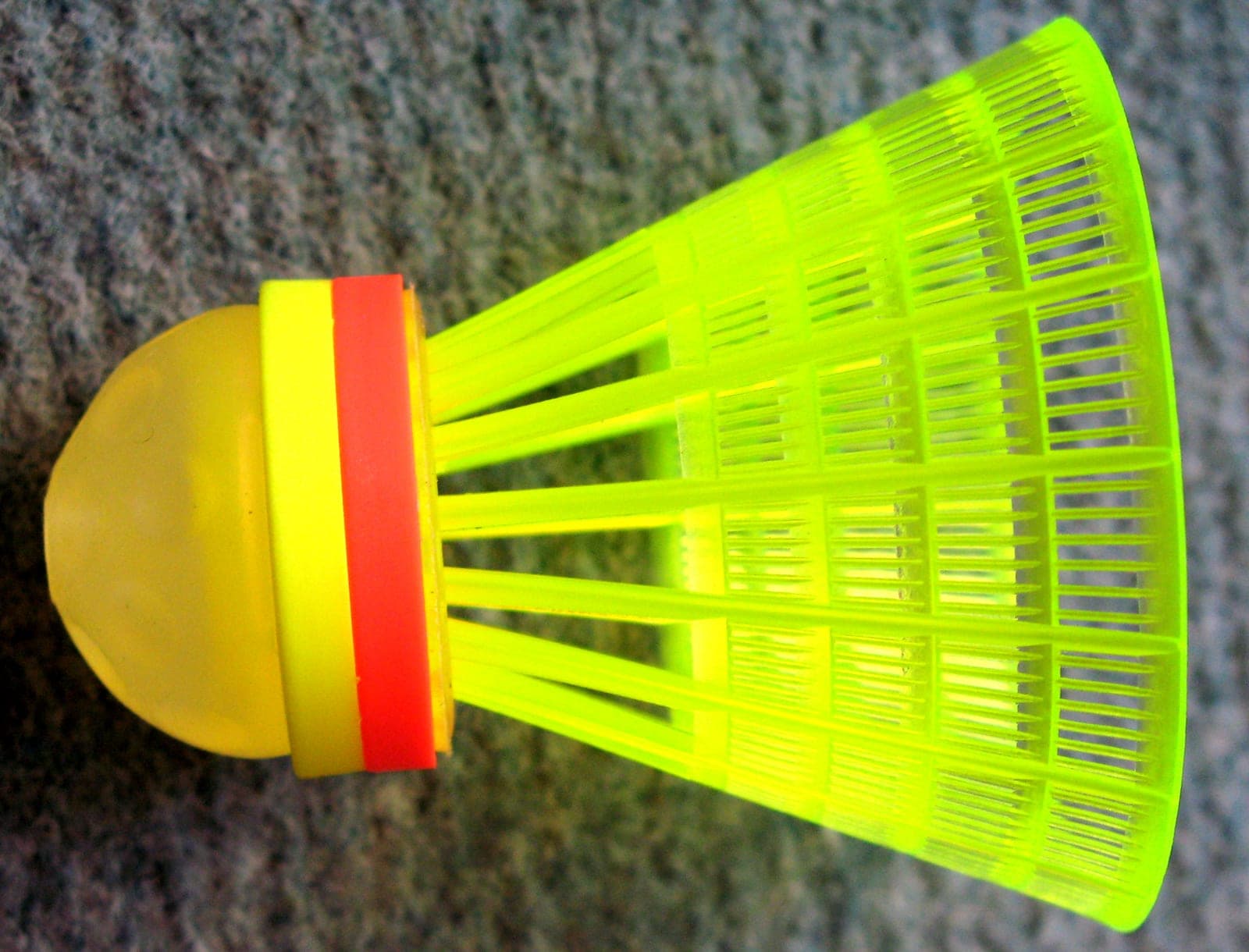
How it connects
The meaning-bearing relationships that place Badminton serve rules in the wider knowledge graph — each one with the reason it exists.
Frequently learned together
Taught side by side in the same stage of a learning path.
Explore across the knowledge base
Follow the threads that connect Badminton serve rules to the rest of SocialSportHub.
Scoring systems
- Badminton scoringBadminton uses rally scoring to 21 points per game, with matches decided over the best of three games.
- Table tennis scoring and service orderHow games and matches are won — 11 points with a two-point margin, service changing every two points, and the expedite system that stops a game lasting forever.
Officiating
- UmpireA match official who rules on lines, serves and dismissals in racket, bat-and-ball and net sports such as tennis, cricket and baseball — and, in racket sports, also keeps the running score.
- Line JudgeA boundary-line official who calls whether the ball or player is in or out and flags foot faults, working under the head referee across many sports.
Techniques
- Table tennis serve techniqueHow to serve legally and still create an advantage — generating spin within the rules, keeping the ball short, and why disguise must come from contact rather than concealment.
- Tennis ServeThe overhead stroke that starts every point, hit from behind the baseline into the diagonally opposite service box.
- The return of serveTennis's most under-coached shot — where to stand against a first and second serve, why blocking beats swinging, and what the Rules allow a returner to do.
- Rugby union tackling techniqueHow a tackle is made safely and legally — where to place the head and shoulder, the height the Laws require, and why technique is a safety question before it is a performance one.
Go deeper with Badminton serve rules
Everywhere else on the platform that covers Badminton serve rules — assembled from what actually references it, so nothing here is a dead end.
Learn it
Structured courses and paths on the platform that cover this directly.
Take it away
Open data and the whole-platform view of this subject.
How this page is maintained
- Content type
- Rule
- Provenance
- Tier A — evergreen educational
- Verified external sources
- 0
- Content updated
- 2026-09-12
Evergreen, first-party explanation — it makes no claim that needs an external source. How we handle sources and reviews.