
Touching the net
A net-play rule that penalises a player for contacting the net during a rally in net-divided sports.
Overview
In volleyball, badminton and tennis the net separates the two sides and players are not allowed to touch it while the ball or shuttle is in play. Contact with the net during an action, or reaching over it illegally, is a fault that hands the point to the opposition.
The exact wording varies: volleyball penalises net contact that interferes with play, while tennis and badminton forbid touching the net at all during a point. The shared purpose is to keep the barrier neutral between the two sides.
Key points
- Players may not touch the net while the ball or shuttle is in play.
- Reaching across the net to play the ball is generally not allowed.
- The offence gives the point to the other side.
- The precise rule wording differs between volleyball, badminton and tennis.
Where it’s used
Sports that use touching the net:
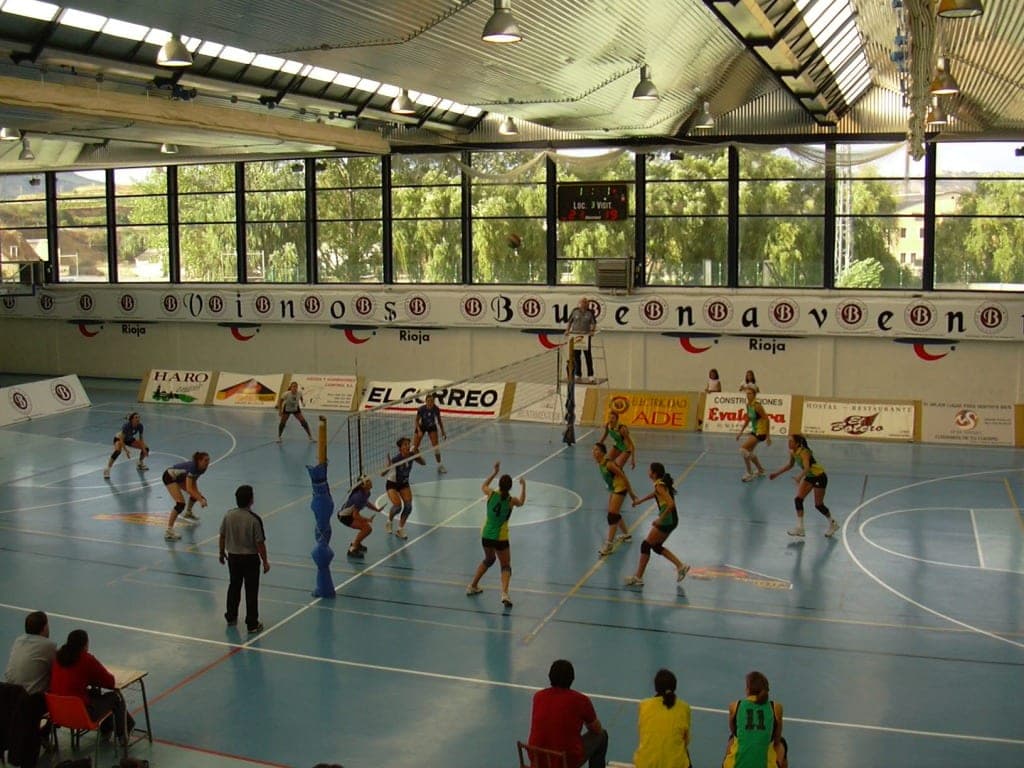
Volleyball
A non-contact team sport of rallies, jumps and teamwork — indoors or on the beach.
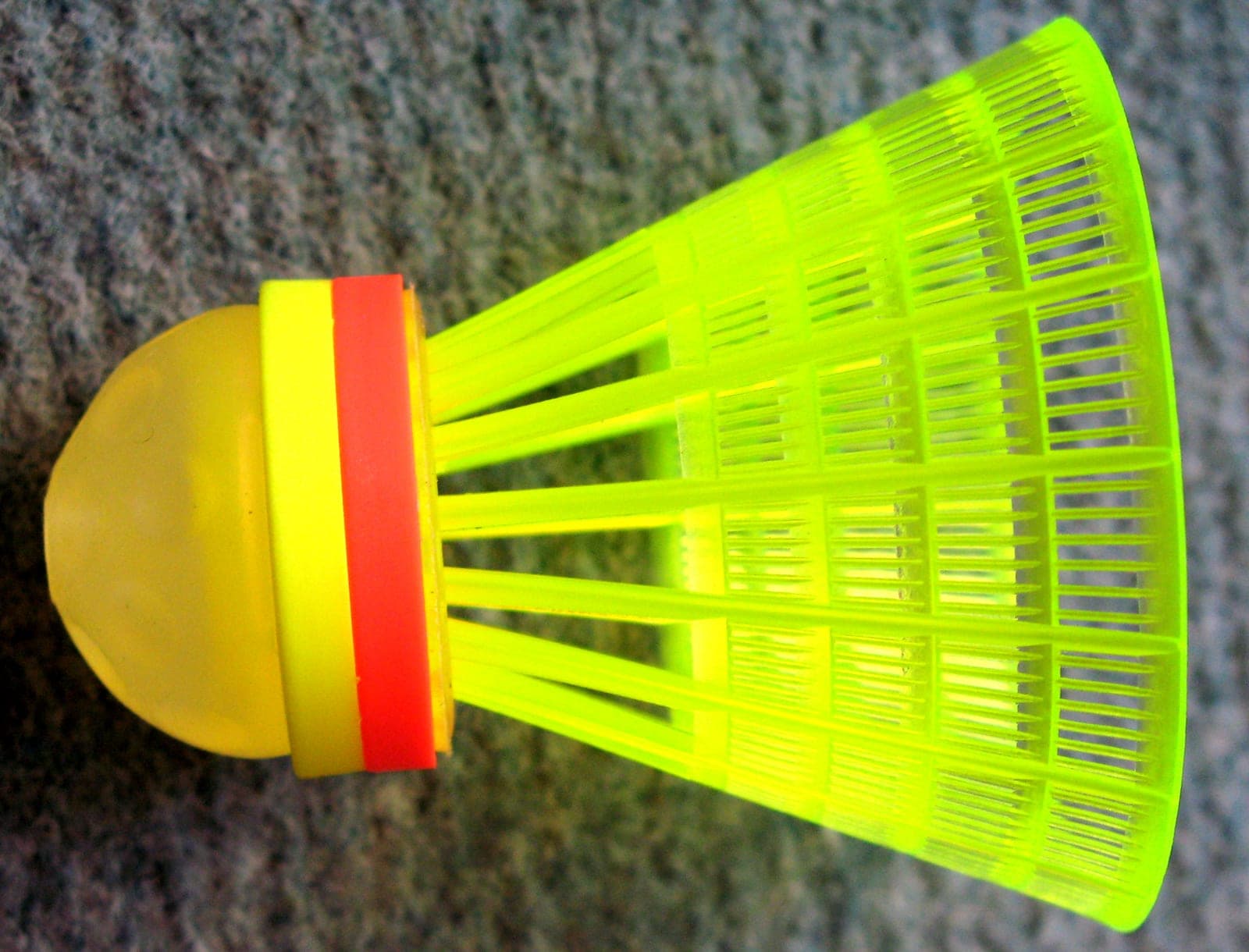
Badminton
A fast indoor racquet sport played with a shuttlecock that rewards agility and touch.
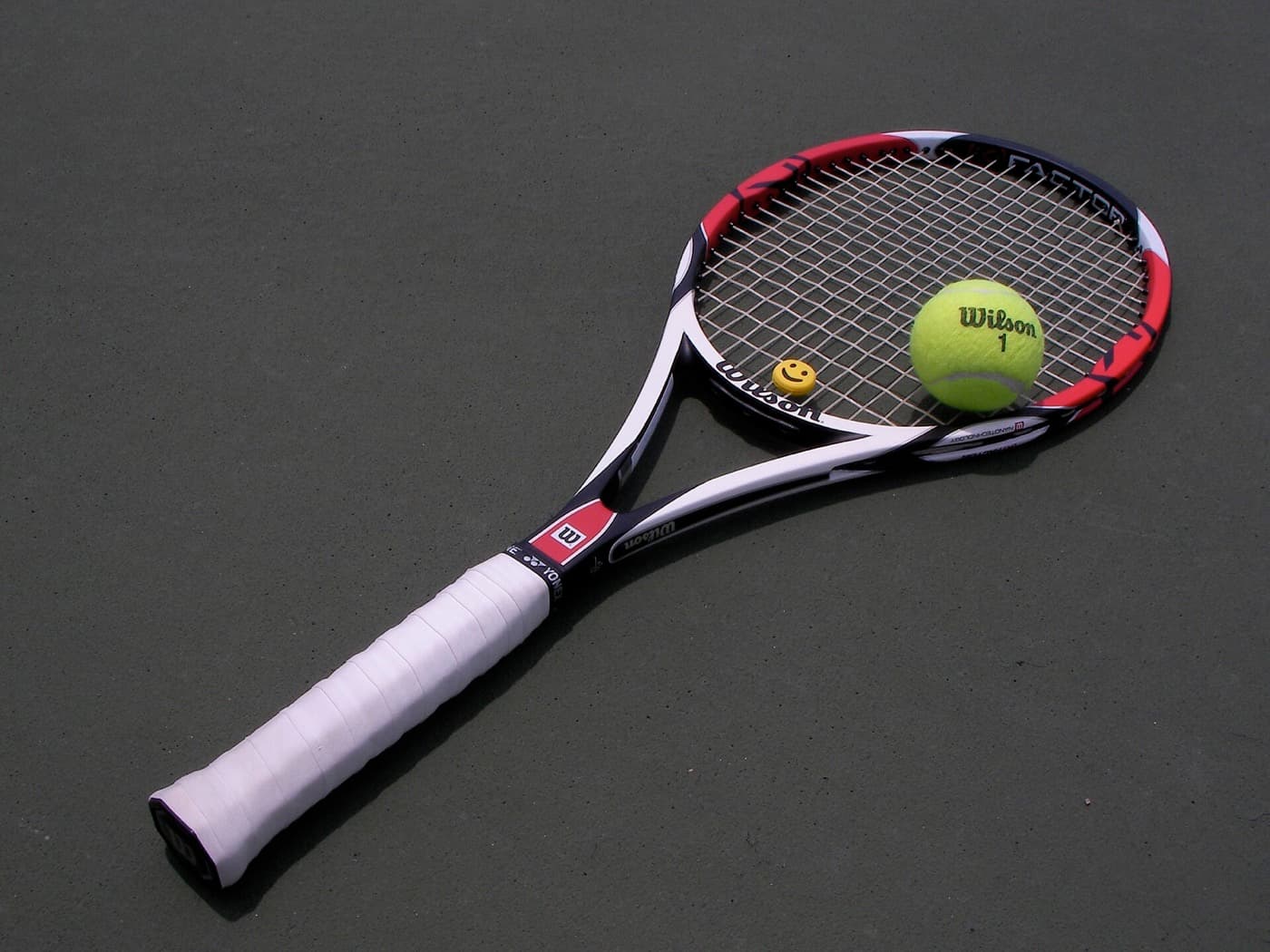
Tennis
A singles or doubles racquet sport that blends agility, strategy and stamina on court.
Related rules
Out of bounds
The rule that a ball or player leaving the marked playing area is out of play and possession is decided at the boundary.
Tennis serving rules
The rules governing how a tennis point begins, including where the server stands and where the serve must land.
Foot fault
A serving fault called when the server's foot touches the baseline or court before striking the ball.
How it connects
The meaning-bearing relationships that place Touching the net in the wider knowledge graph — each one with the reason it exists.
Frequently learned together
Taught side by side in the same stage of a learning path.
- Tennis serving rulesBoth are taught in the “Get to know the game” stage of the Tennis learning path.
- Foot faultBoth are taught in the “Get to know the game” stage of the Tennis learning path.
- LetBoth are taught in the “Get to know the game” stage of the Tennis learning path.
- Hindrance, lets and permanent fixturesBoth are taught in the “Get to know the game” stage of the Tennis learning path.
- Continuous play and the time between pointsBoth are taught in the “Get to know the game” stage of the Tennis learning path.
Explore across the knowledge base
Follow the threads that connect Touching the net to the rest of SocialSportHub.
Scoring systems
Officiating
- UmpireA match official who rules on lines, serves and dismissals in racket, bat-and-ball and net sports such as tennis, cricket and baseball — and, in racket sports, also keeps the running score.
- Penalty SignalA standardized hand or flag signal an official uses to announce a foul, penalty, or restart so players, teammates, and spectators can read the call.
- Line JudgeA boundary-line official who calls whether the ball or player is in or out and flags foot faults, working under the head referee across many sports.
- RefereeThe primary on-field official who enforces the rules, controls play, penalises fouls, awards restarts, and blows the whistle to start and stop a match.
Tactics
- Net playControlling the point from close to the net with volleys, smashes and touch shots to cut down an opponent’s time.
- Crosscourt and down the lineThe geometry that makes crosscourt the default tennis shot — the net is lower in the middle and the court is longer on the diagonal — and when down the line is worth its extra risk.
Positions
- Middle blockerThe middle blocker plays in the centre of the net, leading the team’s blocking and attacking with fast, quick sets.
- Outside hitterThe outside hitter attacks from the left side of the net and is often a volleyball team’s main scoring option.
- OppositeThe opposite is a volleyball attacker who plays on the right side of the net, opposite the setter in the rotation, and is often a key scorer.
- LiberoThe libero is a defensive volleyball specialist who wears a contrasting shirt, plays only in the back row, and cannot attack the ball above the height of the net.
Learning paths
- Learn TennisA structured, educational learning path for tennis — from the rules to skills, techniques, tactics and training.
- Learn BadmintonA structured, educational learning path for badminton — from the rules to skills, techniques, tactics and training.
- Learn VolleyballA structured, educational learning path for volleyball — from the rules to skills, techniques, tactics and training.
Go deeper with Touching the net
Everywhere else on the platform that covers Touching the net — assembled from what actually references it, so nothing here is a dead end.
Learn it
Structured courses and paths on the platform that cover this directly.
Take it away
Open data and the whole-platform view of this subject.
How this page is maintained
- Content type
- Rule
- Provenance
- Tier A — evergreen educational
- Verified external sources
- 0
- Content updated
- 2026-09-12
Evergreen, first-party explanation — it makes no claim that needs an external source. How we handle sources and reviews.