
Badminton
Quick feet, soft touch, fast fun

Overview
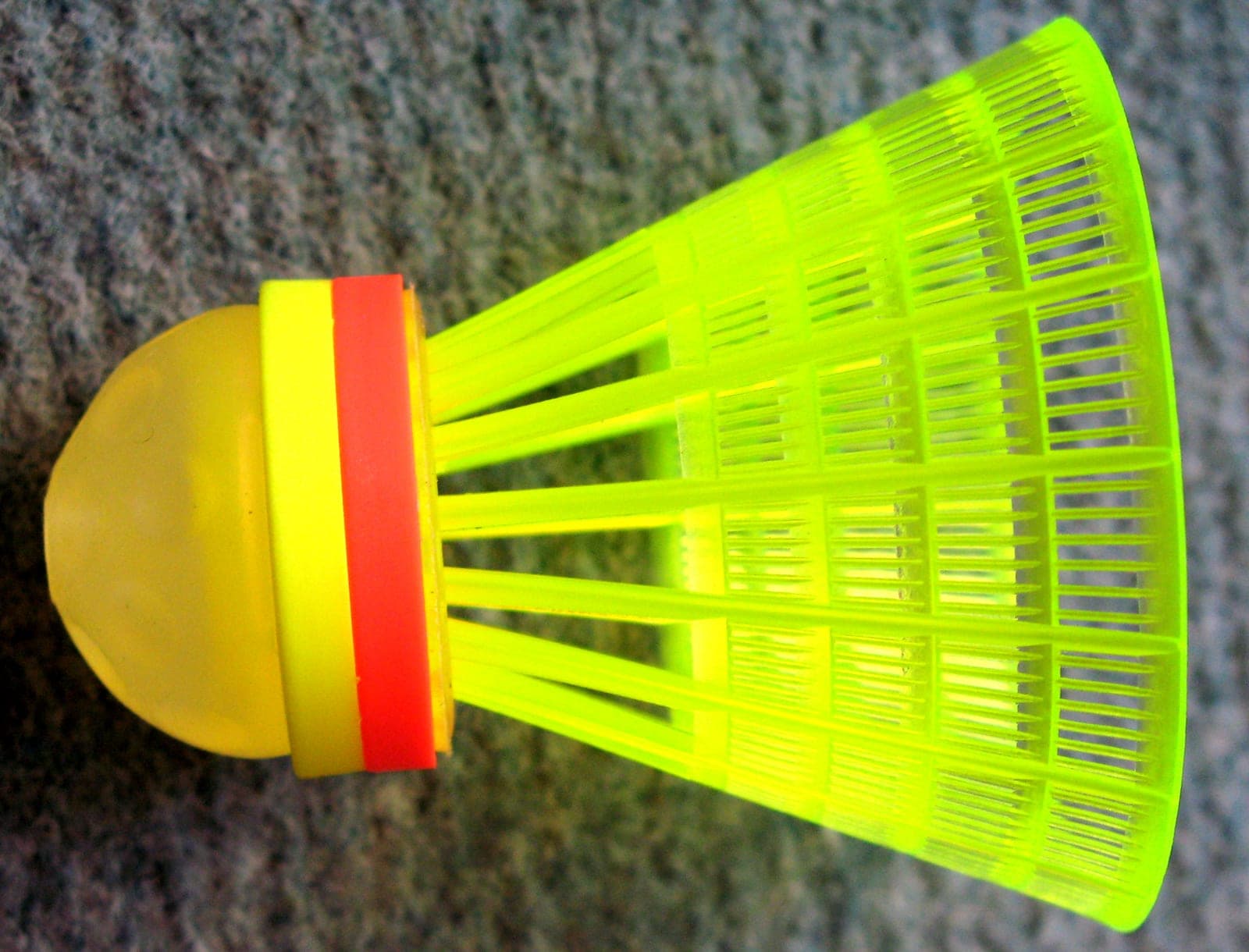
Badminton is played with lightweight racquets and a shuttlecock over a high net, as singles or doubles. The shuttle’s flight makes for fast, darting rallies and rewards quick feet and a delicate touch.
It is easy to start casually yet deep enough to master, and its indoor setting means you can play year-round regardless of the weather.
Why badminton is good for your health
- Fast rallies deliver a strong cardiovascular workout
- Improves agility, speed and reaction time
- Builds coordination and lower-body strength through lunges and jumps
- Enjoyable enough that it rarely feels like exercise
Physical qualities you’ll build
Badminton is especially good for developing these qualities:
The social side
- Doubles is a friendly, social way to play
- Widely available at sports centres and community clubs
- Simple to organise casual games with friends of any level
How to start as a beginner
- 1Learn a relaxed grip and how to serve underarm
- 2Practise clearing the shuttle high and deep, then add drops
- 3Play doubles first to keep rallies flowing
- 4Join a club or leisure-centre session to find regular games
Equipment you’ll need
- Badminton racquetEssential
- ShuttlecocksEssential
- Indoor court shoesEssentialNon-marking soles for fast direction changes
- Comfortable sportswearOptional
Where to play
Badminton is typically played at:
Explore clubs and venues to understand the different places you can play, or see how to find people to play with.
Playing Badminton
The equipment, rules, skills and more that make up the game — each cross-linked into the encyclopedia.
Related sports to explore
If you enjoy Badminton, you might also like these.
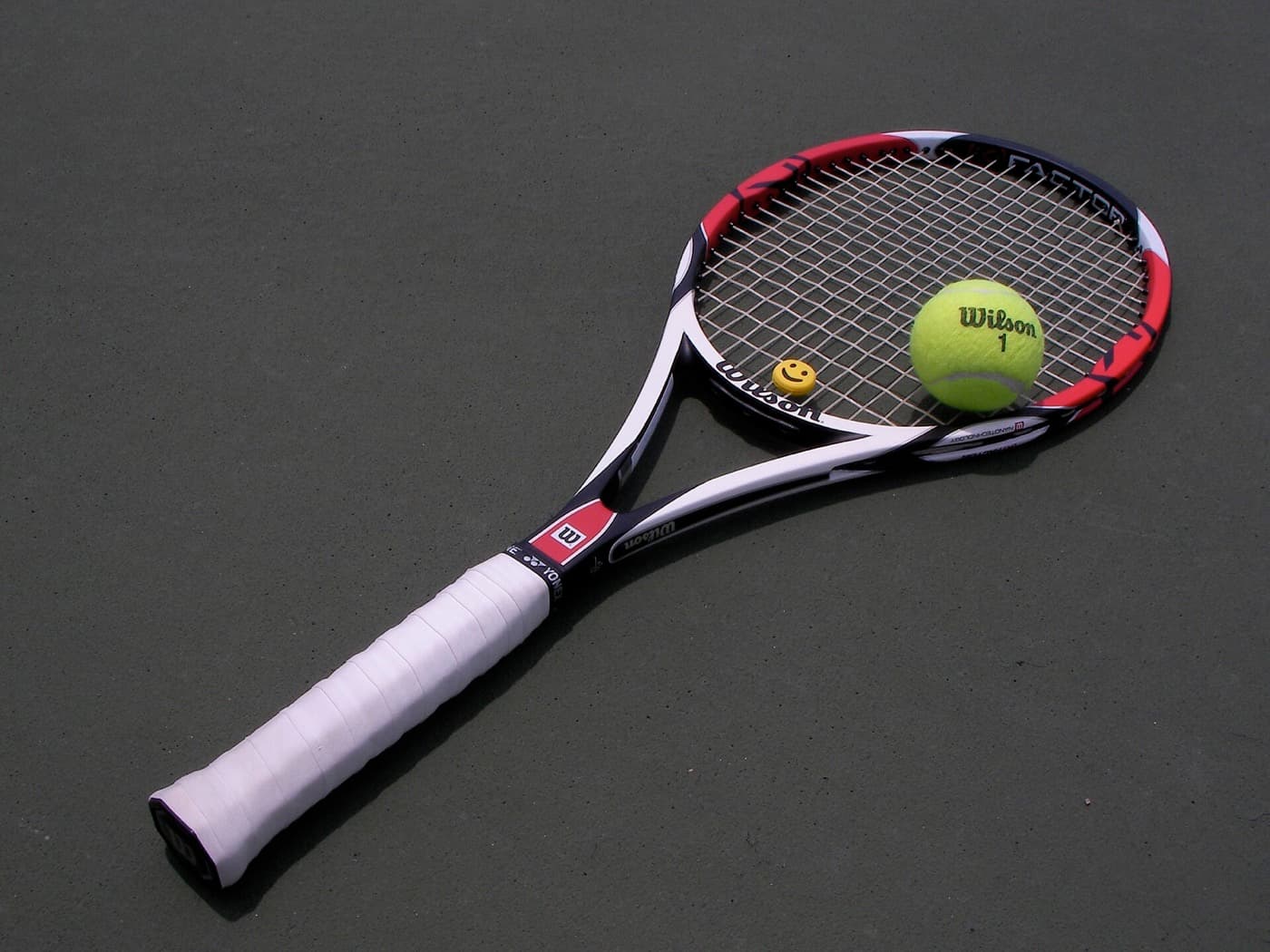
Tennis
A singles or doubles racquet sport that blends agility, strategy and stamina on court.
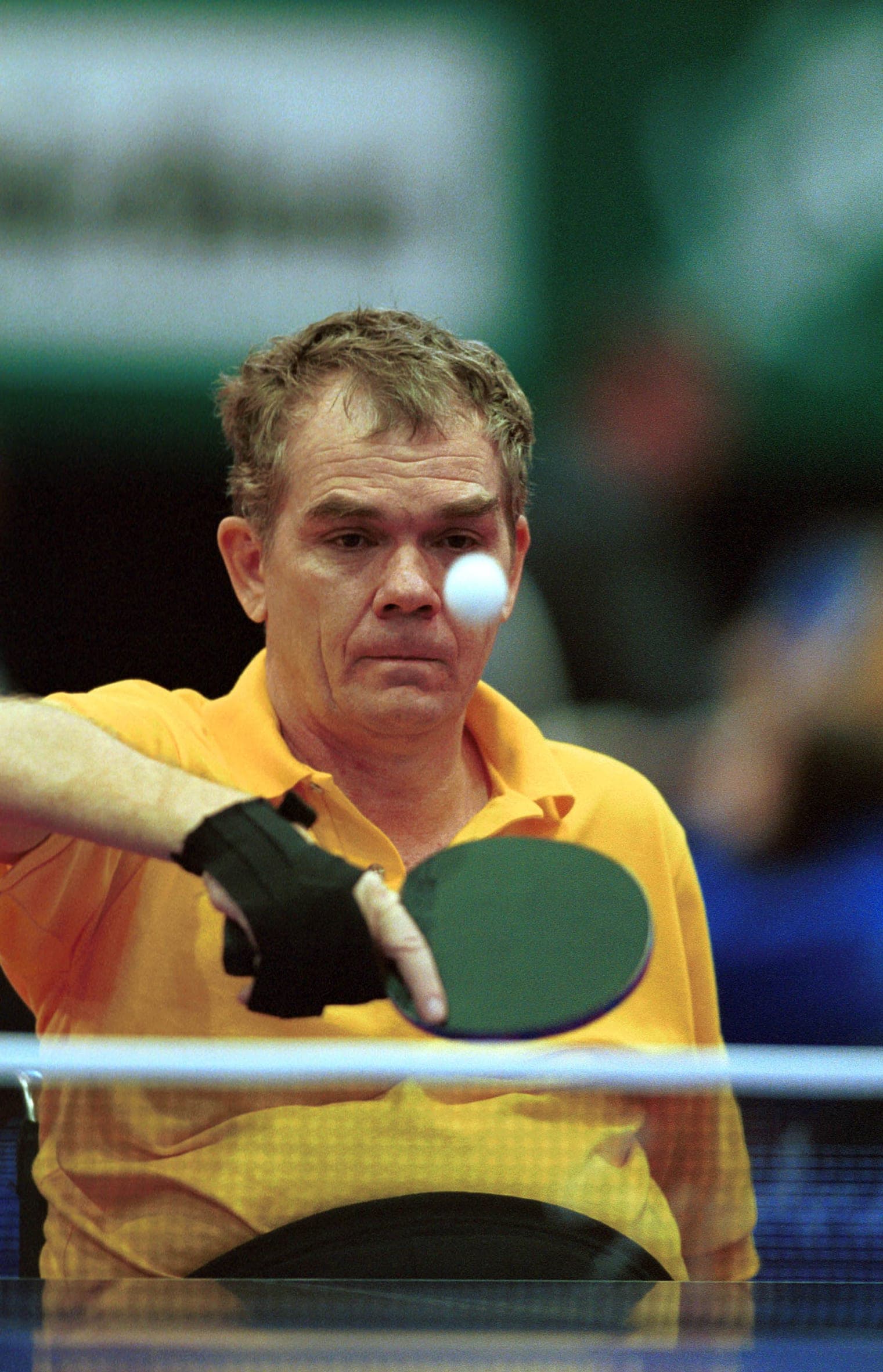
Table Tennis
A fast, low-impact indoor racquet sport that sharpens reflexes and is easy to start.
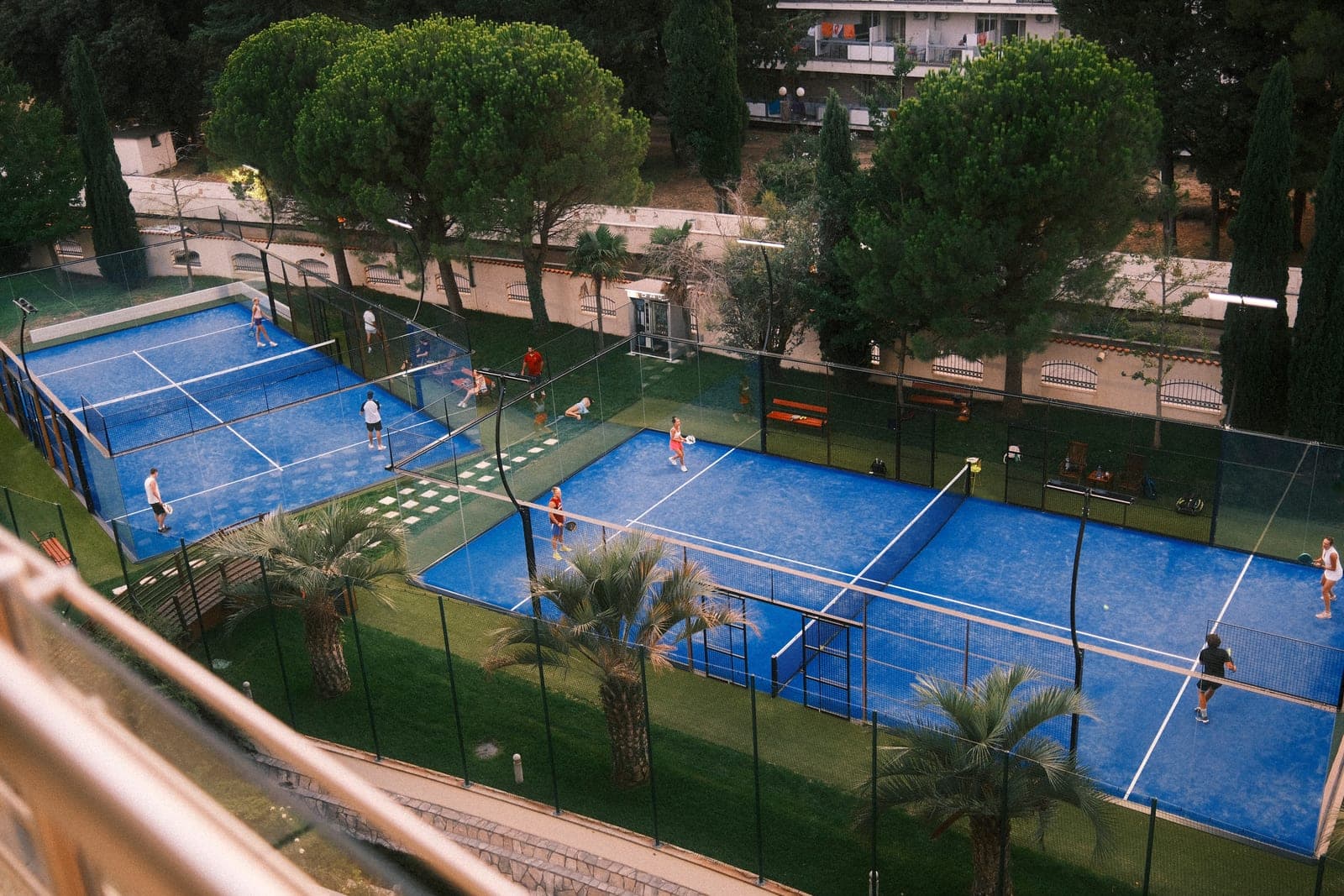
Padel
A sociable, doubles-first racquet sport played in an enclosed court where the walls stay in play.
Compare Badminton with…
Deciding between Badminton and something similar? See how they line up side by side.
Badminton vs Padel
How they compare on difficulty, intensity, kit and what suits you.
Badminton vs Pickleball
How they compare on difficulty, intensity, kit and what suits you.
Badminton vs Racquetball
How they compare on difficulty, intensity, kit and what suits you.
Badminton vs Squash
How they compare on difficulty, intensity, kit and what suits you.
Badminton vs Table Tennis
How they compare on difficulty, intensity, kit and what suits you.
Badminton vs Tennis
How they compare on difficulty, intensity, kit and what suits you.
Reach your goals with Badminton
People take up Badminton for all kinds of reasons. Here is what it can help you work towards.
Become more active
Add regular, gentle movement to your everyday life and build up from a sedentary start at your own pace.
Improve coordination
Sharpen how smoothly your body works together — like tracking and hitting a ball — through skill practice.
Improve agility
Change direction quickly and under control — the quality behind stopping, turning and accelerating again without losing balance.
Improve reaction speed
Respond faster to what you see, hear and feel by training with fast, unpredictable activities and drills.
Sports for beginners
How to start playing sport from scratch — choosing a first activity and building up gently.
Sports for children
Age-appropriate, fun ways for children to be active, with guidance and supervision where sensible.
Who & where Badminton fits
Sport should fit your life. Here is who Badminton suits and when it works.
Children
How sport can fit into a child’s life through play, variety and supported, age-appropriate movement.
Students
How sport can fit around study, a tight budget and a changing timetable to support focus, energy and social life.
Office workers
How sport can offset long hours of sitting and screen time to support mobility, energy and stress relief.
Families
How families can be active together with inclusive, all-ages sports that make movement social and fun.
Remote workers
How sport can fit a work-from-home life — replacing the movement a commute used to provide and breaking up long spells at a home desk.
Retirees
How sport can fit newly free time in retirement — an opportunity to be active, social and purposeful, at a comfortable and well-guided pace.
How it connects
The meaning-bearing relationships that place Badminton in the wider knowledge graph — each one with the reason it exists.
Alternative to
Comparable enough that people choose between them.
- PadelBadminton and Padel are close enough that the platform maintains a side-by-side comparison of them.
- PickleballBadminton and Pickleball are close enough that the platform maintains a side-by-side comparison of them.
- RacquetballBadminton and Racquetball are close enough that the platform maintains a side-by-side comparison of them.
- SquashBadminton and Squash are close enough that the platform maintains a side-by-side comparison of them.
- Table TennisBadminton and Table Tennis are close enough that the platform maintains a side-by-side comparison of them.
Helps achieve
A recognised route towards these goals.
- Become more activeBadminton is one of the sports listed under the “Become more active” goal.
- Improve coordinationBadminton is one of the sports listed under the “Improve coordination” goal.
- Improve agilityBadminton is one of the sports listed under the “Improve agility” goal.
- Improve reaction speedBadminton is one of the sports listed under the “Improve reaction speed” goal.
- Sports for beginnersBadminton is one of the sports listed under the “Sports for beginners” goal.
Explained by
The underlying "why" behind this.
- The kinetic chainThe kinetic chain is one of the sports-science concepts that covers Badminton.
- Range of motionRange of motion is one of the sports-science concepts that covers Badminton.
- Reaction timeReaction time is one of the sports-science concepts that covers Badminton.
- Aerobic and anaerobic energyAerobic and anaerobic energy is one of the sports-science concepts that covers Badminton.
Explore across the knowledge base
Follow the threads that connect Badminton to the rest of SocialSportHub.
Sports science
- The kinetic chainThe idea that the body’s segments work as a linked chain, passing force from the ground up through the hips, trunk and limbs.
- Range of motionHow far a joint can travel through its movement — the arc available at a joint, and the foundation of flexibility and mobility.
- Reaction timeThe short delay between a signal and the start of the movement made in response to it.
- Aerobic and anaerobic energyThe difference between energy the body produces with oxygen and energy it produces without it — a core idea behind why different efforts feel and last so differently.
Glossary
- AceA serve that the receiver fails to touch, winning the point outright for the server.
- AgilityThe ability to rapidly change the body's speed or direction in response to a stimulus, combining quickness with in-the-moment decision-making.
- BackhandA stroke played with the back of the hand facing the direction of the shot, on the opposite side to the racquet arm.
- BaselineThe line marking the back boundary of a court, running parallel to the net or end wall.
- BracketThe tree-shaped chart that maps who plays whom in a knockout tournament and how winners advance to the final.
Barriers
- Sitting all dayWhen work keeps you at a desk, the priority is breaking up long sitting and adding movement around the working day.
- Low motivationWhen motivation is hard to find, the fix is rarely more willpower — it is making the activity smaller, easier and more enjoyable so starting is simple.
- Nervous about startingWhen starting feels intimidating, beginner-friendly, low-pressure settings and a gentle first step make the first move far easier.
- Low confidenceWhen self-consciousness gets in the way, private or beginner-friendly settings and steady, visible progress help confidence grow through doing.
- Never played sportWhen you are starting from zero, beginner pathways, basic skills and patience with the learning curve turn "no experience" into a fresh start.
Motivations
- To have funWhen enjoyment is the point, playful, varied and social sports keep you coming back — because the best activity is the one you look forward to.
- To meet peopleWhen connection is the draw, team sports, clubs and group activities turn getting fit into a way to build a social circle.
- To spend time as a familyWhen the aim is shared time, activities the whole family can do together turn being active into a way to connect across ages.
- To feel calmerWhen you play to unwind, rhythmic, absorbing activity gives many people a mental break — though it complements, not replaces, professional support.
- To stay healthyWhen health is the driver, regular, sustainable activity across fitness, strength and mobility supports an active life for the long term.
Experience levels
- Starting outThe very first stage — no experience needed. It is about turning up, learning to move and building the habit before anything else.
- BeginnerYou have started and the habit is forming — now it is about learning the fundamentals and building a base of fitness and skill.
- IntermediateThe basics are in place — now progress comes from more deliberate practice, filling gaps and adding structure to your training.
- AdvancedA high level of skill and fitness — progress becomes finer, more individual, and increasingly benefits from expert coaching.
- CompetitiveTraining and playing to compete — structured, goal-directed preparation built around events, with coaching and recovery central.
Go deeper with Badminton
Everywhere else on the platform that covers Badminton — assembled from what actually references it, so nothing here is a dead end.
Learn it
Structured courses and paths on the platform that cover this directly.
Work it out
Deterministic calculators — real published formulas, no estimates dressed as data.
See it
Diagrams and step-through visualisations drawn for this subject.
Compare it
Head-to-head studies against the entities people actually weigh it against.
- Badminton vs PadelSide by side on the qualities that differ.
- Badminton vs PickleballSide by side on the qualities that differ.
- Badminton vs RacquetballSide by side on the qualities that differ.
- Badminton vs SquashSide by side on the qualities that differ.
- Badminton vs Table TennisSide by side on the qualities that differ.
- Badminton vs TennisSide by side on the qualities that differ.
Kit it out
Equipment guidance drawn from the graph, with no brands and no affiliate links.
Take it away
Open data and the whole-platform view of this subject.
How this page is maintained
- Content type
- Sport
- Provenance
- Tier A — evergreen educational
- Verified external sources
- 0
- Content updated
- 2026-07-06
Evergreen, first-party explanation — it makes no claim that needs an external source. How we handle sources and reviews.
Keep going
A sport is most rewarding alongside good habits, sensible nutrition and people to share it with. Here is where to go next.
How movement supports body and mind.
Eat well to feel and perform better.
Build routines that stick.
Ways to meet others and play together.
Where to play and what to expect.
Browse the full list by category.