
Tapering and Peaking
Tapering and peaking is the strategy of easing training load before a key event so fitness stays high while fatigue clears, timing peak form for the day itself.
Overview
Tapering and peaking is a training strategy for arriving at an important competition both fit and fresh. Across a training block, an athlete gradually builds fitness through consistent work, but that same work also leaves behind accumulated fatigue. A common way to picture readiness is fitness minus fatigue: even someone who is very fit can perform below their potential if they are carrying heavy tiredness. Tapering is the deliberate reduction of training load in the lead-up to a key event, which lets fatigue dissipate faster than hard-won fitness fades. Peaking is the timing goal that the taper serves, arranging the plan so that this favourable balance of fitness and freshness lands on the day that matters most.
Because a peak cannot be held indefinitely, tapering and peaking is a planning strategy rather than a single in-competition action: it is usually mapped backward from the target date and coordinates weeks of earlier training toward one window. How it looks depends on the sport. In endurance events such as running, cycling, swimming and rowing, a taper typically trims overall volume while keeping some higher-intensity efforts so sharpness is not lost. In strength and power sports like weightlifting and powerlifting, peaking often means reducing training stress before a meet so the athlete is fresh for maximal attempts. Team and racquet athletes periodize toward important fixtures in a looser way, since their calendars hold many contests rather than one. The specifics of any taper belong to an individual athlete and their coach; this page describes the general principle, not a personal plan.
Key ideas
- Readiness combines fitness and freshness. Long training blocks raise fitness but also build fatigue, and the two do not fade at the same rate, so the idea behind a taper is that reducing load lets fatigue clear more quickly than fitness declines.
- A taper usually lowers volume more than intensity. Rather than stopping training, athletes commonly cut the total amount of work while retaining some sharper, event-pace efforts, which helps keep a feeling of sharpness without the burden of a full training week.
- Peaking is timed backward from the key event. Because a peak is a window and not a permanent state, the plan is built out from the target date so the freshest, fittest condition coincides with the competition instead of arriving too early or too late.
- It appears differently across sport types. Endurance athletes taper volume while protecting intensity, strength and power athletes reduce overall stress to be fresh for maximal efforts, and team or racquet athletes periodize across a season of many fixtures rather than one single peak.
- It is a strategy, not an in-game tactic or a personal prescription. Tapering and peaking sits above the race-day tactics it enables, such as pacing, and the exact structure depends on the individual and their coach, so this remains a general principle rather than medical advice or a set plan.
Where it’s used
Sports that use tapering and peaking:

Running
The most accessible endurance sport — no venue, just shoes and the open road or trail.
Cycling
A low-impact endurance sport that doubles as transport, exercise and adventure.
Swimming
A full-body, low-impact endurance sport suitable for almost every age and ability.
Triathlon
A multi-sport endurance event that links swimming, cycling and running into one continuous race.
Rowing
A rhythmic, full-body endurance sport on the water or on an indoor machine.

Cross-Country Skiing
A low-impact endurance snow sport where you propel yourself across flat and rolling terrain on skis.

Weightlifting
A technical strength sport built around lifting a loaded barbell overhead with speed and control.
Powerlifting
A strength sport focused on lifting the heaviest weight you can across the squat, bench press and deadlift.
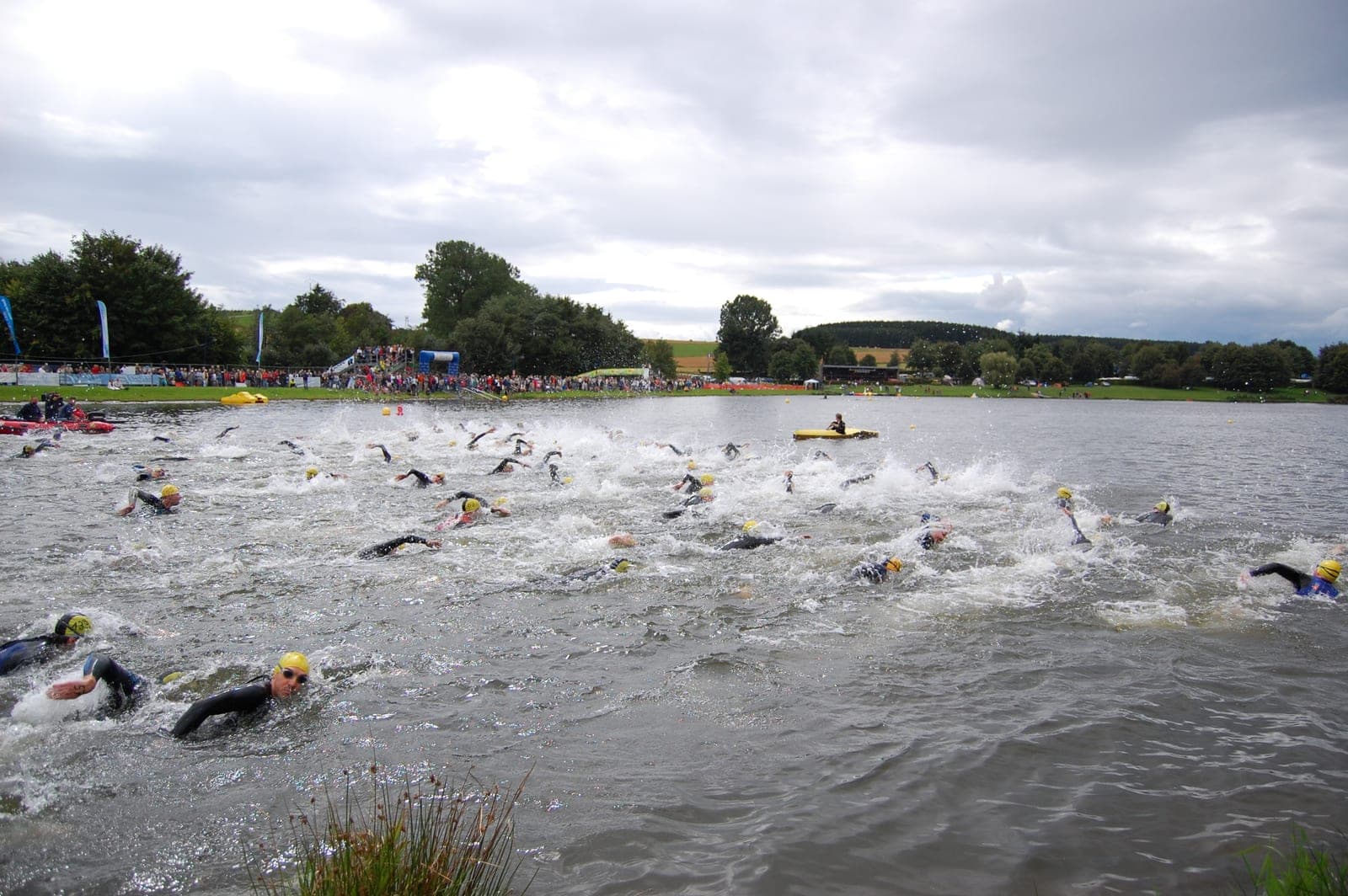
Open-Water Swimming
Swimming in lakes, rivers and the sea, blending endurance training with the experience of being out in nature.
Trail Running
Running off-road on trails, hills and natural terrain, away from pavements and traffic.
Related strategies
Pacing and Energy Management
Pacing and energy management is the overarching plan for distributing a limited supply of physical effort across an event so you avoid fading early and finish strong.
Adapting to Conditions
Adapting to conditions is the strategy of shaping your game plan around the venue, surface, weather, altitude and home-or-away setting you face.
Specialisation vs Versatility
Specialisation versus versatility is the team-building and development trade-off between narrow role experts and adaptable all-rounders who cover several jobs.
How it connects
The meaning-bearing relationships that place Tapering and Peaking in the wider knowledge graph — each one with the reason it exists.
Frequently learned together
Taught side by side in the same stage of a learning path.
- Pacing strategyBoth are taught in the “Understand tactics & strategy” stage of the Swimming learning path.
- Negative splitBoth are taught in the “Understand tactics & strategy” stage of the Swimming learning path.
- Interval-training strategyBoth are taught in the “Understand tactics & strategy” stage of the Swimming learning path.
- Pacing and Energy ManagementBoth are taught in the “Understand tactics & strategy” stage of the Swimming learning path.
- DraftingBoth are taught in the “Understand tactics & strategy” stage of the Triathlon learning path.
Explore across the knowledge base
Follow the threads that connect Tapering and Peaking to the rest of SocialSportHub.
Tactics
- Pacing strategyPlanning how to distribute effort across a race so energy lasts the full distance without fading.
- Negative splitA pacing tactic where an athlete covers the second half of a race faster than the first.
- Interval-training strategyStructuring a workout as bursts of hard effort separated by recovery to build fitness efficiently.
- DraftingRiding, running or swimming close behind another competitor to save energy in their slipstream.
- Breakaway and pelotonThe cycling tension between the main pack riding together and small groups that break clear to gain time.
Learning paths
- Learn RunningA structured, educational learning path for running — from the rules to skills, techniques, tactics and training.
- Learn CyclingA structured, educational learning path for cycling — from the rules to skills, techniques, tactics and training.
- Learn SwimmingA structured, educational learning path for swimming — from the rules to skills, techniques, tactics and training.
- Learn TriathlonA structured, educational learning path for triathlon — from the rules to skills, techniques, tactics and training.
- Learn Open-Water SwimmingA structured, educational learning path for open-water swimming — from the rules to skills, techniques, tactics and training.
Experience levels
Go deeper with Tapering and Peaking
Everywhere else on the platform that covers Tapering and Peaking — assembled from what actually references it, so nothing here is a dead end.
Learn it
Structured courses and paths on the platform that cover this directly.
How this page is maintained
- Content type
- Strategy
- Provenance
- Tier A — evergreen educational
- Verified external sources
- 0
- Content updated
- 2026-09-12
Evergreen, first-party explanation — it makes no claim that needs an external source. How we handle sources and reviews.