
Pacing and Energy Management
Pacing and energy management is the overarching plan for distributing a limited supply of physical effort across an event so you avoid fading early and finish strong.
Overview
Pacing and energy management is the overarching strategy of deciding how to spend a limited supply of physical effort across a whole race, match or event, rather than reacting moment to moment. Because no athlete can hold maximum intensity indefinitely, the plan sets a target level of effort — and how that effort should rise, fall or hold steady — so that fatigue arrives on your terms instead of forcing an early collapse. As a strategy it sits above the individual tactics that carry it out: choices such as running an even split, sitting behind others to save energy, or holding a surge back for the finish are the concrete moves, while pacing and energy management is the guiding principle that ties them together and answers the questions of how hard, and when.
In endurance sports the idea is most visible: a runner, cyclist, swimmer, rower or skier judges an intensity that can be sustained all the way to the line and resists going out too fast, since effort spent early is rarely recovered. The same thinking applies wherever events are long or repeated. In match-play sports such as tennis, squash or boxing, players manage energy across points, games and rounds, recovering in the gaps and choosing when to raise the tempo. In team sports the work rate has to be shared over the full duration, so athletes pick their moments to press, sprint or rest. Across all of them the aim is the same: reach the decisive phase with enough left to perform, and finish strong rather than fade.
Key ideas
- Even effort is often more efficient than surging. Repeatedly accelerating and slowing burns extra energy, so many athletes aim to hold a steady, sustainable intensity for most of an event and treat large surges as deliberate, costed decisions rather than reflex reactions.
- Read the demands before setting the plan. Distance or duration, terrain and gradient, conditions such as heat or wind, and the level of the opposition all change how effort should be distributed — a hilly course, a hot day or a long match each call for a more conservative start and a different effort budget.
- Keep something in reserve for the finish. A common approach is to start controlled and end faster — for example covering the second half of a race quicker than the first, or holding a finishing sprint back — which is why negative-split pacing and a saved final kick are central to the strategy.
- In stop-start and match sports, energy management means recovery as much as output. Using the pauses between points, plays or rounds to steady breathing and let the heart rate settle, and choosing which moments are worth a full-effort press, lets an athlete stay effective deep into a contest.
- Pacing is dynamic and relies on feedback. Athletes gauge effort through breathing, perceived exertion and, where available, split times or cadence, then adjust — easing off if they have gone out too hard, or lifting the pace when there is energy to spare. Building an aerobic base, and easing training load in general terms ahead of a key event, both help make a chosen pace feel more sustainable.
Where it’s used
Sports that use pacing and energy management:

Running
The most accessible endurance sport — no venue, just shoes and the open road or trail.
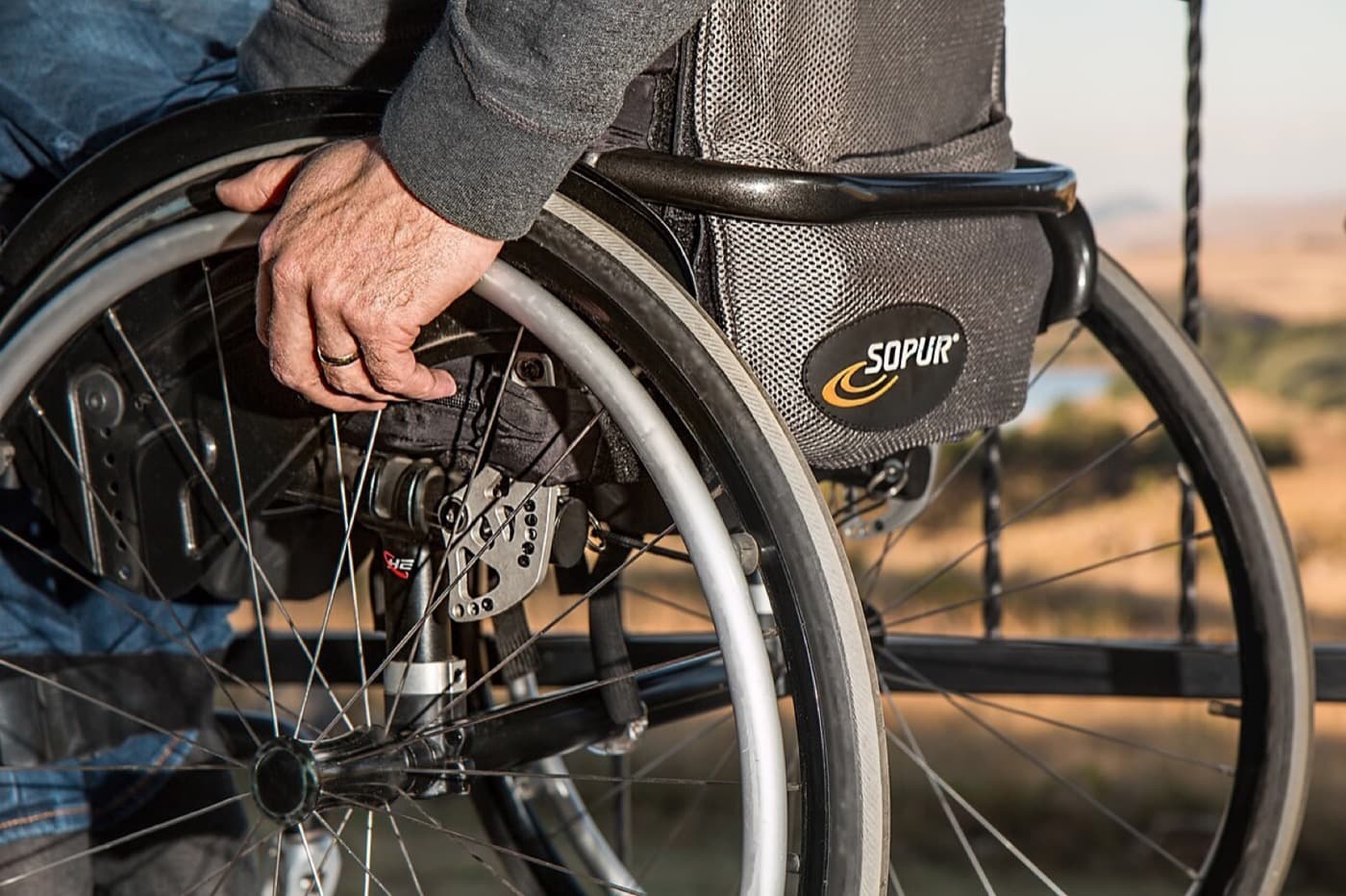
Cycling
A low-impact endurance sport that doubles as transport, exercise and adventure.
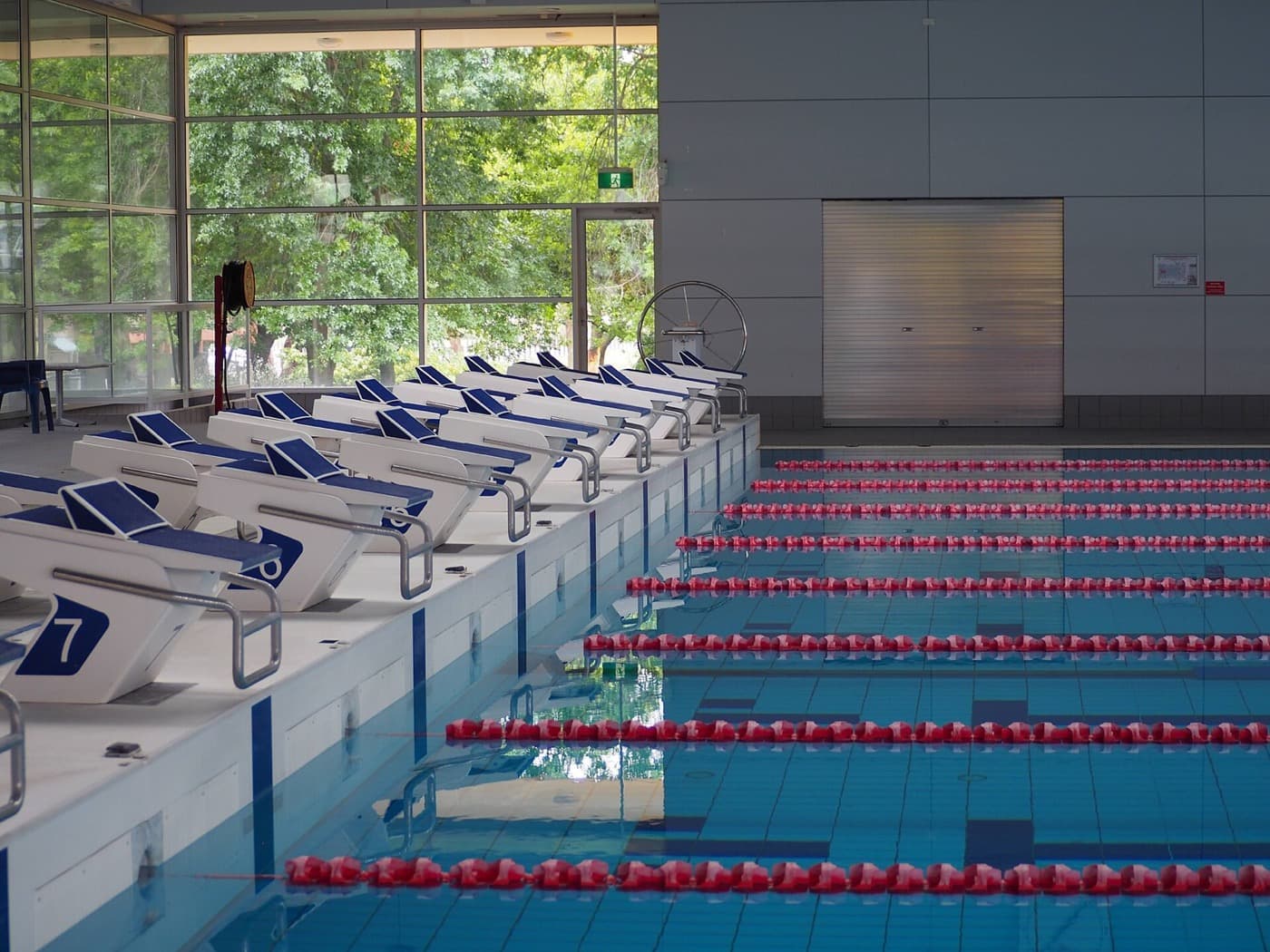
Swimming
A full-body, low-impact endurance sport suitable for almost every age and ability.
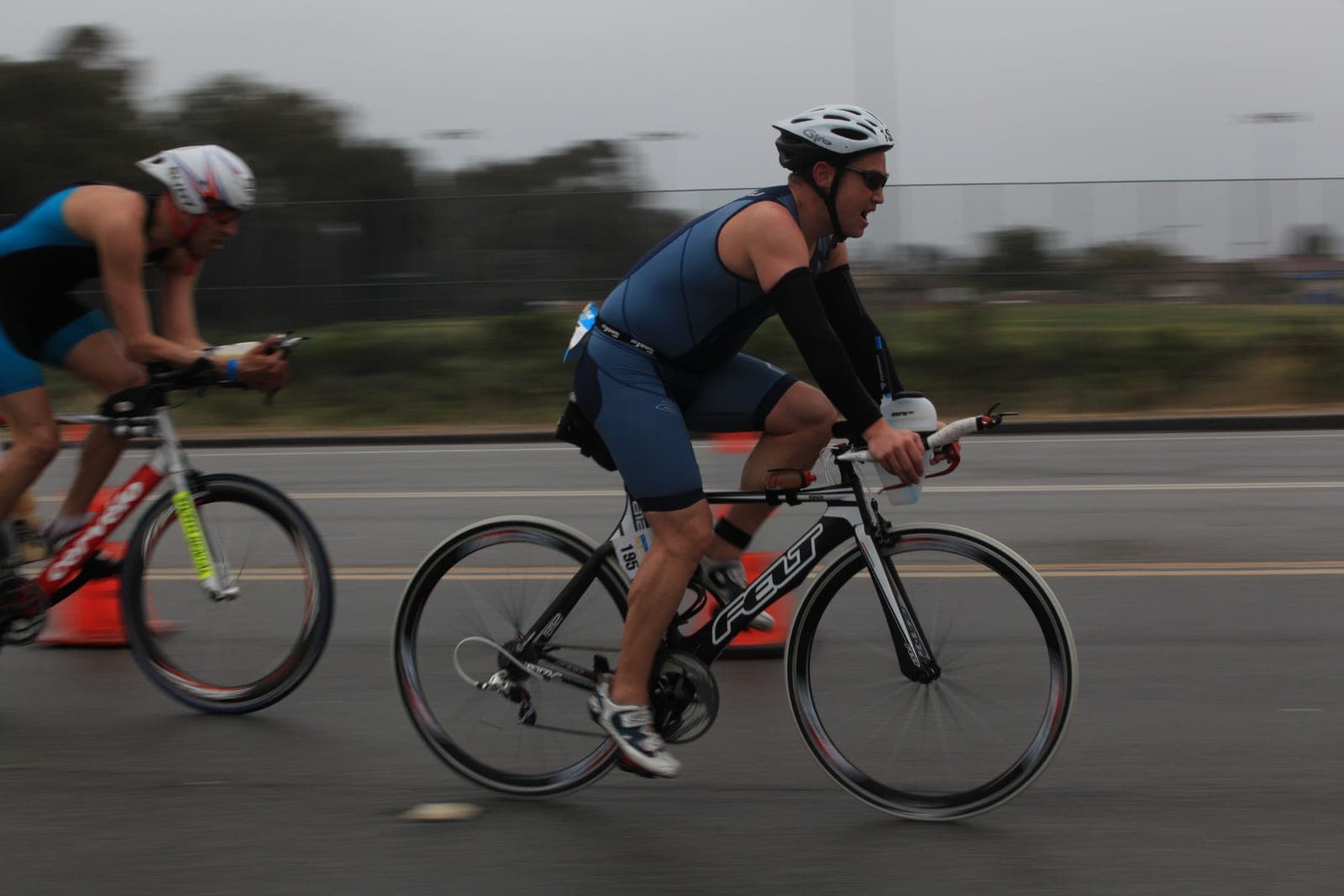
Triathlon
A multi-sport endurance event that links swimming, cycling and running into one continuous race.
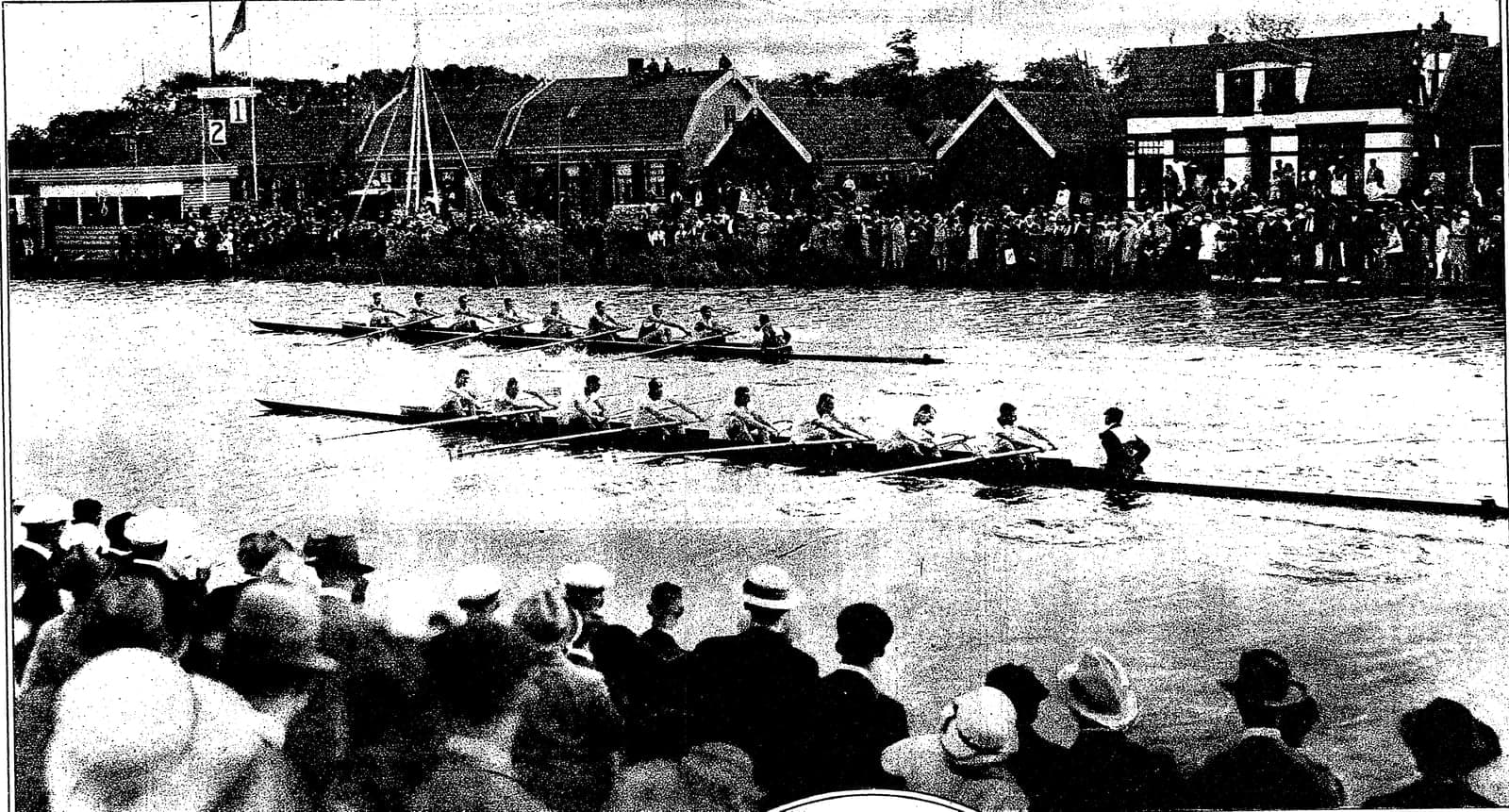
Rowing
A rhythmic, full-body endurance sport on the water or on an indoor machine.
Trail Running
Running off-road on trails, hills and natural terrain, away from pavements and traffic.

Cross-Country Skiing
A low-impact endurance snow sport where you propel yourself across flat and rolling terrain on skis.
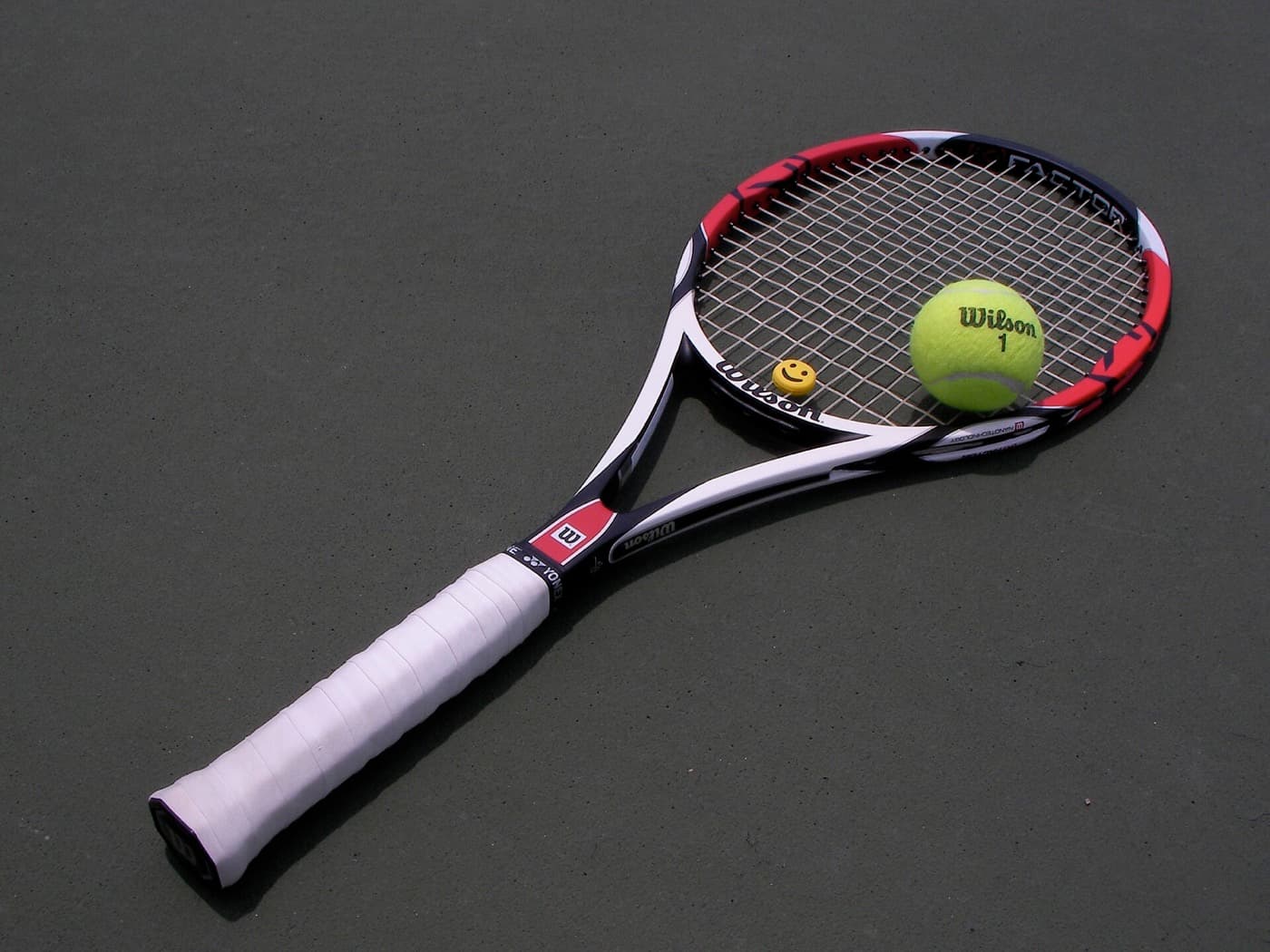
Tennis
A singles or doubles racquet sport that blends agility, strategy and stamina on court.
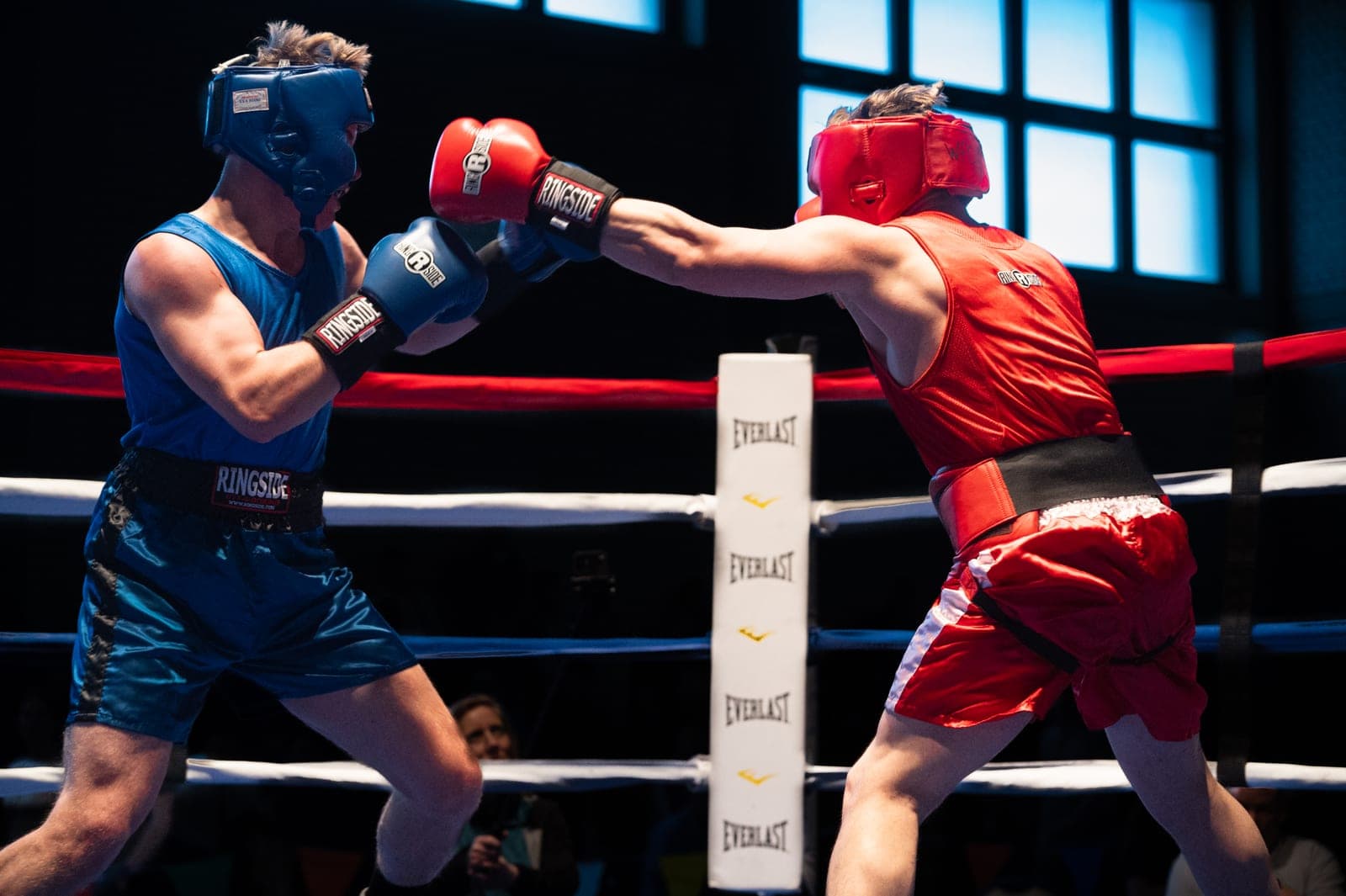
Boxing
A striking combat sport built on footwork, timing and conditioning, practised from fitness drills to controlled sparring.
Football
The world’s most popular team sport — endless running, teamwork and community in one game.
Related strategies
Attacking vs Defensive Balance
The overarching choice a team or athlete makes about how much to commit to creating scoring chances versus avoiding conceding, and when to shift it.
Controlling Tempo
Controlling tempo is the strategy of dictating the pace and rhythm of play — speeding up or slowing down — to suit your strengths and unsettle opponents.
Game management
Adapting how a team or athlete plays to the scoreline and time remaining — protecting a lead, chasing a result or seeing out the closing stages.
How it connects
The meaning-bearing relationships that place Pacing and Energy Management in the wider knowledge graph — each one with the reason it exists.
Frequently learned together
Taught side by side in the same stage of a learning path.
- DraftingBoth are taught in the “Understand tactics & strategy” stage of the Running learning path.
- Pacing strategyBoth are taught in the “Understand tactics & strategy” stage of the Running learning path.
- Negative splitBoth are taught in the “Understand tactics & strategy” stage of the Running learning path.
- Interval-training strategyBoth are taught in the “Understand tactics & strategy” stage of the Running learning path.
- Adapting to ConditionsBoth are taught in the “Understand tactics & strategy” stage of the Running learning path.
Explore across the knowledge base
Follow the threads that connect Pacing and Energy Management to the rest of SocialSportHub.
Tactics
- DraftingRiding, running or swimming close behind another competitor to save energy in their slipstream.
- Pacing strategyPlanning how to distribute effort across a race so energy lasts the full distance without fading.
- Negative splitA pacing tactic where an athlete covers the second half of a race faster than the first.
- Interval-training strategyStructuring a workout as bursts of hard effort separated by recovery to build fitness efficiently.
- Breakaway and pelotonThe cycling tension between the main pack riding together and small groups that break clear to gain time.
Skills
Learning paths
- Learn TennisA structured, educational learning path for tennis — from the rules to skills, techniques, tactics and training.
- Learn FootballA structured, educational learning path for football — from the rules to skills, techniques, tactics and training.
- Learn RunningA structured, educational learning path for running — from the rules to skills, techniques, tactics and training.
- Learn CyclingA structured, educational learning path for cycling — from the rules to skills, techniques, tactics and training.
- Learn SwimmingA structured, educational learning path for swimming — from the rules to skills, techniques, tactics and training.
Decision making
Go deeper with Pacing and Energy Management
Everywhere else on the platform that covers Pacing and Energy Management — assembled from what actually references it, so nothing here is a dead end.
Learn it
Structured courses and paths on the platform that cover this directly.
How this page is maintained
- Content type
- Strategy
- Provenance
- Tier A — evergreen educational
- Verified external sources
- 0
- Content updated
- 2026-09-12
Evergreen, first-party explanation — it makes no claim that needs an external source. How we handle sources and reviews.