
Promotion and Relegation
A league system in which teams move up or down between divisions based on where they finish.
Definition
Promotion and relegation link the divisions of a league so that the top teams in a lower division move up at the end of a season while the bottom teams in the division above move down. This open structure, common in football across much of the world, means league position carries stakes all season, not only at the top but also in the fight to avoid the drop.
Promotion can be automatic for the highest finishers and decided by play-offs for the places just below, while relegation usually claims a fixed number of the lowest-placed teams. The system rewards sustained performance and keeps late-season matches meaningful for mid-table and struggling clubs alike, in contrast to closed leagues with fixed membership.
Where you’ll hear “promotion and relegation”
Sports that use this term:

Football
The world’s most popular team sport — endless running, teamwork and community in one game.
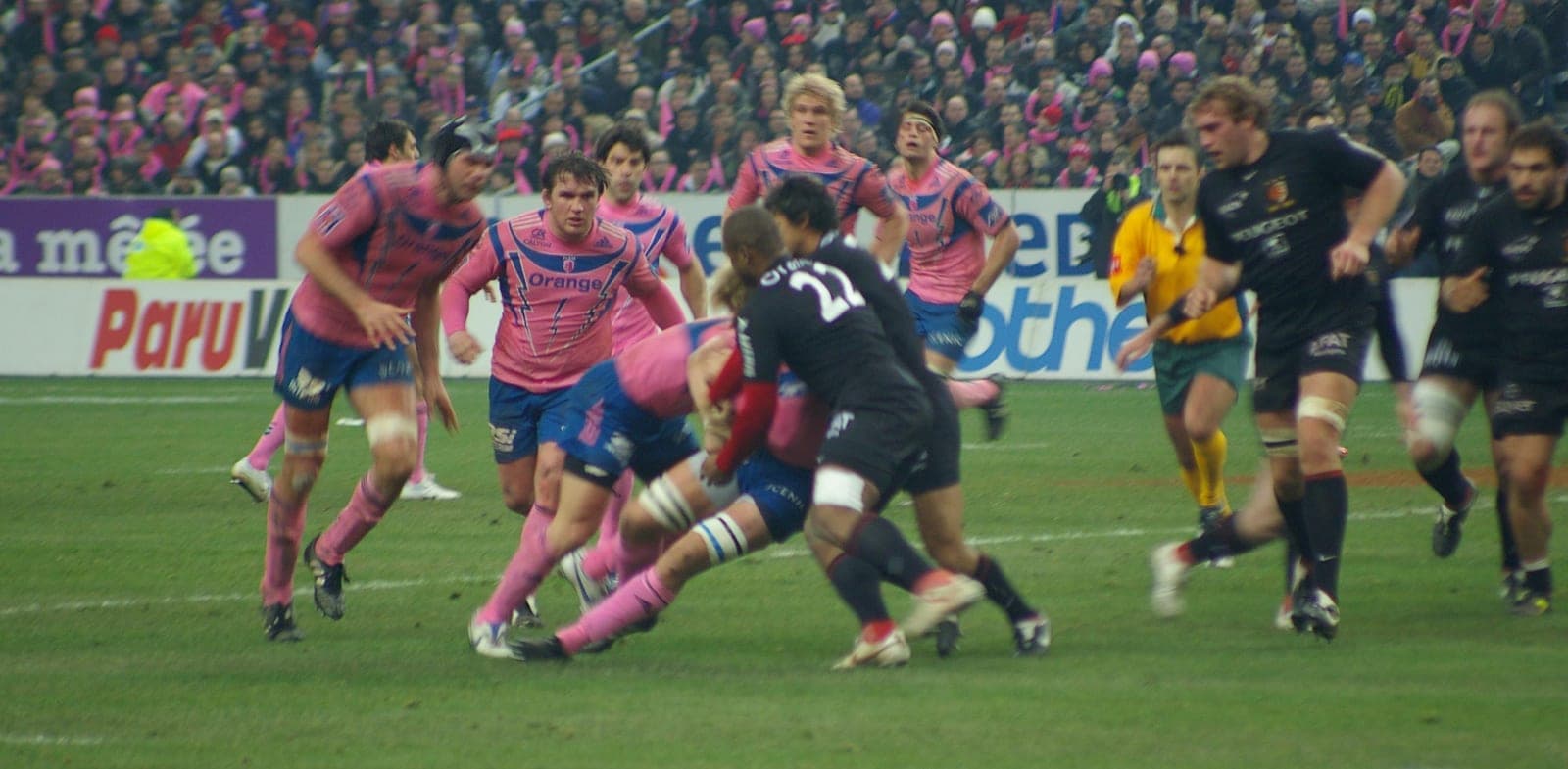
Rugby
A physical team sport of carrying, passing and kicking an oval ball toward the opposing line.
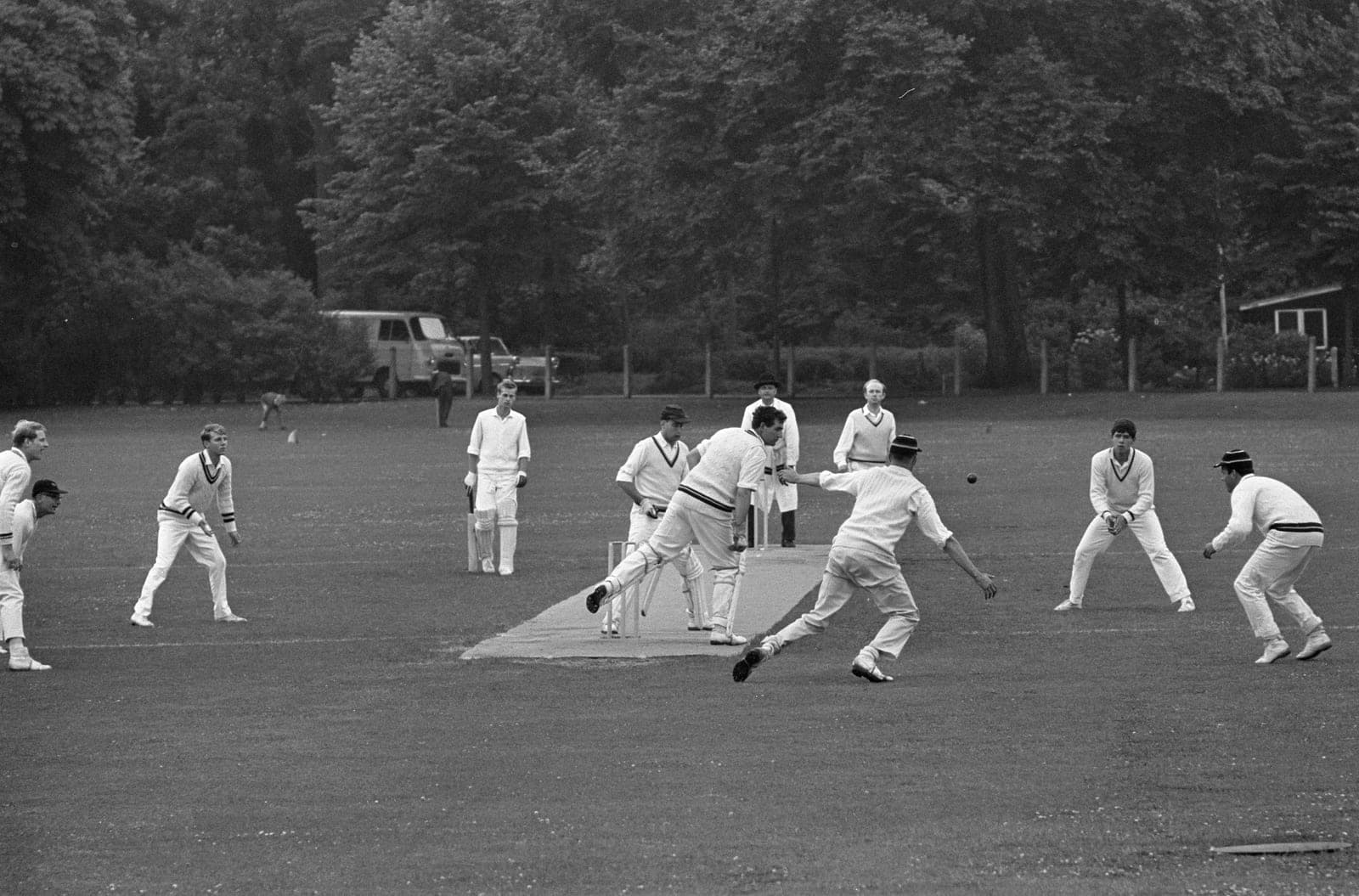
Cricket
A bat-and-ball team sport where sides take turns to bat and to bowl and field, scoring runs.
Explore across the knowledge base
Follow the threads that connect Promotion and Relegation to the rest of SocialSportHub.
Tactics
- Serve and volleyAn attacking tennis tactic where the server follows their serve to the net to finish the point with a volley.
- Phase playHow rugby union teams attack by keeping the ball through successive rucks — what a phase is, why phases move a defence, and the cost that eventually makes a team stop.
- Zone defenceA defensive system where each player guards an area of the court rather than a specific opponent.
Decision making
Go deeper with Promotion and Relegation
Everywhere else on the platform that covers Promotion and Relegation — assembled from what actually references it, so nothing here is a dead end.
Take it away
Open data and the whole-platform view of this subject.
How this page is maintained
- Content type
- Term
- Provenance
- Tier A — evergreen educational
- Verified external sources
- 0
- Content updated
- 2026-09-01
Evergreen, first-party explanation — it makes no claim that needs an external source. How we handle sources and reviews.