
Snowshoeing
Walk anywhere the snow will take you
.jpg)
Overview
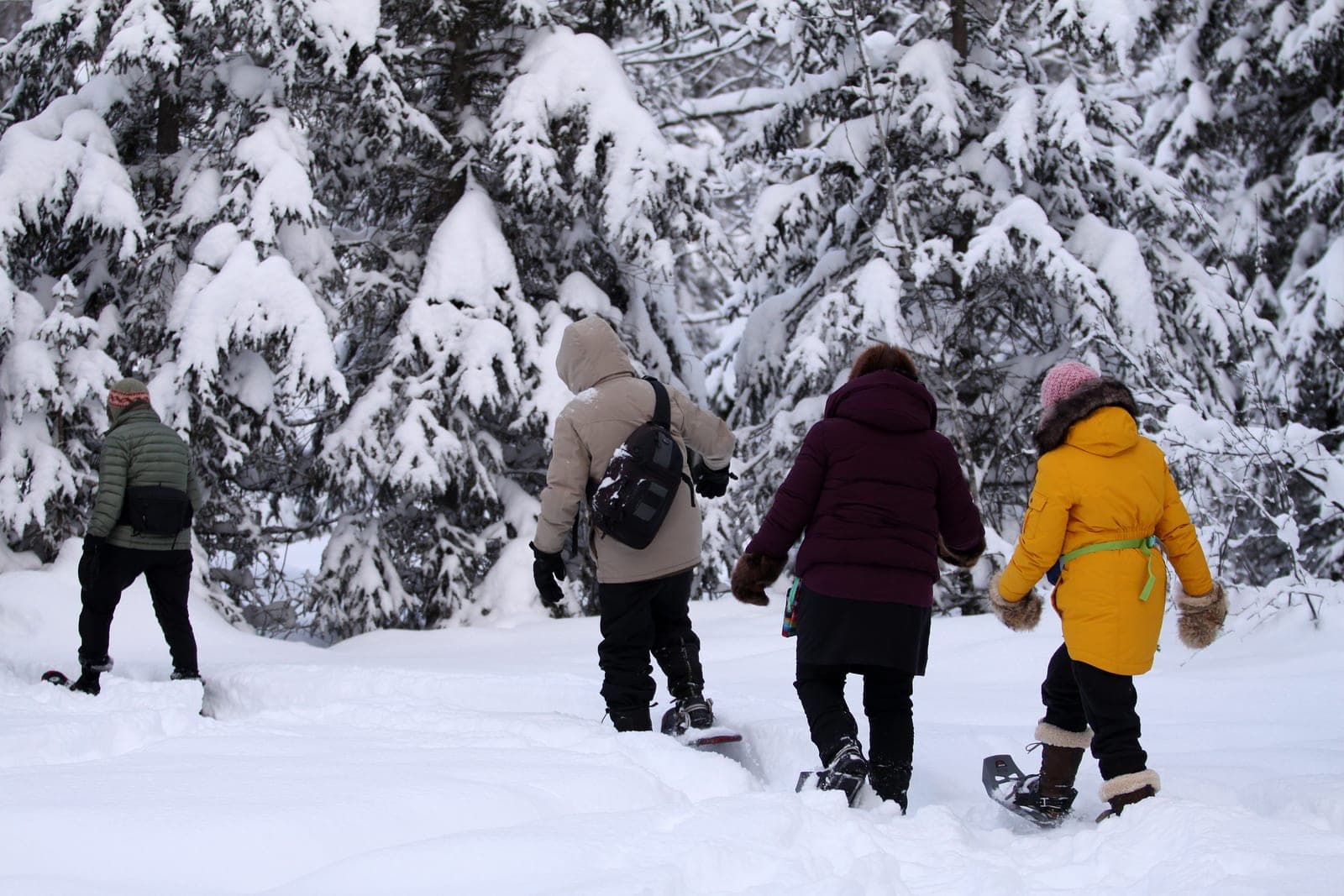
Snowshoeing is essentially walking over snow using wide-framed shoes that spread your weight so you stay on top of soft, deep snow rather than sinking in. If you can walk, you can snowshoe, which makes it one of the most approachable ways to get out and stay active in winter. Routes range from flat, easy trails to steeper, more demanding terrain.
It opens up quiet, snow-covered landscapes that would otherwise be hard to cross on foot, and the pace is entirely your own — a gentle stroll or a challenging climb. Because the equipment is minimal and the technique intuitive, it is a popular gateway into winter activity for many people.
Why snowshoeing is good for your health
- Builds cardiovascular fitness, especially on uphill sections
- Strengthens the legs, hips and core over uneven, soft ground
- Low-impact, weight-bearing movement that is gentle on the joints
- Time outdoors in winter can lift mood and reduce stress
The social side
- Easy to share with friends or family at a comfortable, chatty pace
- Guided outings and clubs welcome complete beginners
- A sociable way to explore winter trails together
How to start as a beginner
- 1Start on flat, well-marked trails to get used to the wider stride
- 2Wear warm, waterproof layers and sturdy waterproof footwear
- 3Use trekking poles for extra balance and rhythm if you like
- 4Check conditions, tell someone your route and turn back before you tire
Equipment you’ll need
- SnowshoesEssentialOften available to rent at winter trail centres
- Warm, waterproof layered clothingEssential
- Waterproof, insulated bootsEssential
- Trekking polesOptionalHelpful for balance and on climbs
- Water and a small packOptional
Where to play
Snowshoeing is typically played at:
Explore clubs and venues to understand the different places you can play, or see how to find people to play with.
Playing Snowshoeing
The equipment, rules, skills and more that make up the game — each cross-linked into the encyclopedia.
Related sports to explore
If you enjoy Snowshoeing, you might also like these.
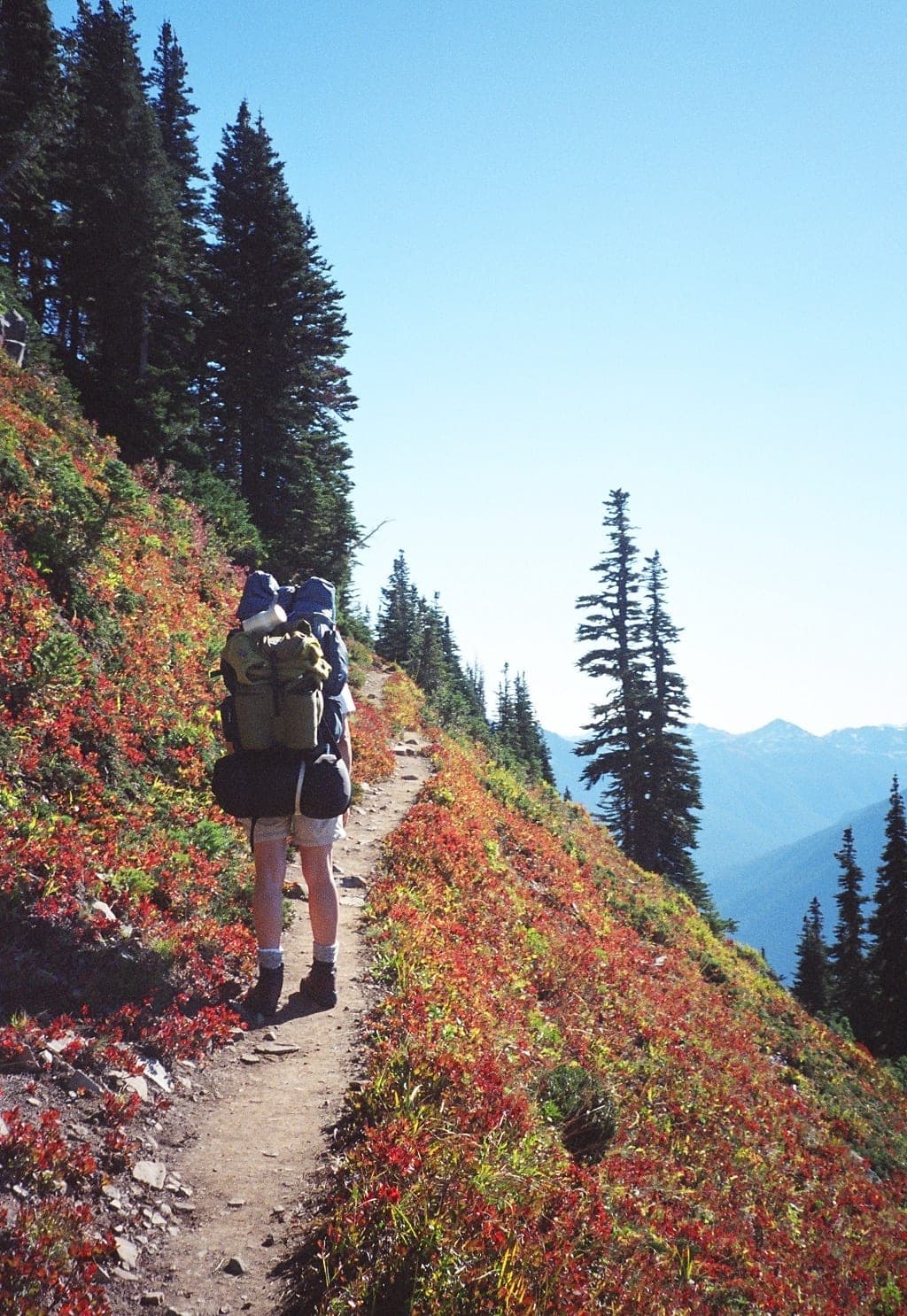
Hiking
An accessible outdoor sport of walking natural trails and hills at your own pace, solo or in a group.
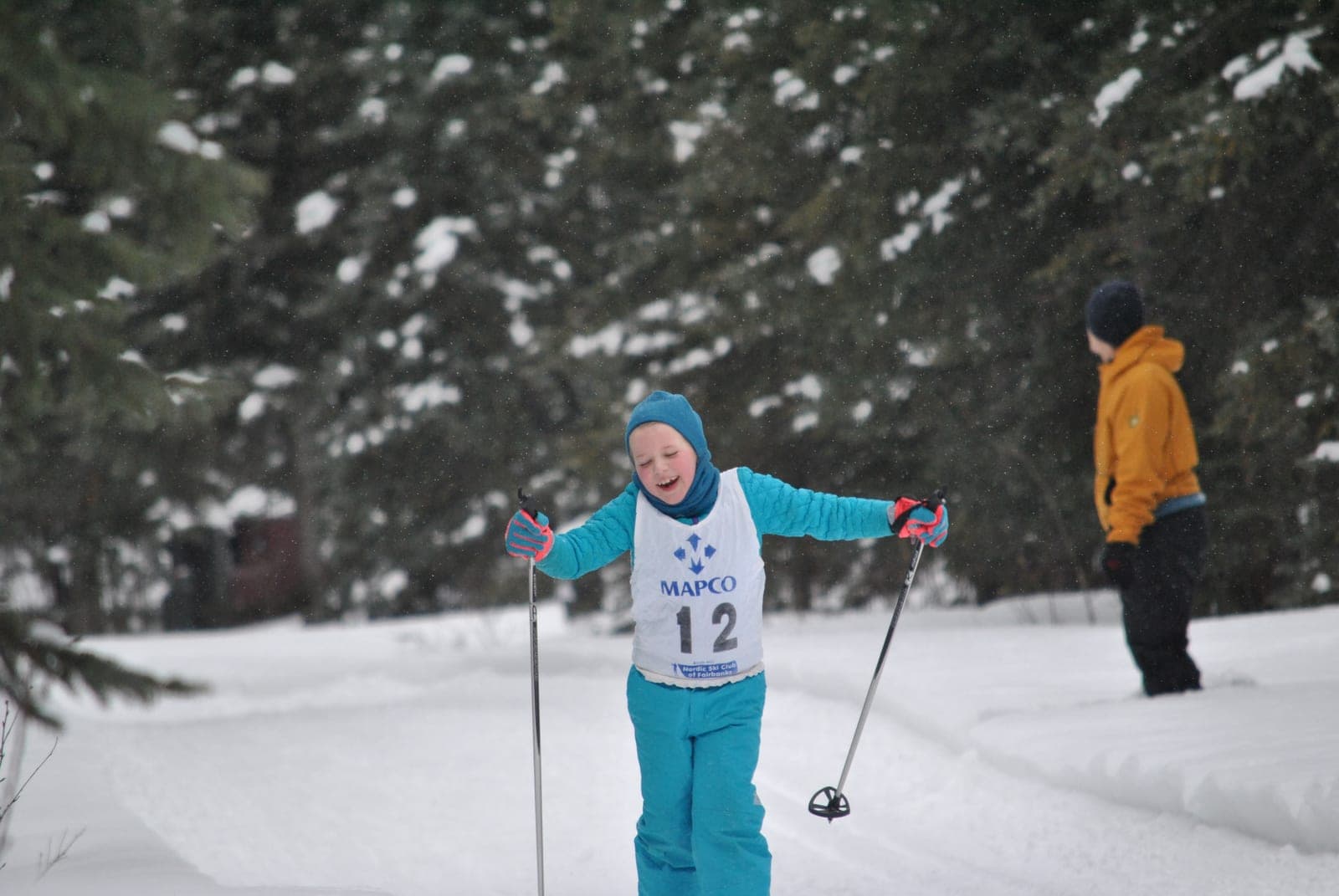
Cross-Country Skiing
A low-impact endurance snow sport where you propel yourself across flat and rolling terrain on skis.
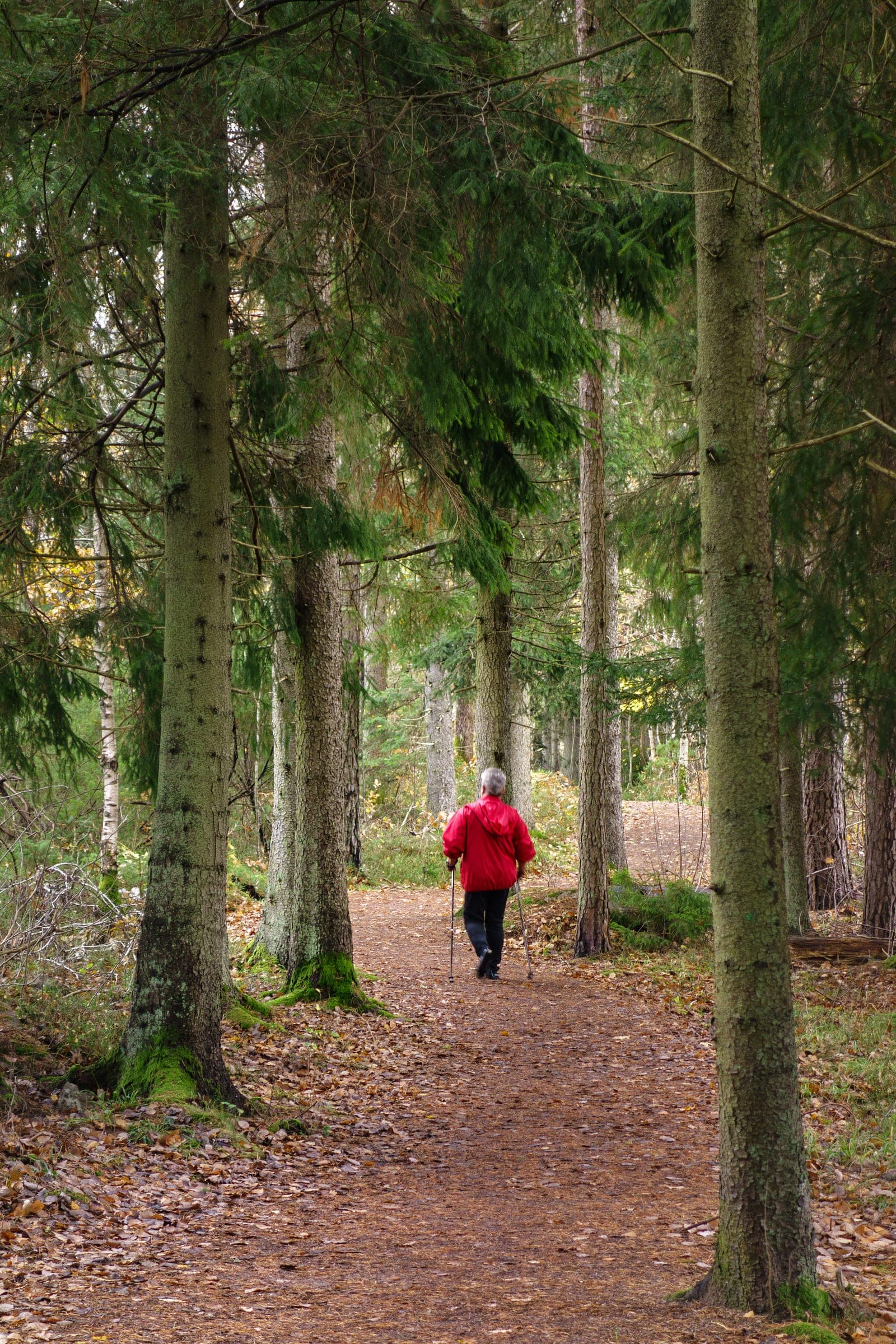
Nordic Walking
A gentle, accessible endurance activity that adds poles to bring the upper body into every walk.
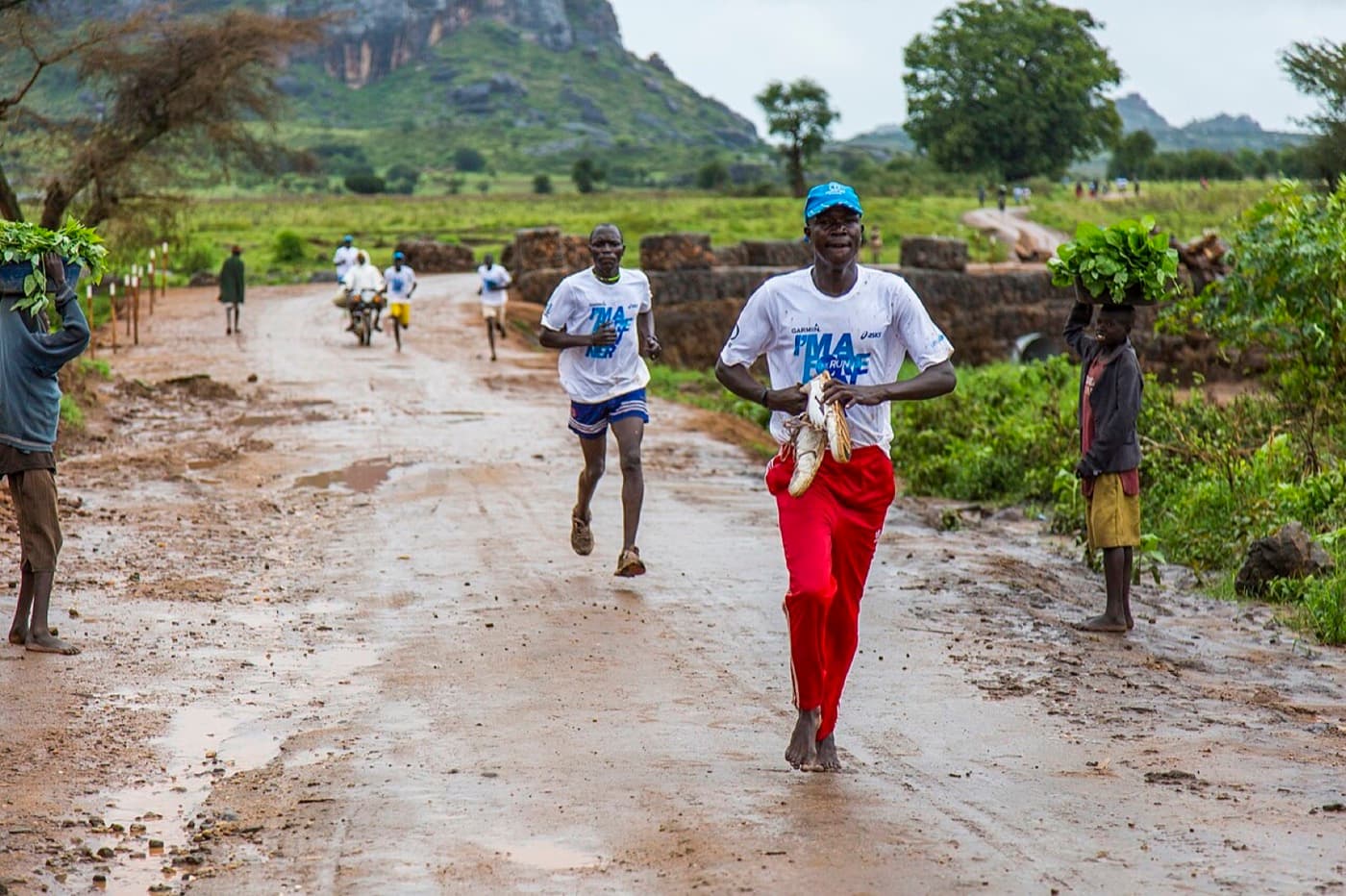
Trail Running
Running off-road on trails, hills and natural terrain, away from pavements and traffic.
Compare Snowshoeing with…
Deciding between Snowshoeing and something similar? See how they line up side by side.
Alpine Skiing vs Snowshoeing
How they compare on difficulty, intensity, kit and what suits you.
Biathlon vs Snowshoeing
How they compare on difficulty, intensity, kit and what suits you.
Cross-Country Skiing vs Snowshoeing
How they compare on difficulty, intensity, kit and what suits you.
Hiking vs Snowshoeing
How they compare on difficulty, intensity, kit and what suits you.
Nordic Walking vs Snowshoeing
How they compare on difficulty, intensity, kit and what suits you.
Sledding vs Snowshoeing
How they compare on difficulty, intensity, kit and what suits you.
Reach your goals with Snowshoeing
People take up Snowshoeing for all kinds of reasons. Here is what it can help you work towards.
Who & where Snowshoeing fits
Sport should fit your life. Here is who Snowshoeing suits and when it works.
How it connects
The meaning-bearing relationships that place Snowshoeing in the wider knowledge graph — each one with the reason it exists.
Alternative to
Comparable enough that people choose between them.
- Alpine SkiingSnowshoeing and Alpine Skiing are close enough that the platform maintains a side-by-side comparison of them.
- BiathlonSnowshoeing and Biathlon are close enough that the platform maintains a side-by-side comparison of them.
- Cross-Country SkiingSnowshoeing and Cross-Country Skiing are close enough that the platform maintains a side-by-side comparison of them.
- HikingSnowshoeing and Hiking are close enough that the platform maintains a side-by-side comparison of them.
- Nordic WalkingSnowshoeing and Nordic Walking are close enough that the platform maintains a side-by-side comparison of them.
Helps achieve
A recognised route towards these goals.
Explore across the knowledge base
Follow the threads that connect Snowshoeing to the rest of SocialSportHub.
Healthy living
- WalkingThe most accessible activity there is — free, low-impact, and one of the easiest ways to add movement to any day.
- Movement for Stress ReliefHow gentle, regular movement is widely associated with feeling calmer — a simple, accessible way to support everyday stress management.
- Taking the StairsChoosing stairs over the lift as a simple, no-cost way to add a little more effort to an ordinary day.
- Recovery walkingEasy, relaxed walking used as a way to recover — a low-effort way to keep moving on off days and after harder sessions.
Go deeper with Snowshoeing
Everywhere else on the platform that covers Snowshoeing — assembled from what actually references it, so nothing here is a dead end.
Compare it
Head-to-head studies against the entities people actually weigh it against.
- Snowshoeing vs Alpine SkiingSide by side on the qualities that differ.
- Snowshoeing vs BiathlonSide by side on the qualities that differ.
- Snowshoeing vs Cross-Country SkiingSide by side on the qualities that differ.
- Snowshoeing vs HikingSide by side on the qualities that differ.
- Snowshoeing vs Nordic WalkingSide by side on the qualities that differ.
- Snowshoeing vs SleddingSide by side on the qualities that differ.
Kit it out
Equipment guidance drawn from the graph, with no brands and no affiliate links.
Take it away
Open data and the whole-platform view of this subject.
How this page is maintained
- Content type
- Sport
- Provenance
- Tier A — evergreen educational
- Verified external sources
- 0
- Content updated
- 2026-07-06
Evergreen, first-party explanation — it makes no claim that needs an external source. How we handle sources and reviews.
Keep going
A sport is most rewarding alongside good habits, sensible nutrition and people to share it with. Here is where to go next.
How movement supports body and mind.
Eat well to feel and perform better.
Build routines that stick.
Ways to meet others and play together.
Where to play and what to expect.
Browse the full list by category.