
Bouldering
Short, powerful climbs — no rope required

Overview
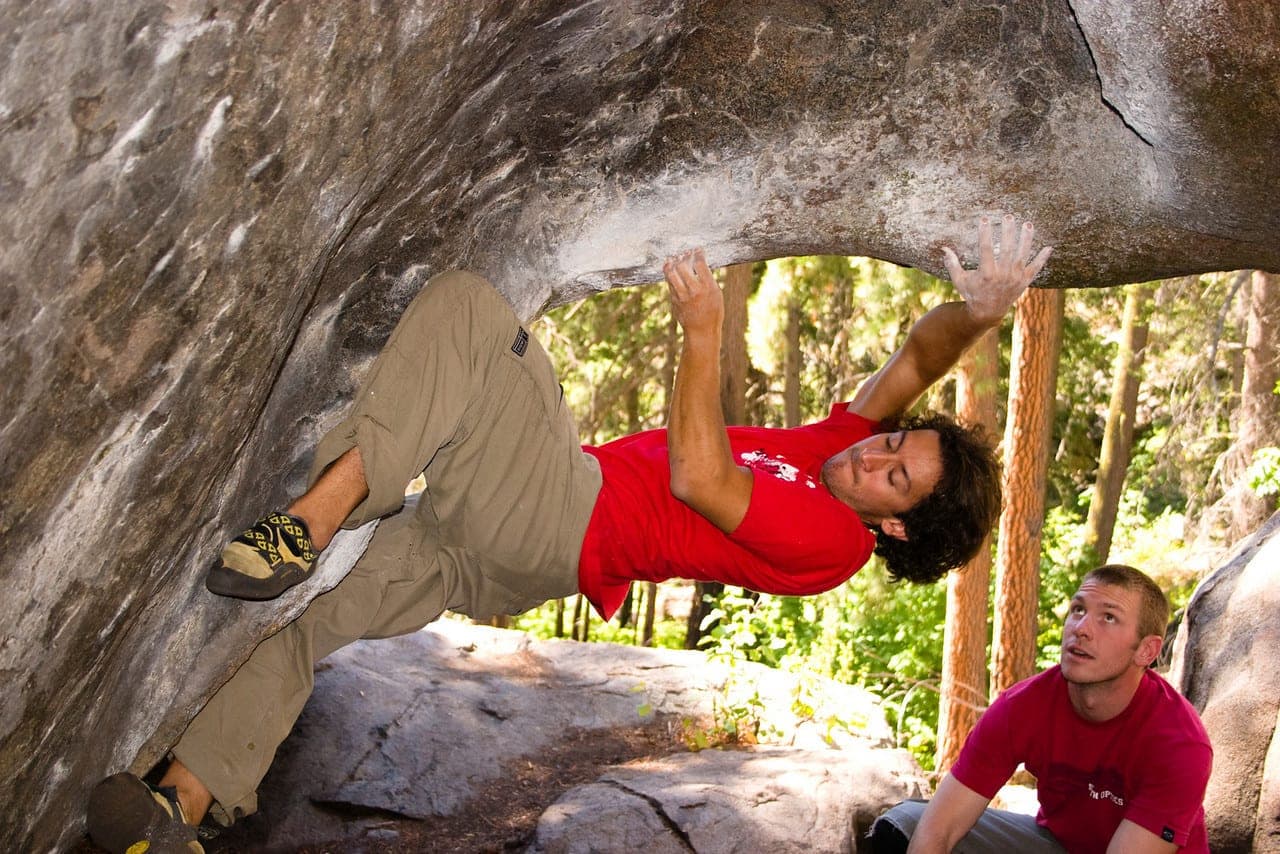
Bouldering is climbing on short walls and low rock formations without a rope, protected instead by thick padded mats below. Each climb, known as a problem, is a compact sequence of moves that rewards strength, balance and clever technique.
It is one of the most social and approachable ways into climbing: sessions are casual, there is no ropework to learn first, and climbers naturally share advice on how to solve each problem. Indoor bouldering walls make it easy to start, while outdoor boulders offer the same challenge on real rock.
Why bouldering is good for your health
- Builds strength in the arms, back, shoulders and core
- Improves grip strength, flexibility and coordination
- Encourages focused problem-solving and body awareness
- Short, powerful efforts develop control and precise movement
The social side
- A relaxed, social setting where climbers swap tips on each problem
- No belay partner needed, so it is easy to drop in and join others
- Indoor walls have a welcoming, inclusive community
How to start as a beginner
- 1Visit an indoor bouldering wall and take a short intro session
- 2Learn how to fall and land safely onto the mats
- 3Start on the easiest graded problems and focus on footwork
- 4Rest between attempts and stop before your grip is completely tired
Equipment you’ll need
- Climbing shoesEssentialAvailable to hire at most indoor walls
- Comfortable, flexible sportswearEssential
- Chalk and chalk bagOptional
- A crash pad for outdoor boulderingOptionalPortable mat placed below the climb
Where to play
Bouldering is typically played at:
Explore clubs and venues to understand the different places you can play, or see how to find people to play with.
Playing Bouldering
The equipment, rules, skills and more that make up the game — each cross-linked into the encyclopedia.
Related sports to explore
If you enjoy Bouldering, you might also like these.
Rock Climbing
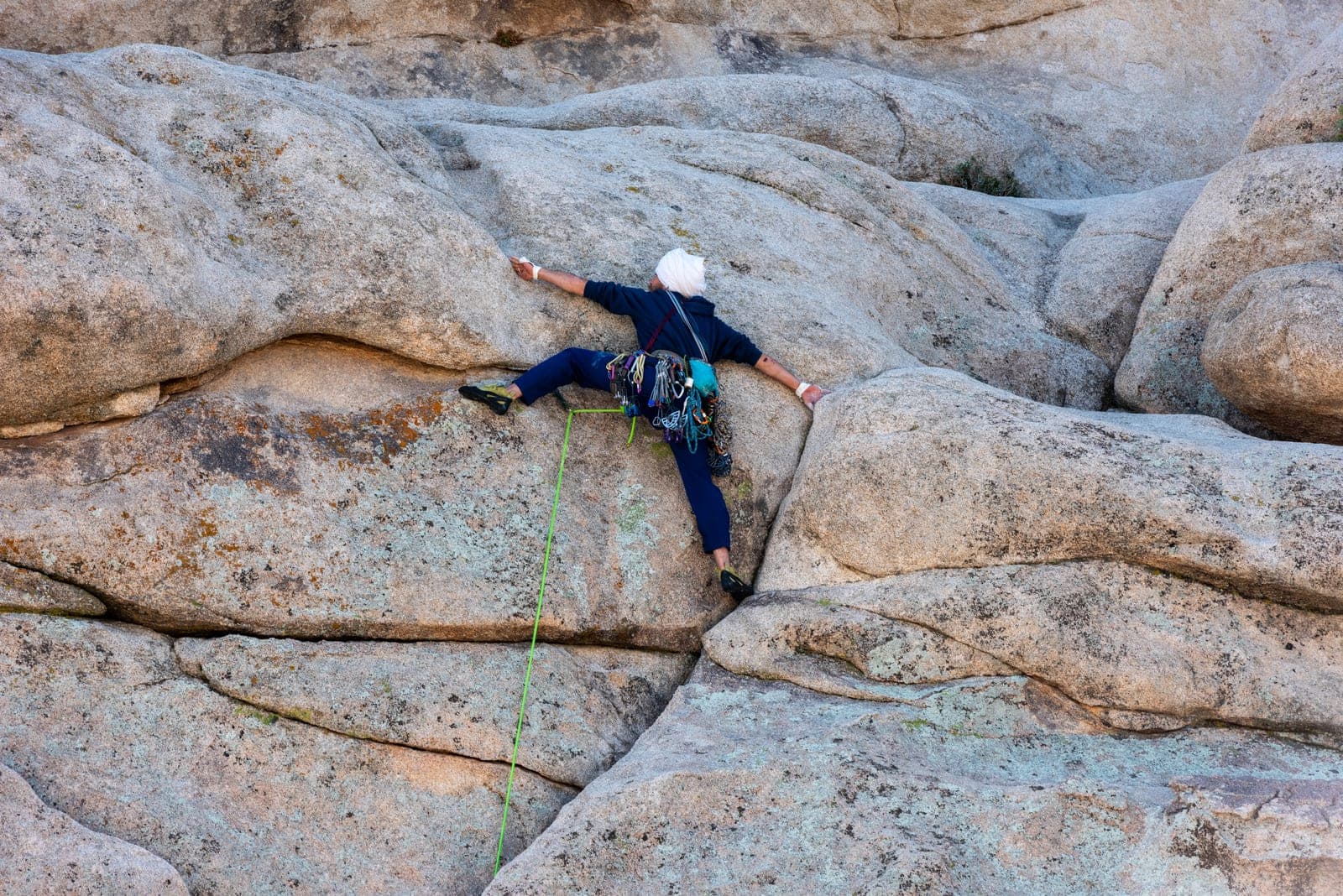
A rope-based climbing sport that pairs full-body strength with focus and careful technique, indoors or on rock.
Calisthenics
Bodyweight strength training — push-ups, pull-ups, dips and progressions you can do almost anywhere.
Hiking
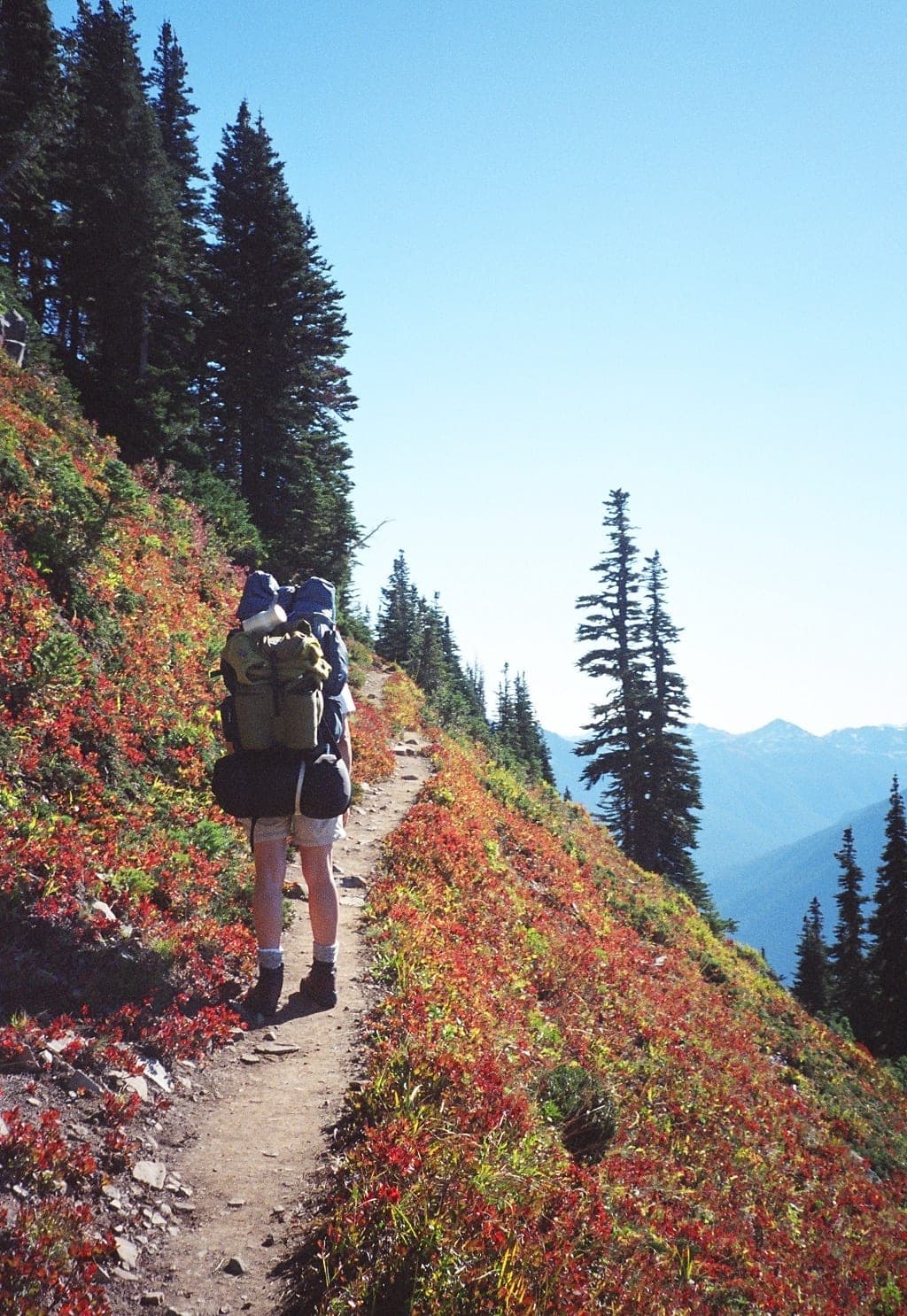
An accessible outdoor sport of walking natural trails and hills at your own pace, solo or in a group.
Compare Bouldering with…
Deciding between Bouldering and something similar? See how they line up side by side.
Bouldering vs Calisthenics
How they compare on difficulty, intensity, kit and what suits you.
Bouldering vs Hiking
How they compare on difficulty, intensity, kit and what suits you.
Bouldering vs Rock Climbing
How they compare on difficulty, intensity, kit and what suits you.
Who & where Bouldering fits
Sport should fit your life. Here is who Bouldering suits and when it works.
How it connects
The meaning-bearing relationships that place Bouldering in the wider knowledge graph — each one with the reason it exists.
Alternative to
Comparable enough that people choose between them.
- CalisthenicsBouldering and Calisthenics are close enough that the platform maintains a side-by-side comparison of them.
- HikingBouldering and Hiking are close enough that the platform maintains a side-by-side comparison of them.
- Rock ClimbingBouldering and Rock Climbing are close enough that the platform maintains a side-by-side comparison of them.
Explore across the knowledge base
Follow the threads that connect Bouldering to the rest of SocialSportHub.
Glossary
Go deeper with Bouldering
Everywhere else on the platform that covers Bouldering — assembled from what actually references it, so nothing here is a dead end.
Compare it
Head-to-head studies against the entities people actually weigh it against.
Kit it out
Equipment guidance drawn from the graph, with no brands and no affiliate links.
Take it away
Open data and the whole-platform view of this subject.
How this page is maintained
- Content type
- Sport
- Provenance
- Tier A — evergreen educational
- Verified external sources
- 0
- Content updated
- 2026-07-06
Evergreen, first-party explanation — it makes no claim that needs an external source. How we handle sources and reviews.
Keep going
A sport is most rewarding alongside good habits, sensible nutrition and people to share it with. Here is where to go next.
How movement supports body and mind.
Eat well to feel and perform better.
Build routines that stick.
Ways to meet others and play together.
Where to play and what to expect.
Browse the full list by category.