
Movement efficiency
How economically the body performs a movement — achieving the goal with the least wasted effort.
Overview
Movement efficiency describes how economically the body performs a task — achieving the intended goal with as little wasted effort as possible. An efficient runner, swimmer or cyclist tends to make the movement look smooth and unhurried, because energy is going into the intended direction rather than into unnecessary tension, extra motion or fighting the body’s own momentum.
Efficiency is closely tied to skill and coordination: as a movement becomes more familiar, it usually becomes cleaner and less effortful. It is also individual — the most efficient way to move depends on the person and the task, and is best refined with a qualified coach rather than forced to match someone else’s style.
The science
- Efficient movement achieves the task with the least wasted effort and motion.
- Energy tends to go into the intended direction rather than into unnecessary tension.
- Efficiency usually improves as a skill becomes more practised and coordinated.
- Smooth timing and good sequencing — the kinetic chain — support efficient movement.
- The most efficient technique is individual, not a single ideal for everyone.
Changing direction
The phases behind agility
- 1
Read
Pick up the cue that a change is needed — in a game, this is the part that is genuinely hard.
- 2
Decelerate
Absorb and control existing speed. You can only redirect momentum you have taken charge of.
- 3
Plant
Place a foot outside the line of travel and lower the centre of mass to push against.
- 4
Reorient
Turn the hips, trunk and eyes toward the new direction.
- 5
Re-accelerate
Drive out along the new line. Exit speed is what the whole sequence was for.
Why it matters
- It helps explain why practised athletes make hard movements look easy.
- In endurance sports, efficient technique can matter alongside fitness itself.
- It connects skill practice with the physical qualities that sustain movement.
Educational only
Where it shows up
Sports where this concept is especially visible — each with a clear guide.

Running
The most accessible endurance sport — no venue, just shoes and the open road or trail.
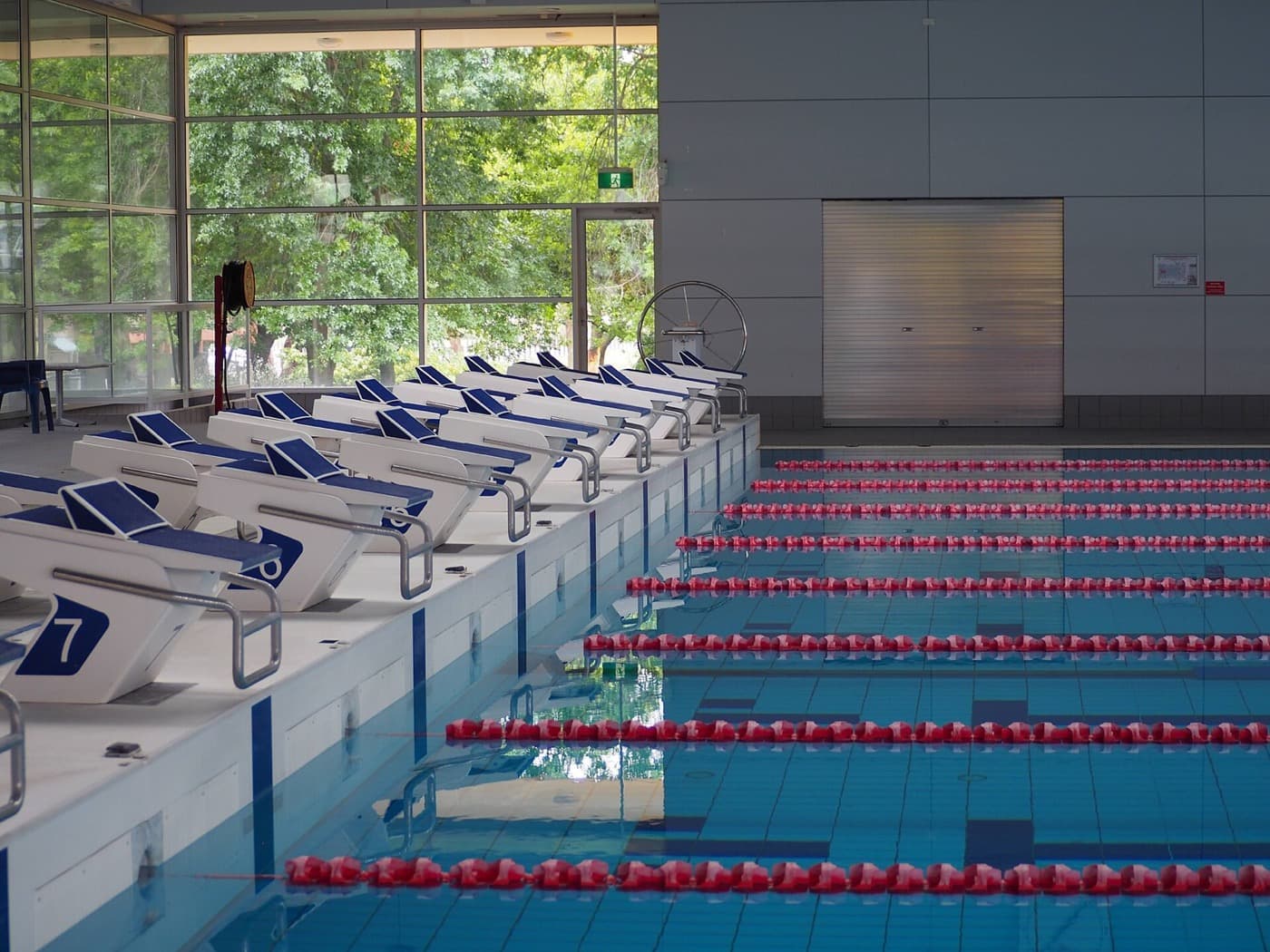
Swimming
A full-body, low-impact endurance sport suitable for almost every age and ability.
Cycling
A low-impact endurance sport that doubles as transport, exercise and adventure.
Football
The world’s most popular team sport — endless running, teamwork and community in one game.
Frequently asked questions
What does movement efficiency mean?
It means performing a movement with the least wasted effort — smooth, well-timed motion that sends energy where it is intended to go. Efficiency generally improves as a skill is practised, and the most efficient style for a given person is best refined with a qualified coach.
How it connects
The meaning-bearing relationships that place Movement efficiency in the wider knowledge graph — each one with the reason it exists.
Explains
Covers the underlying "why" for these.
- RunningMovement efficiency is one of the sports-science concepts that covers Running.
- SwimmingMovement efficiency is one of the sports-science concepts that covers Swimming.
- CyclingMovement efficiency is one of the sports-science concepts that covers Cycling.
- FootballMovement efficiency is one of the sports-science concepts that covers Football.
Explore across the knowledge base
Follow the threads that connect Movement efficiency to the rest of SocialSportHub.
Movement patterns
- BackpedalControlled backward locomotion performed while facing forward, staying low and pushing off the balls of the feet in short strides to stay reactive and keep play in view.
- BoundAn exaggerated, horizontal springing stride that transfers from one leg to the opposite leg with a long flight phase, amplifying the mechanics of running.
- Change of DirectionA planned redirection of the body from one movement vector to another, requiring an athlete to decelerate existing momentum and reaccelerate along a new line between two known points.
- Crossover StepA lateral or diagonal travelling step in which one leg crosses over the other with accompanying hip and trunk rotation, trading a stable base for greater reach and speed.
- GlideGlide is continuous, low-resistance locomotion in which the body holds a streamlined shape so that momentum generated by a preceding propulsive action carries it smoothly across a surface or through a medium.
Coaching concepts
- Repetition QualityThe attention and intent behind each repetition matter more than raw volume — focused, well-executed reps build skill faster than mindless numbers.
- Deliberate PracticeFocused, effortful practice that targets a specific weakness with full attention and immediate feedback — not just repeating what you already do well.
Knowledge Atlas
Skills
- Running formThe skill of running with efficient, relaxed and balanced movement, so that more of the effort you put in goes into travelling forward.
- BreathingThe skill of controlling the breath rhythmically to sustain effort and stay relaxed.
- PedallingThe skill of turning the pedals smoothly and at an efficient rhythm on a bike.
Techniques
- Running FormThe efficient posture and stride mechanics of distance running, keeping the body relaxed and the cadence smooth.
- PlankA static core exercise that holds the body in a straight line supported on the forearms and toes.
- Push-UpA bodyweight exercise that lowers and raises the body by bending and straightening the arms while holding a rigid plank line.
- Bodyweight SquatA foundational lower-body exercise that lowers the hips by bending the knees and hips, then stands back up, using only body weight.
Go deeper with Movement efficiency
Everywhere else on the platform that covers Movement efficiency — assembled from what actually references it, so nothing here is a dead end.
Work it out
Deterministic calculators — real published formulas, no estimates dressed as data.
Question it
Research topics that name this entity among their connections.
Take it away
Open data and the whole-platform view of this subject.
How this page is maintained
- Content type
- Sports science concept
- Provenance
- Tier A — evergreen educational
- Verified external sources
- 0
- Content updated
- 2026-07-09
Evergreen, first-party explanation — it makes no claim that needs an external source. How we handle sources and reviews.