
Reaction time
The short delay between a signal and the start of the movement made in response to it.
Overview
Reaction time is the brief interval between a stimulus — a starting signal, a served ball, an opponent's move — and the beginning of the response to it. In that instant the signal has to be sensed, recognised and turned into a movement command, so reaction time reflects how quickly the whole system can go from information to action.
It is commonly distinguished from movement time, which is how long the action itself takes once it has begun. A simple reaction to a single, expected signal tends to be quicker than a choice between several possible responses. In sport, much of what looks like lightning reaction is really anticipation — reading cues early — and how this develops for an individual is best explored with a qualified coach.
The science
- Reaction time is the delay between a stimulus and the start of the response.
- It reflects sensing a signal, recognising it and turning it into a movement.
- Reacting to one expected signal tends to be faster than choosing between several.
- Reaction time is distinct from movement time — the response itself once it has started.
- In sport, anticipation and reading cues often matter as much as raw quickness.
From stimulus to movement
What actually happens inside a reaction
- 1
Stimulus
Something happens — a ball is struck, a starter fires, an opponent shifts their weight.
- 2
Detect
The senses pick the signal out of everything else going on.
- 3
Recognise
The signal is matched against what it resembles, which is where reading the game pays off.
- 4
Choose
A response is selected. More plausible options means a slower choice.
- 5
Initiate
The command is issued and the movement begins.
Why it matters
- It explains why reading an opponent early can beat pure physical speed.
- It underpins practice that trains decision-making and quick responses under pressure.
- It connects the reaction, speed and agility that fast sports depend on.
Educational only
Where it shows up
Sports where this concept is especially visible — each with a clear guide.
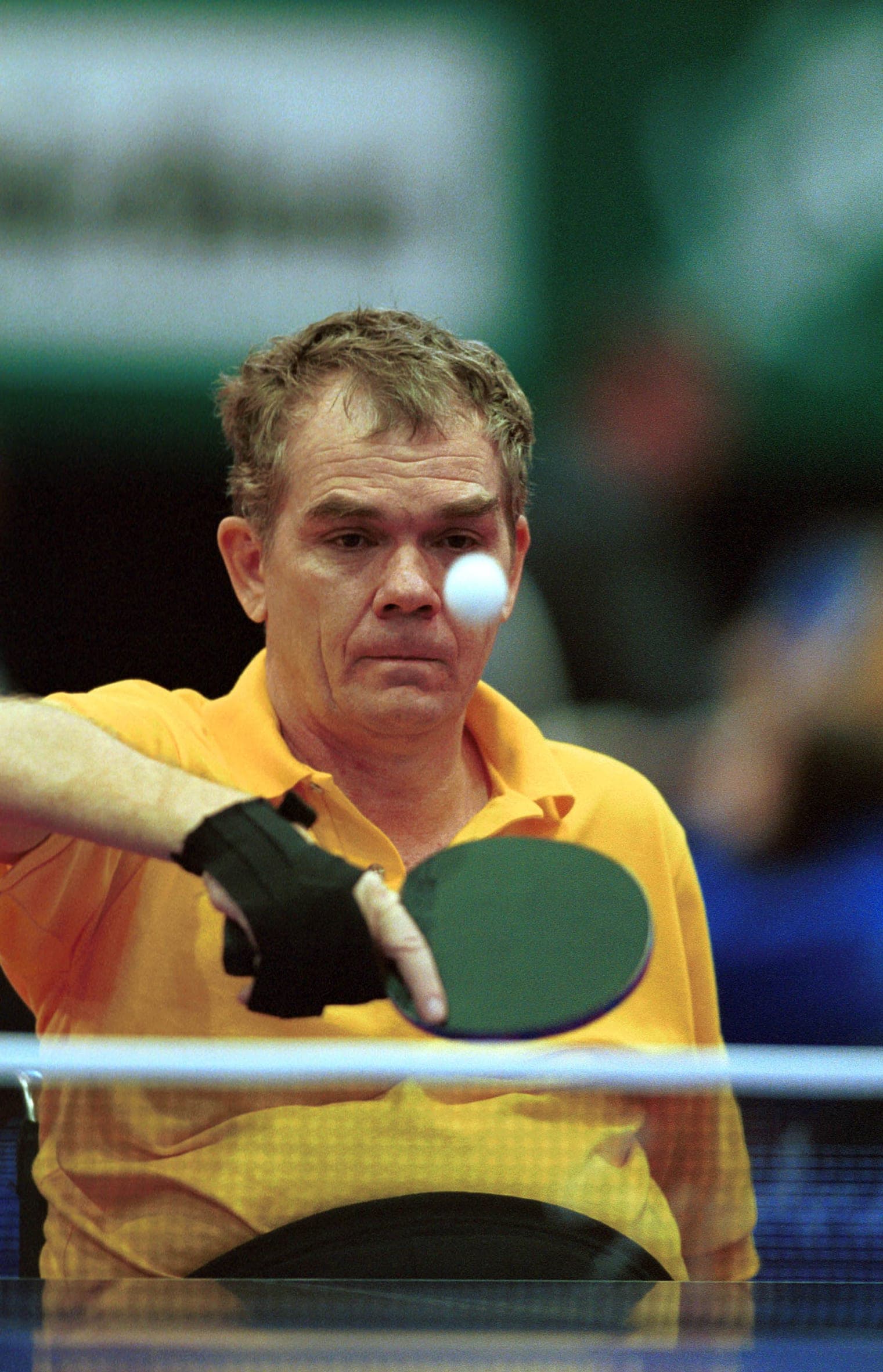
Table Tennis
A fast, low-impact indoor racquet sport that sharpens reflexes and is easy to start.
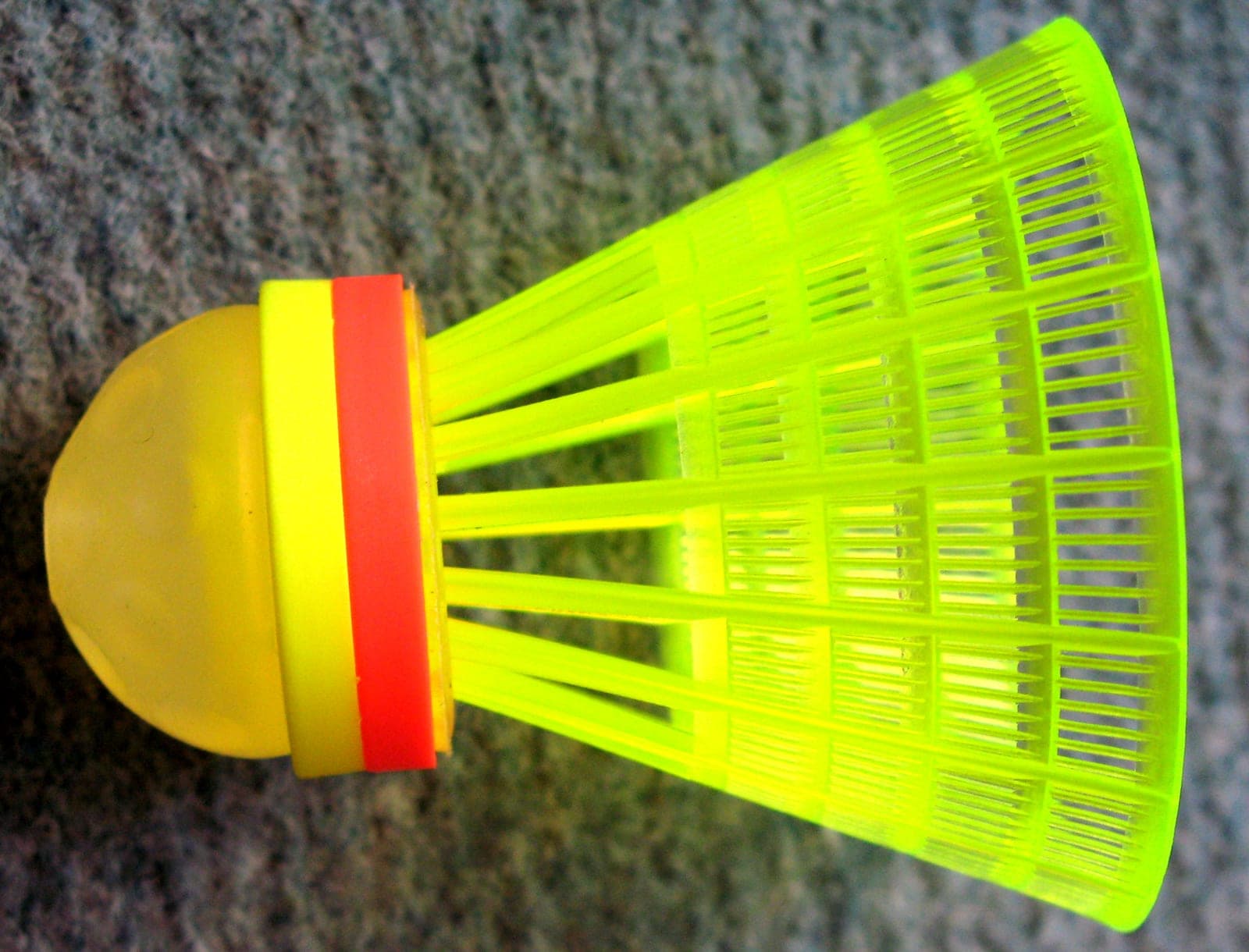
Badminton
A fast indoor racquet sport played with a shuttlecock that rewards agility and touch.
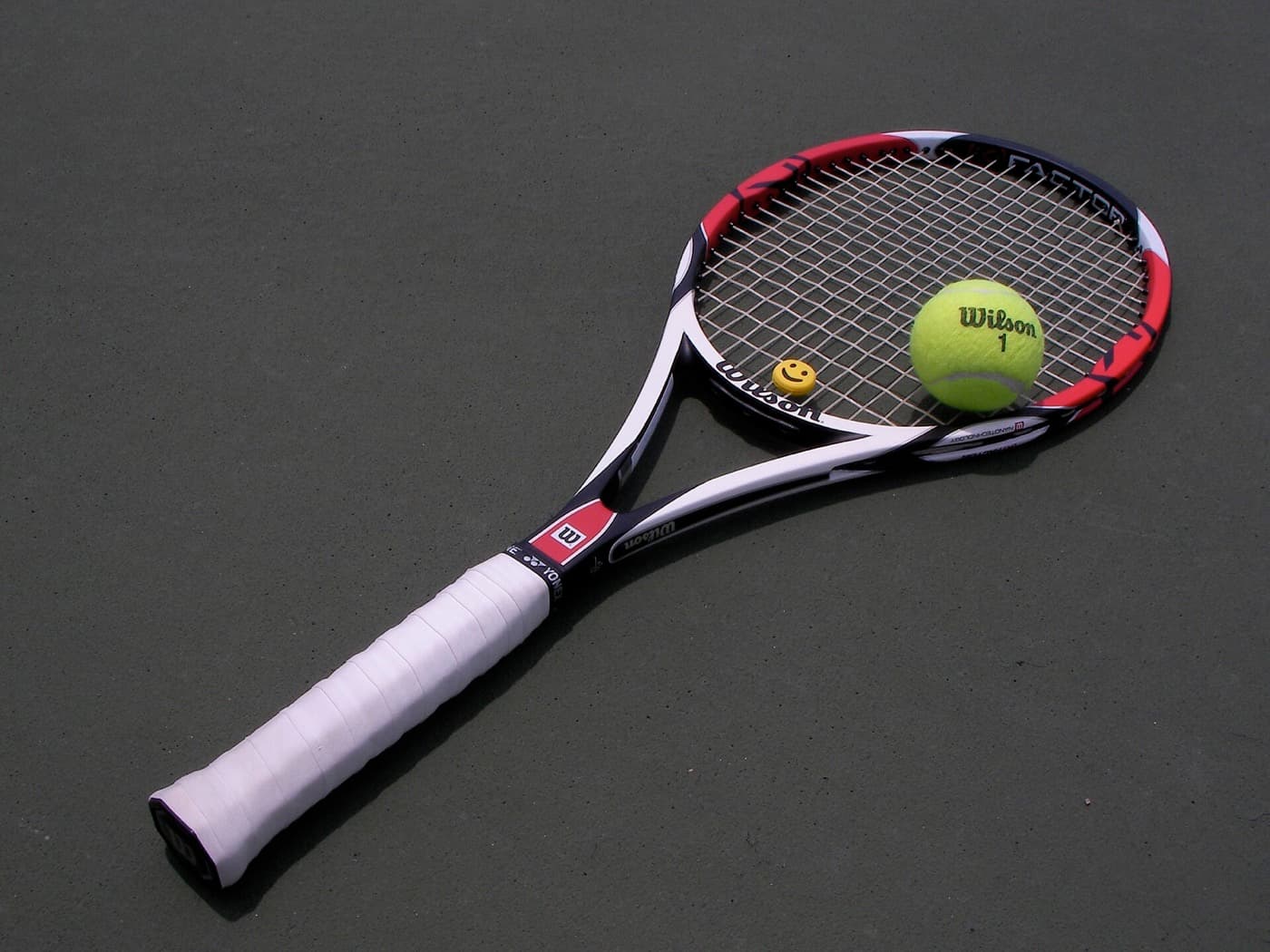
Tennis
A singles or doubles racquet sport that blends agility, strategy and stamina on court.
Frequently asked questions
What is reaction time in sport?
Reaction time is the short delay between a signal and the start of the response to it — for example, between an opponent's shot and your first move. Reacting to a single expected cue tends to be faster than choosing between options, and much of sporting quickness comes from anticipating cues early. How to develop it is best guided by a qualified coach.
Can reaction time be improved?
Practice that involves reacting to realistic cues and making quick decisions is widely used to sharpen responses, and anticipation in particular tends to improve with experience. How much raw reaction time itself changes varies from person to person. A qualified coach can help design suitable practice.
How it connects
The meaning-bearing relationships that place Reaction time in the wider knowledge graph — each one with the reason it exists.
Explore across the knowledge base
Follow the threads that connect Reaction time to the rest of SocialSportHub.
Movement patterns
- BackpedalControlled backward locomotion performed while facing forward, staying low and pushing off the balls of the feet in short strides to stay reactive and keep play in view.
- CatchReceiving a moving object and securing it under control, absorbing its momentum by yielding along its path so kinetic energy is dissipated rather than rebounded away.
- CutA sharp, frequently reactive plant-and-redirect performed in a single decisive foot contact to evade an opponent or abruptly alter a line of travel.
- SlideA slide is a controlled, low-friction skid of the body or foot along a surface, used to brake, extend reach, or hold a line, where managed friction and a lowered centre of gravity govern the movement.
- StrikeA ballistic, whole-body hitting action that channels ground-generated force through a proximal-to-distal kinetic chain to deliver momentum to a target via the hand, an implement or a body part at the moment of contact.
Coaching concepts
- Decision-Making PracticeTraining athletes to read cues and choose the right action under pressure — coupling perception to action, not just rehearsing physical technique in isolation.
- Small-Sided GamesPractising in scaled-down versions of a sport — fewer players, smaller area — so skills and decisions happen more often in a game-like setting.
- Constraints-Led PracticeA coaching approach that adjusts the task, environment or rules so a desired movement or decision emerges in practice, rather than being explicitly instructed.
Goals
- Improve reaction speedRespond faster to what you see, hear and feel by training with fast, unpredictable activities and drills.
- Improve balanceTrain steadiness and control at any age with simple, progressive balance practice done safely.
- Improve flexibilityLengthen your muscles and widen your range of motion through regular, gentle stretching over time.
Decision making
- Reading an opponentPicking up an opponent's cues — stance, weight, positioning and habits — to sense what they are likely to do and decide how to respond.
- Situational awarenessHolding an overall picture of what is happening around you — teammates, opponents, ball, space and the state of the game — and keeping it updated as play unfolds.
- AnticipationForming an expectation of what is likely to happen next, and starting to prepare for it before it does.
- Time-pressure decisionsChoosing what to do when there is very little time between reading a situation and having to act.
- Decision speedHow quickly a choice is made — the tempo of deciding, and how it trades off against getting the choice right.
Knowledge Atlas
Recommendations
- Recommended for “Improve reaction speed”Sports, qualities, a learning path and first steps for “Improve reaction speed” — every suggestion a real graph link, shown with its reason.
- Recommended for “Improve sleep”Sports, qualities, a learning path and first steps for “Improve sleep” — every suggestion a real graph link, shown with its reason.
Go deeper with Reaction time
Everywhere else on the platform that covers Reaction time — assembled from what actually references it, so nothing here is a dead end.
Question it
Research topics that name this entity among their connections.
Take it away
Open data and the whole-platform view of this subject.
How this page is maintained
- Content type
- Sports science concept
- Provenance
- Tier A — evergreen educational
- Verified external sources
- 0
- Content updated
- 2026-07-09
Evergreen, first-party explanation — it makes no claim that needs an external source. How we handle sources and reviews.