
Disability and sport
An overview of how disabled people take part in sport — for health, enjoyment, community and competition — and the ideas that support inclusion.
Overview
Disability and sport looks at the broad relationship between disability and physical activity: the many ways disabled people take part, the benefits they often describe, and the ideas — such as adaptation, inclusion and accessibility — that help make sport open to all.
Disability is diverse, and so is participation, from a gentle community walk to elite para competition. The common thread is that sport can offer fitness, enjoyment, friendship and confidence to everyone.
What to know
- An overview of how disabled people take part in sport, from recreation to competition.
- Disability is diverse — physical, sensory and intellectual — and participation is just as varied.
- Key supporting ideas include adaptive sport, inclusion, accessibility and classification.
- Reported benefits often include fitness, wellbeing, social connection and confidence.
- Respectful, current language matters when talking about disability and sport.
In practice
- Language preferences differ between people and communities, so it is respectful to follow how someone describes themselves.
- Being active looks different for everyone — there is no single 'right' way to take part.
- This is general information, not medical or rehabilitation advice; for anything specific to an individual, consult a qualified professional and the sport's governing body.
Educational & inclusive
Related sports
Sports that connect to this topic — each with a clear, beginner-friendly guide.
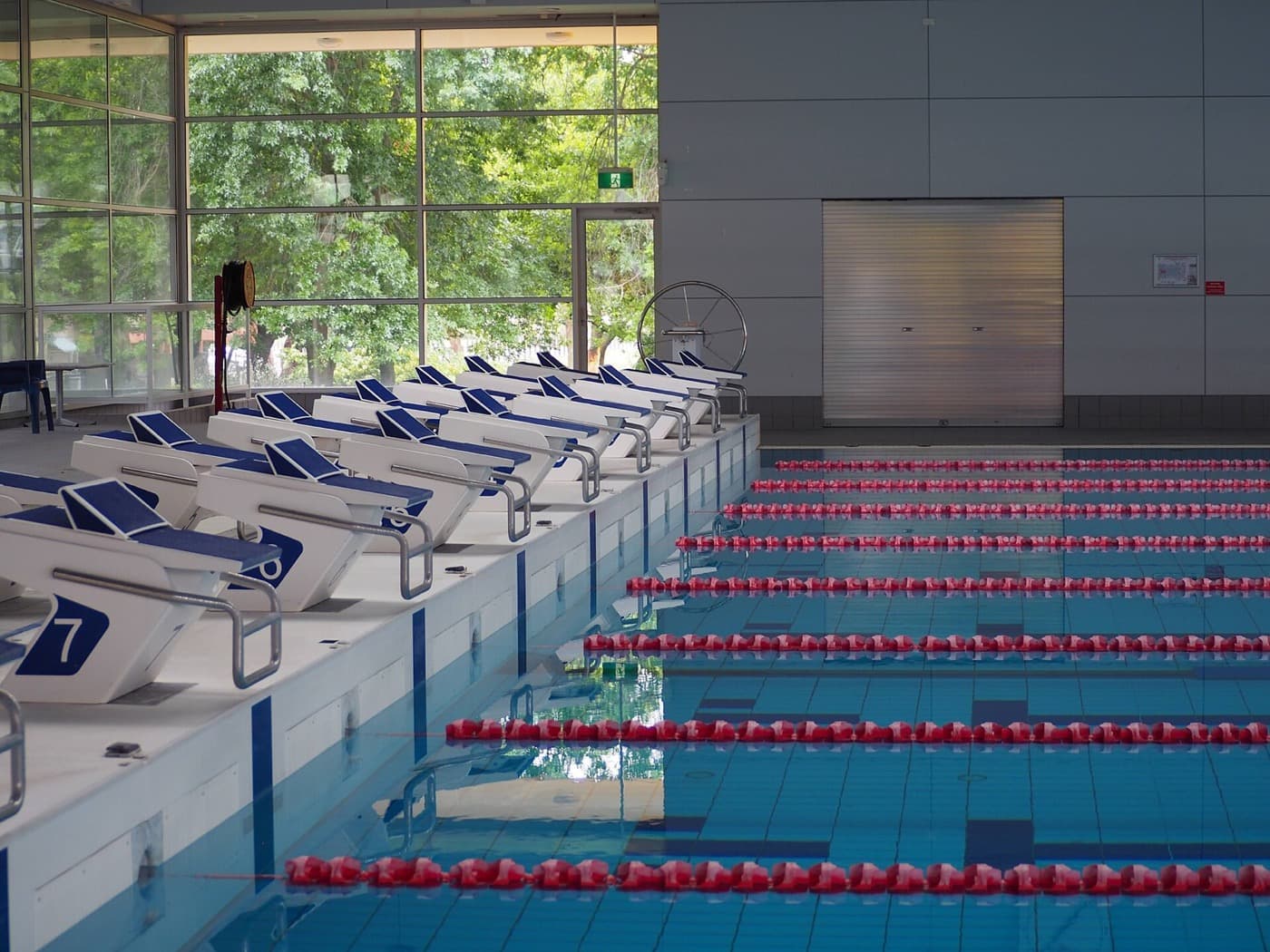
Swimming
A full-body, low-impact endurance sport suitable for almost every age and ability.
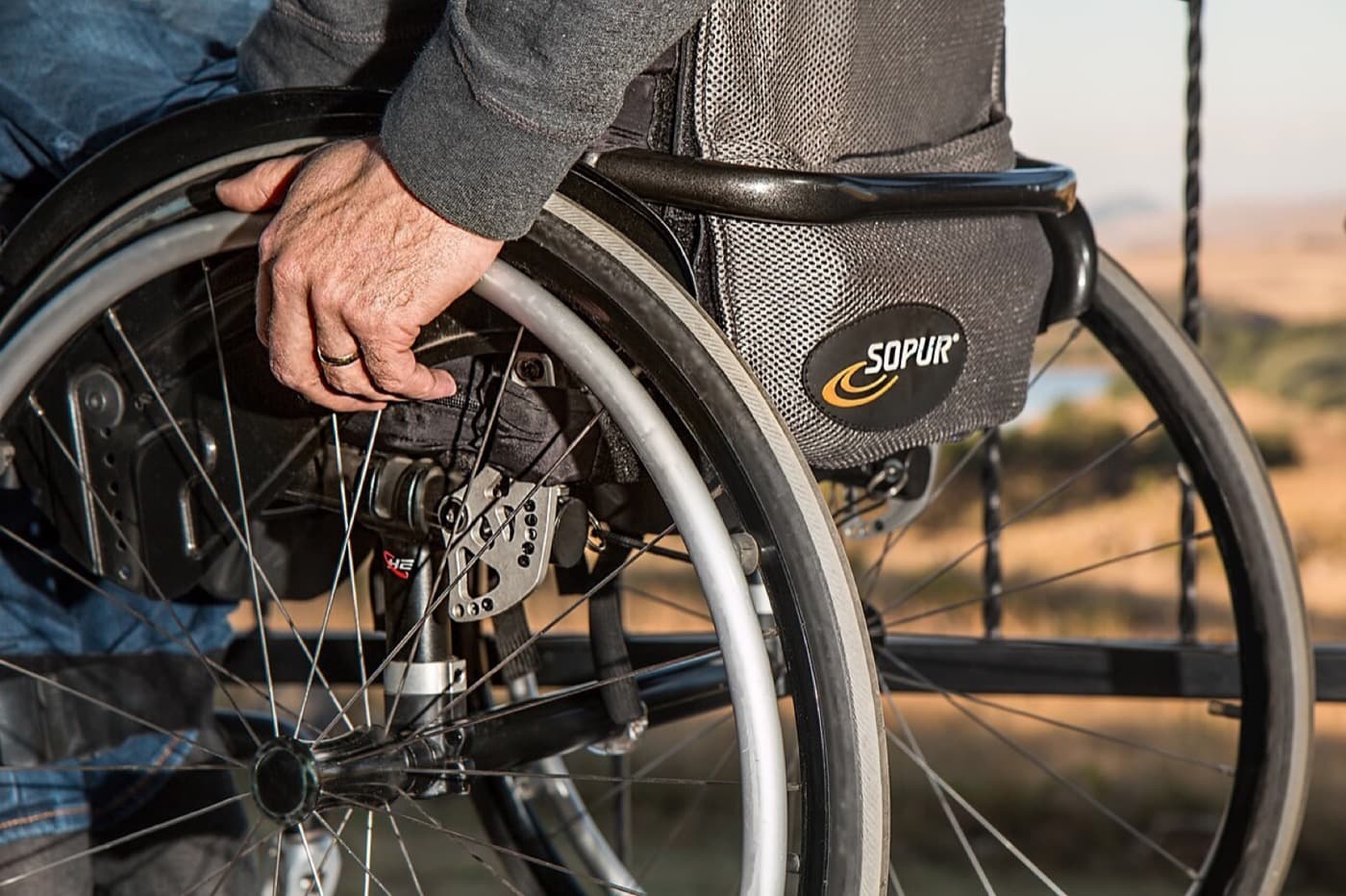
Cycling
A low-impact endurance sport that doubles as transport, exercise and adventure.
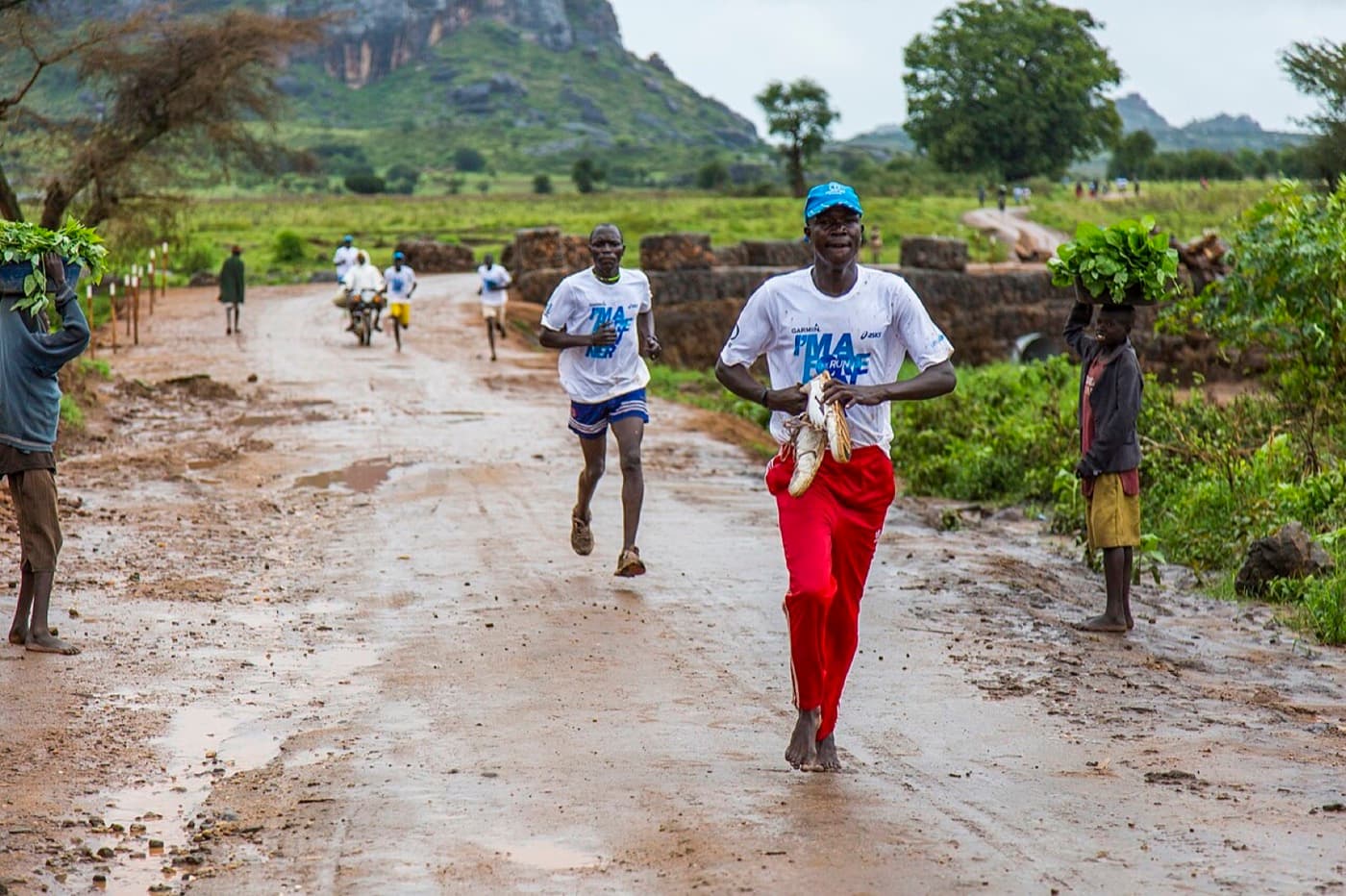
Running
The most accessible endurance sport — no venue, just shoes and the open road or trail.
Goals it supports
Build an active lifestyle
Make movement a natural, lasting part of daily life through activities and habits you genuinely enjoy.
Improve mental wellbeing
Use regular, enjoyable activity to support your mood, connection and sense of wellbeing as one healthy habit among many.
Build confidence
Use sport and steady progress to feel more capable, comfortable and self-assured over time.
Social activities
Use sport as a way to meet people, make friends and stay connected while staying active.
Frequently asked questions
How do disabled people take part in sport?
In many ways — through adaptive versions of mainstream sports, inclusive mixed-ability sessions and competitive para sport, as well as everyday activity like walking or swimming. The right option depends on a person's interests, goals and preferences. A qualified professional and the sport's governing body can help with specifics.
What language should I use when talking about disability and sport?
Respectful, current language that focuses on the person and their ability is best, and preferences vary between individuals and communities. Following how someone describes themselves, and avoiding outdated or pitying phrases, is a good general rule.
Explore across the knowledge base
Follow the threads that connect Disability and sport to the rest of SocialSportHub.
People
- Complete beginnersHow to start sport from scratch with accessible, low-pressure activities and a gentle, gradual approach.
- Recreational athletesHow the platform fits someone who plays regularly for enjoyment and fitness rather than competition — staying active, sociable and healthy through sport.
- CouplesHow sport can fit two people doing it together — shared activity that doubles as time together, mutual motivation and a common goal.
Healthy living
- WalkingThe most accessible activity there is — free, low-impact, and one of the easiest ways to add movement to any day.
- Active Daily ChoicesThe many small choices in a day that quietly add movement — taking the stairs, standing more, and picking the more active option when you can.
- Active CommutingBuilding movement into the journey to work or school — walking or cycling all or part of the way, so travel time doubles as active time.
- Sports Nutrition BasicsA gentle introduction to fuelling an active body — the general ideas behind eating for energy, performance and recovery.
- Healthy SnacksSimple, satisfying snacks that top up energy between meals — handy for busy days and active ones.
Knowledge Atlas
Motivations
- To have funWhen enjoyment is the point, playful, varied and social sports keep you coming back — because the best activity is the one you look forward to.
- To stay healthyWhen health is the driver, regular, sustainable activity across fitness, strength and mobility supports an active life for the long term.
Recommendations
- Recommended for “Family activities”Sports, qualities, a learning path and first steps for “Family activities” — every suggestion a real graph link, shown with its reason.
- Recommended for “Sports for women”Sports, qualities, a learning path and first steps for “Sports for women” — every suggestion a real graph link, shown with its reason.
How this page is maintained
- Content type
- Adaptive sports topic
- Provenance
- Tier A — evergreen educational
- Verified external sources
- 0
- Content updated
- 2026-07-09
Evergreen, first-party explanation — it makes no claim that needs an external source. How we handle sources and reviews.