
Build confidence
Use sport and steady progress to feel more capable, comfortable and self-assured over time.
How sport helps
Confidence in sport often grows from doing something, seeing it get a little easier, and realising you can handle more than you expected. Visible progress — a skill learned, a distance reached, a session completed — gives clear evidence that effort pays off.
This is a gradual, personal process rather than a switch that flips. Many people find that setting small, achievable steps and noticing their own improvement helps confidence build naturally, and that it can carry over into other parts of life.
- Learning and improving a skill gives concrete evidence of progress, which many people find builds a sense of capability over time.
- Setting and reaching small, realistic goals can create a steady run of small wins that reinforce self-belief.
- Stepping slightly outside a comfort zone in a supportive setting can help people feel more comfortable trying new things generally.
- Encouragement from coaches, teammates or training partners often makes it easier to keep going and to value effort over results.
A note on health information
Getting started
- 1Pick an activity that appeals to you and start at a level that feels manageable, not intimidating.
- 2Set small, specific goals you can actually reach, and treat each one as a genuine milestone.
- 3Track your own progress rather than comparing yourself to others, since your own trend is what matters.
- 4Consider a beginner class, coach or friendly group where a supportive environment makes early attempts feel safer.
Good sports for this goal
Great places to start — each with a clear, beginner-friendly guide.
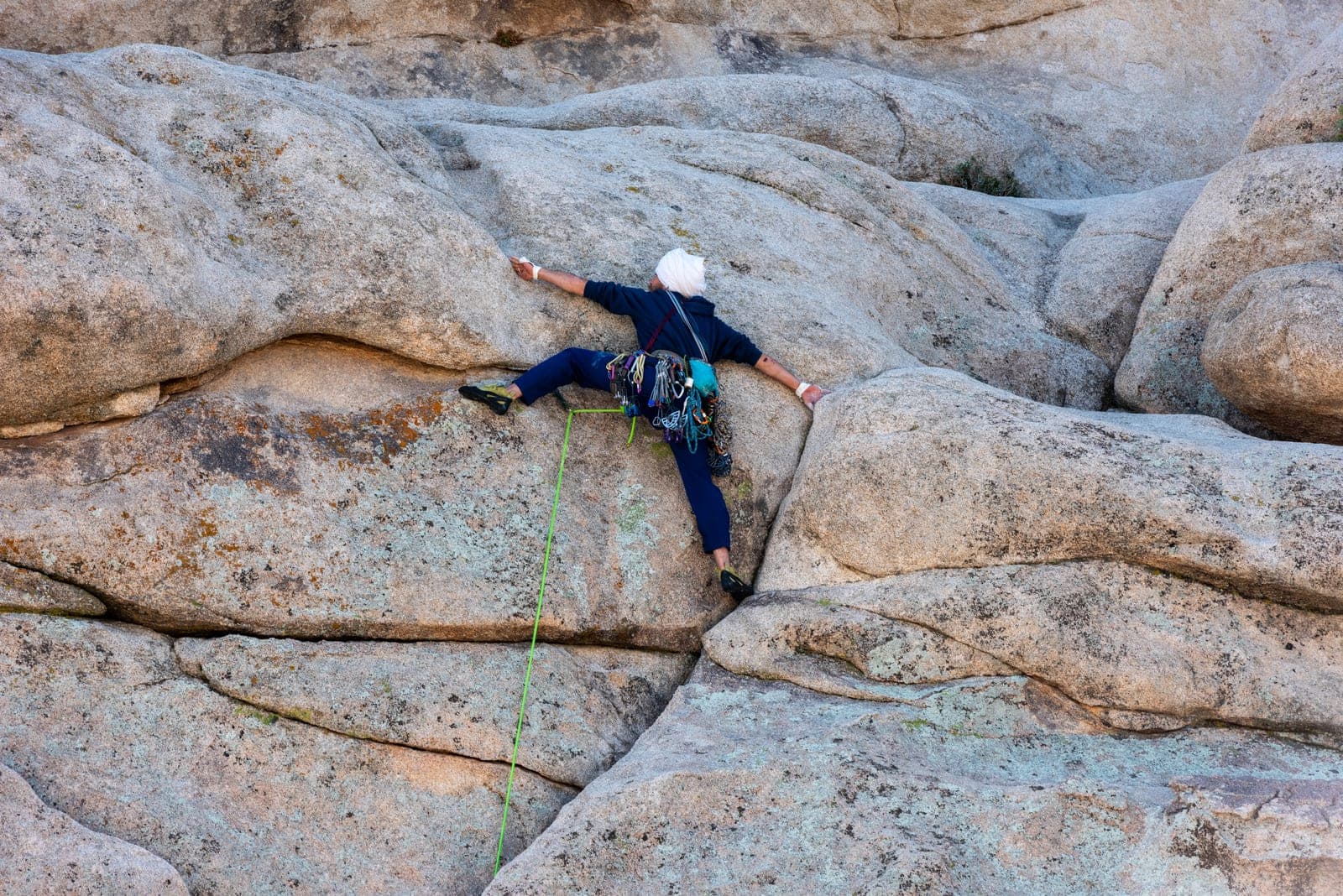
Rock Climbing
A rope-based climbing sport that pairs full-body strength with focus and careful technique, indoors or on rock.

Swimming
A full-body, low-impact endurance sport suitable for almost every age and ability.
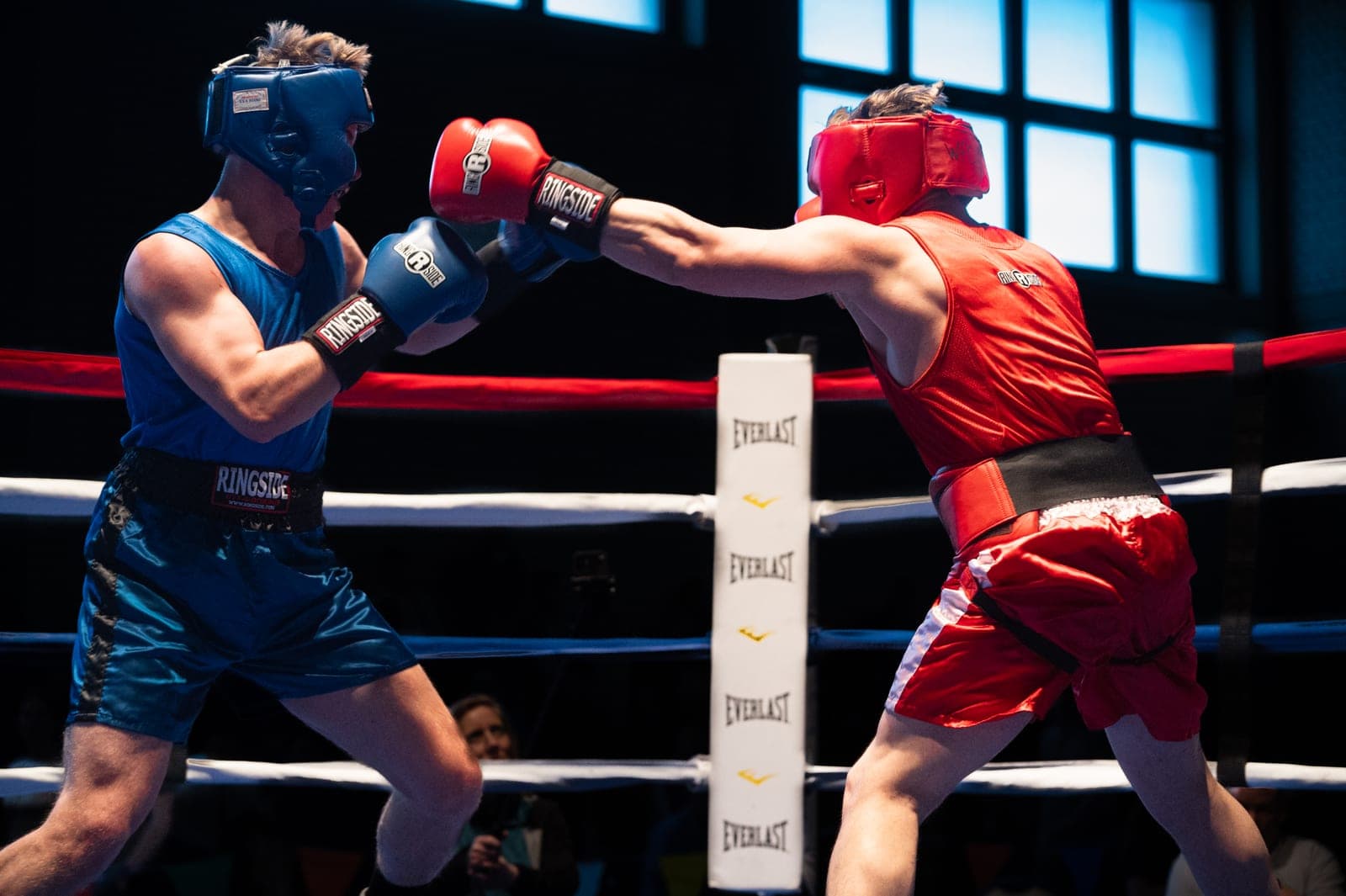
Boxing
A striking combat sport built on footwork, timing and conditioning, practised from fitness drills to controlled sparring.

Running
The most accessible endurance sport — no venue, just shoes and the open road or trail.
Calisthenics
Bodyweight strength training — push-ups, pull-ups, dips and progressions you can do almost anywhere.
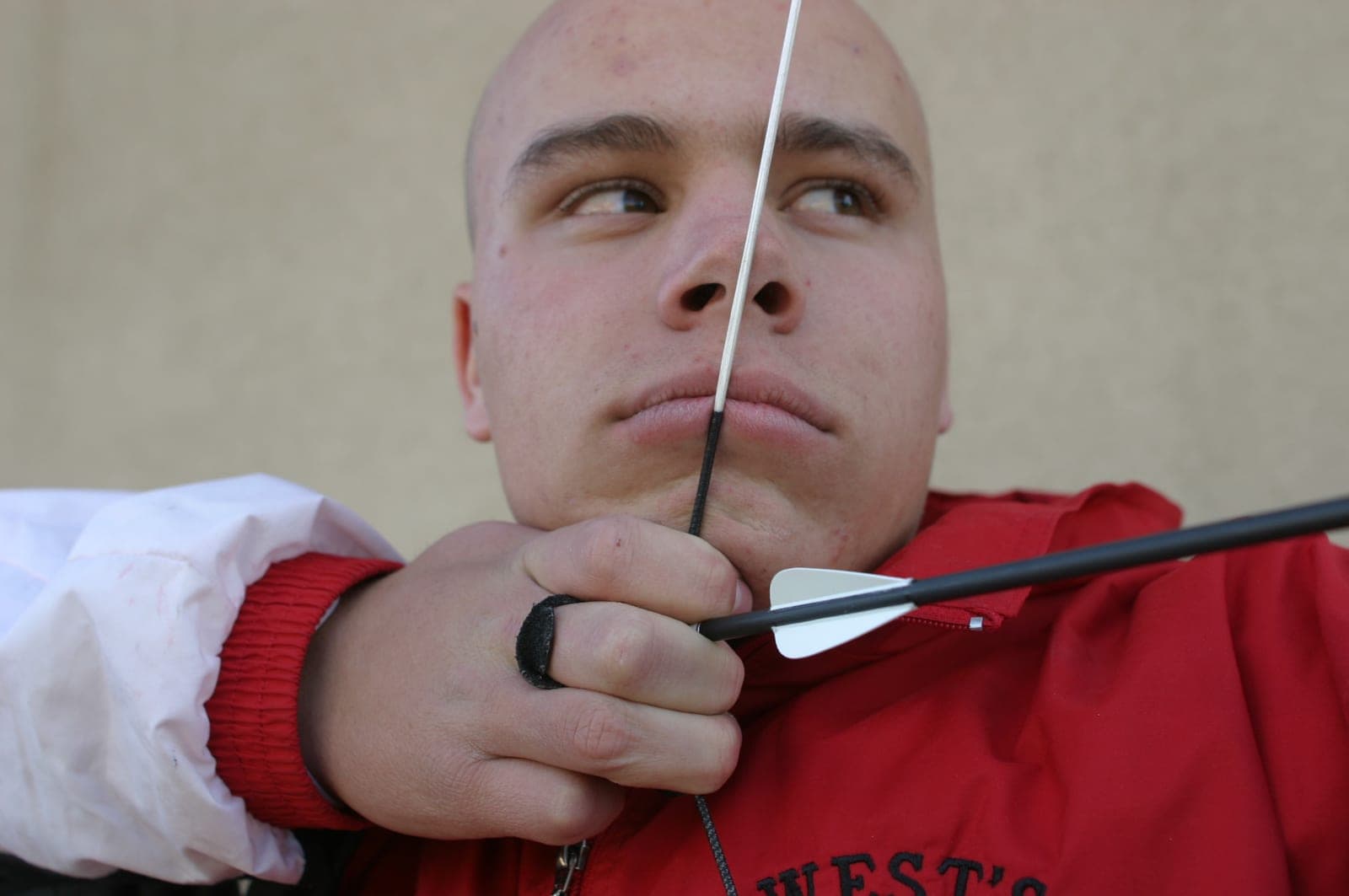
Archery
A precision target sport of drawing a bow and aiming at a target, rewarding focus, control and a steady hand.
Also fits this goal
Sports beyond the shortlist above that genuinely serve this goal, each with the reason it does and what it costs you. These are editorial judgements about how a sport is typically played, not source-verified facts.
- Strong fitBouldering
Problems are graded in small steps, so there is almost always a next one within reach — progress is visible session to session.
What it costs you: Falling is part of it, even onto matting, and grip strength takes months to catch up with what your legs can already do.
- Situational fitSkateboarding
Progress is visible and entirely your own: a trick either lands or it does not, and nobody grades it.
What it costs you: It is also slow and public, and the early weeks are mostly failing in front of people. That suits some and not others.
Train for it
Exercises and methods that build what this goal needs — educational, not a prescription.
Squat
A foundational lower-body movement where you bend at the hips and knees to lower down and stand back up.
Goblet squat
A squat variation where you hold a single weight close to your chest for balance and control.
Wall sit
A holding exercise where you sit against a wall with no chair, holding a squat position still.
Lunge
A single-leg movement where you step forward and bend both knees to lower your body.
Bulgarian split squat
A single-leg squat where the back foot is raised on a bench behind you.
Step-up
A movement where you step up onto a raised platform one leg at a time and step back down.
Frequently asked questions
How can sport help me build confidence?
Sport gives frequent, visible feedback: you learn skills, complete sessions and reach small goals. Many people find that this steady evidence of progress helps them feel more capable, and that the feeling can carry over into everyday situations.
Which sports are good for building confidence?
Any activity where you can see yourself improving works well. Sports with clear, personal milestones — such as climbing, swimming, running, calisthenics, boxing skills or archery — let you measure progress against your own past self rather than against others.
What if I feel self-conscious as a beginner?
Feeling unsure at the start is very common. Beginner classes, patient coaches and friendly groups exist for exactly this reason. Focusing on your own small steps, rather than how you compare to others, usually makes early sessions feel more comfortable.
Related goals
Sports for beginners
How to start playing sport from scratch — choosing a first activity and building up gently.
Discipline
Build consistency, focus and self-discipline through the routines that sport and training encourage.
Social activities
Use sport as a way to meet people, make friends and stay connected while staying active.
Build healthy habits
Using sport and routine to make regular activity a lasting part of everyday life.
Who & where this fits
This goal fits all kinds of people and lifestyles.
Children
How sport can fit into a child’s life through play, variety and supported, age-appropriate movement.
Teenagers
How sport can fit into a teenager’s life for fitness, friendship, confidence and healthy routines, with supervision.
Complete beginners
How to start sport from scratch with accessible, low-pressure activities and a gentle, gradual approach.
How it connects
The meaning-bearing relationships that place Build confidence in the wider knowledge graph — each one with the reason it exists.
Achieved through
Routes people take towards this goal.
- Rock ClimbingRock Climbing is one of the sports listed under the “Build confidence” goal.
- SwimmingSwimming is one of the sports listed under the “Build confidence” goal.
- BoxingBoxing is one of the sports listed under the “Build confidence” goal.
- RunningRunning is one of the sports listed under the “Build confidence” goal.
- CalisthenicsCalisthenics is one of the sports listed under the “Build confidence” goal.
Explore across the knowledge base
Follow the threads that connect Build confidence to the rest of SocialSportHub.
Barriers
- Low motivationWhen motivation is hard to find, the fix is rarely more willpower — it is making the activity smaller, easier and more enjoyable so starting is simple.
- Nervous about startingWhen starting feels intimidating, beginner-friendly, low-pressure settings and a gentle first step make the first move far easier.
- Low confidenceWhen self-consciousness gets in the way, private or beginner-friendly settings and steady, visible progress help confidence grow through doing.
- Never played sportWhen you are starting from zero, beginner pathways, basic skills and patience with the learning curve turn "no experience" into a fresh start.
- No one to play withWhen you have no training partner, individual sports, beginner groups and finding-people options open the door to solo and social activity alike.
Motivations
Experience levels
Adaptive sports
- Adaptive sportsSport adjusted in its equipment, rules or format so that people with disabilities can take part, compete and enjoy it.
- Para sportsThe competitive branch of adaptive sport, where athletes with disabilities train and compete, often within organised classification systems.
- Inclusive sportsSport designed or delivered so that disabled and non-disabled people can play together, side by side, in the same activity.
- Accessibility in sportHow sport removes barriers — physical, sensory, social and informational — so that disabled people can take part on equal terms.
- Disability and sportAn overview of how disabled people take part in sport — for health, enjoyment, community and competition — and the ideas that support inclusion.
Coaching concepts
- ProgressionBuilding skill and training load in gradual, manageable steps so each stage prepares the next, moving from simple to complex and easy to hard.
- Decision-Making PracticeTraining athletes to read cues and choose the right action under pressure — coupling perception to action, not just rehearsing physical technique in isolation.
- Small-Sided GamesPractising in scaled-down versions of a sport — fewer players, smaller area — so skills and decisions happen more often in a game-like setting.
- Transfer of TrainingWhether practice carries over to real performance — and why game-like, varied practice tends to transfer better than isolated, repetitive drills.
- Feedback and CueingFeedback from your senses, a coach, or video plus short instructional cues guide skill learning — including internal vs external focus of attention.
How this page is maintained
- Content type
- Life goal
- Provenance
- Tier A — evergreen educational
- Verified external sources
- 0
- Content updated
- 2026-09-22
Evergreen, first-party explanation — it makes no claim that needs an external source. How we handle sources and reviews.