
Couples
How sport can fit two people doing it together — shared activity that doubles as time together, mutual motivation and a common goal.
Overview
Doing sport as a couple turns activity into shared time, and shared time into a reason to keep going. Training together builds in accountability — it is harder to skip when someone is counting on you — and gives you a common goal to work towards, whether that is a regular game, an event to aim for, or simply staying active side by side.
The main thing is to pick activities that suit both people, allowing for different levels where needed. Some couples love the same sport; others prefer being active in parallel — a run together at their own paces, a class side by side. Either way, the togetherness is the point as much as the exercise.
What works
- Shared activity doubles as time together and built-in accountability.
- A common goal or regular game gives the habit a reason to stick.
- Activities can suit different levels — together or in parallel.
- The togetherness matters as much as the exercise itself.
Getting started
- 1Pick an activity you both genuinely enjoy, or can do side by side.
- 2Set a shared goal or a regular slot to keep each other accountable.
- 3Allow for different levels so both of you can take part comfortably.
- 4Keep it fun — enjoyment together is what makes it last.
Sports that fit
Great places to start — each with a clear, beginner-friendly guide.
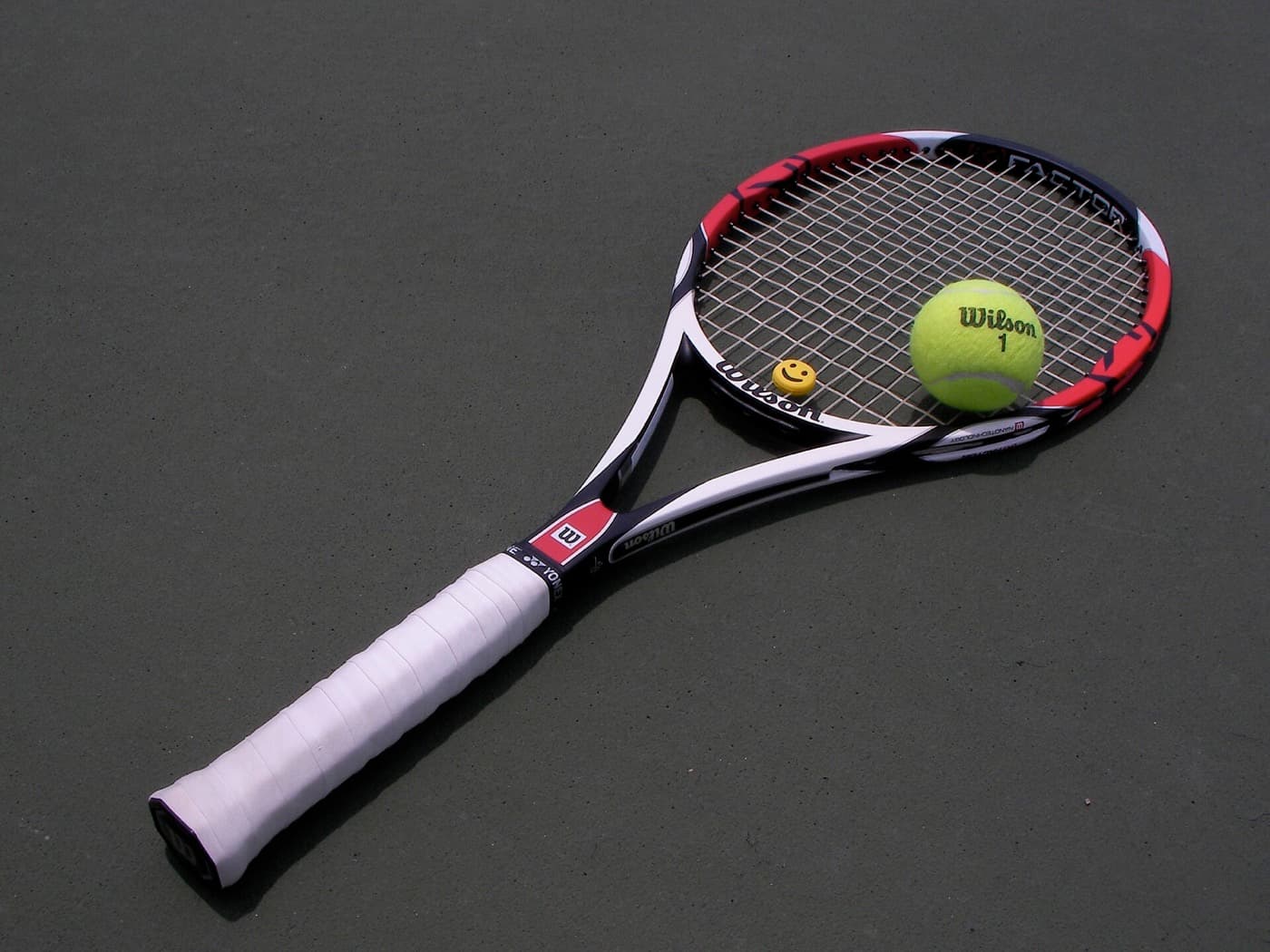
Tennis
A singles or doubles racquet sport that blends agility, strategy and stamina on court.
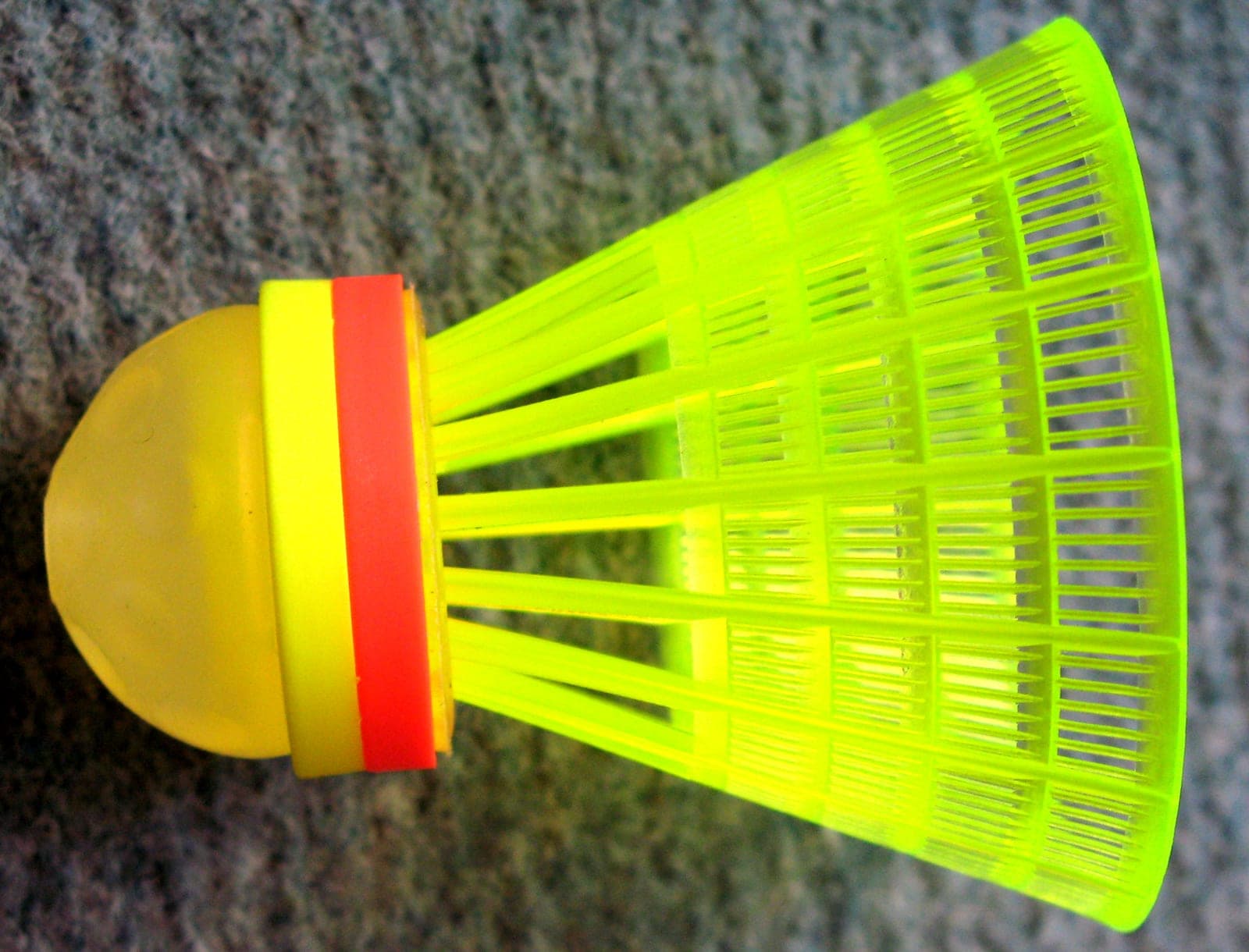
Badminton
A fast indoor racquet sport played with a shuttlecock that rewards agility and touch.
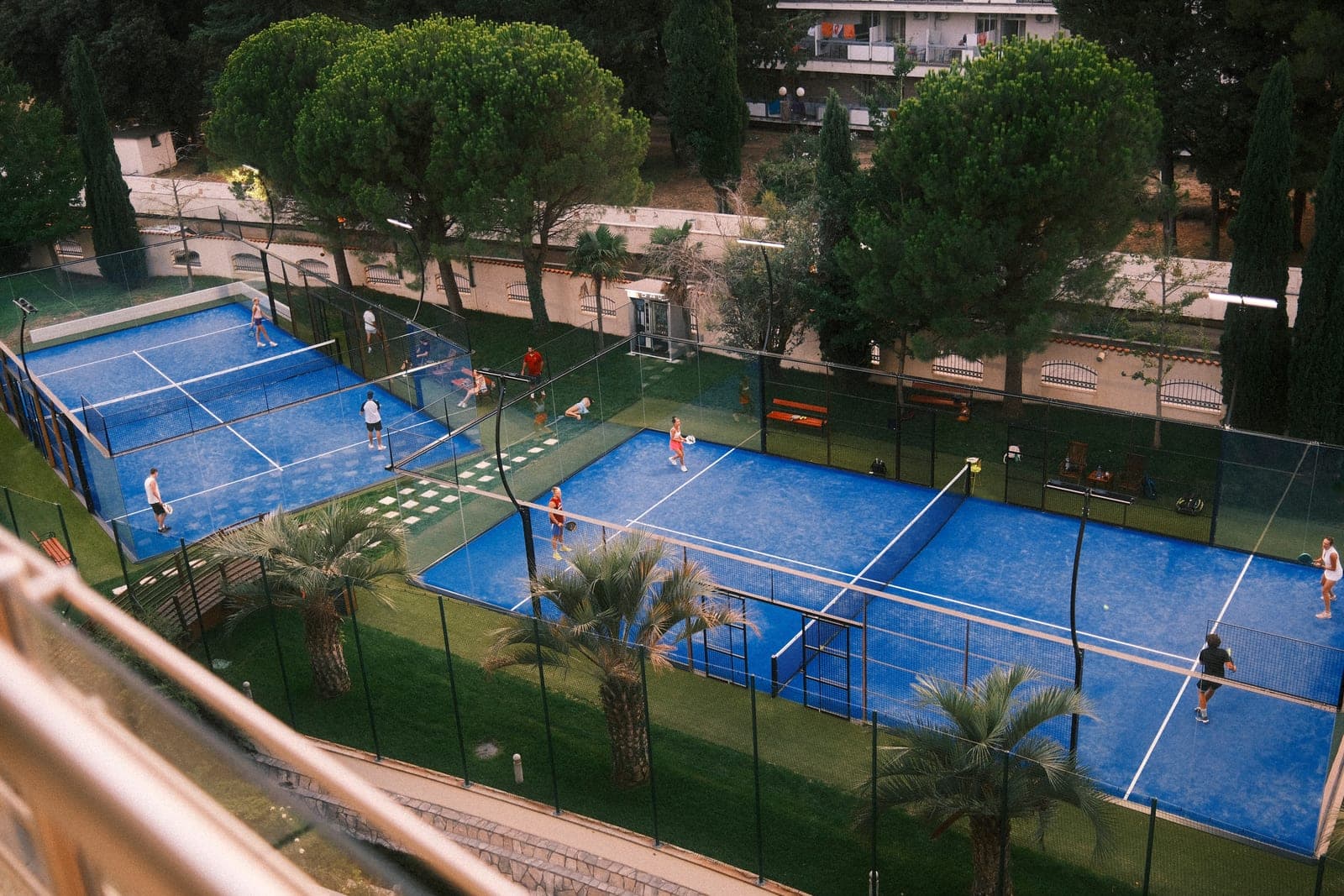
Padel
A sociable, doubles-first racquet sport played in an enclosed court where the walls stay in play.
Cycling
A low-impact endurance sport that doubles as transport, exercise and adventure.

Running
The most accessible endurance sport — no venue, just shoes and the open road or trail.
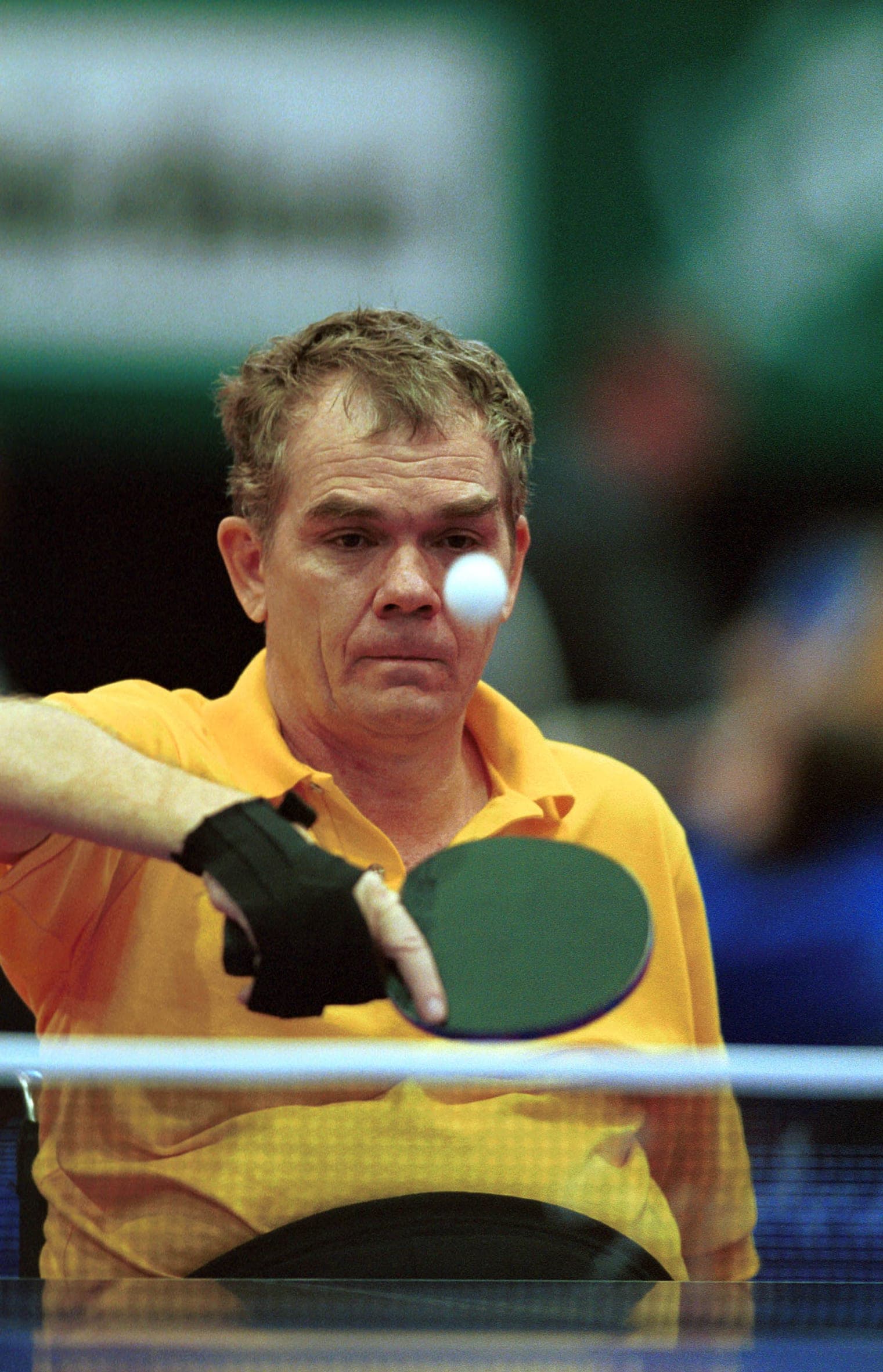
Table Tennis
A fast, low-impact indoor racquet sport that sharpens reflexes and is easy to start.
Goals that fit
Social activities
Use sport as a way to meet people, make friends and stay connected while staying active.
Build an active lifestyle
Make movement a natural, lasting part of daily life through activities and habits you genuinely enjoy.
Build healthy habits
Using sport and routine to make regular activity a lasting part of everyday life.
Improve fitness
Build well-rounded fitness — stamina, strength and more — through regular, varied activity you can keep up.
Ways to train
Exercises and methods that fit — educational, not a prescription.
Jump squat
An explosive squat variation where you spring off the floor at the top of the movement.
Lunge
A single-leg movement where you step forward and bend both knees to lower your body.
Bulgarian split squat
A single-leg squat where the back foot is raised on a bench behind you.
Hip hinge
The foundational bending-at-the-hips pattern that underpins deadlifts, swings and picking things up.
Kettlebell swing
A dynamic hinge where you swing a kettlebell to shoulder height using a snap of the hips.
Band pull-apart
A simple pulling exercise where you stretch a resistance band across your chest to work the upper back.
Frequently asked questions
What sports are good to do as a couple?
Two-player and side-by-side activities such as tennis, badminton, padel, cycling and running work well because they turn exercise into time together with built-in accountability. Choosing something you both enjoy, and allowing for different levels, keeps it fun and sustainable.
Explore across the knowledge base
Follow the threads that connect Couples to the rest of SocialSportHub.
Lifestyle
- WeekendMaking the most of weekend free time for longer, more social or outdoor activities.
- EveningUsing the evening to be active after work, whether to unwind or fit in a proper session.
- 15 minutesShort, focused bursts of movement you can fit into a spare 15 minutes, with no long session required.
- Low budgetWays to be active without spending much, from free activities to low-cost options.
- OutdoorsSport and activity in the fresh air — running, cycling, hiking and more, using parks, trails and open space.
Motivations
- To have funWhen enjoyment is the point, playful, varied and social sports keep you coming back — because the best activity is the one you look forward to.
- To meet peopleWhen connection is the draw, team sports, clubs and group activities turn getting fit into a way to build a social circle.
- To spend time as a familyWhen the aim is shared time, activities the whole family can do together turn being active into a way to connect across ages.
- To stay healthyWhen health is the driver, regular, sustainable activity across fitness, strength and mobility supports an active life for the long term.
Barriers
Healthy living
- Family Active TimeMaking activity something the whole household does together, so movement becomes a shared, everyday habit.
- Active CommutingBuilding movement into the journey to work or school — walking or cycling all or part of the way, so travel time doubles as active time.
- Weekend ActivityUsing the extra time at weekends to be active in ways that feel more like fun than exercise.
- Active recoveryGentle, easy movement on your off days — a relaxed way to keep the body moving while it recovers, instead of doing nothing.
- Exercise and SleepThe two-way link between staying active and sleeping well — how movement can help rest, and how rest fuels movement.
Sport categories
Adaptive sports
- Inclusive sportsSport designed or delivered so that disabled and non-disabled people can play together, side by side, in the same activity.
- Disability and sportAn overview of how disabled people take part in sport — for health, enjoyment, community and competition — and the ideas that support inclusion.
How this page is maintained
- Content type
- For people like you
- Provenance
- Tier A — evergreen educational
- Verified external sources
- 0
- Content updated
- 2026-07-09
Evergreen, first-party explanation — it makes no claim that needs an external source. How we handle sources and reviews.