
Improve mental wellbeing
Use regular, enjoyable activity to support your mood, connection and sense of wellbeing as one healthy habit among many.
How sport helps
Mental wellbeing is about feeling able to cope with everyday life, staying connected to other people and finding some enjoyment and purpose. It naturally rises and falls over time, and small, regular habits often matter more than big one-off efforts.
Regular physical activity is widely linked to better mood and a greater sense of wellbeing, and many people find that moving their body helps them feel calmer, clearer or more like themselves. Sport is one supportive habit among many — it is not a substitute for professional care when someone needs it.
- Regular activity is widely linked to improvements in mood and general wellbeing for many people.
- Rhythmic, repetitive movement like walking, running or swimming can offer a mental break and a change of scene.
- Team and club sports add social connection, which many people find as valuable as the exercise itself.
- Setting and reaching small, realistic goals can build a sense of progress and confidence over time.
A note on health information
Getting started
- 1Choose an activity you genuinely enjoy — you are far more likely to keep it up than something that feels like a chore.
- 2Start small and build gradually; a short regular walk counts and is easy to sustain.
- 3Consider activities that get you around other people, such as a club, class or casual group, if connection matters to you.
- 4If low mood or anxiety is persistent or affecting daily life, speak to a doctor or a qualified mental-health professional — activity supports wellbeing but is not a replacement for care.
Good sports for this goal
Great places to start — each with a clear, beginner-friendly guide.

Running
The most accessible endurance sport — no venue, just shoes and the open road or trail.
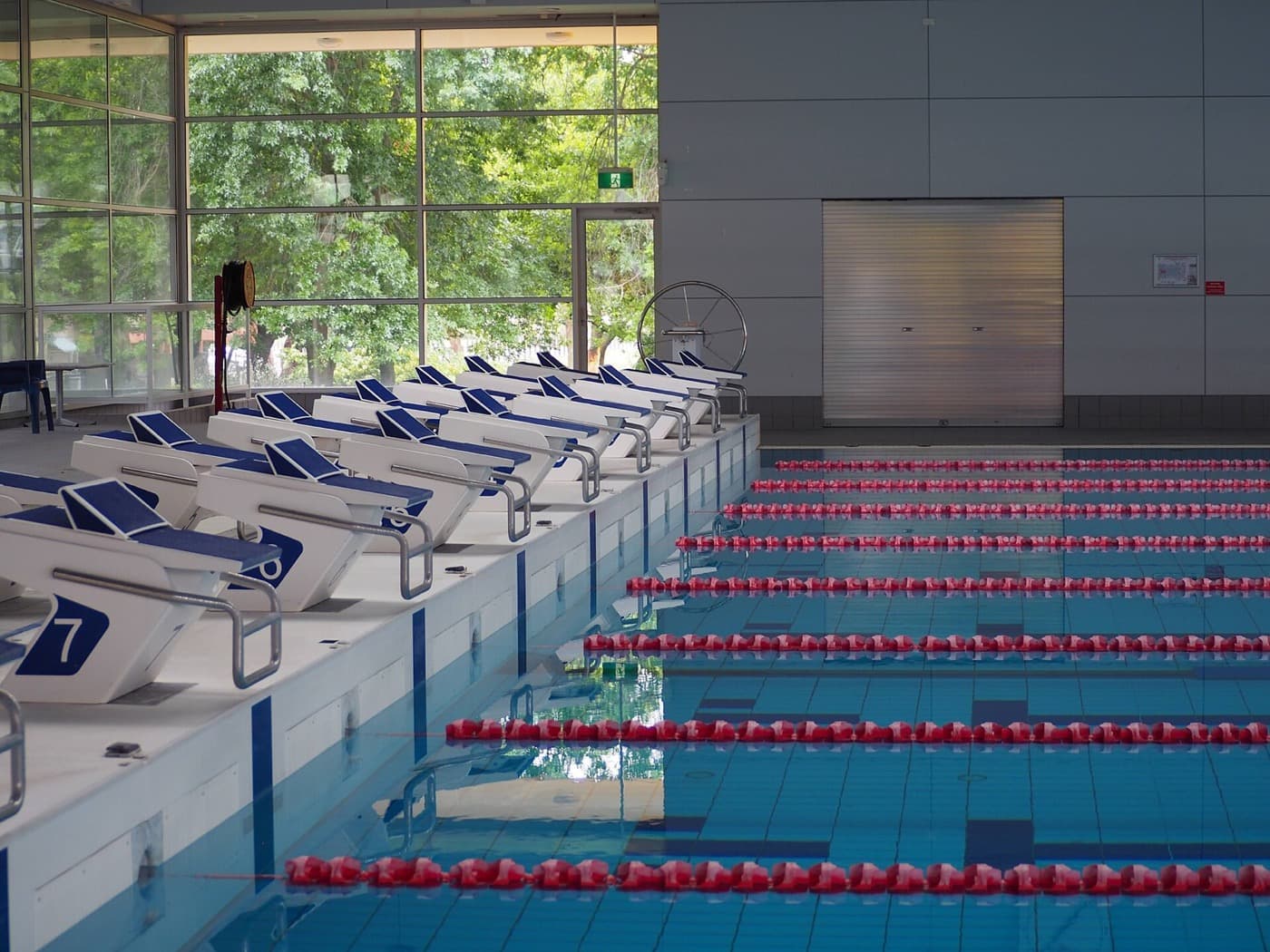
Swimming
A full-body, low-impact endurance sport suitable for almost every age and ability.
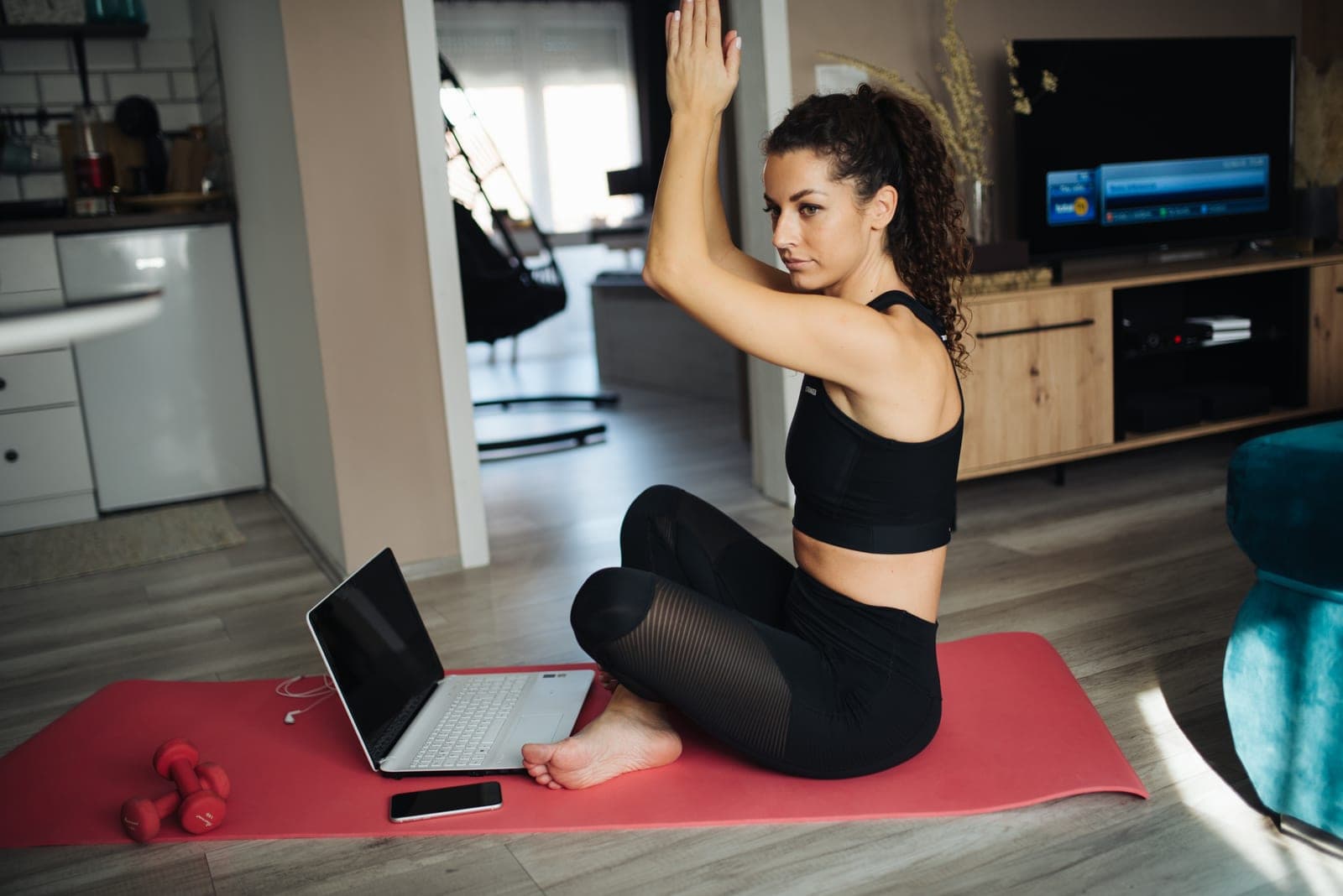
Yoga
A mind-body practice that links postures, breathing and focus to build flexibility, strength and calm.
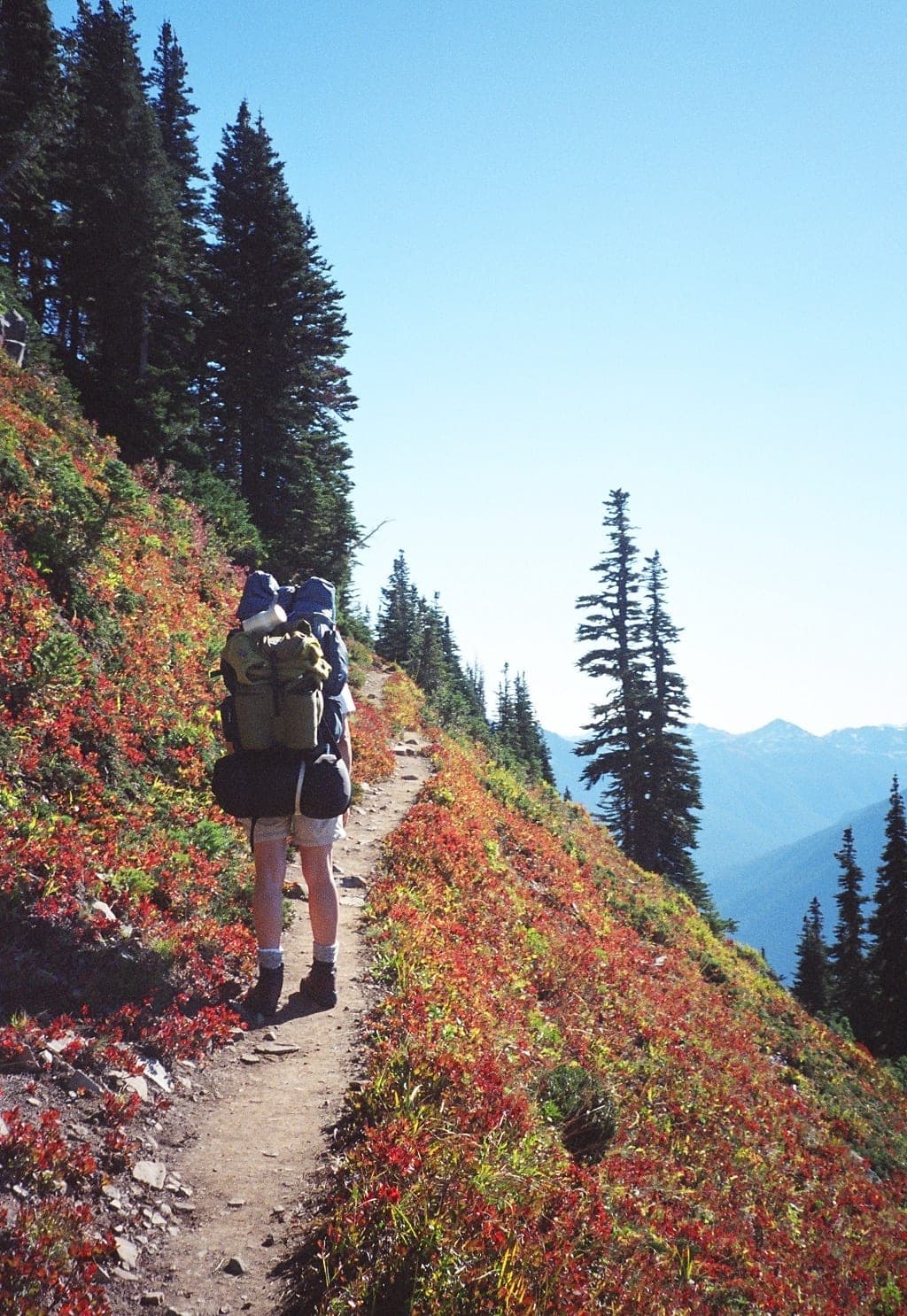
Hiking
An accessible outdoor sport of walking natural trails and hills at your own pace, solo or in a group.
Cycling
A low-impact endurance sport that doubles as transport, exercise and adventure.
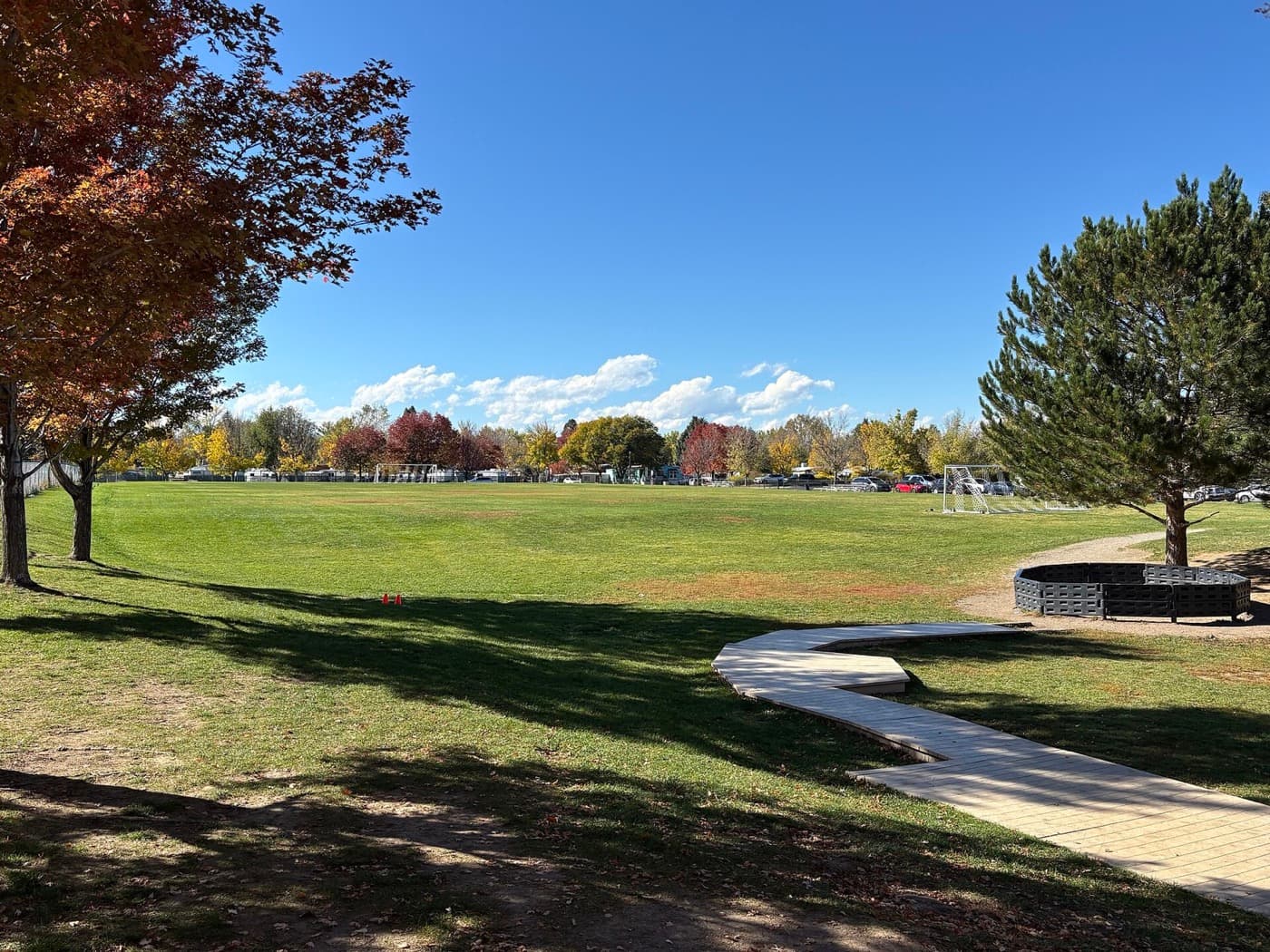
Football
The world’s most popular team sport — endless running, teamwork and community in one game.
Train for it
Exercises and methods that build what this goal needs — educational, not a prescription.
Wall sit
A holding exercise where you sit against a wall with no chair, holding a squat position still.
Step-up
A movement where you step up onto a raised platform one leg at a time and step back down.
Kettlebell swing
A dynamic hinge where you swing a kettlebell to shoulder height using a snap of the hips.
Push-up
A classic upper-body pushing exercise where you lower and press your body up from the floor.
Tricep dip
A pushing exercise where you lower and raise your body using your arms on parallel bars or a bench.
Pull-up
A vertical pulling exercise where you hang from a bar and pull your chin above it.
Frequently asked questions
Can sport replace professional mental-health support?
No. Regular activity is widely linked to better mood and wellbeing and can be a helpful part of a balanced routine, but it is not a treatment for mental-health conditions. If you are struggling, it is best to speak to a doctor or a qualified professional.
How much exercise do I need to feel a difference?
There is no single answer, and it varies from person to person. Many people find that even gentle, regular movement helps them feel better, so it is more useful to focus on consistency and enjoyment than on hitting a specific target.
Which sports are best for mental wellbeing?
The best activity is usually the one you enjoy and will keep doing. Some people prefer the calm of a solo run or swim, while others get more from the social side of a team or class — both can support wellbeing in different ways.
Related goals
Reduce stress
Find calmer, healthier ways to unwind through regular movement, gentle mind-body activity and time outdoors.
Improve sleep
Support more restful sleep by staying active during the day and building a consistent daily rhythm.
Become more active
Add regular, gentle movement to your everyday life and build up from a sedentary start at your own pace.
Social activities
Use sport as a way to meet people, make friends and stay connected while staying active.
Build confidence
Use sport and steady progress to feel more capable, comfortable and self-assured over time.
Build healthy habits
Using sport and routine to make regular activity a lasting part of everyday life.
Who & where this fits
This goal fits all kinds of people and lifestyles.
Students
How sport can fit around study, a tight budget and a changing timetable to support focus, energy and social life.
Outdoors
Sport and activity in the fresh air — running, cycling, hiking and more, using parks, trails and open space.
Evening
Using the evening to be active after work, whether to unwind or fit in a proper session.
How it connects
The meaning-bearing relationships that place Improve mental wellbeing in the wider knowledge graph — each one with the reason it exists.
Achieved through
Routes people take towards this goal.
- RunningRunning is one of the sports listed under the “Improve mental wellbeing” goal.
- SwimmingSwimming is one of the sports listed under the “Improve mental wellbeing” goal.
- YogaYoga is one of the sports listed under the “Improve mental wellbeing” goal.
- HikingHiking is one of the sports listed under the “Improve mental wellbeing” goal.
- CyclingCycling is one of the sports listed under the “Improve mental wellbeing” goal.
Explore across the knowledge base
Follow the threads that connect Improve mental wellbeing to the rest of SocialSportHub.
Recommendations
- Recommended for “Improve mental wellbeing”Sports, qualities, a learning path and first steps for “Improve mental wellbeing” — every suggestion a real graph link, shown with its reason.
- Recommended for “Improve sleep”Sports, qualities, a learning path and first steps for “Improve sleep” — every suggestion a real graph link, shown with its reason.
- Recommended for “Healthy aging”Sports, qualities, a learning path and first steps for “Healthy aging” — every suggestion a real graph link, shown with its reason.
Barriers
- Low motivationWhen motivation is hard to find, the fix is rarely more willpower — it is making the activity smaller, easier and more enjoyable so starting is simple.
- Low confidenceWhen self-consciousness gets in the way, private or beginner-friendly settings and steady, visible progress help confidence grow through doing.
Motivations
- To have funWhen enjoyment is the point, playful, varied and social sports keep you coming back — because the best activity is the one you look forward to.
- To feel calmerWhen you play to unwind, rhythmic, absorbing activity gives many people a mental break — though it complements, not replaces, professional support.
- To stay healthyWhen health is the driver, regular, sustainable activity across fitness, strength and mobility supports an active life for the long term.
Healthy living
- Walking MeetingsTaking a call or a one-to-one on the move instead of at a desk — an easy way to add movement to the working day without losing time.
- Morning MovementA little gentle activity early in the day to wake the body up and start on a positive note.
- Evening Wind-DownEasing gently from a busy day toward rest, with calm movement and habits that help the body settle.
- Outdoor LifestyleChoosing to spend more of your active time outside, where fresh air and surroundings make movement more enjoyable.
- Sleep BasicsA calm introduction to why sleep matters and how it quietly supports almost everything else in a healthy, active life.
Adaptive sports
- Inclusive sportsSport designed or delivered so that disabled and non-disabled people can play together, side by side, in the same activity.
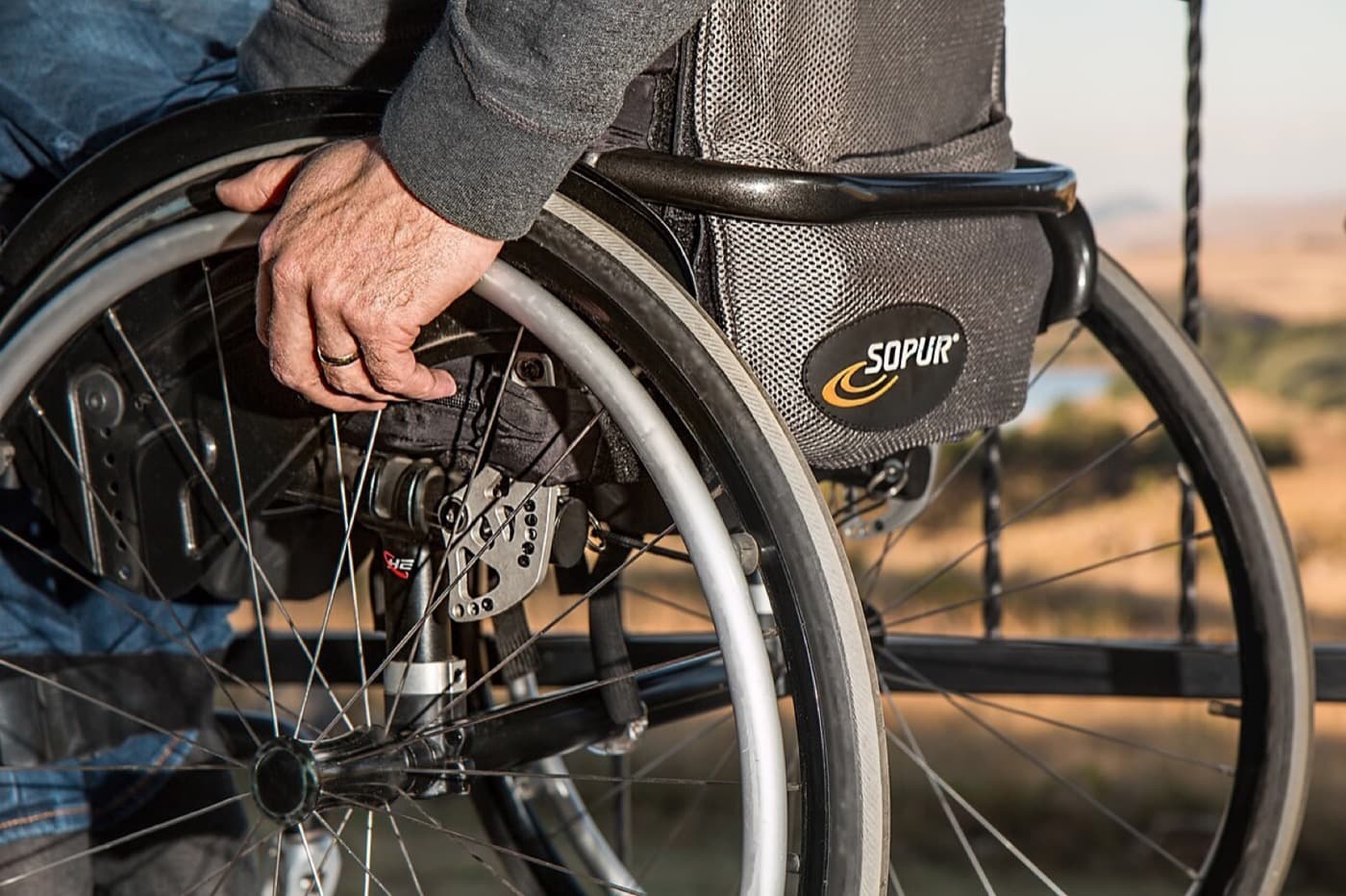
- Disability and sportAn overview of how disabled people take part in sport — for health, enjoyment, community and competition — and the ideas that support inclusion.
- Adaptive coachingCoaching that adjusts how it teaches — communication, planning and pace — so that people with a disability can learn, improve and enjoy a sport.
How this page is maintained
- Content type
- Life goal
- Provenance
- Tier A — evergreen educational
- Verified external sources
- 0
- Content updated
- 2026-09-22
Evergreen, first-party explanation — it makes no claim that needs an external source. How we handle sources and reviews.