
Sports Nutrition Basics
A gentle introduction to fuelling an active body — the general ideas behind eating for energy, performance and recovery.
Overview
Sports nutrition sounds technical, but the basics are approachable: it is about giving your body enough energy and variety to train, perform and recover. For most recreational activity, a balanced everyday way of eating — enough carbohydrate for energy, some protein, plenty of vegetables and fruit, and good hydration — covers the essentials. The finer details tend to matter more the harder and more competitive your training becomes.
A few general ideas help many people: not training badly under-fuelled, eating something reasonably soon after harder sessions, and staying hydrated around activity. Supplements are not necessary for general fitness, and this page does not recommend any. This is general education, not a performance plan; for nutrition suited to your sport, goals or any health condition, speak with a qualified or registered professional.
What helps
- For most activity, balanced everyday eating already covers the basics.
- Carbohydrate is the body's main energy source for harder efforts.
- Some protein and plenty of vegetables and fruit round out the picture.
- Hydration around activity is part of fuelling, not separate from it.
- Supplements are not needed for general fitness.
A note on this guidance
How to start
- 1Start from a balanced, varied everyday way of eating.
- 2Eat something reasonably soon after harder or longer sessions.
- 3Keep hydration in mind before, during and after activity.
- 4For nutrition tailored to your sport or any health condition, ask a qualified professional.
Sports that fit
Ways to put this into practice — each with a clear, beginner-friendly guide.
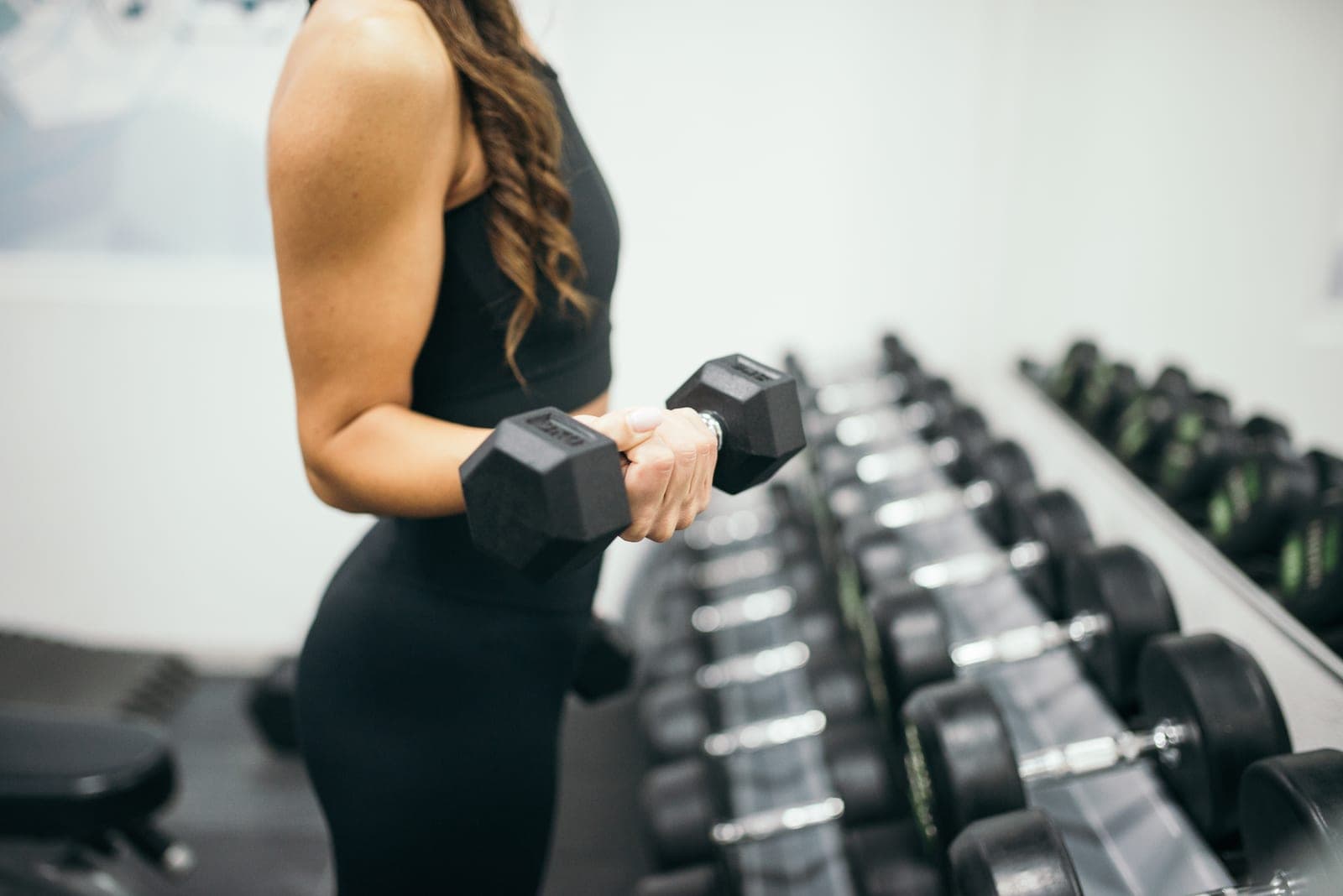
Fitness
Strength and general fitness training — the foundation that supports every other sport.

Running
The most accessible endurance sport — no venue, just shoes and the open road or trail.
Cycling
A low-impact endurance sport that doubles as transport, exercise and adventure.
Football
The world’s most popular team sport — endless running, teamwork and community in one game.
Goals it supports
Improve fitness
Build well-rounded fitness — stamina, strength and more — through regular, varied activity you can keep up.
Build muscle
Challenge your muscles with regular resistance training and steady recovery to build strength over time.
Build an active lifestyle
Make movement a natural, lasting part of daily life through activities and habits you genuinely enjoy.
Build healthy habits
Using sport and routine to make regular activity a lasting part of everyday life.
Frequently asked questions
Do I need supplements or protein powder to get fit?
For general fitness, most people get what they need from a balanced, varied way of eating, and supplements are not necessary — this page does not recommend any. If you are considering supplements, or fuelling for demanding training, it is best to speak with a qualified or registered professional. Everyone's needs differ, so treat general advice as a starting point.
Explore across the knowledge base
Follow the threads that connect Sports Nutrition Basics to the rest of SocialSportHub.
People
- Weekend athletesHow to enjoy recreational sport on weekends while staying comfortable and consistent through the week.
- Recreational athletesHow the platform fits someone who plays regularly for enjoyment and fitness rather than competition — staying active, sociable and healthy through sport.
- Busy professionalsHow time-efficient sport can fit a packed schedule to protect fitness, energy and stress relief.
- CouplesHow sport can fit two people doing it together — shared activity that doubles as time together, mutual motivation and a common goal.
- ParentsHow busy parents can fit sport around family life with flexible, home-friendly and time-efficient options.
Recovery
- Regular, balanced mealsEating regular, balanced meals is a general everyday habit that supports energy and recovery around an active lifestyle.
- Active recoveryActive recovery means very easy, gentle movement on lighter days to keep the body moving without adding hard training stress.
- WalkingWalking is simple, low-intensity movement that supports everyday activity and gentle recovery for almost anyone.
- Listening to your bodyListening to your body means paying attention to everyday signs like energy, sleep and soreness to guide how much you do.
Knowledge Atlas
- Explore by NutritionEating and hydration for an active life — the healthy-eating and hydration topics of the knowledge base.
- Explore by ScienceThe "why" layer — biomechanics, energy systems, motor learning and training principles behind performance.
- Explore by Healthy LivingThe whole healthy-living knowledge base — daily activity, sleep, hydration, eating, recovery and choices.
Practice & sessions
Go deeper with Sports Nutrition Basics
Everywhere else on the platform that covers Sports Nutrition Basics — assembled from what actually references it, so nothing here is a dead end.
Work it out
Deterministic calculators — real published formulas, no estimates dressed as data.
Question it
Research topics that name this entity among their connections.
How this page is maintained
- Content type
- Healthy living topic
- Provenance
- Tier A — evergreen educational
- Verified external sources
- 0
- Content updated
- 2026-07-09
Evergreen, first-party explanation — it makes no claim that needs an external source. How we handle sources and reviews.