
Sports for Deaf and Hard of Hearing Athletes
Mainstream sports made accessible by replacing sound-based signals with visual cues so that deaf and hard of hearing athletes can take part and compete.
Overview
These are sports made accessible for people who are deaf or hard of hearing, usually by replacing sound-based signals with visual ones. Because the physical game itself often stays the same, the key adaptations are in communication — for example, using visual start signals, flags or lights instead of whistles and starter sounds. Deaf athletes take part across a wide range of familiar sports, both recreationally and in dedicated deaf-sport events.
The goal is equal access to information, not a change to the sport's core skills. Clear sightlines, agreed hand signals and support such as sign language help teams communicate smoothly. With these adaptations, deaf and hard of hearing athletes compete at every level while enjoying the same social and physical benefits as any other player.
What to know
- Mainstream sports made accessible by swapping sound signals for visual cues.
- Common adaptations include visual start signals, flags or lights in place of whistles and starter sounds.
- The physical game usually stays the same; the main changes are in how information is communicated.
- Deaf athletes compete across many familiar sports, recreationally and in dedicated deaf-sport events.
- Sign language, agreed signals and clear sightlines support smooth teamwork and safety.
In practice
- Deaf and hard of hearing describe a wide range of experiences, so people's communication preferences differ — asking is always respectful.
- Small changes make a big difference: good lighting, clear sightlines and a visual whistle-equivalent help everyone follow the game.
- Some deaf-sport settings are conducted without the use of hearing devices during competition, so events rely fully on visual communication.
- For guidance on specific rules or eligibility, ask the sport's governing body and a qualified professional.
Educational & inclusive
Related sports
Sports that connect to this topic — each with a clear, beginner-friendly guide.

Football
The world’s most popular team sport — endless running, teamwork and community in one game.
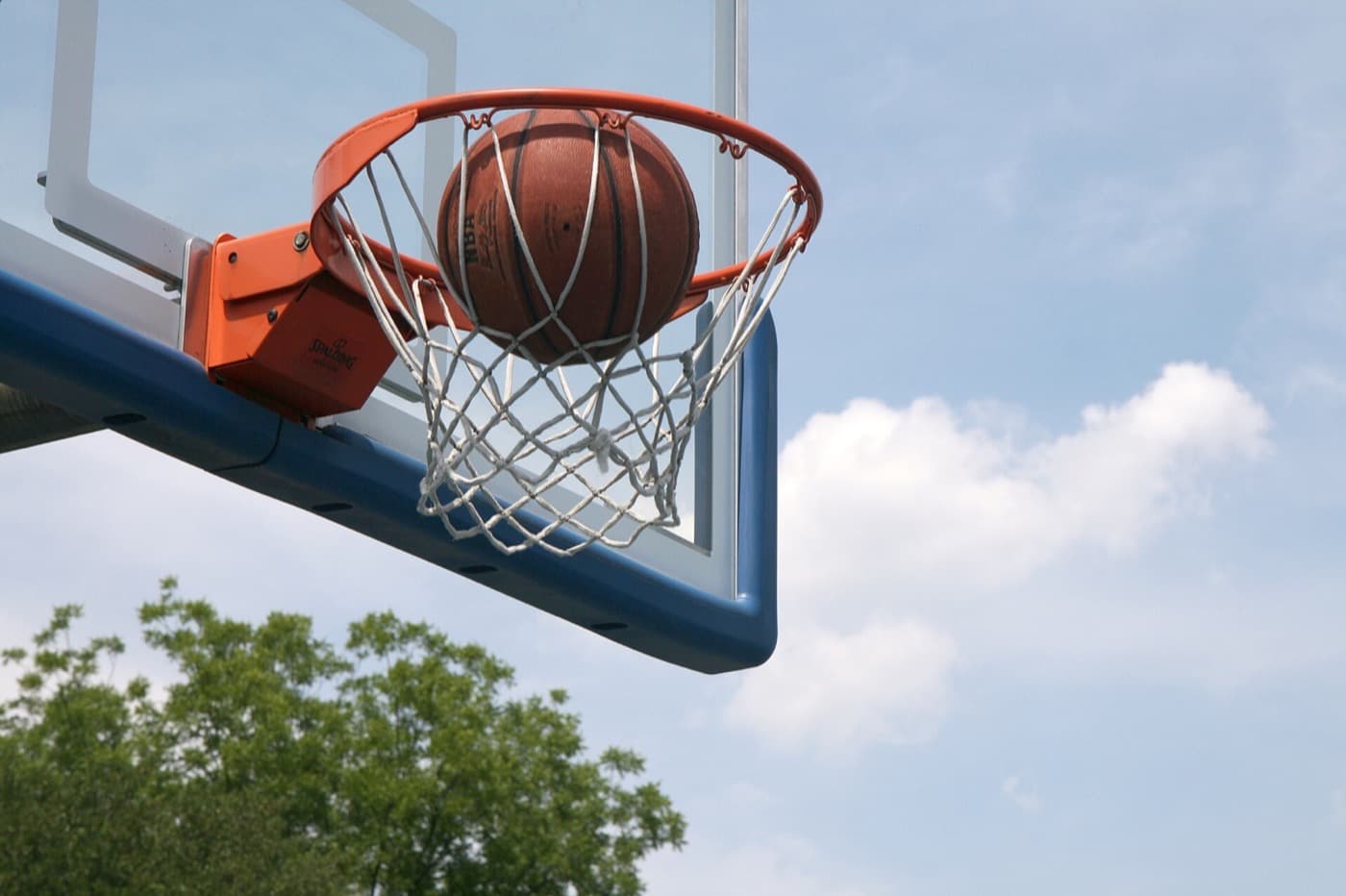
Basketball
A fast, dynamic team sport of running, jumping and quick decisions on court.
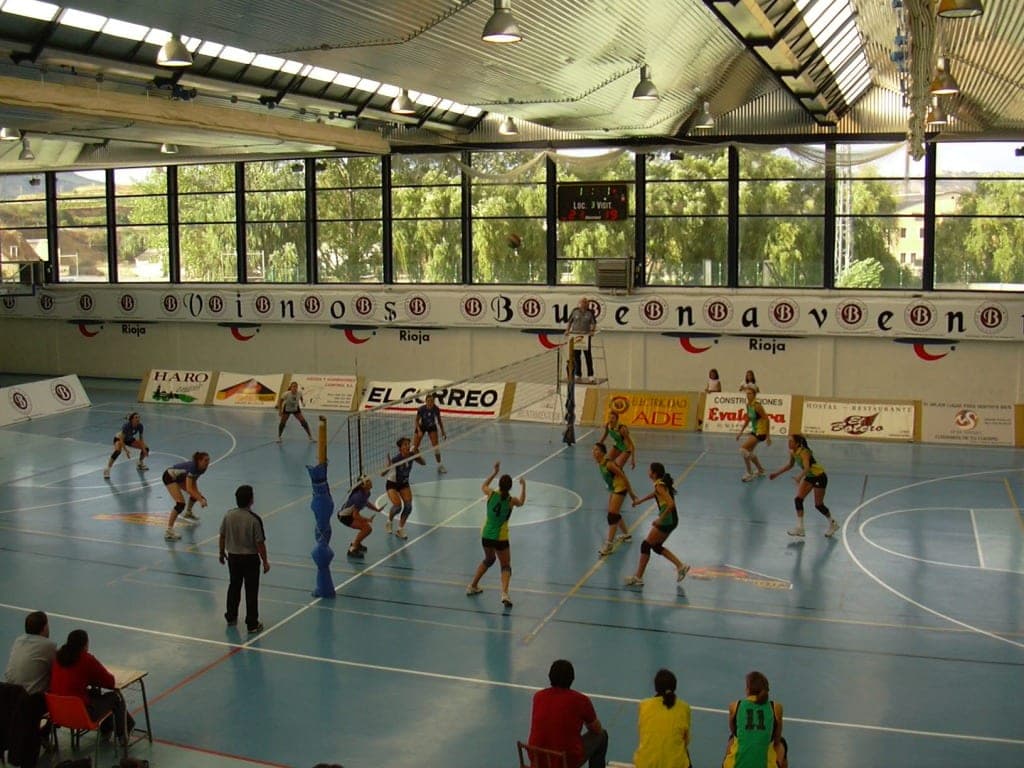
Volleyball
A non-contact team sport of rallies, jumps and teamwork — indoors or on the beach.
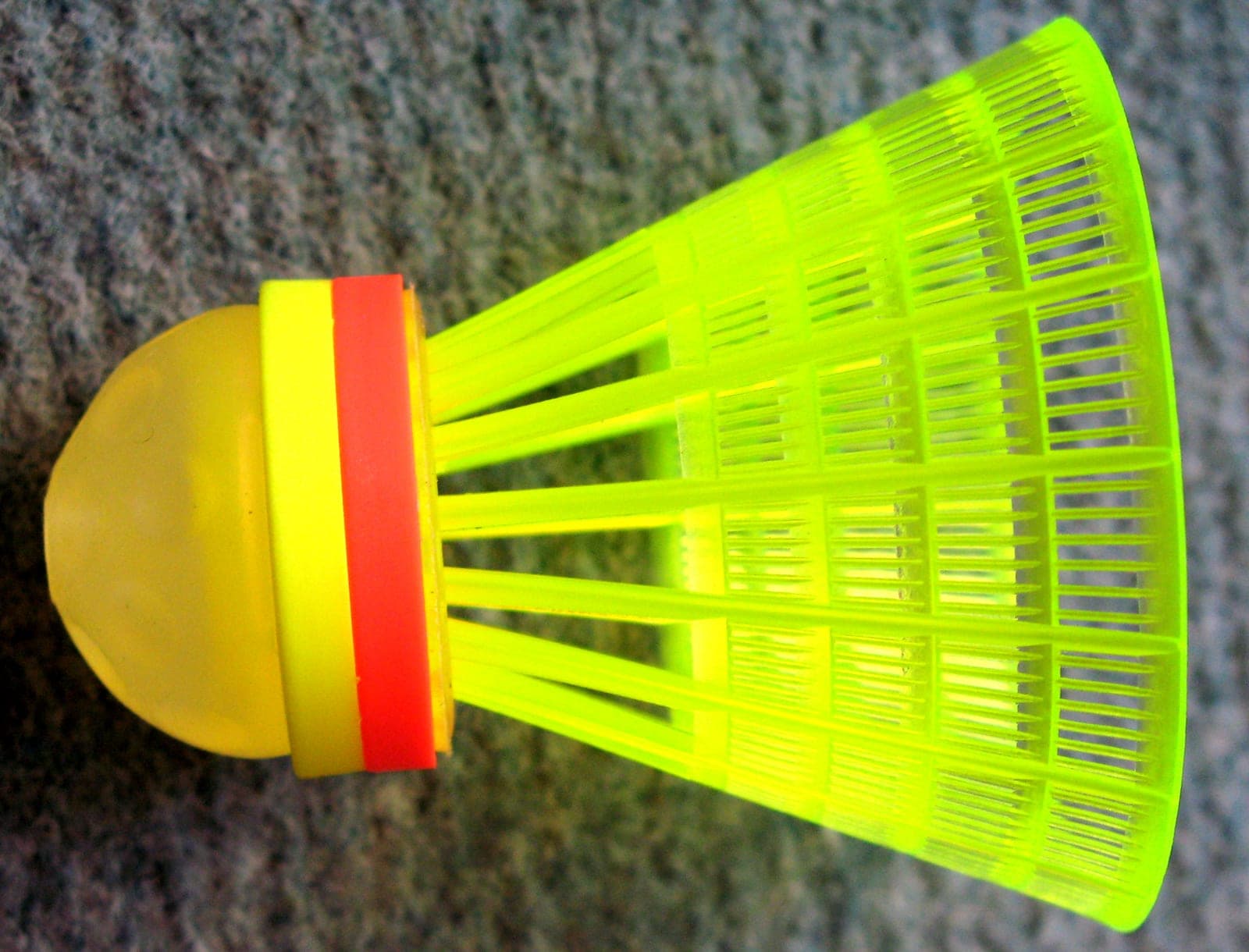
Badminton
A fast indoor racquet sport played with a shuttlecock that rewards agility and touch.
Goals it supports
Social activities
Use sport as a way to meet people, make friends and stay connected while staying active.
Build an active lifestyle
Make movement a natural, lasting part of daily life through activities and habits you genuinely enjoy.
Build confidence
Use sport and steady progress to feel more capable, comfortable and self-assured over time.
Improve fitness
Build well-rounded fitness — stamina, strength and more — through regular, varied activity you can keep up.
Frequently asked questions
How are sports adapted for deaf and hard of hearing athletes?
The physical game usually stays the same, and the adaptations focus on communication — replacing sound-based signals with visual ones such as flags, lights or agreed hand signals instead of whistles. Sign language and clear sightlines also help teams coordinate. This gives equal access to information without changing the core skills of the sport.
Explore across the knowledge base
Follow the threads that connect Sports for Deaf and Hard of Hearing Athletes to the rest of SocialSportHub.
Facilities
Sports communication
- Non-verbal communicationSharing information without words — through body language, eye contact, gestures and agreed hand signals — often faster or quieter than a call.
- Active listeningGenuinely taking in what a teammate or coach is communicating — not just hearing it — so the message actually lands.
- Communication in inclusive sportAdapting how information is shared so everyone can take part — for example using visual signals, clear sightlines or agreed cues alongside or instead of sound.
How this page is maintained
- Content type
- Adaptive sports topic
- Provenance
- Tier A — evergreen educational
- Verified external sources
- 0
- Content updated
- 2026-07-09
Evergreen, first-party explanation — it makes no claim that needs an external source. How we handle sources and reviews.