
Sports for Blind and Visually Impaired Athletes
Sports adapted with sound, touch and guiding support so that athletes who are blind or have low vision can take part and compete.
Overview
These are sports adapted so that people who are blind or have a visual impairment can take part fully. Adaptations often rely on sound and touch — for example, balls that contain bells so players can hear them, or a sighted guide who runs alongside an athlete, or a sighted pilot who steers the front of a tandem bicycle. Widely known examples include goalball, which is played by athletes with a visual impairment, along with para athletics and para swimming events.
The aim is to make orientation, timing and safety work well without relying on sight. Techniques and equipment vary by sport, and support such as tactile markings, audio cues or a trusted guide can make a real difference. With the right setup, these sports are competitive, social and open to a wide range of ages and abilities.
What to know
- Sports adapted for athletes who are blind or have low vision, using sound, touch and guiding support.
- Goalball is a well-known team sport designed for athletes with a visual impairment.
- Audible balls, sighted guides, tactile markings and audio cues are common adaptations.
- Some events use eyeshades so that athletes with differing levels of vision compete fairly.
- Available recreationally and competitively across sports such as athletics, swimming and cycling.
In practice
- A sighted guide often trains closely with an athlete over time, building trust and clear communication as a genuine partnership.
- Visual impairment covers a wide spectrum, so the most helpful adaptations differ from person to person.
- Good venues help a lot — consistent layouts, clear contrast and a quiet-enough space for audio cues all support participation.
- For advice on a specific situation or on formal rules, ask the sport's governing body and a qualified professional.
Educational & inclusive
Related sports
Sports that connect to this topic — each with a clear, beginner-friendly guide.
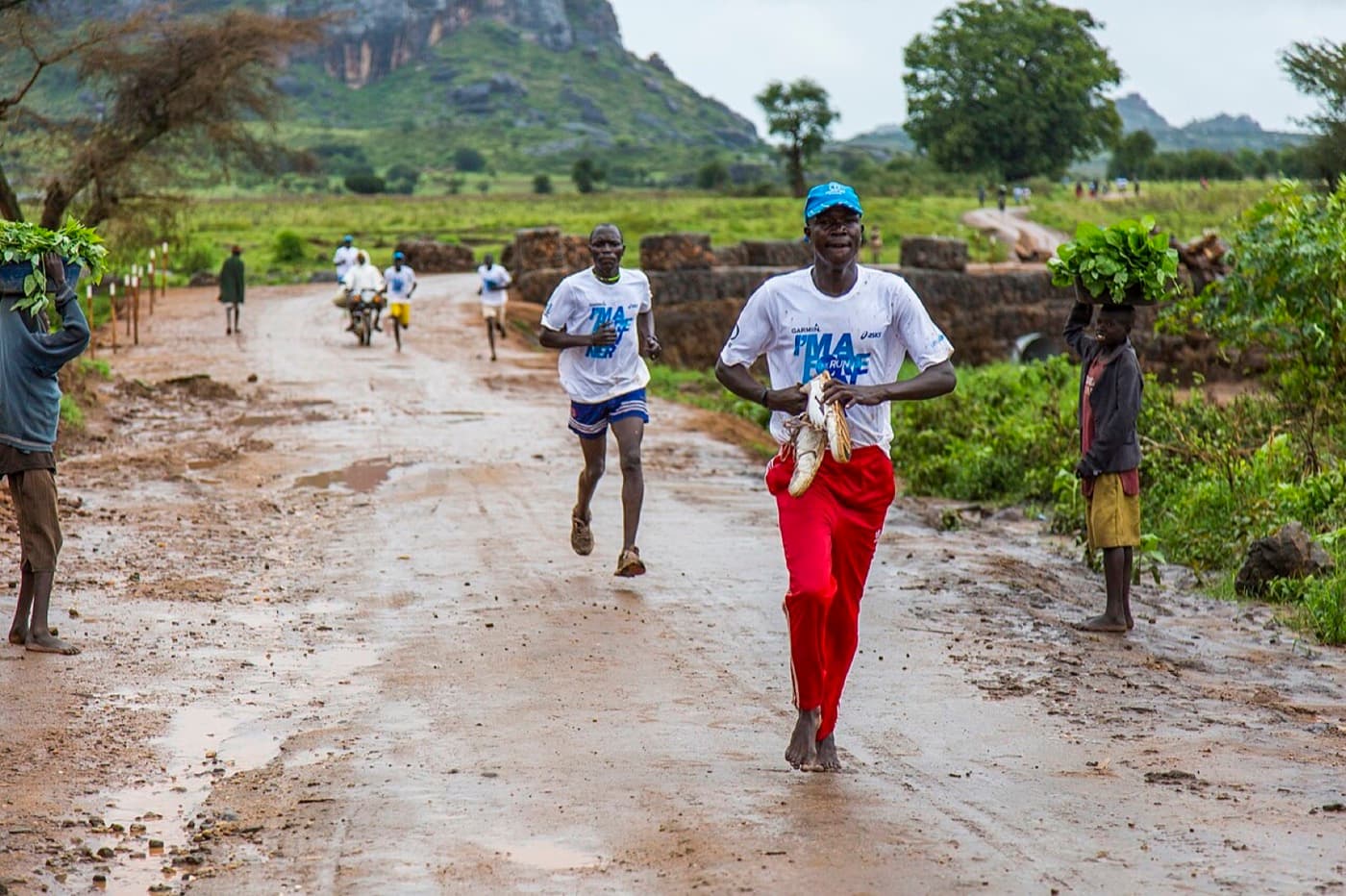
Running
The most accessible endurance sport — no venue, just shoes and the open road or trail.
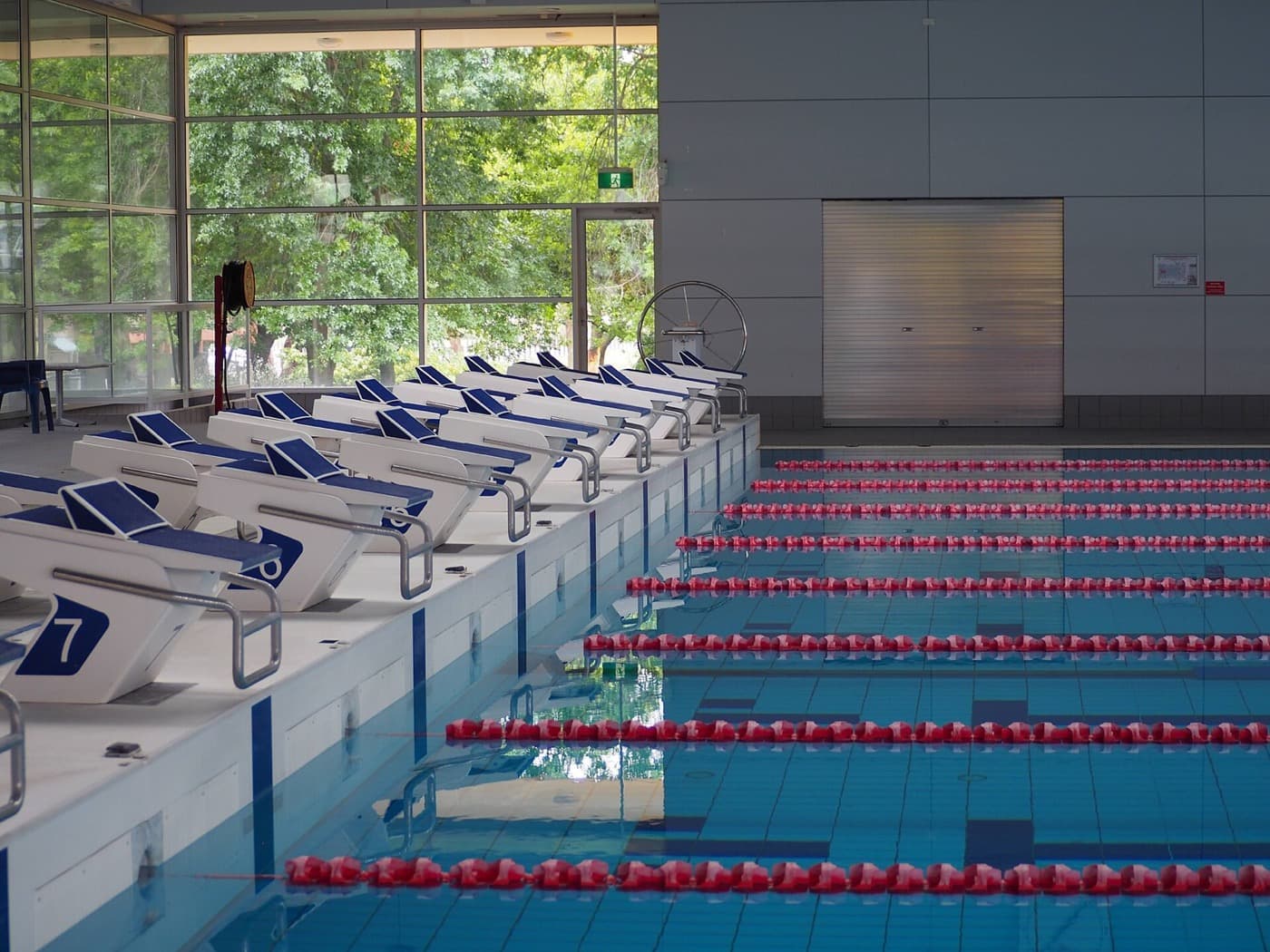
Swimming
A full-body, low-impact endurance sport suitable for almost every age and ability.
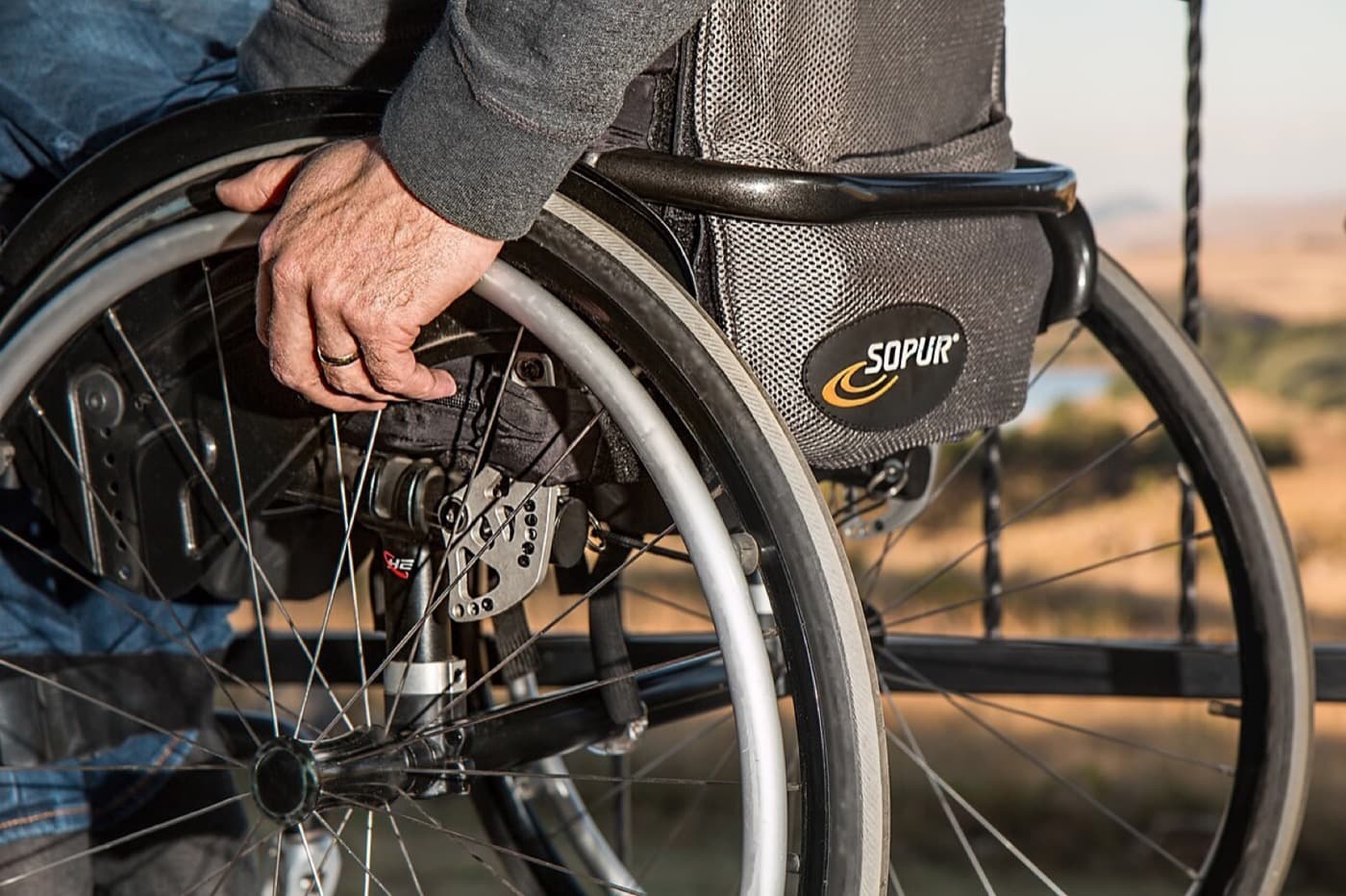
Cycling
A low-impact endurance sport that doubles as transport, exercise and adventure.
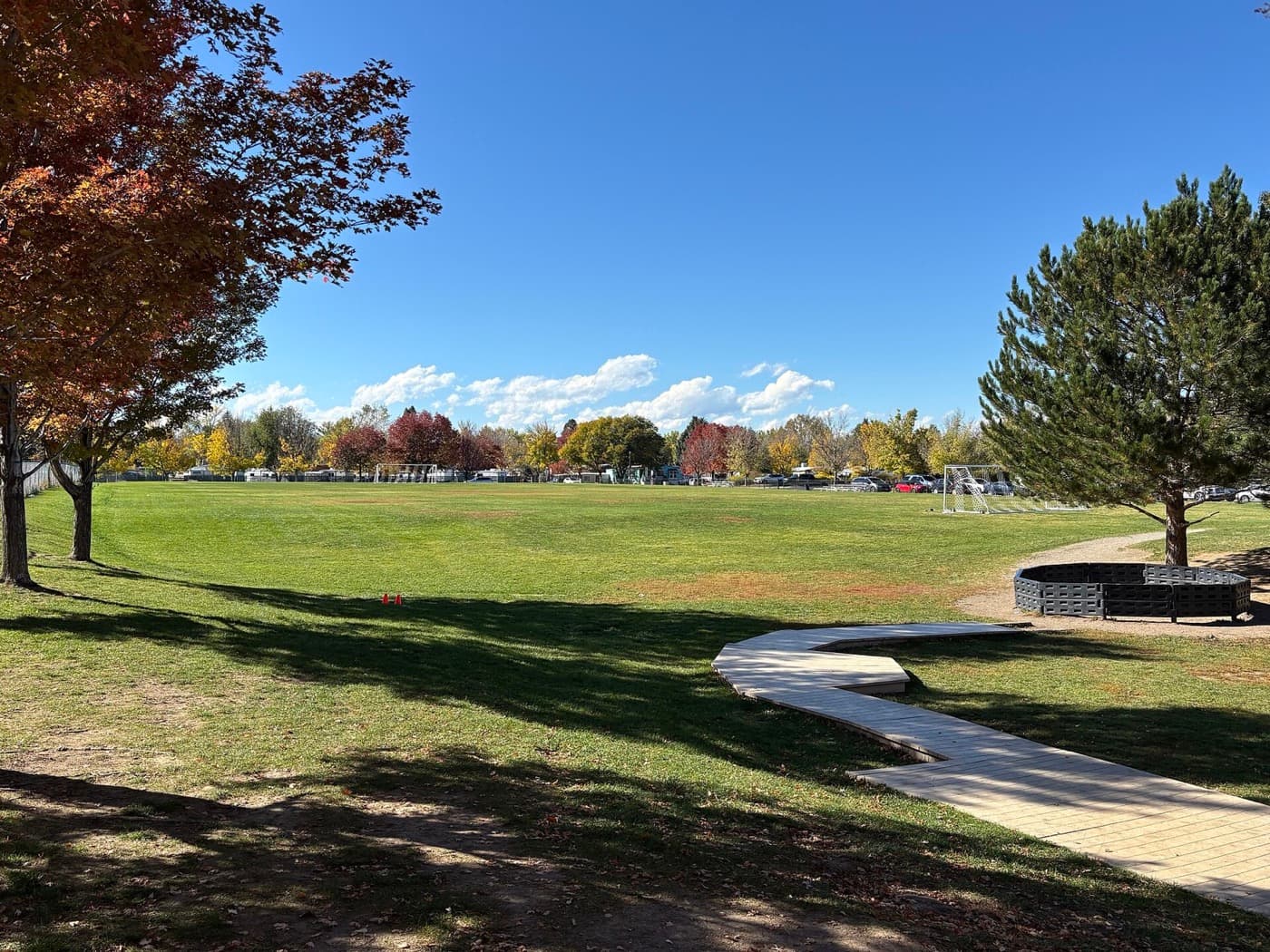
Football
The world’s most popular team sport — endless running, teamwork and community in one game.
Goals it supports
Build an active lifestyle
Make movement a natural, lasting part of daily life through activities and habits you genuinely enjoy.
Build confidence
Use sport and steady progress to feel more capable, comfortable and self-assured over time.
Social activities
Use sport as a way to meet people, make friends and stay connected while staying active.
Improve fitness
Build well-rounded fitness — stamina, strength and more — through regular, varied activity you can keep up.
Frequently asked questions
How are sports adapted for blind and visually impaired athletes?
Adaptations often use sound and touch instead of sight — such as balls with bells, tactile markings, audio cues, or a sighted guide who moves alongside the athlete. The exact approach depends on the sport. Goalball, for example, is a team sport built specifically for athletes with a visual impairment.
What is a sighted guide?
A sighted guide is a partner who supports a visually impaired athlete during training or competition, for example by running alongside them or giving spoken cues. It is a close, trust-based partnership that develops over time. The specific role and rules vary by sport, so check with the sport's governing body.
Explore across the knowledge base
Follow the threads that connect Sports for Blind and Visually Impaired Athletes to the rest of SocialSportHub.
Facilities
People
- Complete beginnersHow to start sport from scratch with accessible, low-pressure activities and a gentle, gradual approach.
- Competitive athletesHow the platform fits someone who trains and plays to compete — structured, goal-directed preparation with coaching and recovery central.
- Weekend athletesHow to enjoy recreational sport on weekends while staying comfortable and consistent through the week.
Knowledge Atlas
Barriers
- Worried about costWhen money is tight, free and low-cost activity — walking, running, bodyweight training — proves that sport does not have to be expensive.
- No one to play withWhen you have no training partner, individual sports, beginner groups and finding-people options open the door to solo and social activity alike.
How this page is maintained
- Content type
- Adaptive sports topic
- Provenance
- Tier A — evergreen educational
- Verified external sources
- 0
- Content updated
- 2026-07-09
Evergreen, first-party explanation — it makes no claim that needs an external source. How we handle sources and reviews.