Communication in inclusive sport
Adapting how information is shared so everyone can take part — for example using visual signals, clear sightlines or agreed cues alongside or instead of sound.
Overview
Communication in inclusive sport is about making sure the way information is shared works for everyone taking part, rather than assuming one channel fits all. That might mean using visual signals and clear sightlines alongside or instead of sound, agreeing simple cues, or checking that a teammate can receive a message the way it is being sent. It connects closely to inclusive and adaptive sport, where communication methods are often adapted by design.
The specifics depend entirely on the people and the sport — for deaf and hard-of-hearing athletes visual and tactile cues often matter more, while other adaptations suit other needs. The principle is respectful and practical: find channels that work for the group rather than expecting everyone to adapt to one. It is about access and participation, not a claim that any single method is universally best.
How it works
- It is adapting how information is shared so everyone in the group can take part.
- It often means offering more than one channel — visual, spoken and agreed signals.
- Clear sightlines and simple, agreed cues can matter as much as words.
- The right approach depends on the people and the sport, and is worked out together.
- It is about access and participation, not a claim that one method is best for all.
In practice
- For deaf and hard-of-hearing athletes, visual signals, sightlines and agreed hand cues often carry information others might convey by sound.
- In many inclusive sessions, coaches offer the same message in more than one way so no one misses it.
- What works varies by sport and by person, so methods tend to be agreed within the group rather than fixed.
Educational — and it varies
Where it shows up
Sports where this communication is especially visible — each with a clear guide.
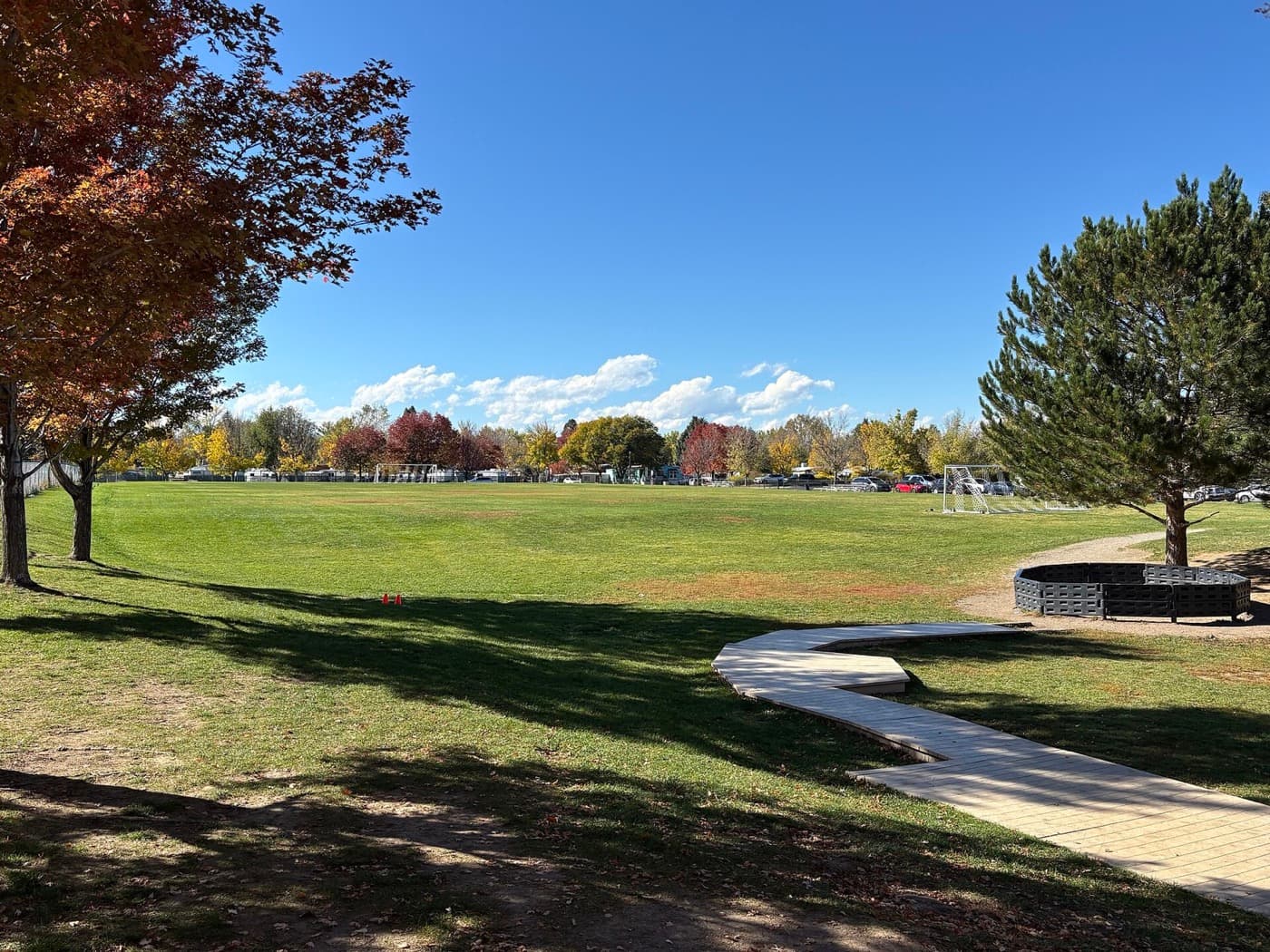
Football
The world’s most popular team sport — endless running, teamwork and community in one game.
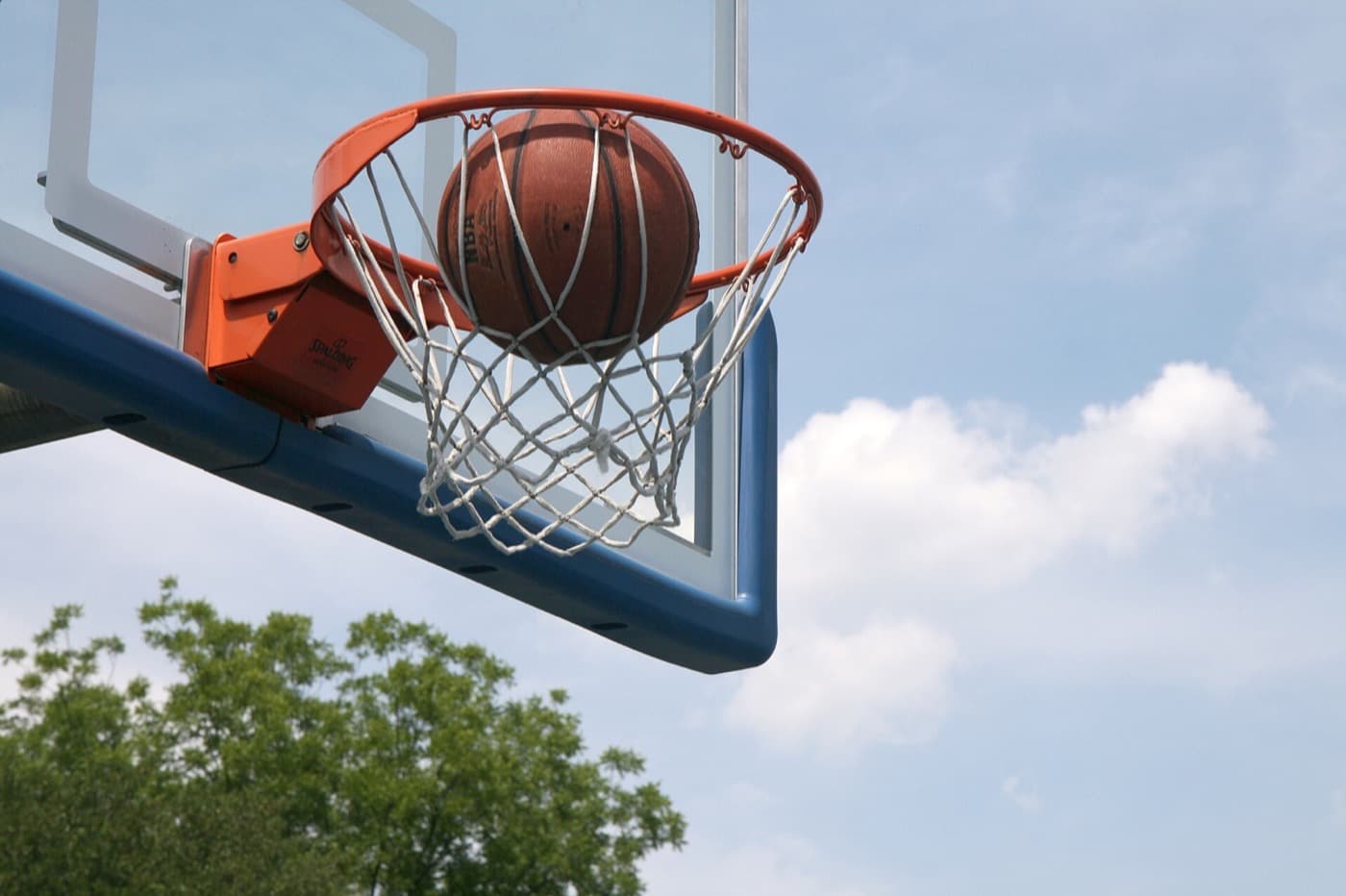
Basketball
A fast, dynamic team sport of running, jumping and quick decisions on court.
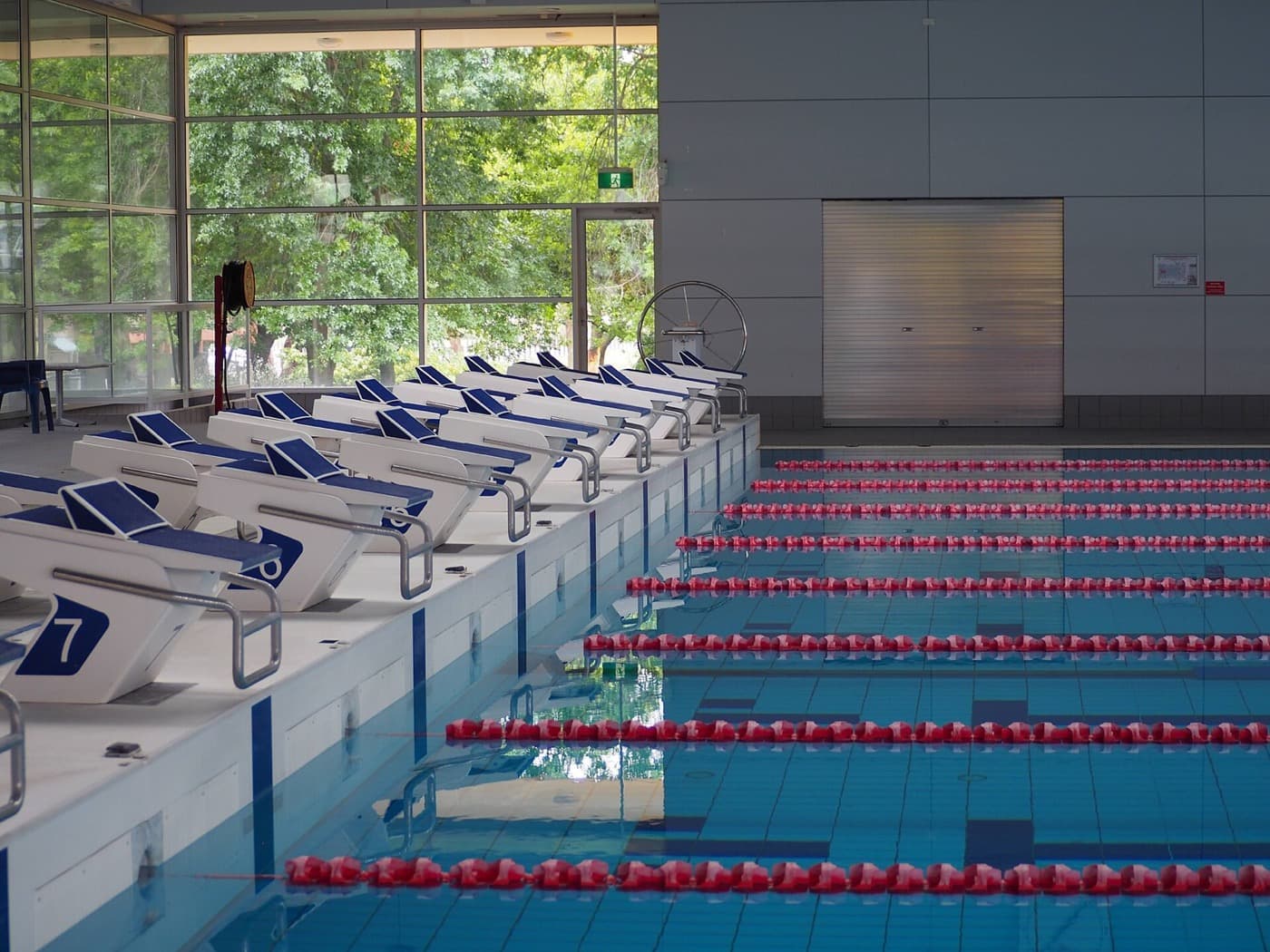
Swimming
A full-body, low-impact endurance sport suitable for almost every age and ability.
Frequently asked questions
What does communication look like in inclusive sport?
It usually means offering information in more than one way — for example visual signals, clear sightlines and agreed cues alongside or instead of sound — so that everyone in the group can receive it. The right approach depends on the people and the sport and is best agreed together, and it is about access and participation rather than any single method being universally best.
Explore across the knowledge base
Follow the threads that connect Communication in inclusive sport to the rest of SocialSportHub.
Adaptive sports
- Sports for Deaf and Hard of Hearing AthletesMainstream sports made accessible by replacing sound-based signals with visual cues so that deaf and hard of hearing athletes can take part and compete.
- Inclusive sportsSport designed or delivered so that disabled and non-disabled people can play together, side by side, in the same activity.
- Adaptive coachingCoaching that adjusts how it teaches — communication, planning and pace — so that people with a disability can learn, improve and enjoy a sport.
How this page is maintained
- Content type
- Communication concept
- Provenance
- Tier A — evergreen educational
- Verified external sources
- 0
- Content updated
- 2026-07-12
Evergreen, first-party explanation — it makes no claim that needs an external source. How we handle sources and reviews.