
Non-verbal communication
Sharing information without words — through body language, eye contact, gestures and agreed hand signals — often faster or quieter than a call.
Overview
Non-verbal communication covers everything a player conveys without speaking: body position, eye contact, a pointed finger, a nod, or a pre-agreed hand signal. In a loud stadium, across a wide pitch, or when a shout would tip off an opponent, a gesture can carry information a spoken call cannot — and teammates are reading each other's bodies constantly, whether or not anyone means to signal.
It tends to work best when signals are simple, shared and practised, so a teammate reads them the same way every time. What the signals mean varies enormously by sport, team and level, so they are learned together rather than assumed. This is distinct from a referee's formal signals, which are a fixed officiating system, and it is central to communication in Deaf and hard-of-hearing sport, where visual cues often lead.
How it works
- It is sharing information without words — body language, eye contact, gestures and agreed hand signals.
- A gesture can be quicker or quieter than a shout, useful in noise, over distance, or when a call would give the move away.
- Players read each other non-verbally all the time, so posture and movement communicate even unintentionally.
- Signals work best when they are simple, shared and rehearsed, so they mean the same thing to everyone.
- It differs from a referee's formal signals — those are a separate officiating system — and its meanings vary by sport and team.
In practice
- In volleyball, a setter often shows plays with hand signals behind their back so the opposition cannot read them.
- In racket doubles such as padel, a partner may signal at the net before a serve, using gestures the pair agrees on together.
- In Deaf and hard-of-hearing sport, visual cues tend to lead the communication, which shapes how teams call, signal and get each other's attention.
Educational — and it varies
Where it shows up
Sports where this communication is especially visible — each with a clear guide.
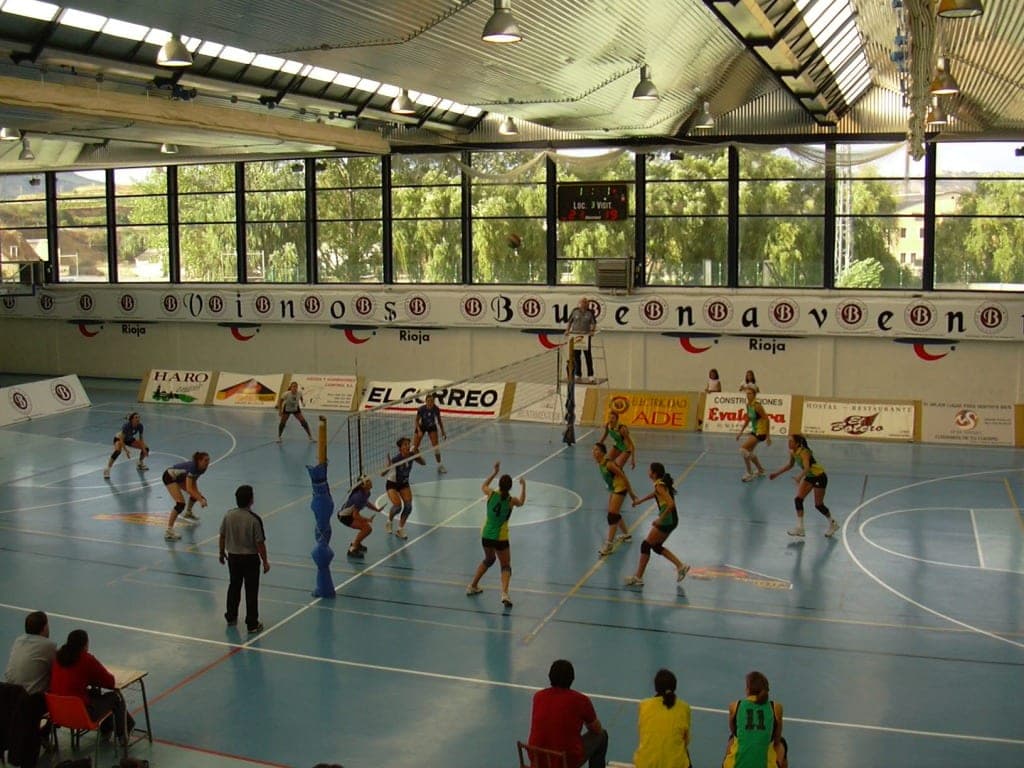
Volleyball
A non-contact team sport of rallies, jumps and teamwork — indoors or on the beach.
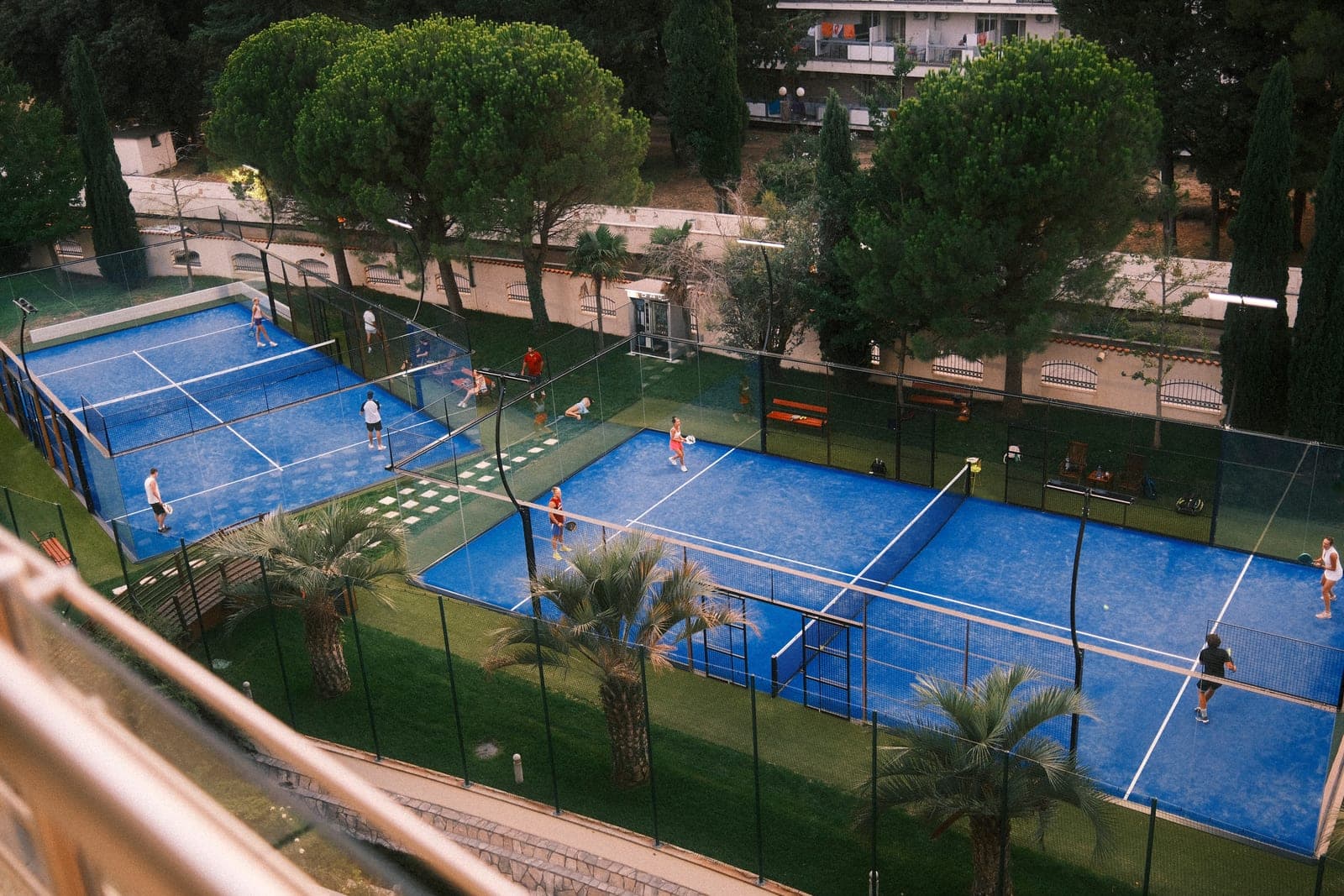
Padel
A sociable, doubles-first racquet sport played in an enclosed court where the walls stay in play.
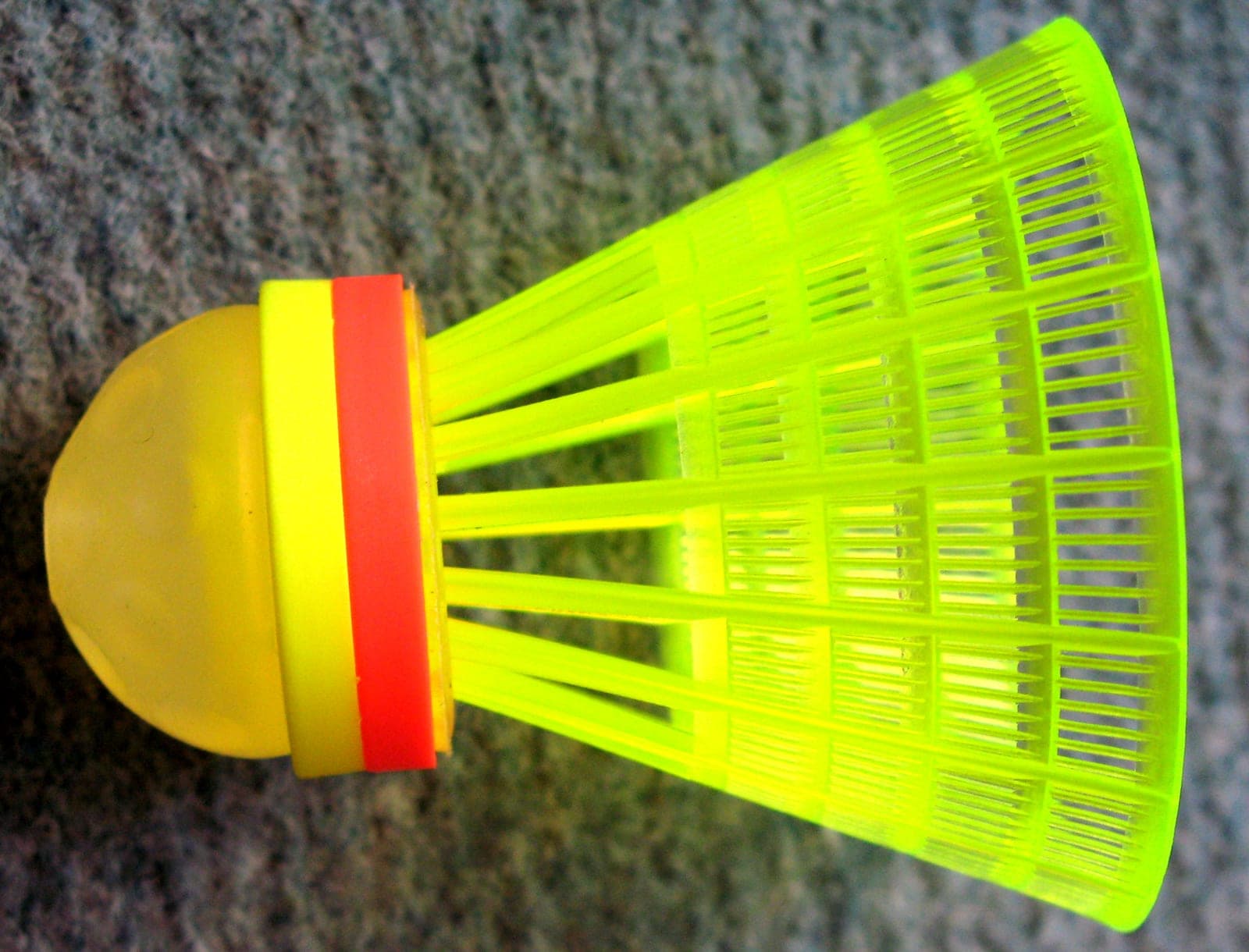
Badminton
A fast indoor racquet sport played with a shuttlecock that rewards agility and touch.
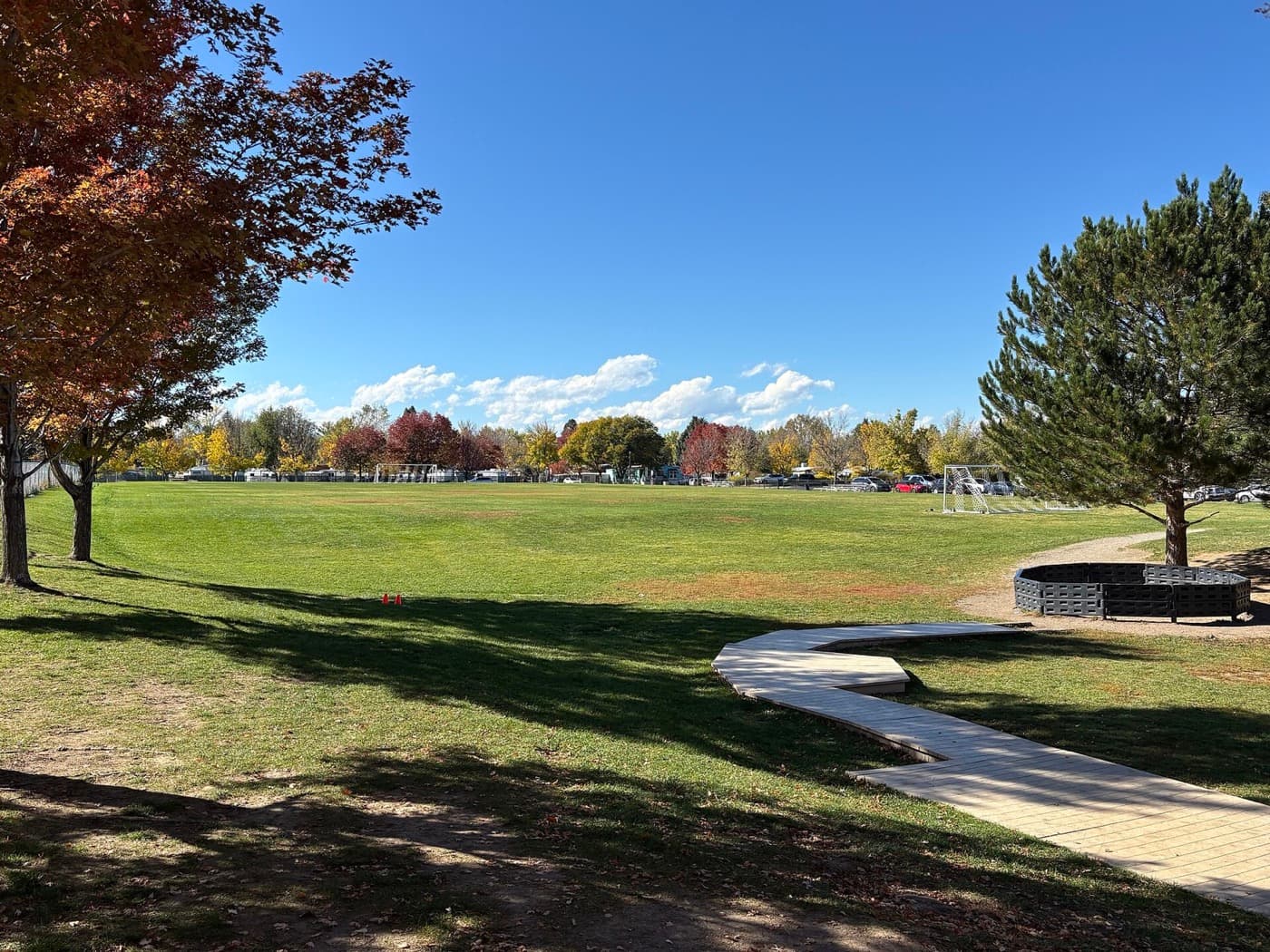
Football
The world’s most popular team sport — endless running, teamwork and community in one game.
Frequently asked questions
What counts as non-verbal communication in sport?
It includes body language, eye contact, pointing, nods and agreed hand signals — any way players share information without speaking. These signals tend to work best when they are simple and rehearsed, and what they mean varies a lot by sport and team, so they are learned together.
Is a referee's signal the same as team non-verbal communication?
Not really — a referee's signals are a formal, standardised part of officiating, whereas team non-verbal communication is an informal, team-specific way that players share information. They can look similar but serve different purposes, and the officiating signals are covered separately.
Explore across the knowledge base
Follow the threads that connect Non-verbal communication to the rest of SocialSportHub.
Officiating
- RefereeThe primary on-field official who enforces the rules, controls play, penalises fouls, awards restarts, and blows the whistle to start and stop a match.
- Penalty SignalA standardized hand or flag signal an official uses to announce a foul, penalty, or restart so players, teammates, and spectators can read the call.
Knowledge Atlas
How this page is maintained
- Content type
- Communication concept
- Provenance
- Tier A — evergreen educational
- Verified external sources
- 0
- Content updated
- 2026-07-12
Evergreen, first-party explanation — it makes no claim that needs an external source. How we handle sources and reviews.