
Tempo run
A tempo run is a sustained run held at a comfortably hard, controlled pace for a set time or distance.
Definition
A tempo run is a running session where you settle into a pace that feels comfortably hard — steady and focused, but not an all-out sprint — and hold it for a continuous stretch such as 20 to 40 minutes. The aim is to spend time at a controlled, purposeful effort rather than to keep changing speed.
Runners often describe the tempo effort as one they could just about sustain and hold a short conversation only in gasps. Because it teaches you to keep a strong rhythm going, it is a common part of training for road running, trail running and the run leg of a triathlon.
Where you’ll hear “tempo run”
Sports that use this term:

Running
The most accessible endurance sport — no venue, just shoes and the open road or trail.
Trail Running
Running off-road on trails, hills and natural terrain, away from pavements and traffic.
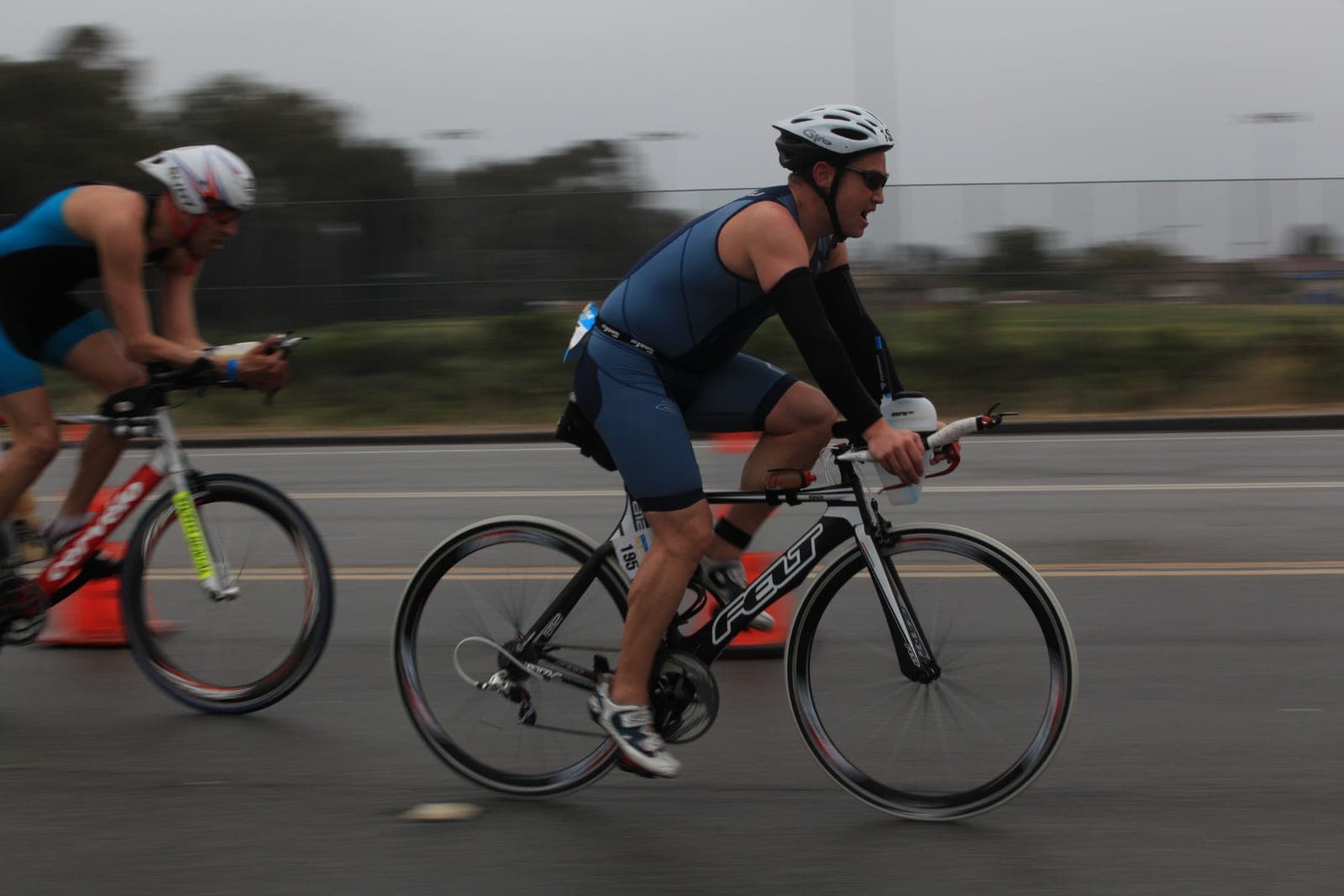
Triathlon
A multi-sport endurance event that links swimming, cycling and running into one continuous race.
How it connects
The meaning-bearing relationships that place Tempo run in the wider knowledge graph — each one with the reason it exists.
Commonly confused with
Close enough to be mixed up — the distinction is worth knowing.
Explore across the knowledge base
Follow the threads that connect Tempo run to the rest of SocialSportHub.
Skills
Tactics
- Pacing strategyPlanning how to distribute effort across a race so energy lasts the full distance without fading.
- Negative splitA pacing tactic where an athlete covers the second half of a race faster than the first.
- Interval-training strategyStructuring a workout as bursts of hard effort separated by recovery to build fitness efficiently.
Strategies
- Pacing and Energy ManagementPacing and energy management is the overarching plan for distributing a limited supply of physical effort across an event so you avoid fading early and finish strong.
- Controlling TempoControlling tempo is the strategy of dictating the pace and rhythm of play — speeding up or slowing down — to suit your strengths and unsettle opponents.
- Tapering and PeakingTapering and peaking is the strategy of easing training load before a key event so fitness stays high while fatigue clears, timing peak form for the day itself.
Go deeper with Tempo run
Everywhere else on the platform that covers Tempo run — assembled from what actually references it, so nothing here is a dead end.
Take it away
Open data and the whole-platform view of this subject.
How this page is maintained
- Content type
- Term
- Provenance
- Tier A — evergreen educational
- Verified external sources
- 0
- Content updated
- 2026-09-01
Evergreen, first-party explanation — it makes no claim that needs an external source. How we handle sources and reviews.