
Morning
Fitting activity into your morning, from an early run to a gentle stretch, to start the day moving.
Overview
Exercising in the morning suits people who like to get activity done before the day fills up. An early run, ride or swim, a gentle yoga or mobility routine, or a brisk walk can be a fresh way to start the day, and a morning slot is often less likely to be crowded out by other plans.
Mornings can feel stiff at first, so an unhurried warm-up matters more than usual. What works best is very individual — some people thrive on early movement, while others prefer later in the day, and both are perfectly fine.
What works
- Getting activity done early means it's less likely to be squeezed out later.
- A gentle warm-up matters, as the body can feel stiffer first thing.
- Calmer, lower-impact starts like walking, mobility or yoga suit many people.
- Morning routines can become a steady habit that anchors the rest of the day.
Getting started
- 1Start with something gentle and gradually build up rather than going hard from cold.
- 2Lay out your kit the night before so there's less friction in getting going.
- 3Give yourself a slightly longer, unhurried warm-up to ease into movement.
- 4Find a time that genuinely fits your sleep and schedule rather than forcing an unrealistically early start.
Sports that fit
Great places to start — each with a clear, beginner-friendly guide.

Running
The most accessible endurance sport — no venue, just shoes and the open road or trail.
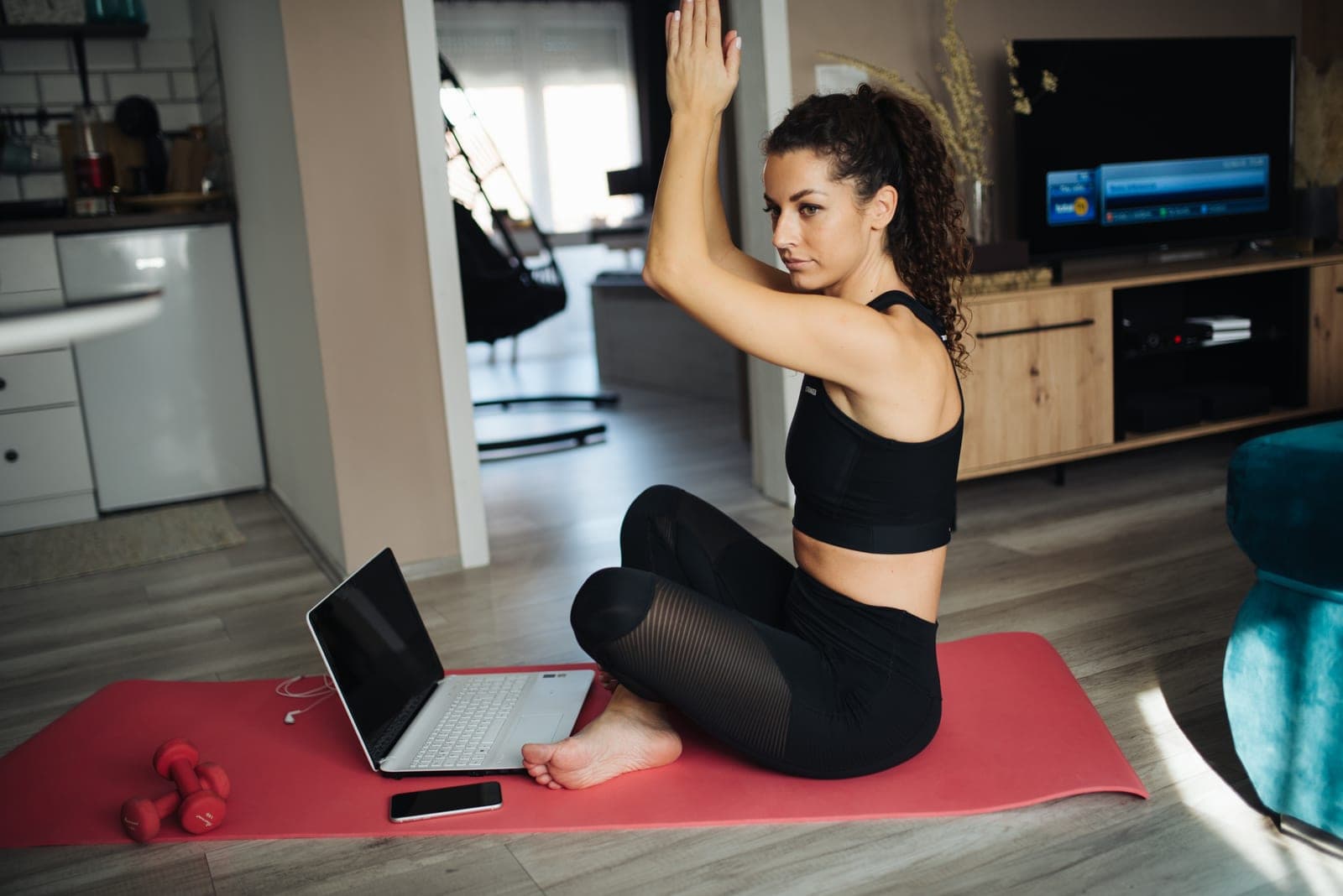
Yoga
A mind-body practice that links postures, breathing and focus to build flexibility, strength and calm.

Swimming
A full-body, low-impact endurance sport suitable for almost every age and ability.
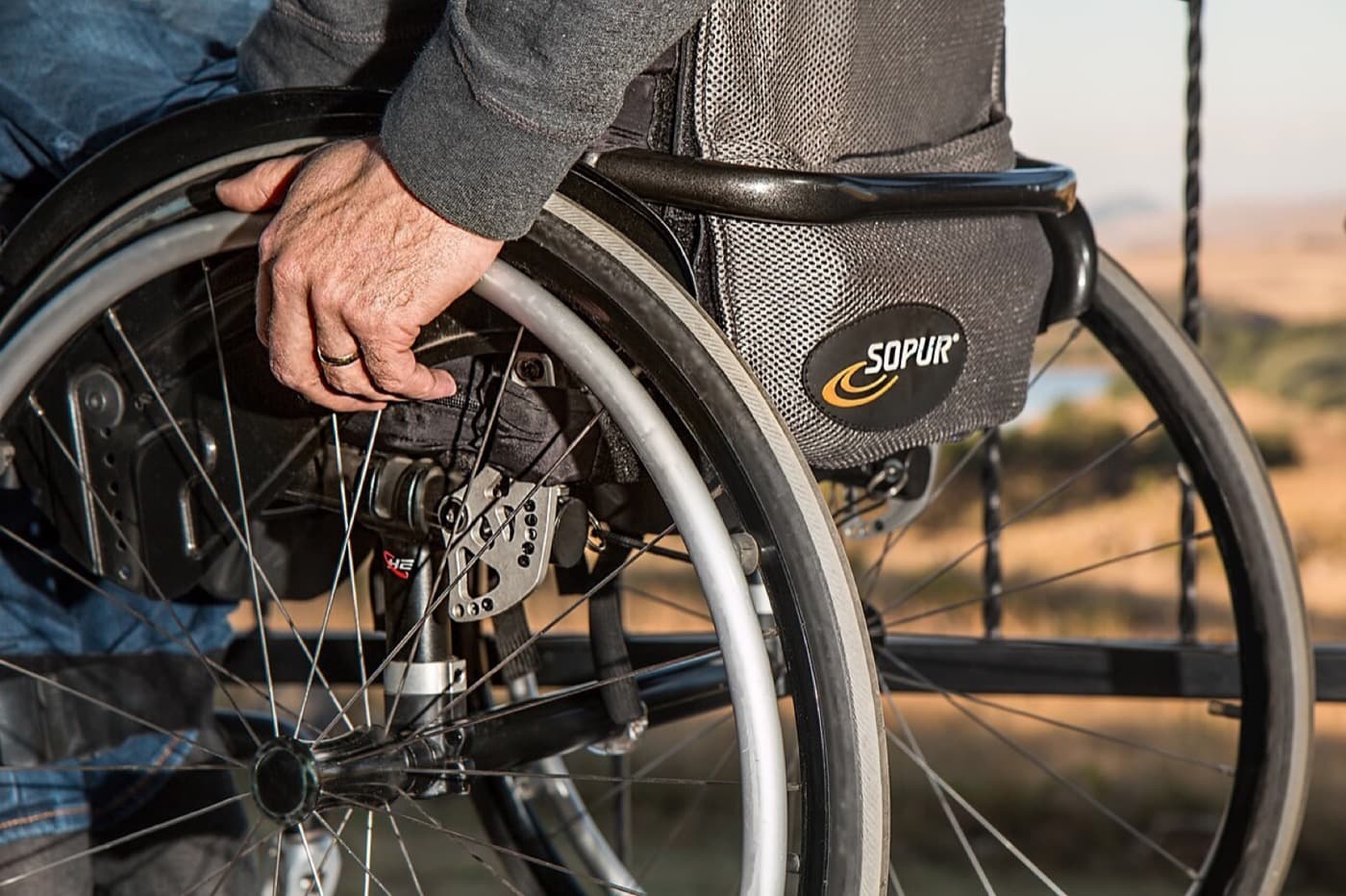
Cycling
A low-impact endurance sport that doubles as transport, exercise and adventure.

Tai Chi
A gentle mind-body practice of slow, flowing movements that builds balance, mobility and calm.
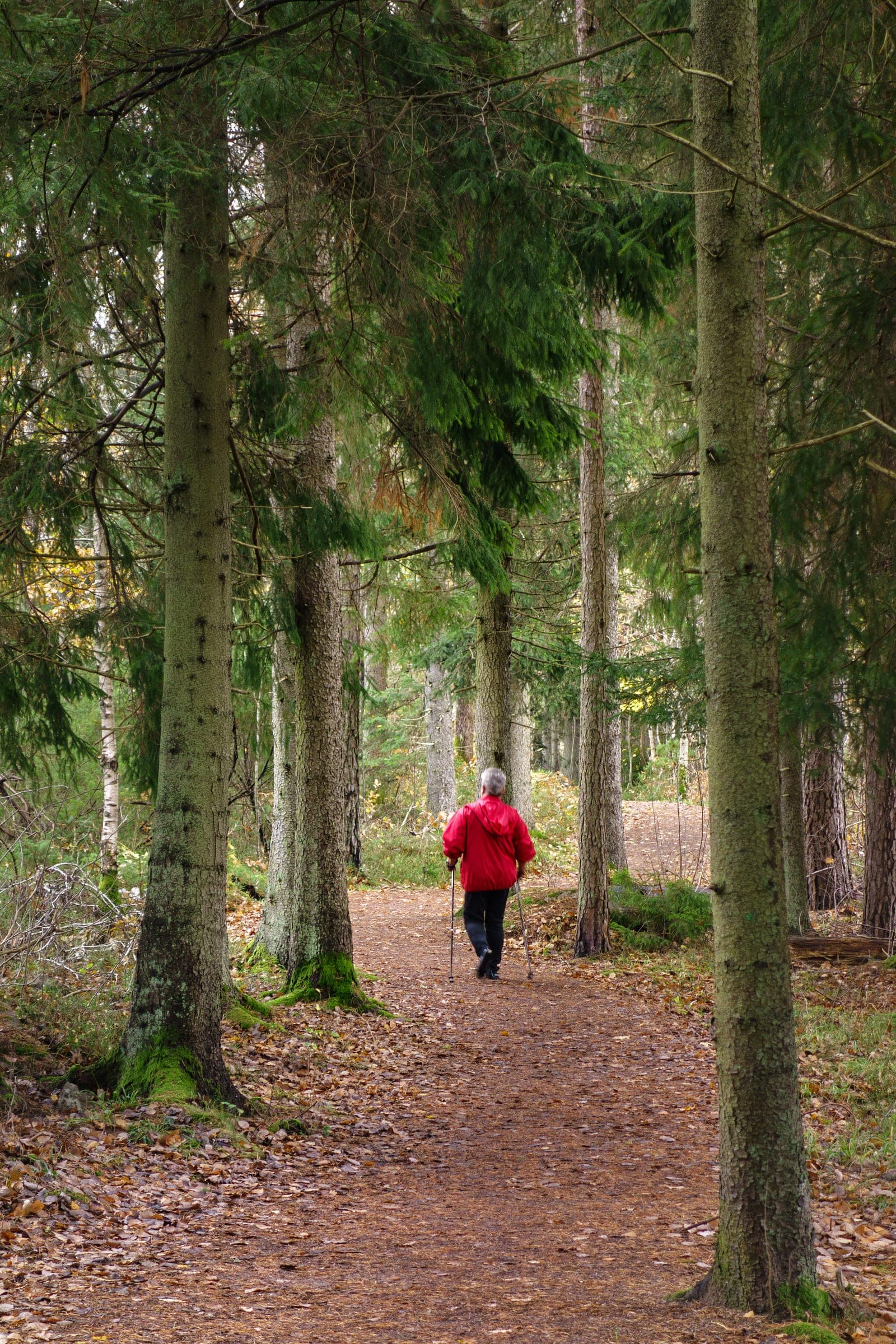
Nordic Walking
A gentle, accessible endurance activity that adds poles to bring the upper body into every walk.
Goals that fit
Build healthy habits
Using sport and routine to make regular activity a lasting part of everyday life.
Become more active
Add regular, gentle movement to your everyday life and build up from a sedentary start at your own pace.
Build an active lifestyle
Make movement a natural, lasting part of daily life through activities and habits you genuinely enjoy.
Improve fitness
Build well-rounded fitness — stamina, strength and more — through regular, varied activity you can keep up.
Ways to train
Exercises and methods that fit — educational, not a prescription.
Squat
A foundational lower-body movement where you bend at the hips and knees to lower down and stand back up.
Romanian deadlift
A hinge variation focused on the back of the legs, lowering the weight without returning it to the floor.
Hip hinge
The foundational bending-at-the-hips pattern that underpins deadlifts, swings and picking things up.
Band pull-apart
A simple pulling exercise where you stretch a resistance band across your chest to work the upper back.
Mobility Training
Mobility training works on moving your joints actively through their full range, combining control and flexibility so movement feels free and easy.
Flexibility Training
Flexibility training uses stretching to gradually improve how far your muscles and joints can comfortably lengthen and move.
Frequently asked questions
Is it better to exercise in the morning?
There's no single best time for everyone. Morning activity suits people who like to get it done early and find it less likely to be interrupted, but the best time is really the one you can stick to consistently. Both morning and later sessions can work well.
Should I eat before a morning workout?
This varies a lot between people and activities. Some prefer a light snack, others are comfortable exercising before eating. It is general information rather than a nutrition plan — a doctor or dietitian can give guidance tailored to you.
How do I warm up for morning exercise?
Because the body can feel stiffer first thing, ease in gently — a few minutes of light movement and mobility before picking up the pace helps you feel ready and comfortable rather than starting cold.
Explore across the knowledge base
Follow the threads that connect Morning to the rest of SocialSportHub.
Healthy living
- Morning MovementA little gentle activity early in the day to wake the body up and start on a positive note.
- Meal TimingHow the rhythm of when you eat can fit around your day and your activity — without rigid rules or clock-watching.
- Active CommutingBuilding movement into the journey to work or school — walking or cycling all or part of the way, so travel time doubles as active time.
How this page is maintained
- Content type
- For your day
- Provenance
- Tier A — evergreen educational
- Verified external sources
- 0
- Content updated
- 2026-07-09
Evergreen, first-party explanation — it makes no claim that needs an external source. How we handle sources and reviews.