
Drop Volley
A volley played softly with a relaxed grip so the ball drops just over the net with little forward pace.
Definition
A drop volley is a delicate net shot in which the player absorbs the incoming ball's pace instead of punching it, letting the ball die just beyond the net. It is executed by softening the grip and cushioning the contact, sometimes with a touch of backspin so the ball bounces low and short.
Common in tennis and padel, the drop volley is used to wrong-foot an opponent stranded near the baseline or to change tempo after a series of hard-hit shots. It demands soft hands and fine touch, and it carries risk: a drop volley that sits up gives an alert opponent an easy passing shot or approach.
Where you’ll hear “drop volley”
Sports that use this term:
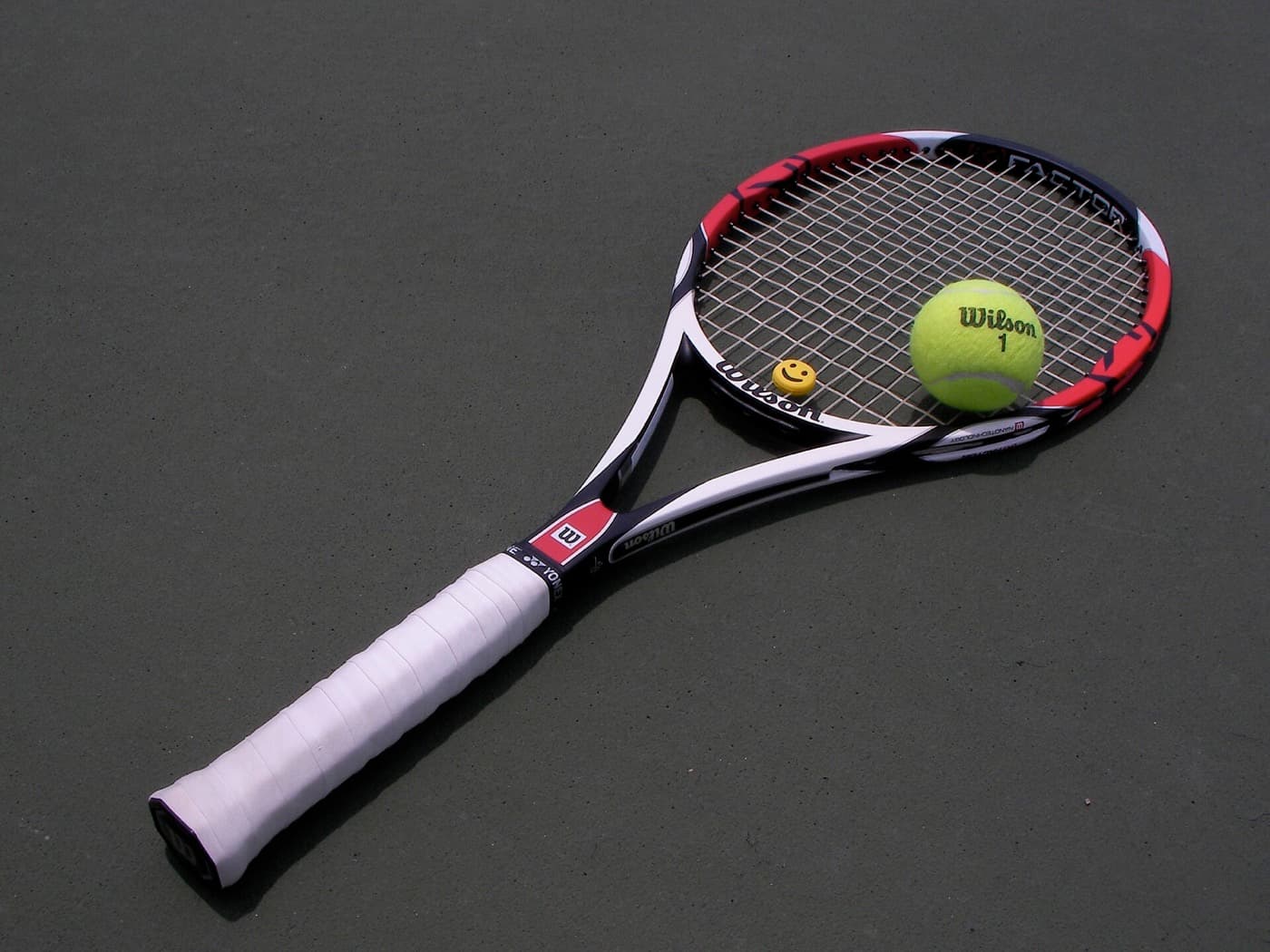
Tennis
A singles or doubles racquet sport that blends agility, strategy and stamina on court.

Padel
A sociable, doubles-first racquet sport played in an enclosed court where the walls stay in play.
POP Tennis
A friendly, easy-to-learn racquet sport on a smaller court with solid paddles and a lower net.
How it connects
The meaning-bearing relationships that place Drop Volley in the wider knowledge graph — each one with the reason it exists.
Commonly confused with
Close enough to be mixed up — the distinction is worth knowing.
Explore across the knowledge base
Follow the threads that connect Drop Volley to the rest of SocialSportHub.
Skills
- Net playThe skill of controlling points close to the net with volleys and touch shots.
- PuttingThe skill of rolling the ball along the green so it drops into the hole.
- Running formThe skill of running with efficient, relaxed and balanced movement, so that more of the effort you put in goes into travelling forward.
- Ball controlThe skill of receiving and settling the ball quickly so it is ready to use.
Tactics
- Net playControlling the point from close to the net with volleys, smashes and touch shots to cut down an opponent’s time.
- Serve and volleyAn attacking tennis tactic where the server follows their serve to the net to finish the point with a volley.
- Approaching the netHow a point is moved forward — which balls justify an approach, why the approach is hit down the line, and the transition volley that has to be played from no-man's land.
Techniques
- VolleyA shot played near the net by blocking the ball out of the air before it bounces, using a short, firm punch rather than a full swing.
- LayupA close-range basketball shot taken while moving toward the basket, laying the ball softly off the backboard or over the rim.
- Padel BandejaA controlled overhead shot in padel, hit with slice and moderate pace to keep the player at the net without over-committing.
- One-Handed BackhandA backhand groundstroke struck with a single hand on the grip, driving through the ball with a full extension of the hitting arm.
- Volleyball SpikeA powerful attacking hit that drives the ball sharply downward over the net into the opponent's court, usually after an approach and jump.
Rules
- Three-hit ruleThe volleyball rule that a team may contact the ball at most three times before it must cross the net.
- How a point is won in table tennisThe full list of ways a player scores — the returns that fail, the ball through the net, the double hit, the free-hand touch, and the moving-table rule most players never meet.
- Touching the netA net-play rule that penalises a player for contacting the net during a rally in net-divided sports.
Go deeper with Drop Volley
Everywhere else on the platform that covers Drop Volley — assembled from what actually references it, so nothing here is a dead end.
Take it away
Open data and the whole-platform view of this subject.
How this page is maintained
- Content type
- Term
- Provenance
- Tier A — evergreen educational
- Verified external sources
- 0
- Content updated
- 2026-09-01
Evergreen, first-party explanation — it makes no claim that needs an external source. How we handle sources and reviews.