
Serve and volley
An attacking tennis tactic where the server follows their serve to the net to finish the point with a volley.
Overview
Serve and volley is a proactive, net-based style in which the server moves forward immediately after striking the serve, aiming to intercept the return before it bounces and put it away with a volley.
It shortens rallies and pressures the returner into a fast, low-margin passing shot. The tactic rewards a well-placed serve, quick footwork into the net and clean volleying, and is used most often on faster surfaces.
Key points
- The serve is used to set up the point, not to end it — placement and depth matter more than raw power.
- The server aims to reach a strong volleying position before the returner makes contact.
- A low first volley near the service line is usually followed by a second volley closer to the net.
- It works best against returners who prefer to rally from the baseline.
- Common in doubles, where one partner covers the net while the other serves.
Where it’s used
Sports that use serve and volley:
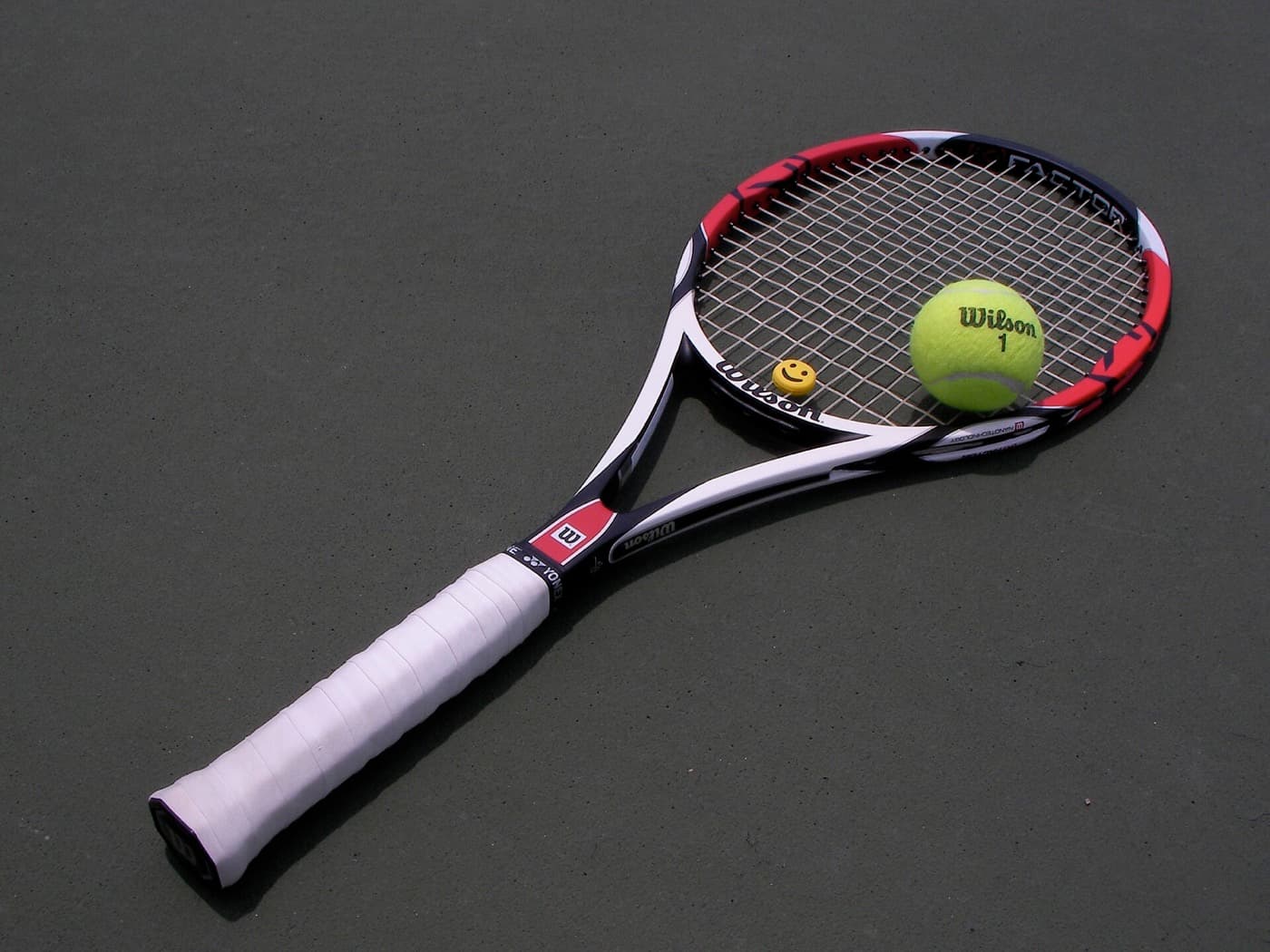
Tennis
A singles or doubles racquet sport that blends agility, strategy and stamina on court.
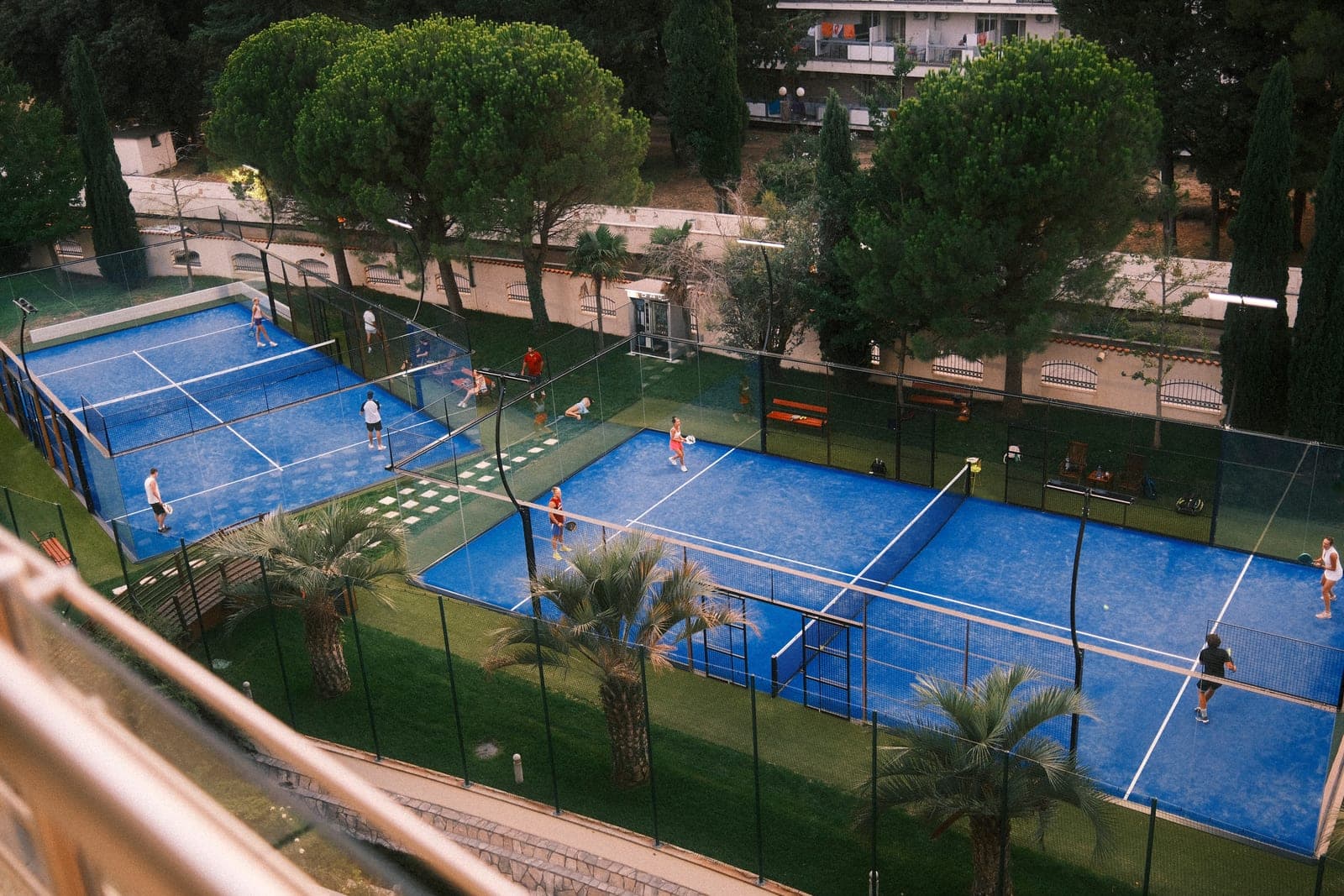
Padel
A sociable, doubles-first racquet sport played in an enclosed court where the walls stay in play.
POP Tennis
A friendly, easy-to-learn racquet sport on a smaller court with solid paddles and a lower net.
Related tactics
Baseline play
A patient tennis style built around rallying from the back of the court and constructing points with groundstrokes.
Doubles formation
How a pair positions itself on court — one up, one back, or both at the net — to control space in doubles.
Net play
Controlling the point from close to the net with volleys, smashes and touch shots to cut down an opponent’s time.
How it connects
The meaning-bearing relationships that place Serve and volley in the wider knowledge graph — each one with the reason it exists.
Frequently learned together
Taught side by side in the same stage of a learning path.
- Baseline playBoth are taught in the “Understand tactics & strategy” stage of the Tennis learning path.
- Doubles formationBoth are taught in the “Understand tactics & strategy” stage of the Tennis learning path.
- Net playBoth are taught in the “Understand tactics & strategy” stage of the Tennis learning path.
- Approaching the netBoth are taught in the “Understand tactics & strategy” stage of the Tennis learning path.
- Crosscourt and down the lineBoth are taught in the “Understand tactics & strategy” stage of the Tennis learning path.
Used with
Turns up alongside this across the same sports.
Explore across the knowledge base
Follow the threads that connect Serve and volley to the rest of SocialSportHub.
Playing surfaces
Rules
- Tennis serving rulesThe rules governing how a tennis point begins, including where the server stands and where the serve must land.
- Two-bounce ruleA pickleball rule requiring both the serve and the return to bounce once before players may hit the ball out of the air.
- The padel servePadel's underarm serve, set out exactly — the bounce before the strike, the waist-height limit, where the server's feet must be, and the wire-mesh fault that has no tennis equivalent.
- Foot faultA serving fault called when the server's foot touches the baseline or court before striking the ball.
- Badminton serve rulesThe rules for how a badminton serve must be delivered and where it must land.
Techniques
- Tennis ServeThe overhead stroke that starts every point, hit from behind the baseline into the diagonally opposite service box.
- VolleyA shot played near the net by blocking the ball out of the air before it bounces, using a short, firm punch rather than a full swing.
- Flat, slice and kick servesThe three serves and what actually separates them — the contact point on the ball and the toss that makes it possible — plus what each one does to the ball after it bounces.
- The return of serveTennis's most under-coached shot — where to stand against a first and second serve, why blocking beats swinging, and what the Rules allow a returner to do.
- Volleyball SpikeA powerful attacking hit that drives the ball sharply downward over the net into the opponent's court, usually after an approach and jump.
Learning paths
Go deeper with Serve and volley
Everywhere else on the platform that covers Serve and volley — assembled from what actually references it, so nothing here is a dead end.
Learn it
Structured courses and paths on the platform that cover this directly.
How this page is maintained
- Content type
- Tactic
- Provenance
- Tier A — evergreen educational
- Verified external sources
- 0
- Content updated
- 2026-09-12
Evergreen, first-party explanation — it makes no claim that needs an external source. How we handle sources and reviews.