
Give-and-go
A two-player move where a player passes to a teammate and immediately runs into space to receive an instant return pass.
Definition
In a give-and-go, one player passes, or gives, the ball to a teammate and then sprints past a defender to collect the quick return. The second player acts as a wall, redirecting the ball first-time into the space the passer is running into.
The move appears across many sports under different names, including the wall pass or one-two in football and the give-and-go in basketball, ice hockey and lacrosse. Its strength is using a defender's momentary focus on the ball to slip a runner in behind them.
Where you’ll hear “give-and-go”
Sports that use this term:

Football
The world’s most popular team sport — endless running, teamwork and community in one game.
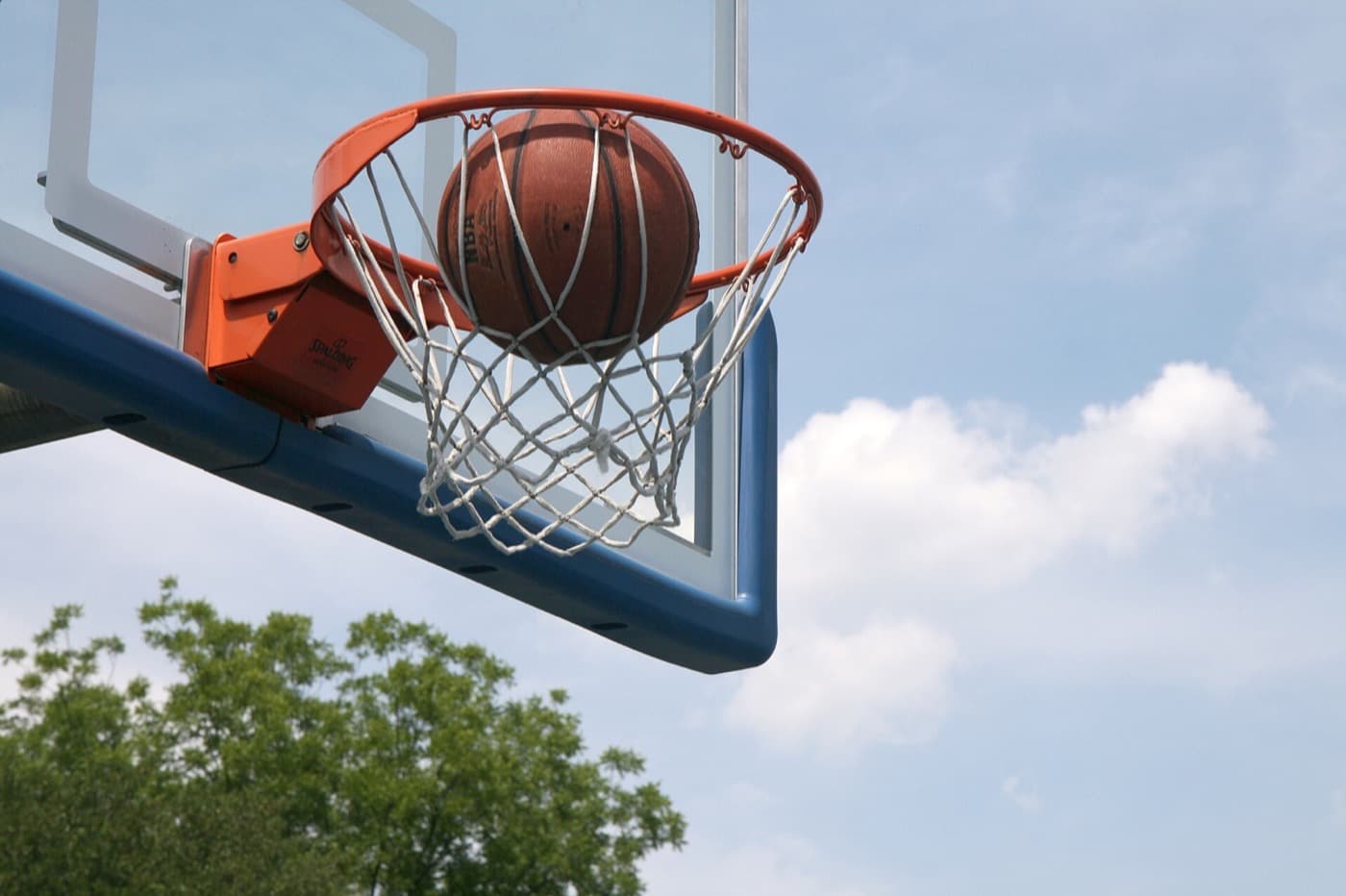
Basketball
A fast, dynamic team sport of running, jumping and quick decisions on court.
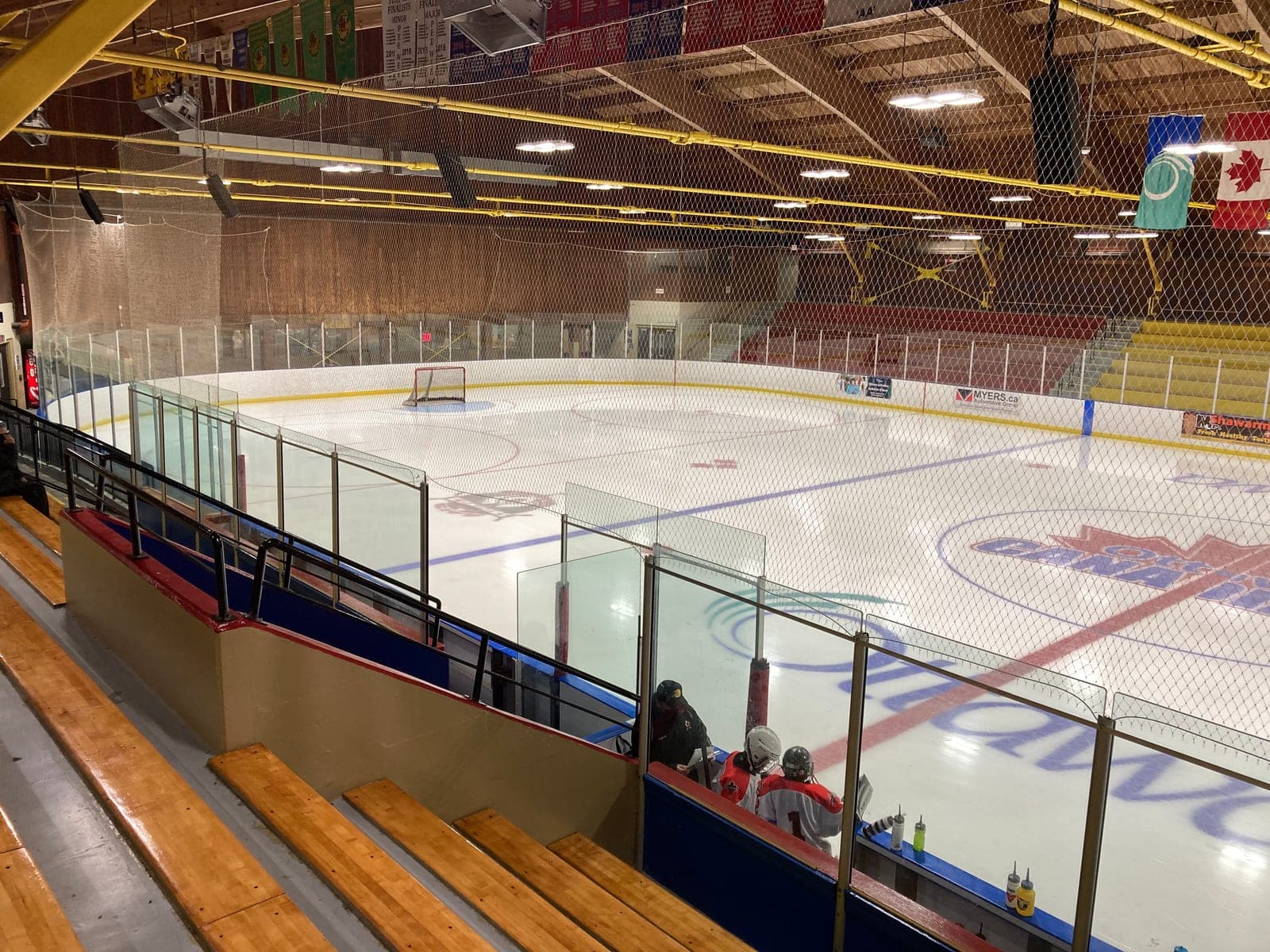
Ice Hockey
A fast team sport on ice that combines skating skill with quick passing and goal-scoring.
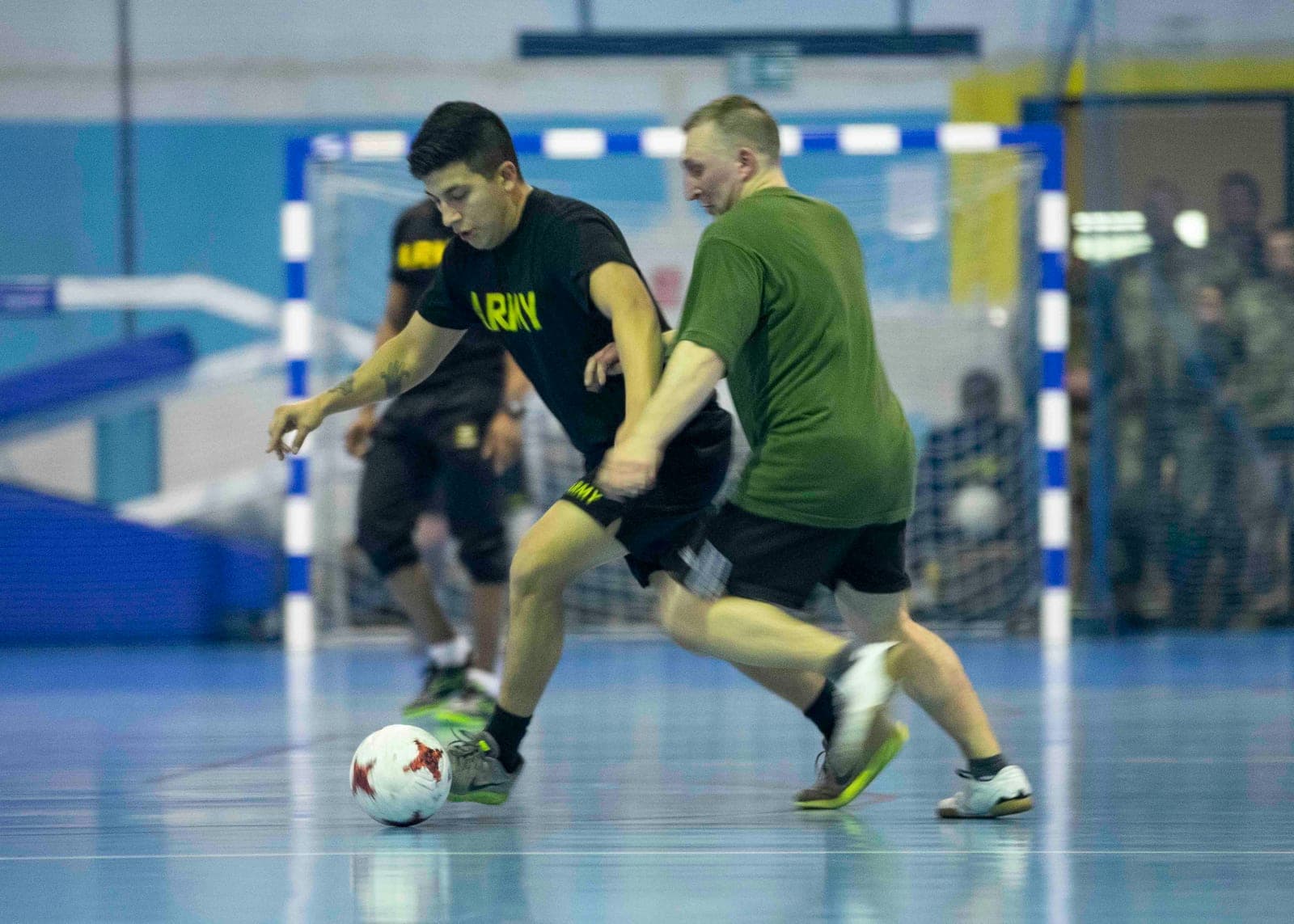
Futsal
A fast, small-sided indoor form of football played on a hard court with a low-bounce ball.
Explore across the knowledge base
Follow the threads that connect Give-and-go to the rest of SocialSportHub.
Decision making
- Reading spaceSeeing where space is — and is not — on the field or court, and using it to decide where to move, pass or play.
- Pass selectionChoosing which pass to play, and to whom, from the options a moment offers — weighing space, risk and what the team is trying to do.
- Option recognitionSeeing what actions are actually available in a moment — the passes, shots or moves on offer — before choosing between them.
- Positioning choicesDeciding where to place yourself — often before the ball arrives — to cover space, stay ready to act and shape what an opponent can do.
Sports communication
- Signalling availabilityShowing a teammate you are open and ready to receive — often through movement, body position or a gesture rather than a shout.
- Calling for the ballLetting a teammate know you are open and want the pass — usually a short, clear call made at the right moment.
- Teammate feedbackPlayers giving each other useful, respectful feedback as peers — encouragement, quick corrections and honest reads — distinct from a coach's feedback.
- Coach-to-player feedbackHow a coach shares usable information with a player about what they did and what to try next — usually specific, well timed and focused on one thing at a time.
Skills
- PassingThe skill of moving the ball to a teammate accurately to keep possession and create chances.
- MarkingThe defensive skill of staying close to an opponent to limit their space and options.
- HeadingThe skill of directing the ball with the head to pass, clear or attempt to score.
- Returning serveThe skill of reading and playing back an opponent’s serve to stay in the rally.
Techniques
- Chest PassA two-handed pass thrown directly from chest height in a straight line to a teammate, the most basic pass in basketball and netball.
- Volleyball SetAn overhead pass using the fingertips of both hands to place the ball accurately for a teammate to attack.
- Flip TurnA fast turn in freestyle where the swimmer somersaults at the wall, pushes off on their back and rotates to continue swimming.
- Inside-of-the-Foot PassThe most reliable short pass in football, played with the inside surface of the foot for accuracy over a short to medium distance.
- HeaderA technique for controlling or striking the ball with the forehead in football, used to pass, shoot or clear the ball in the air.
Rules
- Ball in play and the wallsWhat counts as part of the court in padel and how the walls change a rally — which surfaces the ball may use, the order it must use them in, and the returns the rules explicitly permit.
- Two-bounce ruleA pickleball rule requiring both the serve and the return to bounce once before players may hit the ball out of the air.
Go deeper with Give-and-go
Everywhere else on the platform that covers Give-and-go — assembled from what actually references it, so nothing here is a dead end.
Take it away
Open data and the whole-platform view of this subject.
How this page is maintained
- Content type
- Term
- Provenance
- Tier A — evergreen educational
- Verified external sources
- 0
- Content updated
- 2026-09-01
Evergreen, first-party explanation — it makes no claim that needs an external source. How we handle sources and reviews.