
Overlap
An attacking run where a player sprints outside and beyond a teammate on the ball to offer a passing option down the flank.
Definition
An overlap happens when a supporting player, often a full-back, runs around the outside of a teammate who has the ball and moves ahead of them toward the opposition goal. This creates a two-versus-one on the wing and stretches the defence wide.
Most associated with football, the overlap forces a defender to choose between staying with the ball-carrier or tracking the runner. It is the opposite of an underlapping run, which goes inside rather than outside the player on the ball.
Where you’ll hear “overlap”
Sports that use this term:
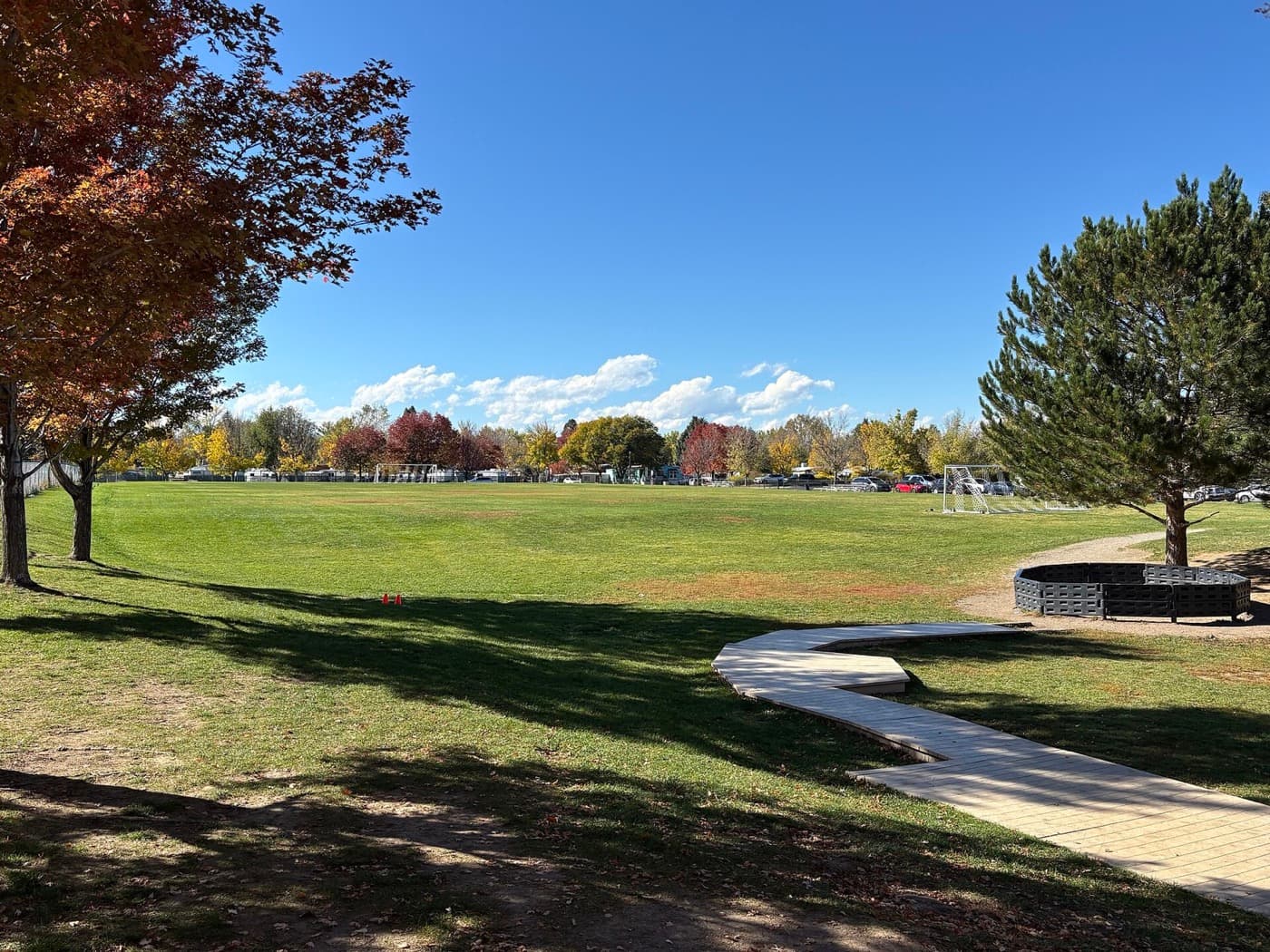
Football
The world’s most popular team sport — endless running, teamwork and community in one game.
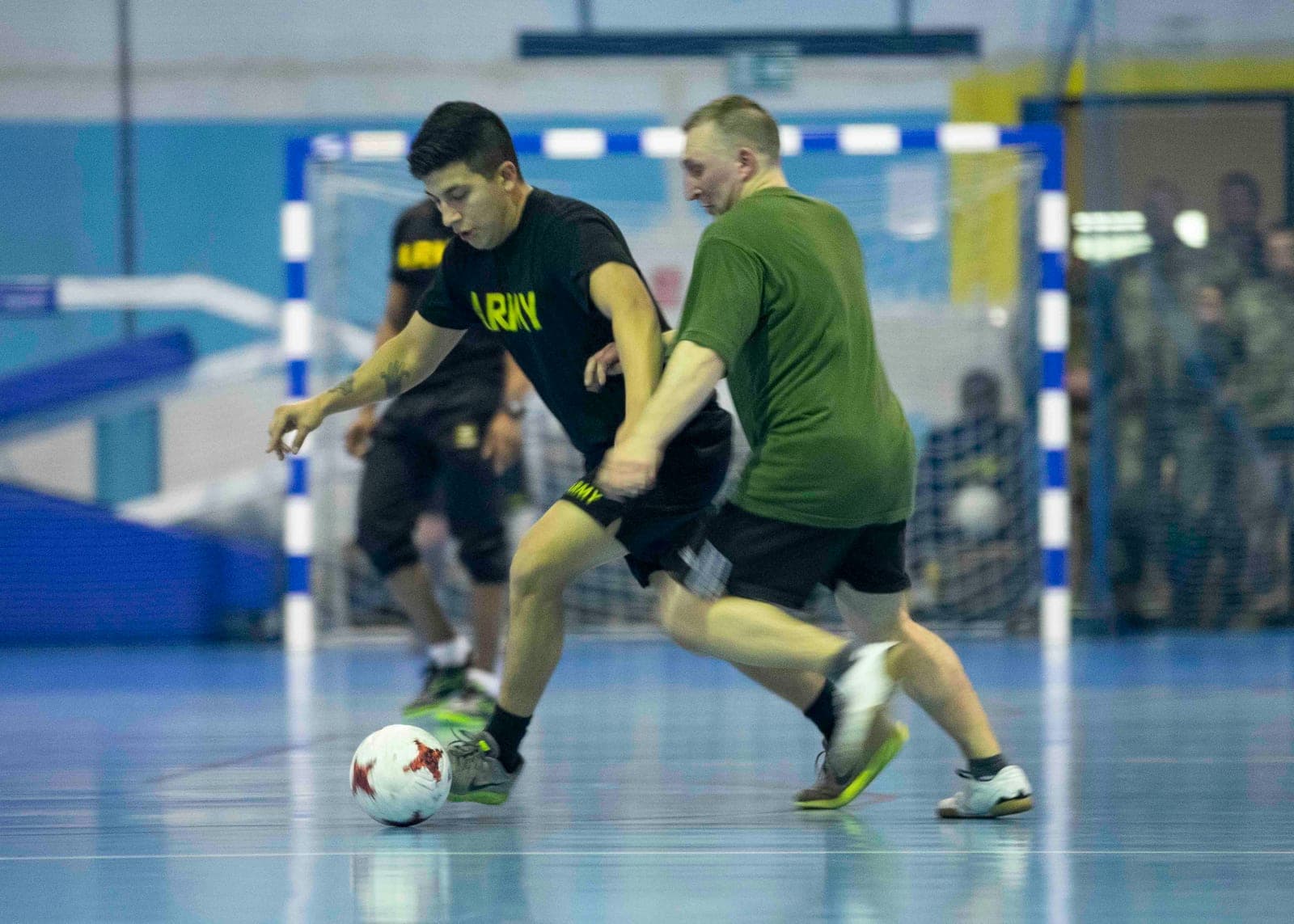
Futsal
A fast, small-sided indoor form of football played on a hard court with a low-bounce ball.
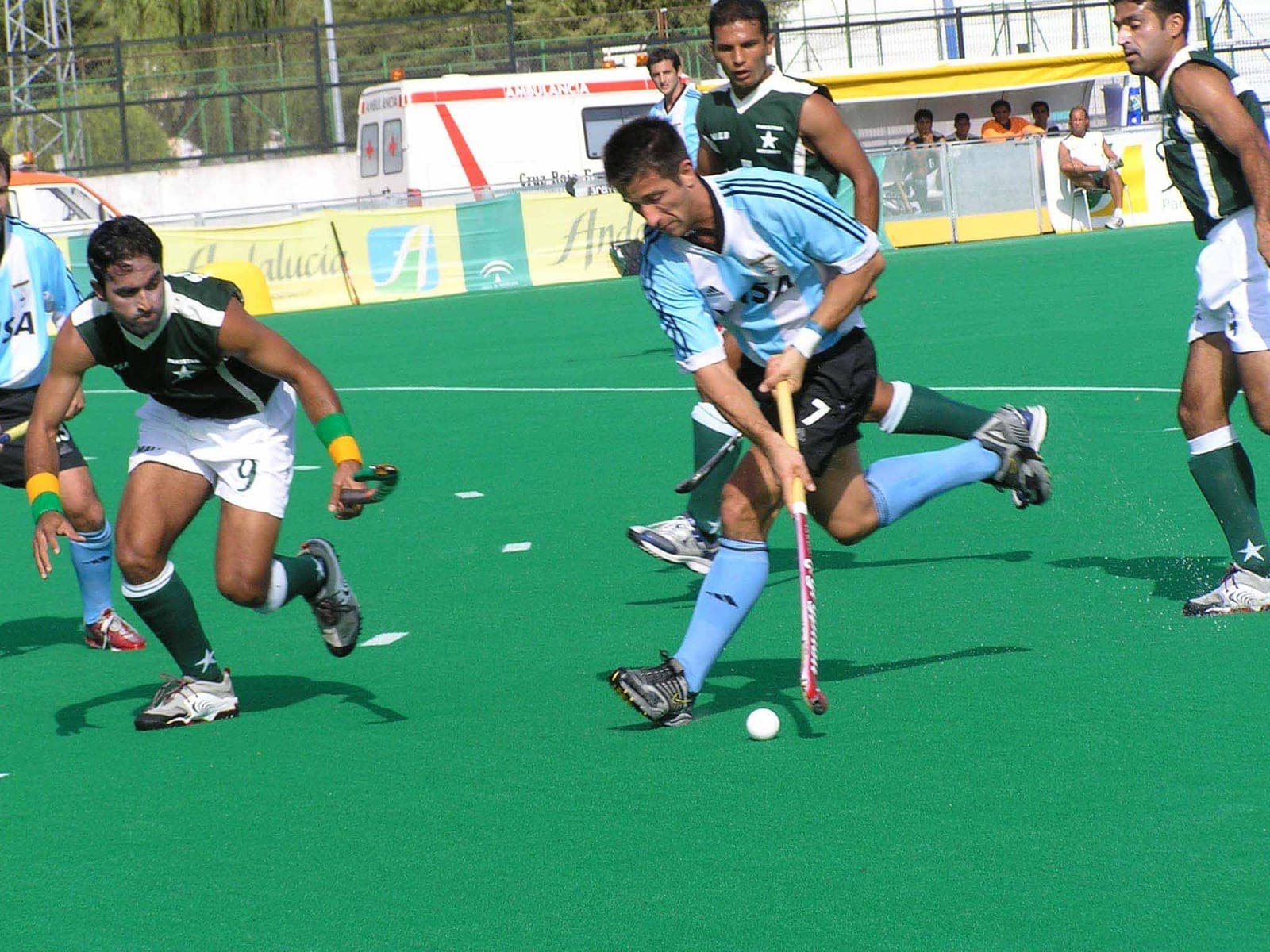
Field Hockey
An outdoor team sport that uses curved sticks to move a ball, built on agility and teamwork.
How it connects
The meaning-bearing relationships that place Overlap in the wider knowledge graph — each one with the reason it exists.
Commonly confused with
Close enough to be mixed up — the distinction is worth knowing.
Explore across the knowledge base
Follow the threads that connect Overlap to the rest of SocialSportHub.
Decision making
Skills
Positions
- Outside hitterThe outside hitter attacks from the left side of the net and is often a volleyball team’s main scoring option.
- Full-backA full-back is a defender who plays on the left or right side of the defence, defending the flank while also supporting attacks down the wing.
- Shooting guardThe shooting guard is a perimeter player whose main role is to score, especially from mid-range and beyond the three-point line.
- StrikerA striker is the main attacking player in football, positioned furthest forward with the primary job of scoring goals.
- Small forwardThe small forward is a versatile wing player in basketball who can score inside and outside while also defending multiple positions.
Tactics
- Wing playAttacking down the flanks and crossing the ball into the box to stretch the defence and create chances.
- Possession playA patient football style that keeps the ball through short passing to control the game and tire opponents.
- Serve and volleyAn attacking tennis tactic where the server follows their serve to the net to finish the point with a volley.
- High pressA football tactic where a team hunts the ball high up the pitch to win it back close to the opponent’s goal.
Skills Academy
- Ball-sport skillsThe skills that recur across ball games — control, passing, dribbling, shooting and defending.
- Team-play skillsThe skills that make a team work — combining, covering and communicating through the ball.
- Object-control skillsHandling a ball or implement — controlling, receiving, passing and moving it with intent.
Go deeper with Overlap
Everywhere else on the platform that covers Overlap — assembled from what actually references it, so nothing here is a dead end.
Take it away
Open data and the whole-platform view of this subject.
How this page is maintained
- Content type
- Term
- Provenance
- Tier A — evergreen educational
- Verified external sources
- 0
- Content updated
- 2026-09-01
Evergreen, first-party explanation — it makes no claim that needs an external source. How we handle sources and reviews.