
Seeding
Ranking entrants before a draw so the strongest are kept apart and only meet in later rounds.
Definition
Seeding is the practice of ranking competitors ahead of a tournament, usually from form or an official ranking list, and then placing them in the draw so that the top entrants are spread across the bracket. A "seed" is a ranked entrant, so the number-one seed is expected to be the strongest, and seeding aims to stop the best players meeting in the early rounds.
By separating the favourites, seeding protects the integrity of a draw and tends to save the marquee clashes for the semi-finals and final, while unseeded players fill the remaining slots. Upsets still happen, and a lower seed beating a higher one is one of the recurring storylines of knockout sport.
Where you’ll hear “seeding”
Sports that use this term:
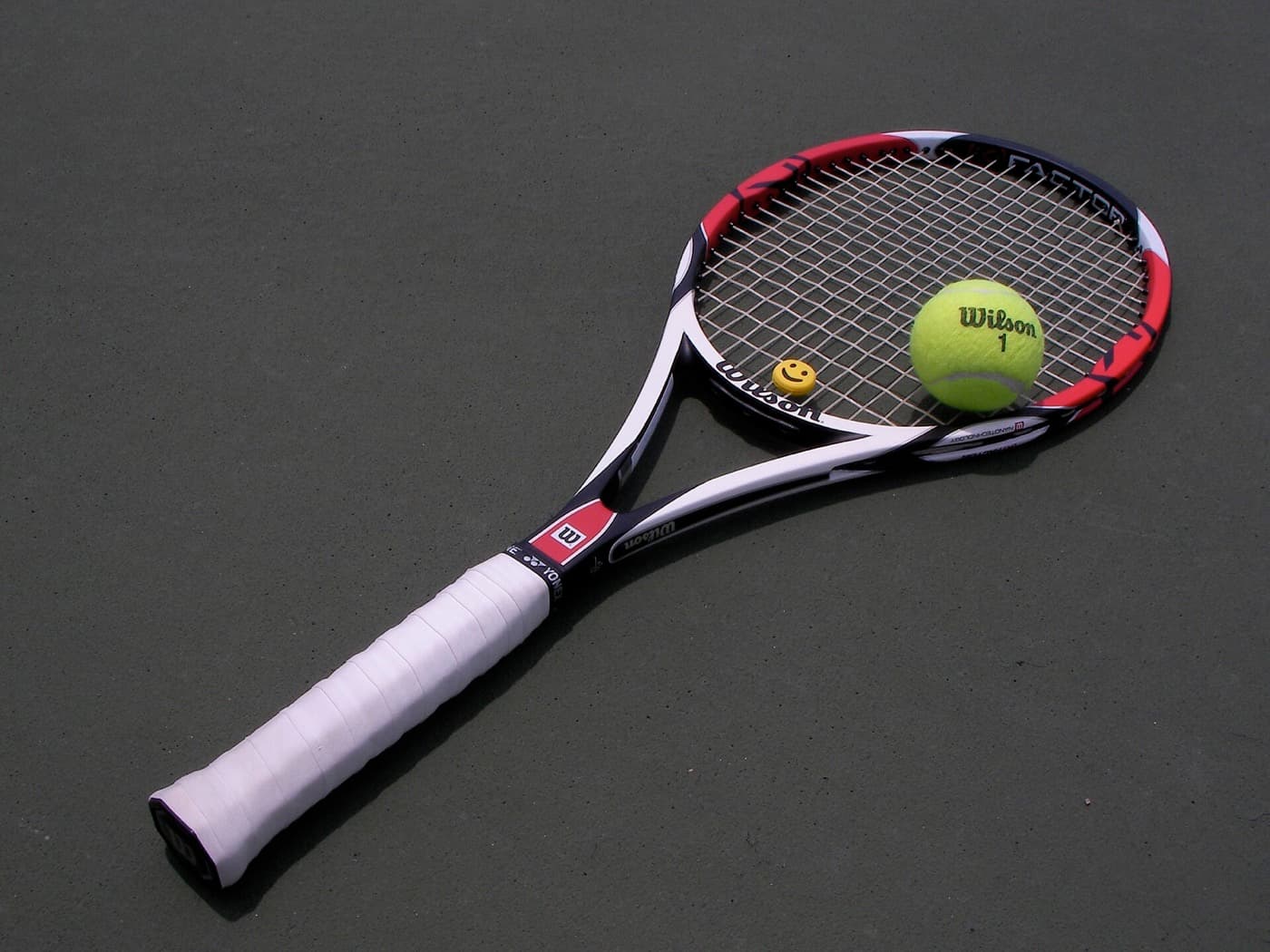
Tennis
A singles or doubles racquet sport that blends agility, strategy and stamina on court.
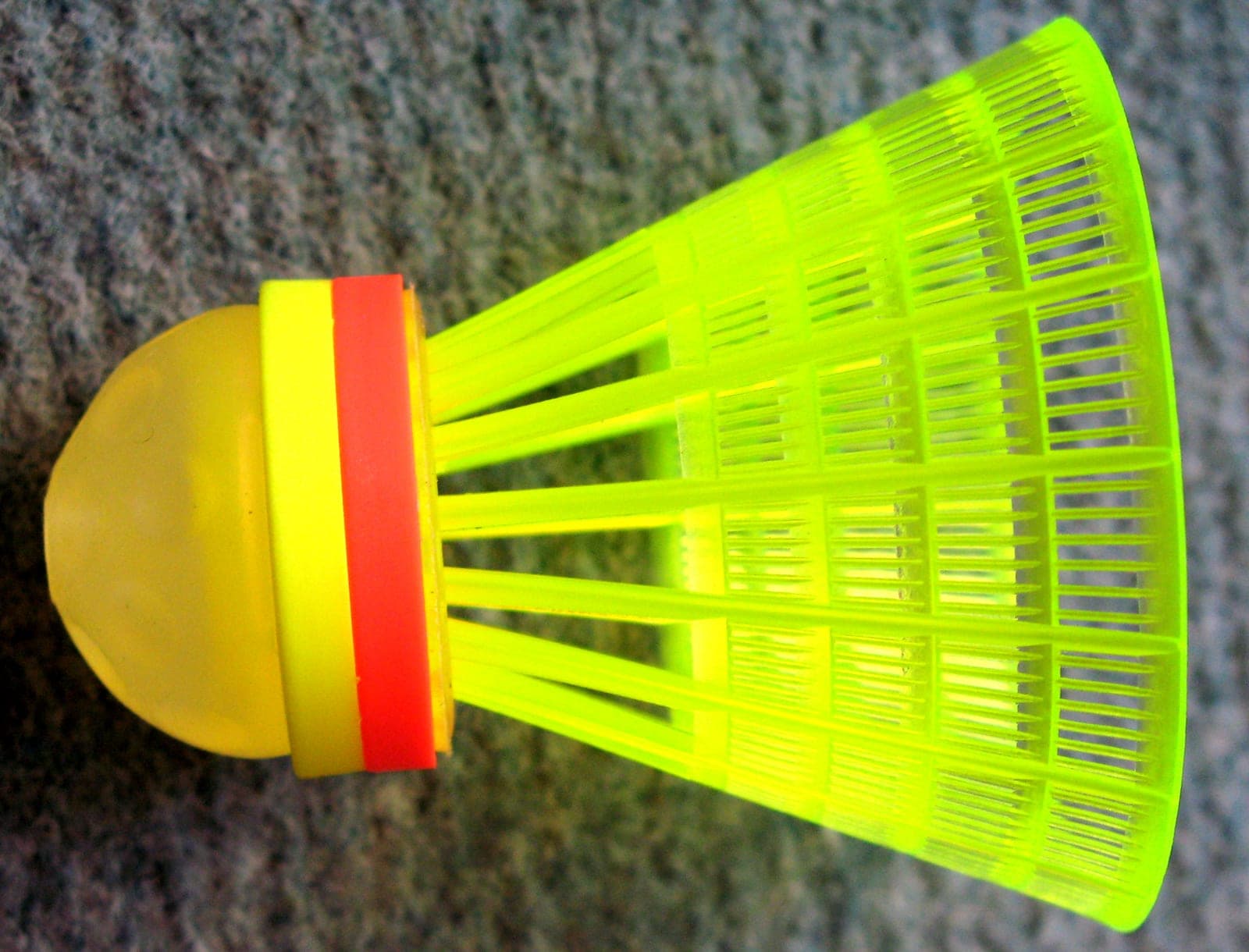
Badminton
A fast indoor racquet sport played with a shuttlecock that rewards agility and touch.
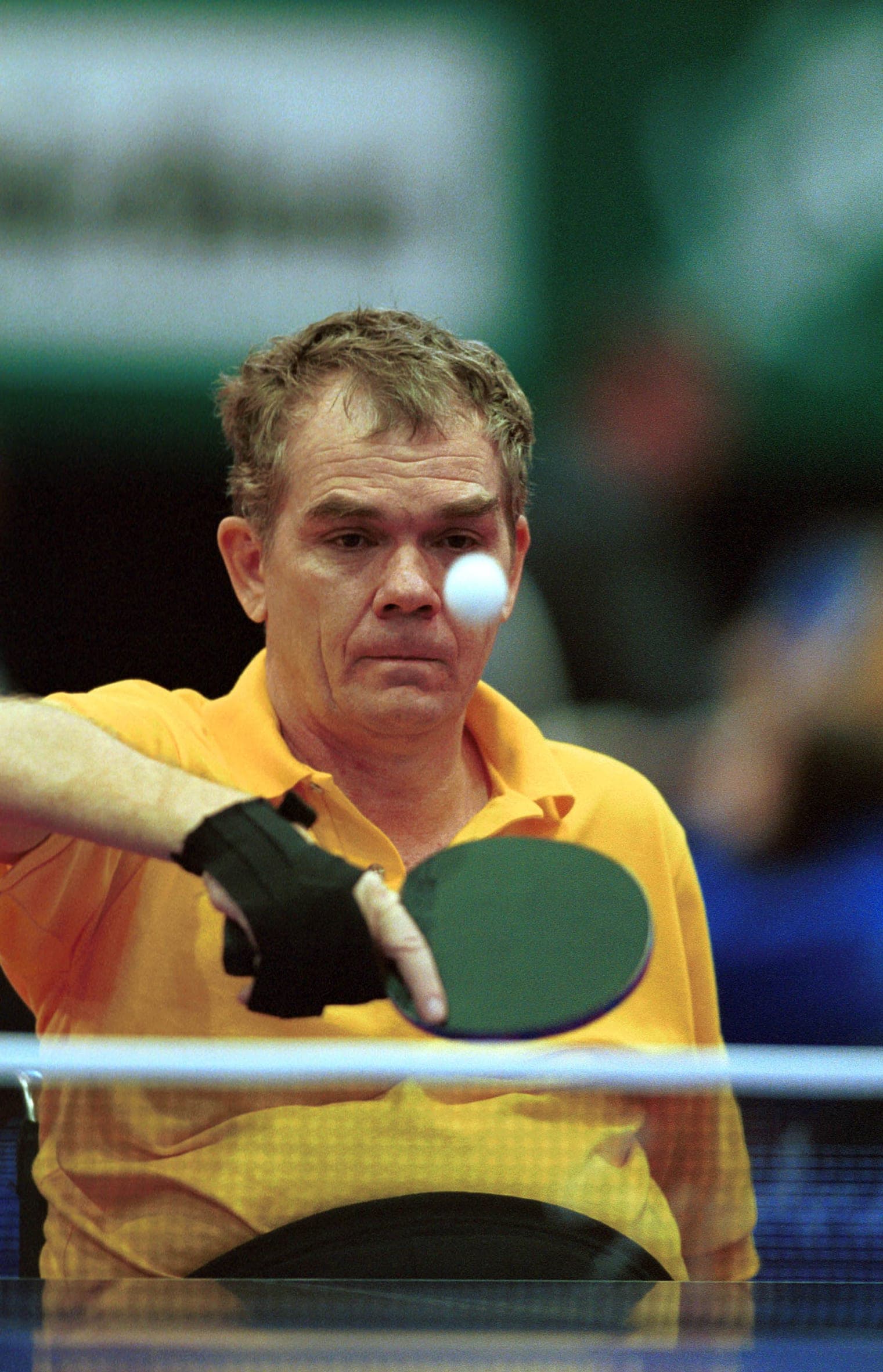
Table Tennis
A fast, low-impact indoor racquet sport that sharpens reflexes and is easy to start.
Football
The world’s most popular team sport — endless running, teamwork and community in one game.
Explore across the knowledge base
Follow the threads that connect Seeding to the rest of SocialSportHub.
Positions
- GoalkeeperThe goalkeeper is the last line of defence in football and the only player allowed to handle the ball inside their own penalty area.
- Centre (netball)The centre is netball’s link between attack and defence, the only player allowed in every third except the two goal circles, and the player who takes the centre pass.
- StrikerA striker is the main attacking player in football, positioned furthest forward with the primary job of scoring goals.
- CenterThe center is usually the tallest player on a basketball team, playing near the basket to score inside, rebound, and protect the rim.
- Shooting guardThe shooting guard is a perimeter player whose main role is to score, especially from mid-range and beyond the three-point line.
Movement comparisons
- Acceleration vs DecelerationAcceleration vs Deceleration: how these two movements differ, what they share, and how to tell them apart — from mechanics to the sports that use them.
- Acceleration vs JumpAcceleration vs Jump: how these two movements differ, what they share, and how to tell them apart — from mechanics to the sports that use them.
- Backpedal vs GaitBackpedal vs Gait: how these two movements differ, what they share, and how to tell them apart — from mechanics to the sports that use them.
- Bound vs GaitBound vs Gait: how these two movements differ, what they share, and how to tell them apart — from mechanics to the sports that use them.
- Bound vs HopBound vs Hop: how these two movements differ, what they share, and how to tell them apart — from mechanics to the sports that use them.
Rules
- Foot faultA serving fault called when the server's foot touches the baseline or court before striking the ball.
- False startA rule breach in a race when a competitor begins to move before the starting signal is given.
- Handball offenceA foul in football committed when an outfield player deliberately handles or controls the ball with the hand or arm.
Tactics
- Counter-attackWinning the ball and moving forward at speed to attack before the opponent can reorganise their defence.
- Fast breakPushing the ball up court at speed after a turnover or rebound to score before the defence sets up.
- Zone defenceA defensive system where each player guards an area of the court rather than a specific opponent.
Decision making
- AnticipationForming an expectation of what is likely to happen next, and starting to prepare for it before it does.
- Option recognitionSeeing what actions are actually available in a moment — the passes, shots or moves on offer — before choosing between them.
- Positioning choicesDeciding where to place yourself — often before the ball arrives — to cover space, stay ready to act and shape what an opponent can do.
Disciplines
- Super-GSuper-G, or super giant slalom, is a speed discipline with gates set farther apart than giant slalom, blending high speed with sweeping turns.
- Giant SlalomGiant slalom pairs technical turning with more speed, using gates set farther apart than slalom so skiers make longer, rounder, carved turns.