
Bracket
The tree-shaped chart that maps who plays whom in a knockout tournament and how winners advance to the final.
Definition
A bracket is the diagram that lays out a knockout competition, pairing entrants in the first round and showing how each winner moves along the branches toward the final. Its shape means every result narrows the field by half, so an eight-entry bracket runs quarter-finals, semi-finals, and a final.
Where the entry is not a power of two, byes are placed in the first round so that later rounds fill neatly, and seeding decides which names go where so the strongest are kept apart. The word bracket is also used for a whole tournament section, such as the upper and lower brackets in a double-elimination event.
Where you’ll hear “bracket”
Sports that use this term:
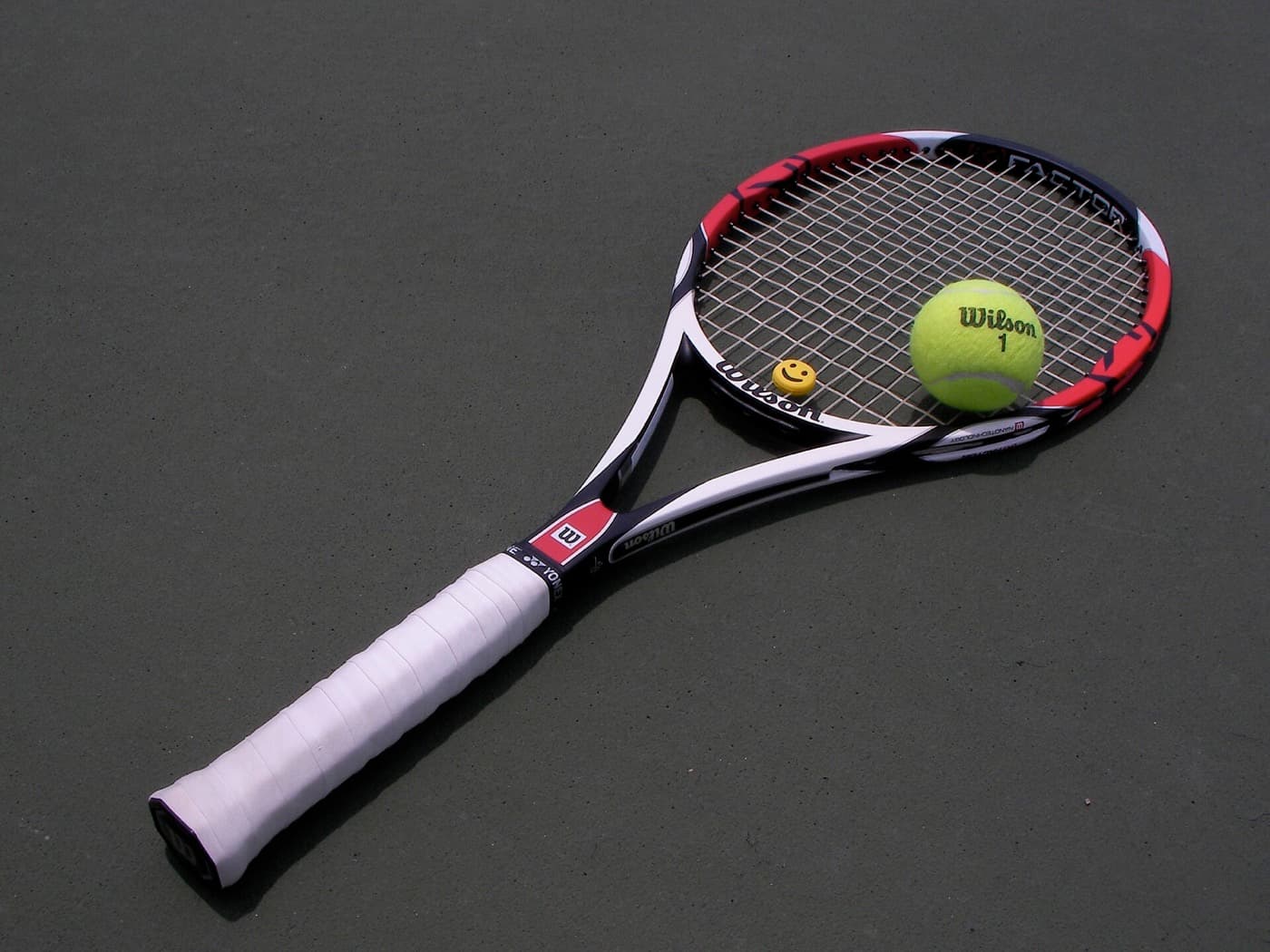
Tennis
A singles or doubles racquet sport that blends agility, strategy and stamina on court.
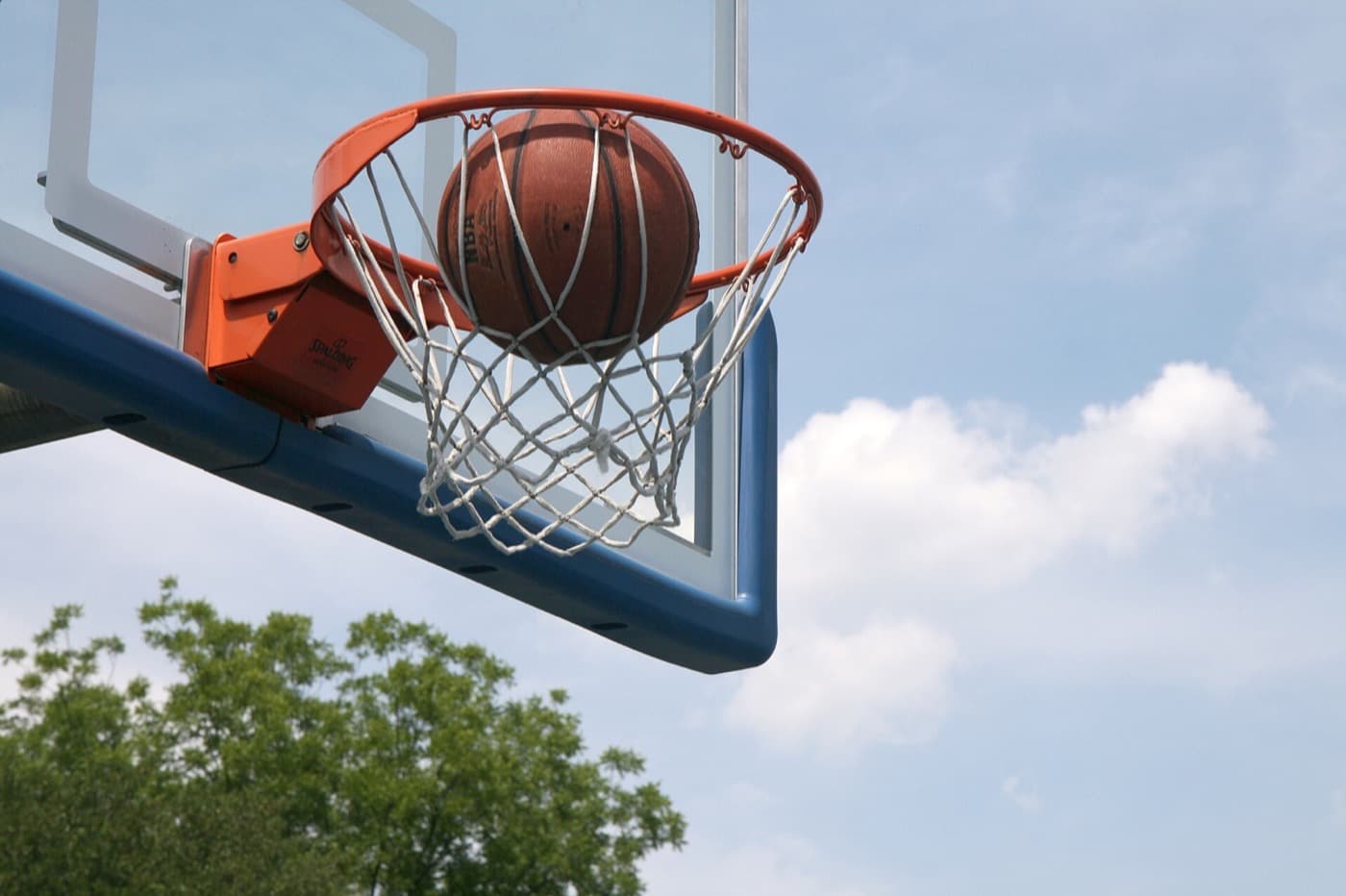
Basketball
A fast, dynamic team sport of running, jumping and quick decisions on court.
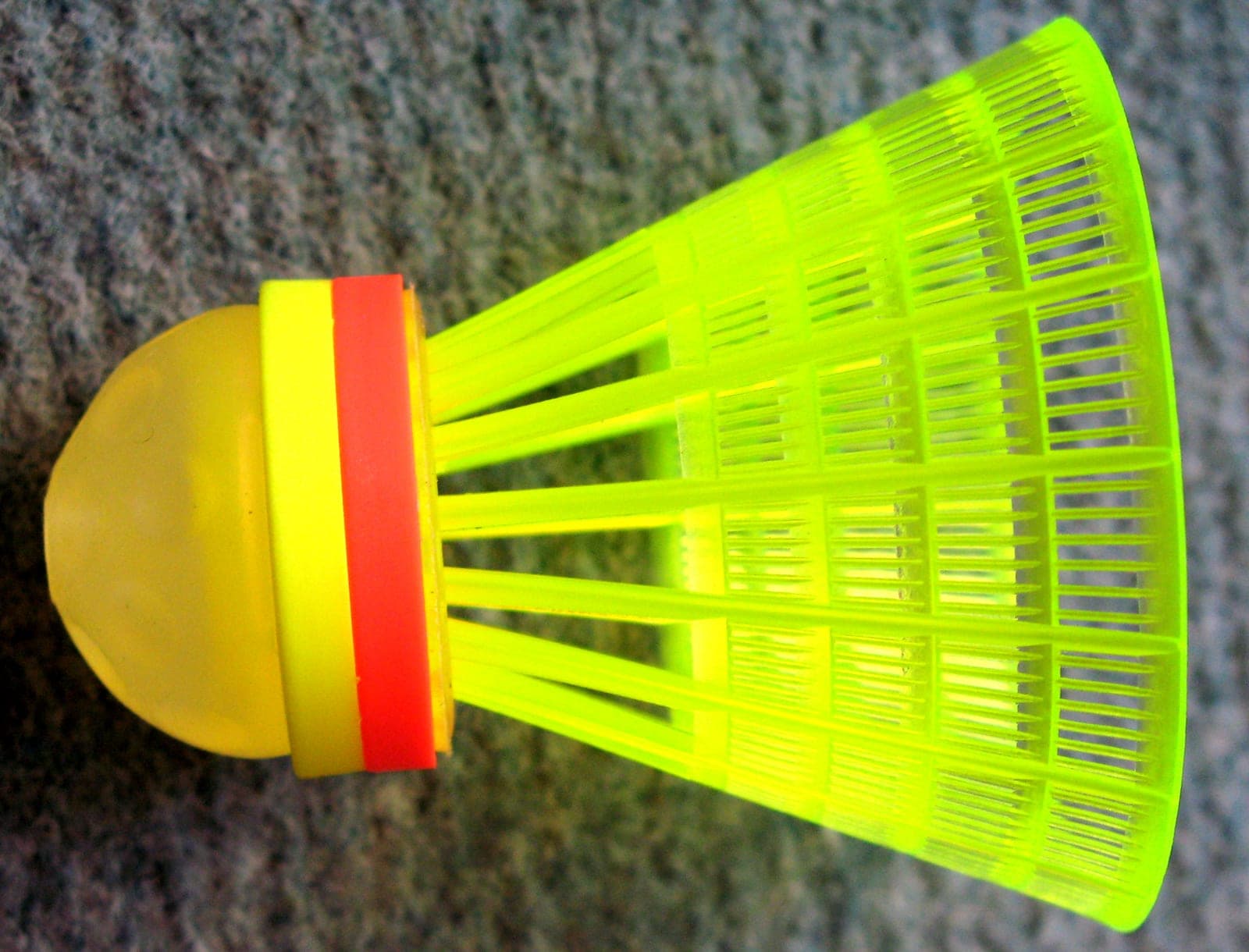
Badminton
A fast indoor racquet sport played with a shuttlecock that rewards agility and touch.
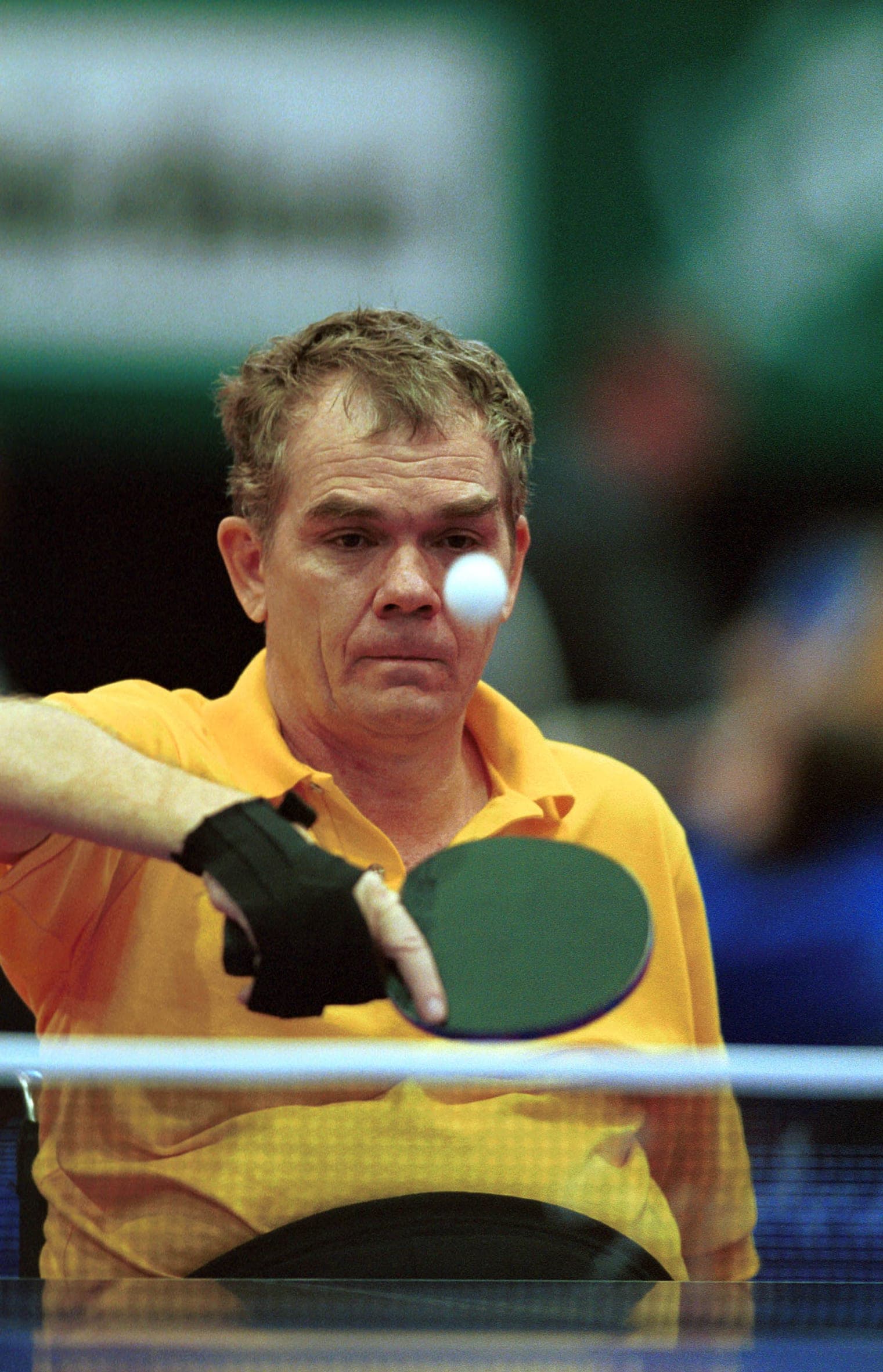
Table Tennis
A fast, low-impact indoor racquet sport that sharpens reflexes and is easy to start.
Explore across the knowledge base
Follow the threads that connect Bracket to the rest of SocialSportHub.
Positions
- OppositeThe opposite is a volleyball attacker who plays on the right side of the net, opposite the setter in the rotation, and is often a key scorer.
- PivotThe pivot is a handball attacker who plays close to the opposition defence, setting screens and looking for chances near the goal area.
- Full-backA full-back is a defender who plays on the left or right side of the defence, defending the flank while also supporting attacks down the wing.
- LiberoThe libero is a defensive volleyball specialist who wears a contrasting shirt, plays only in the back row, and cannot attack the ball above the height of the net.
- Power forwardThe power forward plays near the basket in basketball, using strength to rebound, score inside, and defend the paint.
Adaptive sports
- Ambulant Para SportsPara sports for athletes who compete standing or on foot — walking or running — rather than from a wheelchair or seated position.
- Adaptive sport organisationsThe bodies and groups — international, national and local — that organise, govern and support adaptive and para sport.
- Seated SportsSports played from a seated position — on the floor, on a bench or in a chair — so that people who benefit from a stable seated base can take part.
- Sports for Blind and Visually Impaired AthletesSports adapted with sound, touch and guiding support so that athletes who are blind or have low vision can take part and compete.
Player roles
- PlaymakerThe playmaker is a team's creative hub — the player who orchestrates attacks, controls the tempo and distributes the ball so teammates can score.
- Utility playerA dependable, versatile player who can competently fill several different positions as the team needs, rather than specialising in just one.
- Target playerA target player is a focal attacker who receives, holds up and links play for others, often physically strong and good in the air or with the hands.
- SweeperA covering defender who plays behind the main defensive line, free of a fixed marking job, to read danger and clean up attacks that slip past teammates.
- CaptainThe captain is a team's on-field leader who communicates, makes in-game decisions and sets standards — a role any player can hold, not a fixed position.
Sports communication
- Defensive communicationTalking and signalling on defence — organising who marks whom, calling switches and warning teammates — to stay coordinated without the ball.
- Shared terminologyA common vocabulary — agreed words, calls and play names — so a single word means the same thing to everyone on the team.
- Role clarityEveryone on a team understanding what their own job is — and their teammates' — so effort is not wasted on overlap or gaps.
- Leadership communicationHow players who lead — captains or not — communicate to organise, encourage and give direction, drawing teammates into a shared plan.
People
- Competitive athletesHow the platform fits someone who trains and plays to compete — structured, goal-directed preparation with coaching and recovery central.
- Recreational athletesHow the platform fits someone who plays regularly for enjoyment and fitness rather than competition — staying active, sociable and healthy through sport.