
Table Tennis
Lightning-fast reactions on a small table

Overview
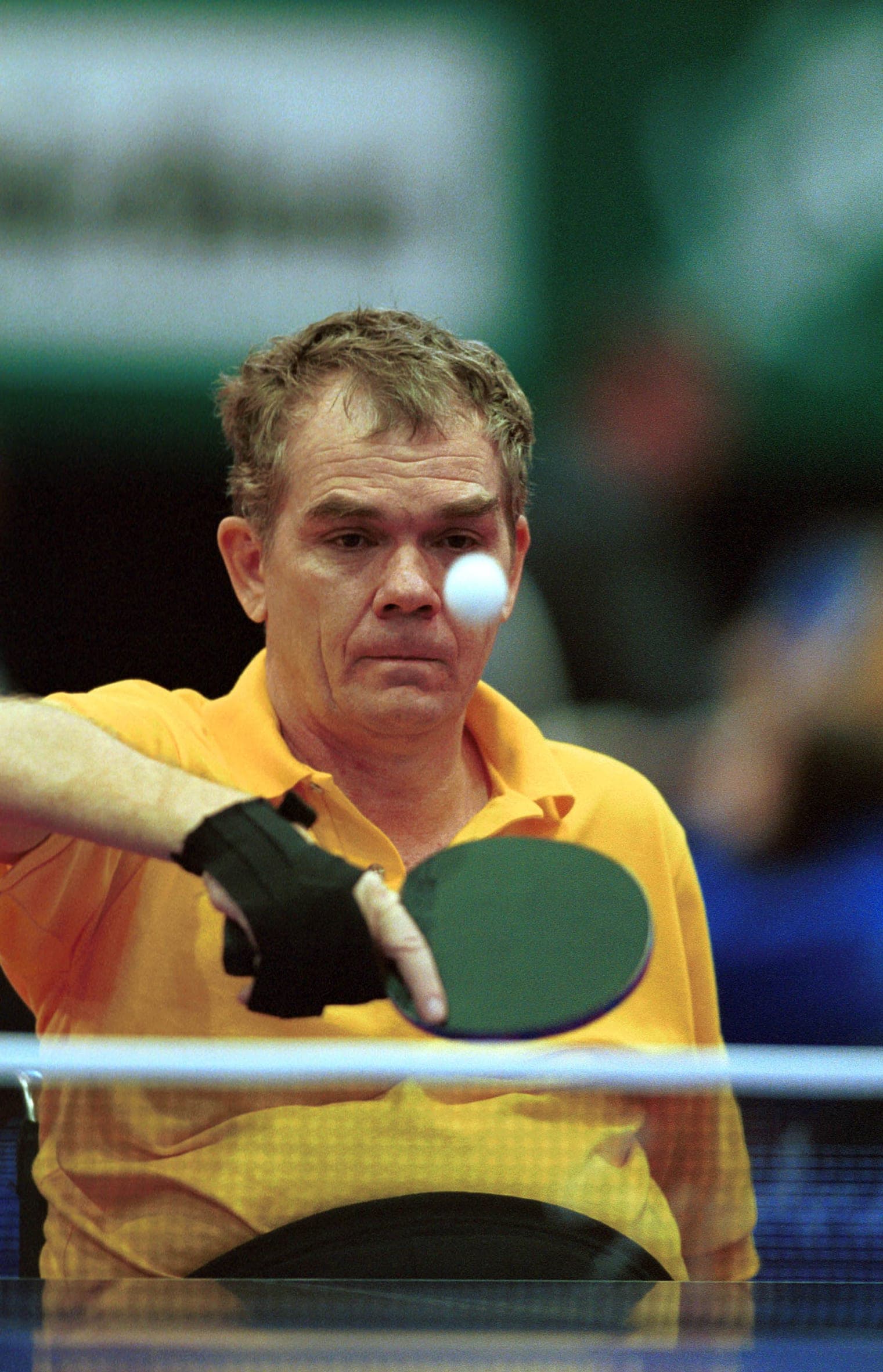
Table tennis (ping-pong) is played on a table divided by a low net, using small paddles and a light ball. Points are quick and rallies demand sharp reactions and precise touch rather than power.
It is one of the most accessible sports to begin: the space is small, the impact on joints is low, and a friendly rally is possible within minutes. As you improve, spin and placement turn it into a highly tactical game.
Why table tennis is good for your health
- Sharpens reaction time, focus and hand–eye coordination
- Keeps you moving with minimal impact on the joints
- Improves balance and quick footwork around the table
- Accessible across a very wide range of ages and fitness levels
Physical qualities you’ll build
Table Tennis is especially good for developing these qualities:
The social side
- Rallies start within minutes, so it is easy for new players to join in
- Works well as a casual social game or an organised club sport
- Compact tables fit in clubs, offices, community halls and homes
How to start as a beginner
- 1Learn to hold the paddle with a relaxed shakehand grip
- 2Practise steady forehand and backhand rallies before adding spin
- 3Keep the ball low and aim for consistency over speed
- 4Join a local club night to play a range of opponents
Equipment you’ll need
- Table tennis paddleEssential
- Table tennis ballsEssential
- Access to a table with a netEssential
- Indoor trainersOptional
Where to play
Table Tennis is typically played at:
Explore clubs and venues to understand the different places you can play, or see how to find people to play with.
Playing Table Tennis
The equipment, rules, skills and more that make up the game — each cross-linked into the encyclopedia.
Related sports to explore
If you enjoy Table Tennis, you might also like these.
Tennis
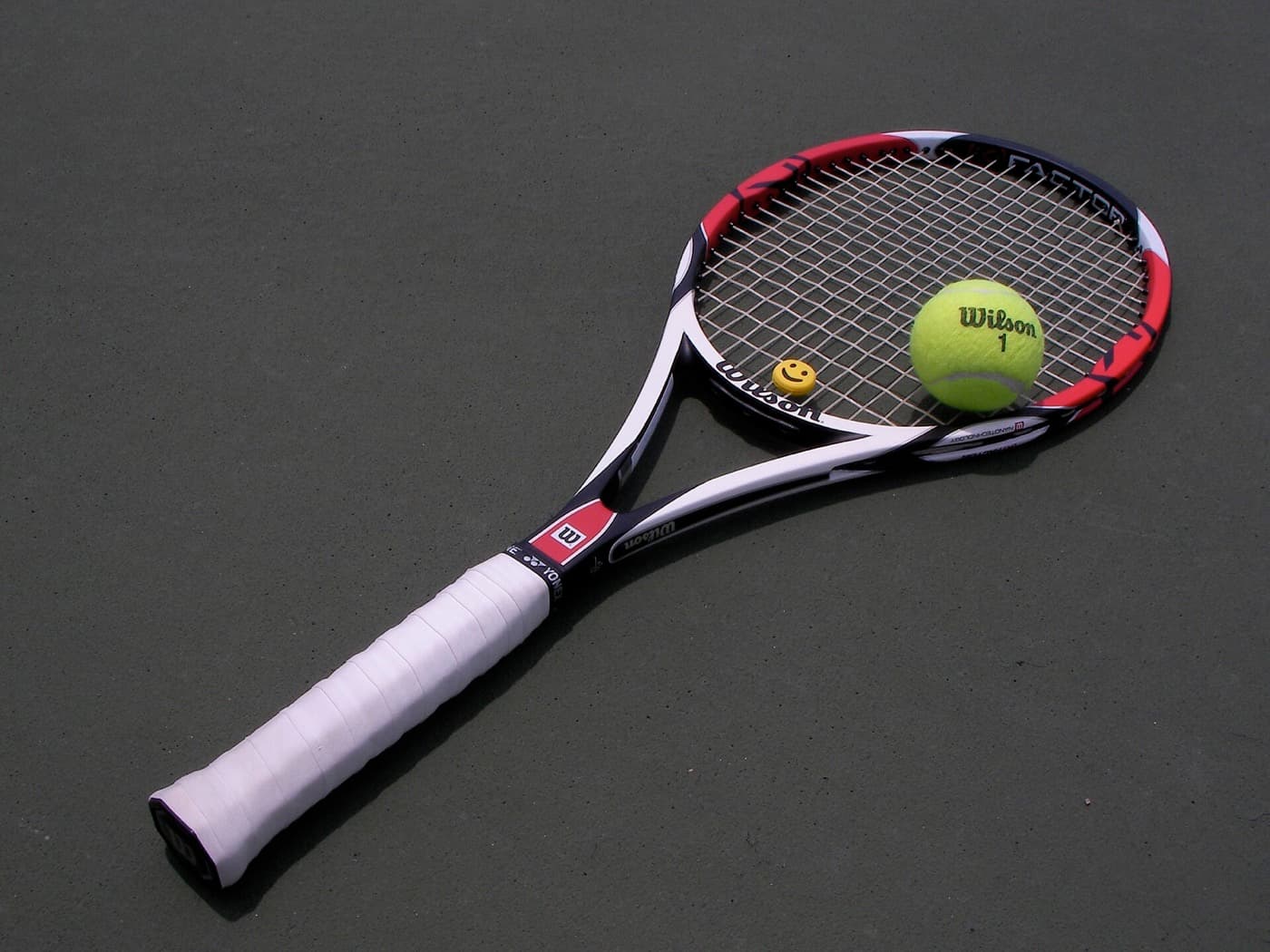
A singles or doubles racquet sport that blends agility, strategy and stamina on court.
Badminton
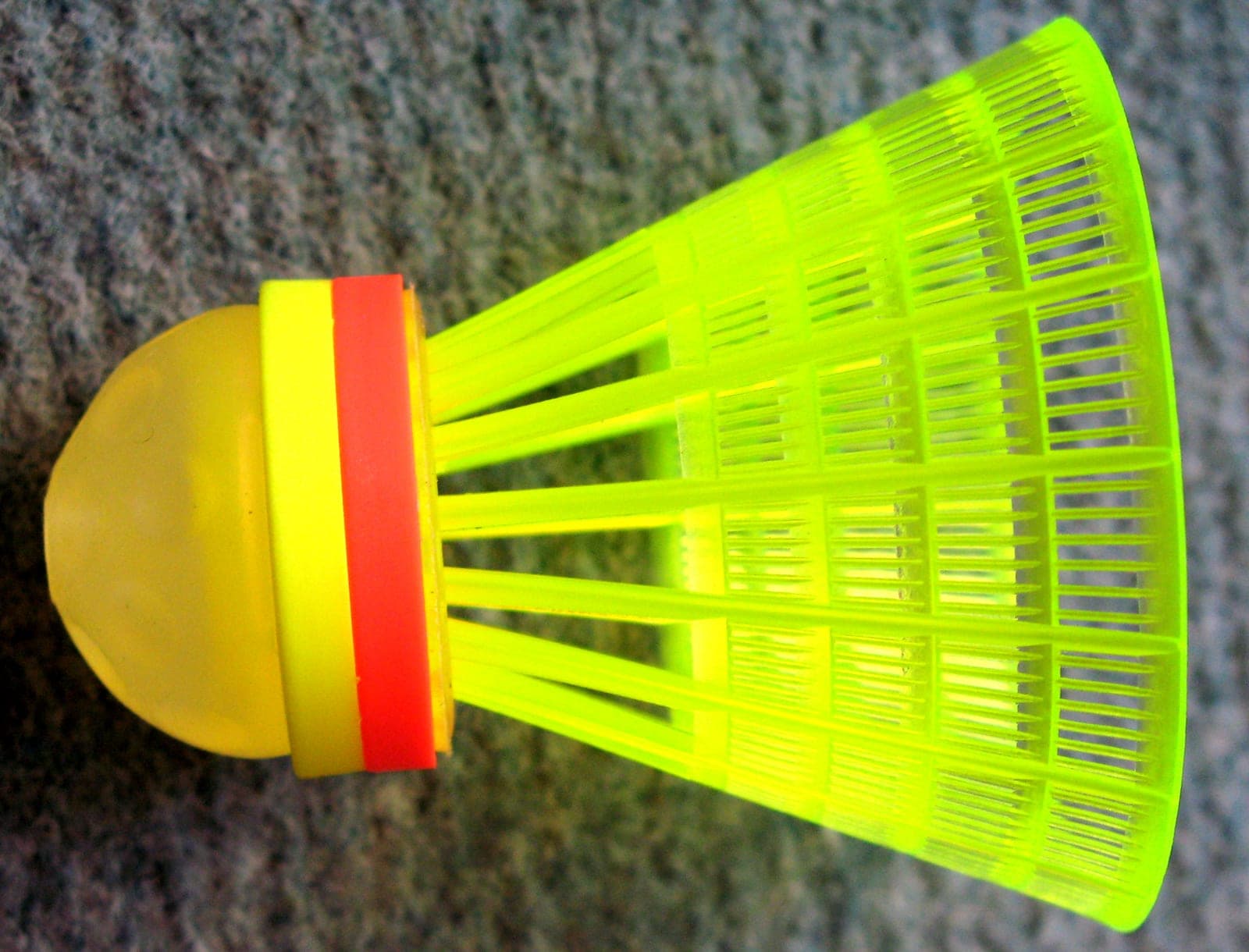
A fast indoor racquet sport played with a shuttlecock that rewards agility and touch.
POP Tennis
A friendly, easy-to-learn racquet sport on a smaller court with solid paddles and a lower net.
Compare Table Tennis with…
Deciding between Table Tennis and something similar? See how they line up side by side.
Badminton vs Table Tennis
How they compare on difficulty, intensity, kit and what suits you.
POP Tennis vs Table Tennis
How they compare on difficulty, intensity, kit and what suits you.
Table Tennis vs Tennis
How they compare on difficulty, intensity, kit and what suits you.
Reach your goals with Table Tennis
People take up Table Tennis for all kinds of reasons. Here is what it can help you work towards.
Improve coordination
Sharpen how smoothly your body works together — like tracking and hitting a ball — through skill practice.
Improve agility
Change direction quickly and under control — the quality behind stopping, turning and accelerating again without losing balance.
Improve reaction speed
Respond faster to what you see, hear and feel by training with fast, unpredictable activities and drills.
Sports for beginners
How to start playing sport from scratch — choosing a first activity and building up gently.
Family activities
Find sports and games that people of different ages can enjoy together, with something for everyone.
Who & where Table Tennis fits
Sport should fit your life. Here is who Table Tennis suits and when it works.
Children
How sport can fit into a child’s life through play, variety and supported, age-appropriate movement.
Complete beginners
How to start sport from scratch with accessible, low-pressure activities and a gentle, gradual approach.
Families
How families can be active together with inclusive, all-ages sports that make movement social and fun.
Retirees
How sport can fit newly free time in retirement — an opportunity to be active, social and purposeful, at a comfortable and well-guided pace.
Couples
How sport can fit two people doing it together — shared activity that doubles as time together, mutual motivation and a common goal.
Competitive athletes
How the platform fits someone who trains and plays to compete — structured, goal-directed preparation with coaching and recovery central.
How it connects
The meaning-bearing relationships that place Table Tennis in the wider knowledge graph — each one with the reason it exists.
Alternative to
Comparable enough that people choose between them.
- BadmintonTable Tennis and Badminton are close enough that the platform maintains a side-by-side comparison of them.
- POP TennisTable Tennis and POP Tennis are close enough that the platform maintains a side-by-side comparison of them.
- TennisTable Tennis and Tennis are close enough that the platform maintains a side-by-side comparison of them.
Helps achieve
A recognised route towards these goals.
- Improve coordinationTable Tennis is one of the sports listed under the “Improve coordination” goal.
- Improve agilityTable Tennis is one of the sports listed under the “Improve agility” goal.
- Improve reaction speedTable Tennis is one of the sports listed under the “Improve reaction speed” goal.
- Sports for beginnersTable Tennis is one of the sports listed under the “Sports for beginners” goal.
- Family activitiesTable Tennis is one of the sports listed under the “Family activities” goal.
Explained by
The underlying "why" behind this.
Explore across the knowledge base
Follow the threads that connect Table Tennis to the rest of SocialSportHub.
Sports science
- Motor learningThe process by which practice and experience produce lasting improvements in how well a movement skill can be performed.
- Reaction timeThe short delay between a signal and the start of the movement made in response to it.
- The learning curveThe typical pattern in which a new skill improves quickly at first and then more slowly as it develops.
Glossary
- BackhandA stroke played with the back of the hand facing the direction of the shot, on the opposite side to the racquet arm.
- BackspinBackward rotation on a ball that makes it float, stay low, and check or stop on the bounce.
- BatAn implement used to strike the ball, from the willow blade of cricket to the rounded baseball bat and, in British usage, the table-tennis paddle.
- BracketThe tree-shaped chart that maps who plays whom in a knockout tournament and how winners advance to the final.
- CoordinationThe ability to combine movements of different body parts smoothly and accurately to produce an intended action.
Barriers
- Nervous about startingWhen starting feels intimidating, beginner-friendly, low-pressure settings and a gentle first step make the first move far easier.
- Never played sportWhen you are starting from zero, beginner pathways, basic skills and patience with the learning curve turn "no experience" into a fresh start.
- Limited mobilityWhen movement is limited, gentle, adaptable activity may still be possible — but personal guidance from a qualified professional should come first.
Motivations
- To have funWhen enjoyment is the point, playful, varied and social sports keep you coming back — because the best activity is the one you look forward to.
- To spend time as a familyWhen the aim is shared time, activities the whole family can do together turn being active into a way to connect across ages.
- To competeWhen the thrill of competition drives you, sports with clear contests, ladders and match play give you something to test yourself against.
- To get better at my sportWhen you already play and want to improve, structured practice, coaching concepts and targeted training turn effort into measurable progress.
Go deeper with Table Tennis
Everywhere else on the platform that covers Table Tennis — assembled from what actually references it, so nothing here is a dead end.
Learn it
Structured courses and paths on the platform that cover this directly.
Work it out
Deterministic calculators — real published formulas, no estimates dressed as data.
See it
Diagrams and step-through visualisations drawn for this subject.
Compare it
Head-to-head studies against the entities people actually weigh it against.
Kit it out
Equipment guidance drawn from the graph, with no brands and no affiliate links.
Take it away
Open data and the whole-platform view of this subject.
How this page is maintained
- Content type
- Sport
- Provenance
- Tier A — evergreen educational
- Verified external sources
- 0
- Content updated
- 2026-07-06
Evergreen, first-party explanation — it makes no claim that needs an external source. How we handle sources and reviews.
Keep going
A sport is most rewarding alongside good habits, sensible nutrition and people to share it with. Here is where to go next.
How movement supports body and mind.
Eat well to feel and perform better.
Build routines that stick.
Ways to meet others and play together.
Where to play and what to expect.
Browse the full list by category.