
Threshold Training
Threshold training is sustained work at or near the effort where lactate begins to accumulate faster than the body can clear it, done to raise that ceiling.
Definition
Threshold training targets the intensity around the lactate (or 'anaerobic') threshold, the effort beyond which blood lactate rises sharply because production outpaces clearance. Sessions are typically 'comfortably hard': continuous tempo efforts or longer intervals held close to that intensity. The aim is to shift the threshold to a higher pace or power so an athlete can sustain faster efforts before fatigue climbs.
It sits between easier base work and maximal VO2-type sessions in most endurance plans. Threshold training is the workout method, whereas the lactate threshold itself is the underlying physiological marker; the two are related but not the same. Coaches often prescribe it by pace, power, or heart rate anchored to a recent test.
Where you’ll hear “threshold training”
Sports that use this term:

Running
The most accessible endurance sport — no venue, just shoes and the open road or trail.
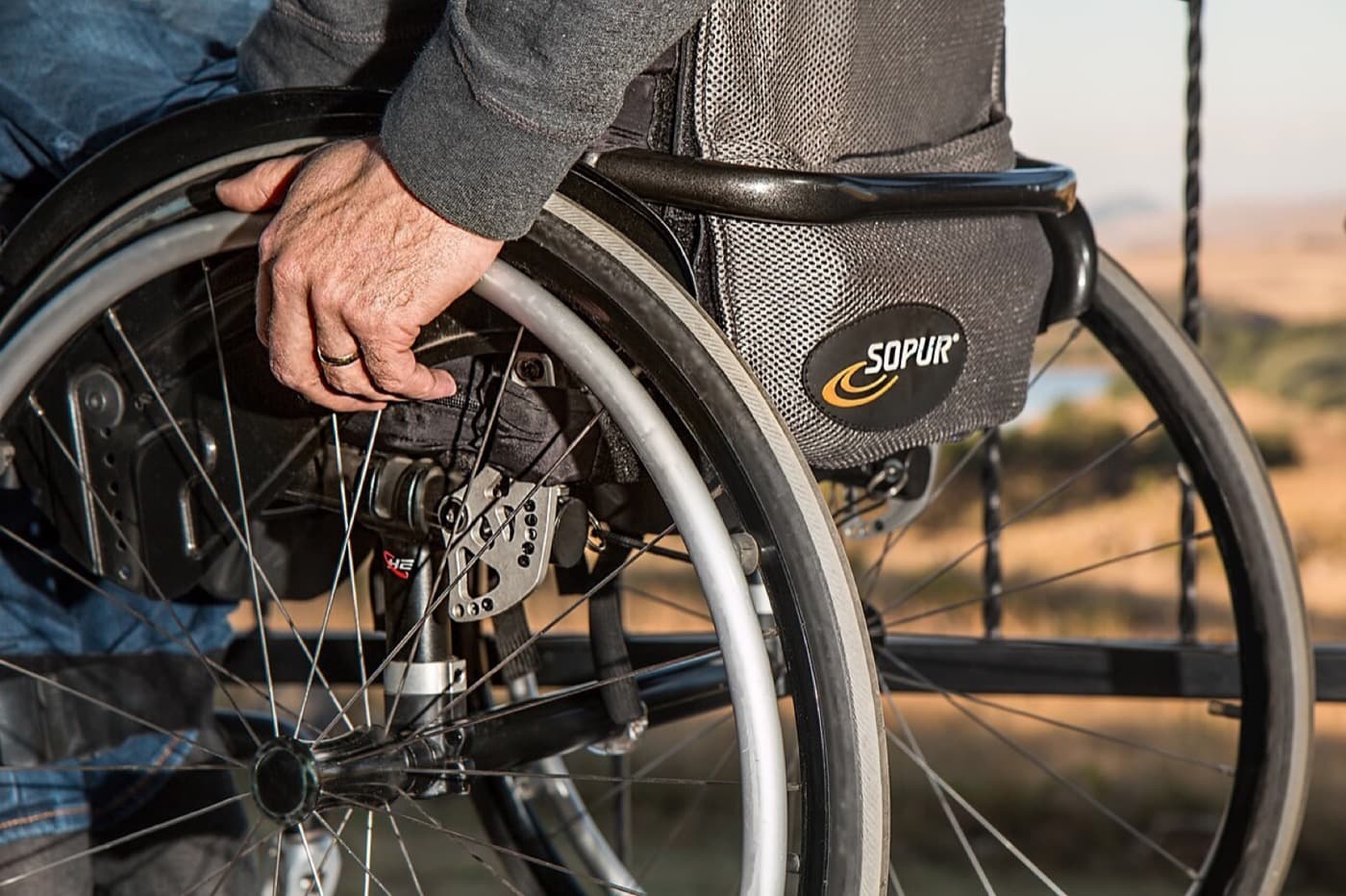
Cycling
A low-impact endurance sport that doubles as transport, exercise and adventure.
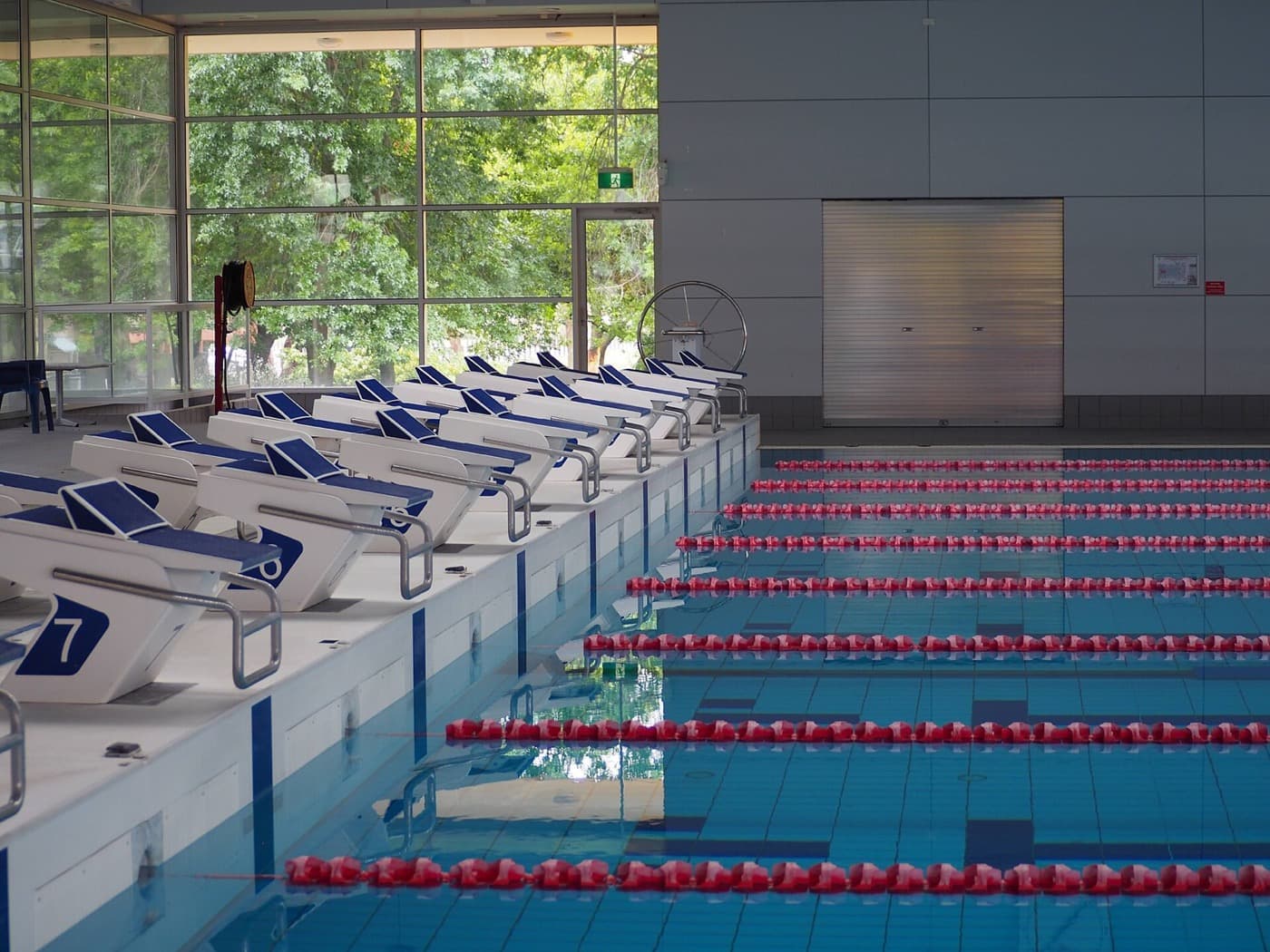
Swimming
A full-body, low-impact endurance sport suitable for almost every age and ability.
How it connects
The meaning-bearing relationships that place Threshold Training in the wider knowledge graph — each one with the reason it exists.
Commonly confused with
Close enough to be mixed up — the distinction is worth knowing.
Explore across the knowledge base
Follow the threads that connect Threshold Training to the rest of SocialSportHub.
Training methods
- Interval TrainingInterval training alternates short bursts of harder effort with easier recovery periods, letting you accumulate more quality work than a single continuous push.
- Tempo TrainingTempo training holds a firm, controlled 'comfortably hard' pace for a sustained stretch, teaching the body to sustain effort without tipping into a sprint.
- Hypertrophy TrainingHypertrophy training is resistance work structured to encourage muscle growth, typically using moderate repetitions and a steady, controlled tempo.
- FartlekFartlek — Swedish for 'speed play' — mixes faster and easier efforts freely and by feel within one continuous session, blending steady and interval work.
Exercises
Rules
Physical qualities
Tactics
Go deeper with Threshold Training
Everywhere else on the platform that covers Threshold Training — assembled from what actually references it, so nothing here is a dead end.
Take it away
Open data and the whole-platform view of this subject.
How this page is maintained
- Content type
- Term
- Provenance
- Tier A — evergreen educational
- Verified external sources
- 0
- Content updated
- 2026-09-01
Evergreen, first-party explanation — it makes no claim that needs an external source. How we handle sources and reviews.