
Controlling Tempo
Controlling tempo is the strategy of dictating the pace and rhythm of play — speeding up or slowing down — to suit your strengths and unsettle opponents.
Overview
Controlling tempo is the overarching plan of deciding how fast or slow a contest is played, and imposing that rhythm on the opponent rather than letting them set it. Every sport has a natural pace, but within a match there is usually room to push it faster or hold it back. A side that speeds the game up gives opponents less time to organise, react and recover; a side that slows it down takes heat out of the exchanges, protects an advantage and forces a patient, structured game. Because tempo is a broad principle that shapes many in-game decisions rather than a single action, it counts as a strategy: the specific ways you deliver it — quick restarts, keeping possession, pressing, breaking at speed, or managing your own pace over a distance — are the tactics that carry it out.
Tempo control works for two linked reasons. First, it lets a team or player play to their own strengths: a well-conditioned side or one that thrives on chaos benefits from a high pace, while a technically patient side, or one holding a lead, benefits from slowing things and reducing risk. Second, it denies opponents the rhythm they prefer, so a fast, instinctive player can be dragged into a slow, deliberate contest and vice versa. Skilled competitors do not simply pick one speed and stay there — they change gears, using a sudden burst or a deliberate lull to disrupt timing and shift momentum. Tempo is always managed within the rules and the structure of the sport, using legitimate features such as game clocks, restarts, substitutions and stoppages rather than anything outside them.
Key ideas
- Speeding the game up: taking restarts quickly, launching fast breaks and counter-attacks, and moving to the next play before opponents have reset. A higher tempo denies them time to organise their shape or catch their breath, and rewards a side that is fitter or more comfortable in open, transitional play.
- Slowing the game down: keeping the ball, recycling possession, using the full time available on a play or shot clock, and building attacks deliberately. Slowing tempo takes intensity out of a contest, reduces mistakes, and suits a side protecting a lead or one that prefers a patient, structured game.
- Change of pace as a disruptor: mixing fast and slow rather than committing to one speed. In racket and combat sports especially, following a hard, quick sequence with a soft, slow one — or the reverse — unsettles an opponent's timing and forces errors, because rhythm is what they rely on to anticipate.
- Matching tempo to your strengths and the game state: fitter, faster teams push the pace to stretch opponents, while teams under pressure or ahead often calm the game and control the ball. The chosen tempo should reflect conditioning, skill set and the current score, and it can be adjusted as those factors change.
- Using the sport's structure legitimately: clocks, restart procedures, timeouts and substitutions are the framework within which tempo is managed. Tempo control means using these features intelligently and within the laws of the game — not stepping outside them — so speeding up or slowing down stays a fair, tactical choice.
Where it’s used
Sports that use controlling tempo:

Basketball
A fast, dynamic team sport of running, jumping and quick decisions on court.

Football
The world’s most popular team sport — endless running, teamwork and community in one game.
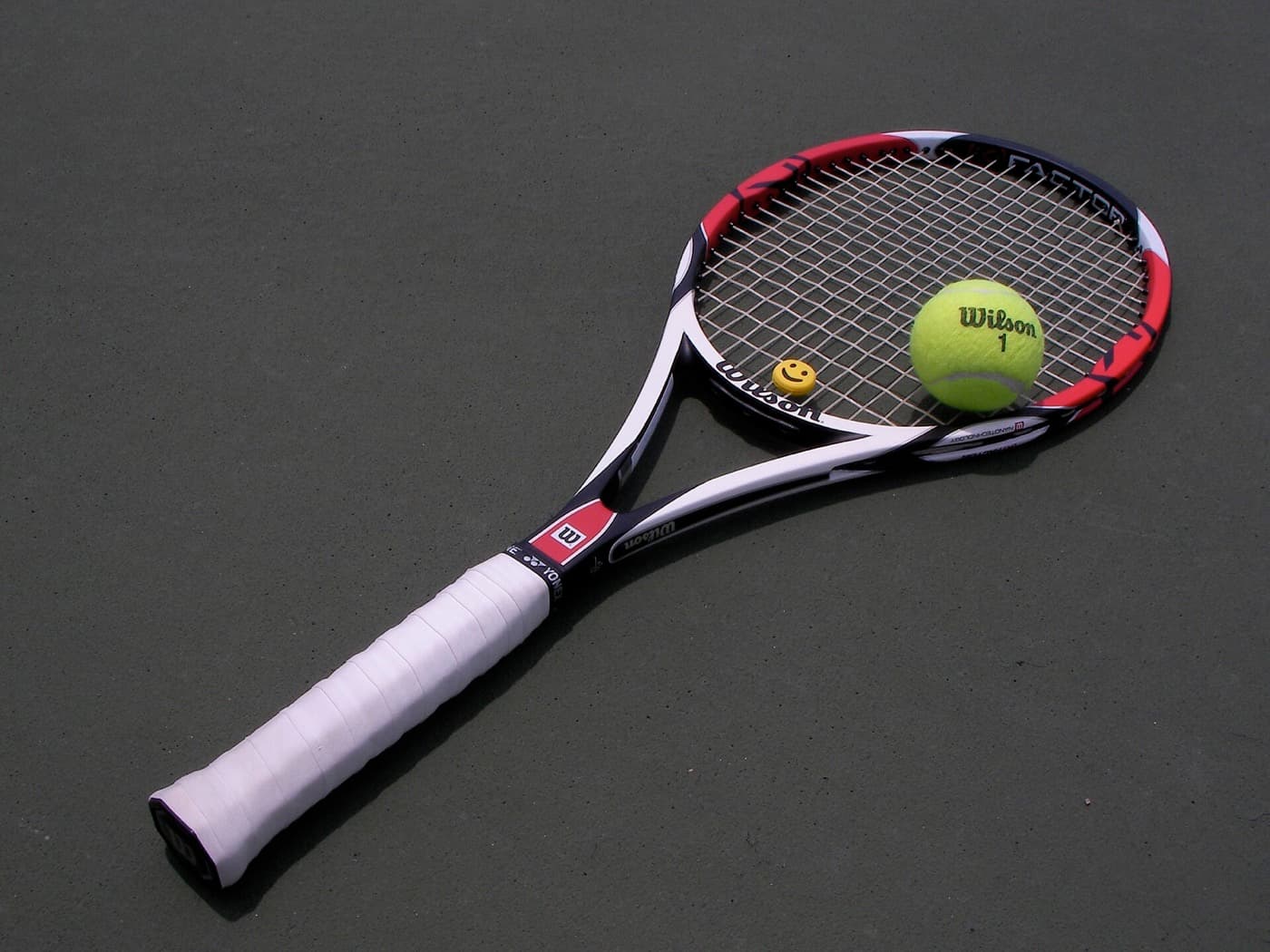
Tennis
A singles or doubles racquet sport that blends agility, strategy and stamina on court.
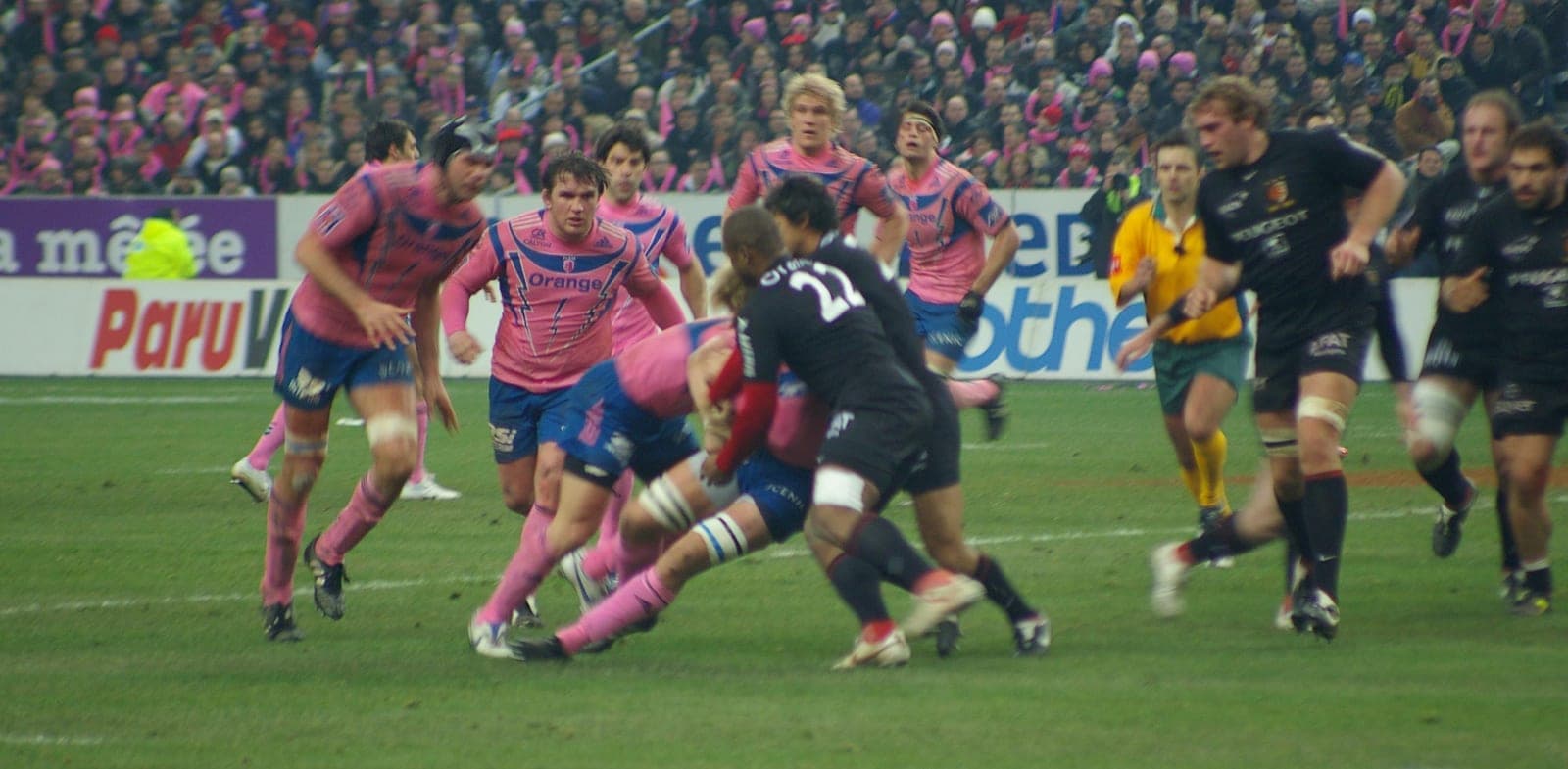
Rugby
A physical team sport of carrying, passing and kicking an oval ball toward the opposing line.
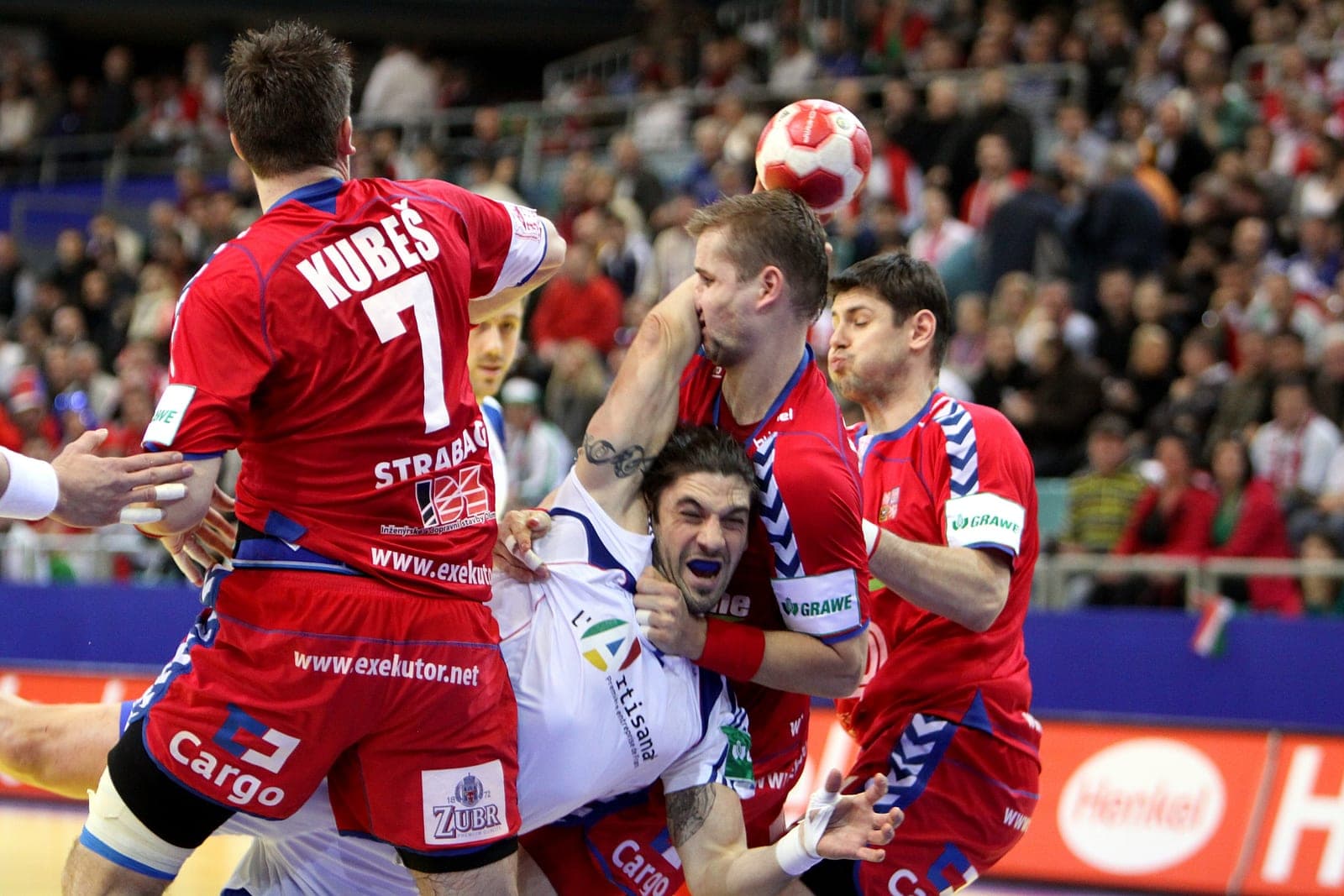
Handball
A fast indoor team sport of passing, jumping and throwing to score with the hands.
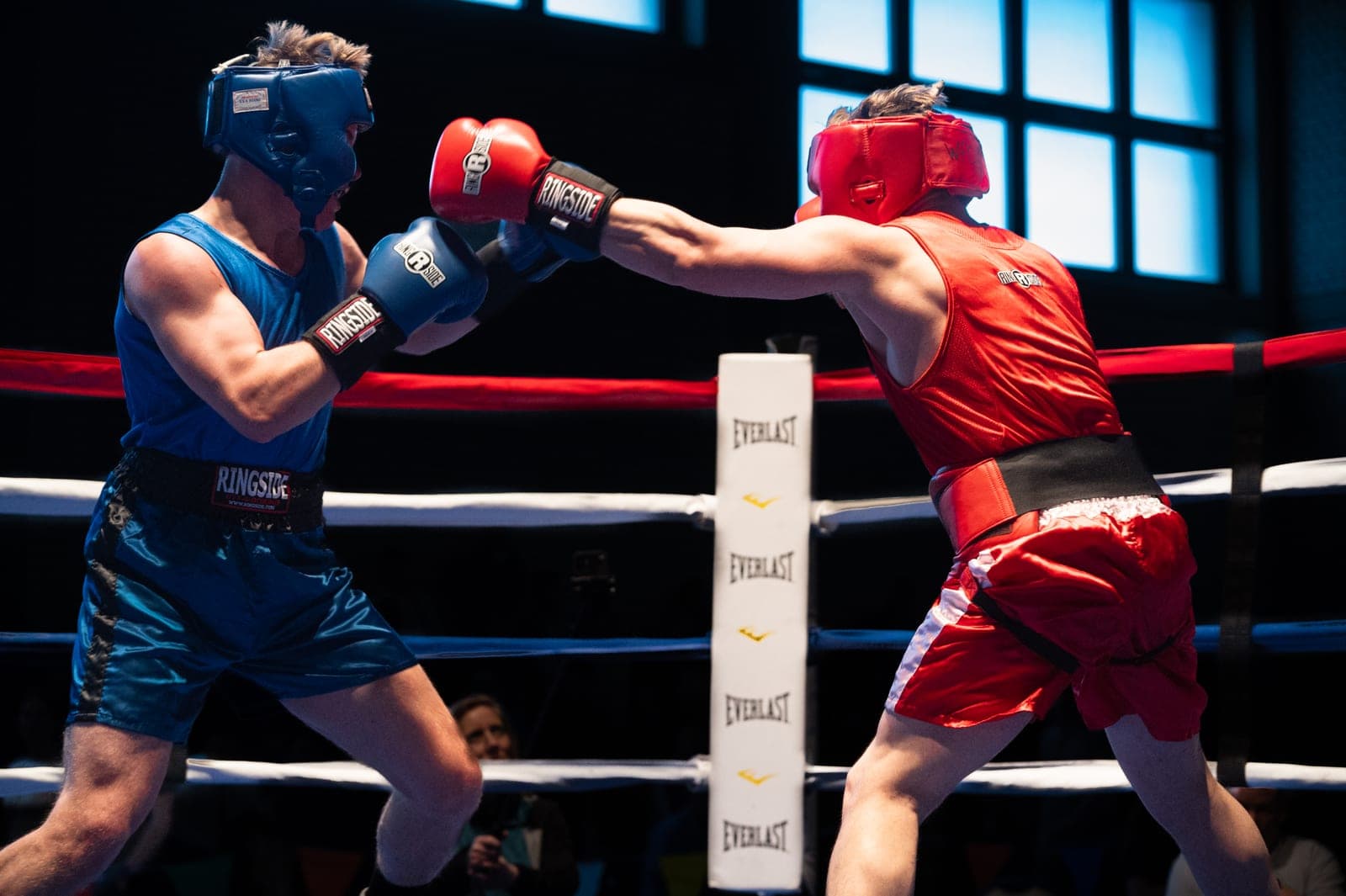
Boxing
A striking combat sport built on footwork, timing and conditioning, practised from fitness drills to controlled sparring.
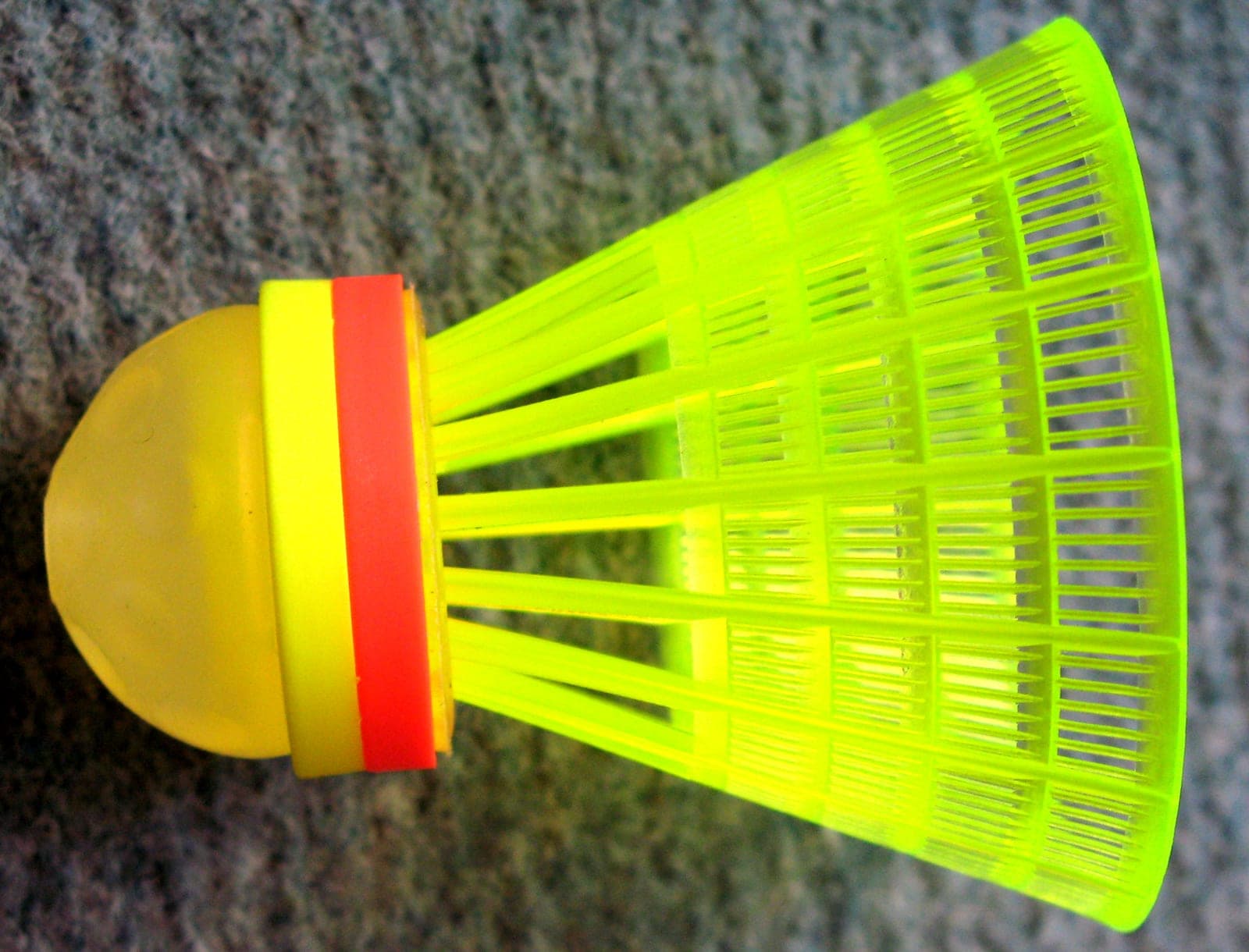
Badminton
A fast indoor racquet sport played with a shuttlecock that rewards agility and touch.
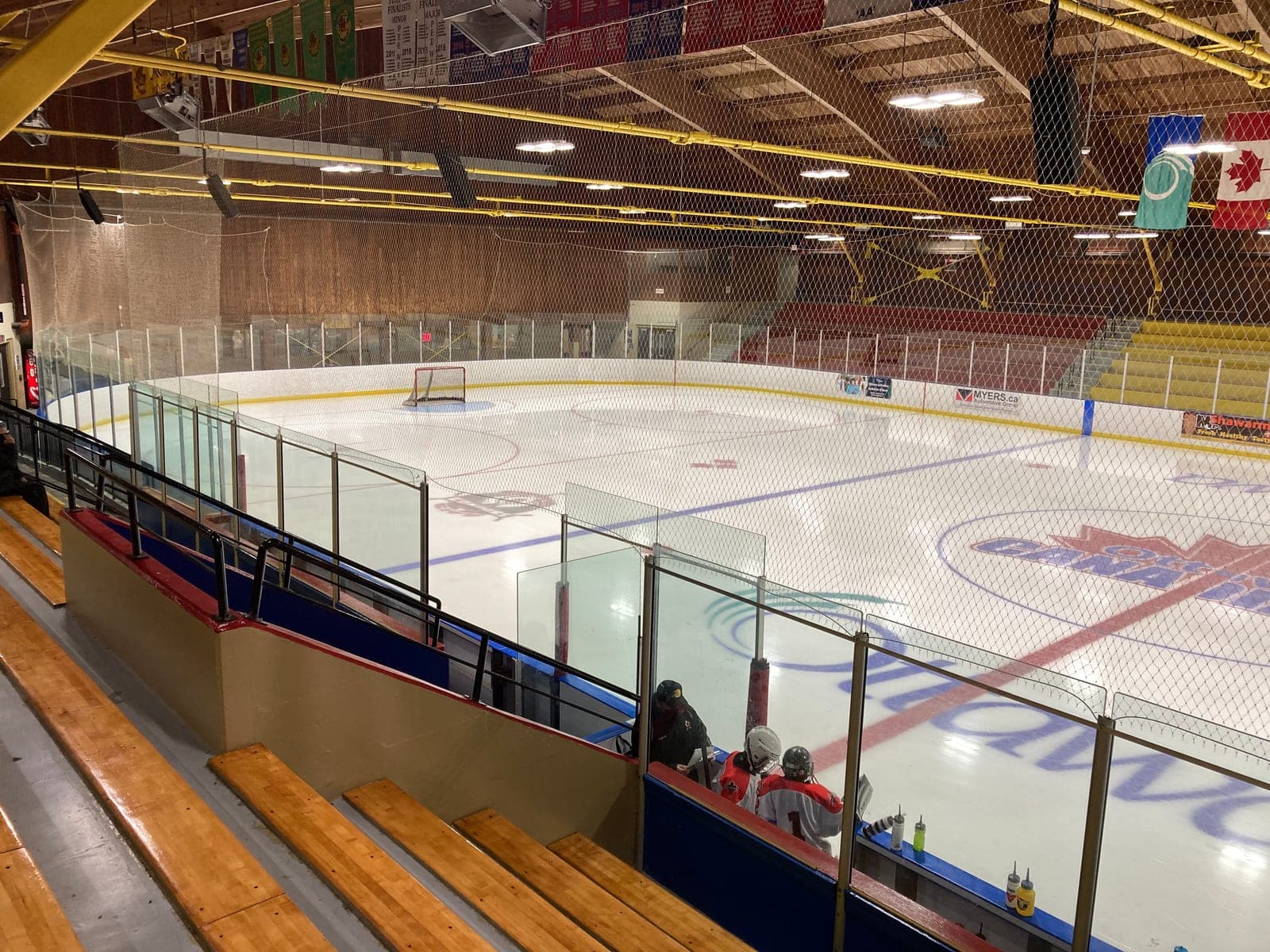
Ice Hockey
A fast team sport on ice that combines skating skill with quick passing and goal-scoring.
Squash
A fast, high-intensity indoor racquet sport played inside an enclosed court where the walls stay in play.
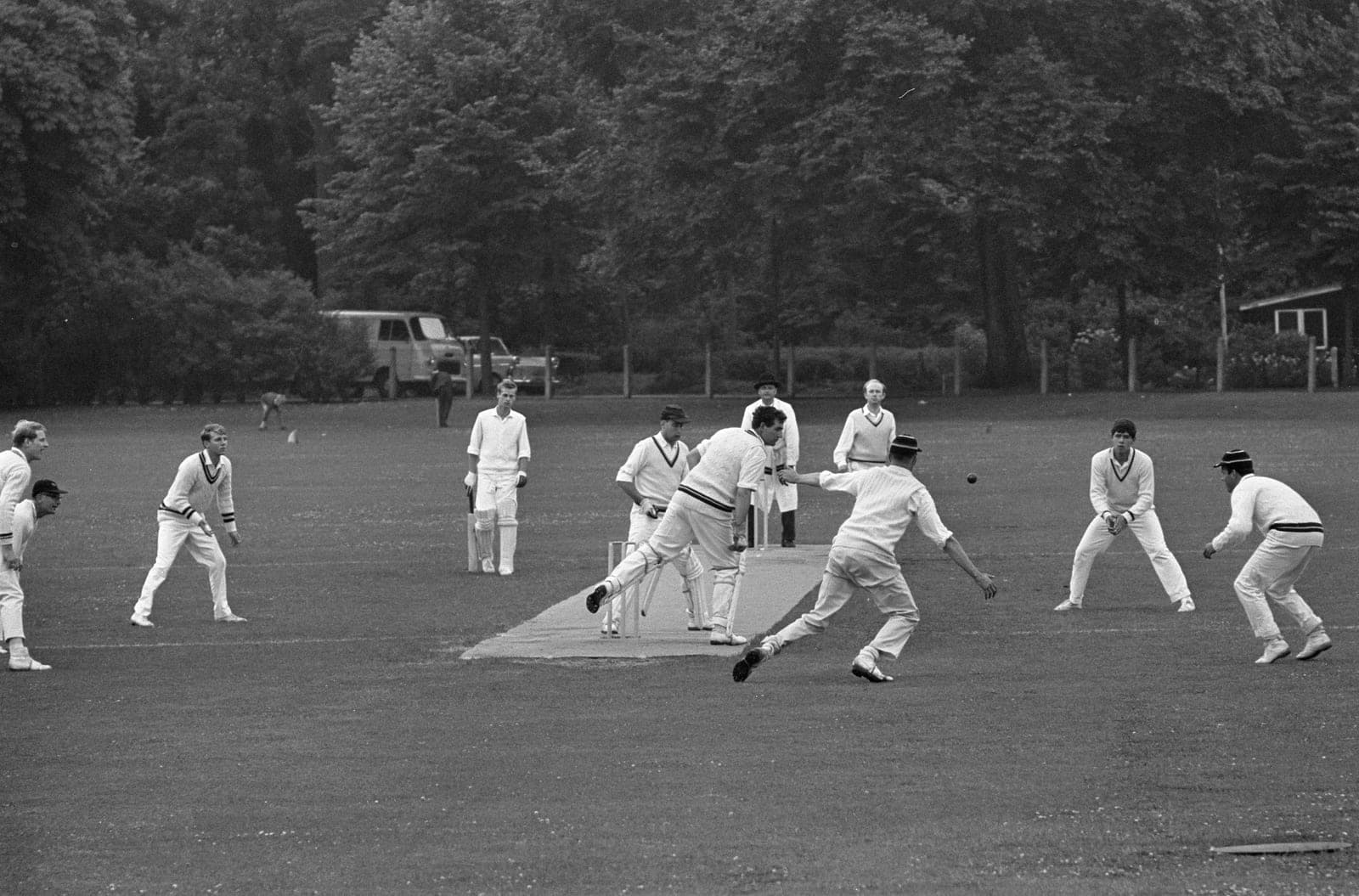
Cricket
A bat-and-ball team sport where sides take turns to bat and to bowl and field, scoring runs.
Related strategies
Attacking vs Defensive Balance
The overarching choice a team or athlete makes about how much to commit to creating scoring chances versus avoiding conceding, and when to shift it.
Pacing and Energy Management
Pacing and energy management is the overarching plan for distributing a limited supply of physical effort across an event so you avoid fading early and finish strong.
Game management
Adapting how a team or athlete plays to the scoreline and time remaining — protecting a lead, chasing a result or seeing out the closing stages.
How it connects
The meaning-bearing relationships that place Controlling Tempo in the wider knowledge graph — each one with the reason it exists.
Frequently learned together
Taught side by side in the same stage of a learning path.
- Doubles formationBoth are taught in the “Understand tactics & strategy” stage of the Badminton learning path.
- Net playBoth are taught in the “Understand tactics & strategy” stage of the Badminton learning path.
- Playing the percentagesBoth are taught in the “Understand tactics & strategy” stage of the Badminton learning path.
- Exploiting MatchupsBoth are taught in the “Understand tactics & strategy” stage of the Badminton learning path.
- Using Width and SpaceBoth are taught in the “Understand tactics & strategy” stage of the Badminton learning path.
Explore across the knowledge base
Follow the threads that connect Controlling Tempo to the rest of SocialSportHub.
Tactics
- Doubles formationHow a pair positions itself on court — one up, one back, or both at the net — to control space in doubles.
- Net playControlling the point from close to the net with volleys, smashes and touch shots to cut down an opponent’s time.
- Setting a cricket fieldHow a captain turns nine fielders into a plan — attacking and defensive settings, the trade between catchers and boundary riders, and the fielding restrictions competitions add.
- Strike rotationWhy singles matter more than they look in cricket — how rotating the strike unsettles a bowler's rhythm, protects a struggling batter, and is decided by the over structure itself.
- Playing spin bowlingWhat a batter actually does against a spinner — using the crease and the feet to change the length, picking the ball from the hand, and the options when the pitch is turning sharply.
Positions
- Central midfielderA central midfielder operates in the middle of the pitch, linking defence and attack while contributing to both.
- Point guardThe point guard is basketball’s primary ball-handler and playmaker, running the offence and setting up teammates to score.
- SetterThe setter is volleyball’s playmaker, taking the team’s second contact and delivering accurate sets for hitters to attack.
- Scrum-halfThe scrum-half is rugby’s link between forwards and backs, feeding the scrum and delivering quick, accurate passes to launch attacks.
Learning paths
- Learn TennisA structured, educational learning path for tennis — from the rules to skills, techniques, tactics and training.
- Learn BadmintonA structured, educational learning path for badminton — from the rules to skills, techniques, tactics and training.
- Learn FootballA structured, educational learning path for football — from the rules to skills, techniques, tactics and training.
- Learn BasketballA structured, educational learning path for basketball — from the rules to skills, techniques, tactics and training.
- Learn RugbyA structured, educational learning path for rugby — from the rules to skills, techniques, tactics and training.
Go deeper with Controlling Tempo
Everywhere else on the platform that covers Controlling Tempo — assembled from what actually references it, so nothing here is a dead end.
Learn it
Structured courses and paths on the platform that cover this directly.
How this page is maintained
- Content type
- Strategy
- Provenance
- Tier A — evergreen educational
- Verified external sources
- 0
- Content updated
- 2026-09-12
Evergreen, first-party explanation — it makes no claim that needs an external source. How we handle sources and reviews.