Spend more time on the water
Paddling, sailing, surfing and diving — the sports that happen on or in open water, and what each one asks of you first.
How sport helps
Water sports run from a paddleboard on a flat lake to a dive with a qualification behind it. What they share is that the water sets the terms: conditions, season and access decide when you go, and comfort in the water comes before anything else.
That makes them unusually dependent on where you live and what is near you, and several of them are taught rather than picked up — sailing, diving, windsurfing and kitesurfing all have proper instruction pathways for good reason. Most clubs and centres hire equipment, which is how people try them without buying a boat.
- The water supports your weight, so paddling and swimming-based activities load the joints far less than running does.
- Paddling and sailing are upper-body and core activities, which makes them a genuine change from the running and cycling most people default to.
- Sessions are usually run by clubs or centres that hire kit and teach beginners, so the first session needs no purchase.
- Open water is an outdoor environment people often find restorative in itself, quite apart from the exercise.
Getting started
- 1Be honest about your swimming. Comfort and confidence in water come first, and a beginner course will ask about it.
- 2Start at a club, centre or school that hires equipment and runs taster sessions — buying a board or a boat first is the expensive way round.
- 3Take the lesson. Sailing, diving, windsurfing and kitesurfing are all taught through recognised beginner courses, and diving requires certification before you dive independently.
- 4Check conditions, tides and season every time, go with other people, and follow the local centre’s safety guidance — it exists for the conditions you are actually in.
Good sports for this goal
Great places to start — each with a clear, beginner-friendly guide.
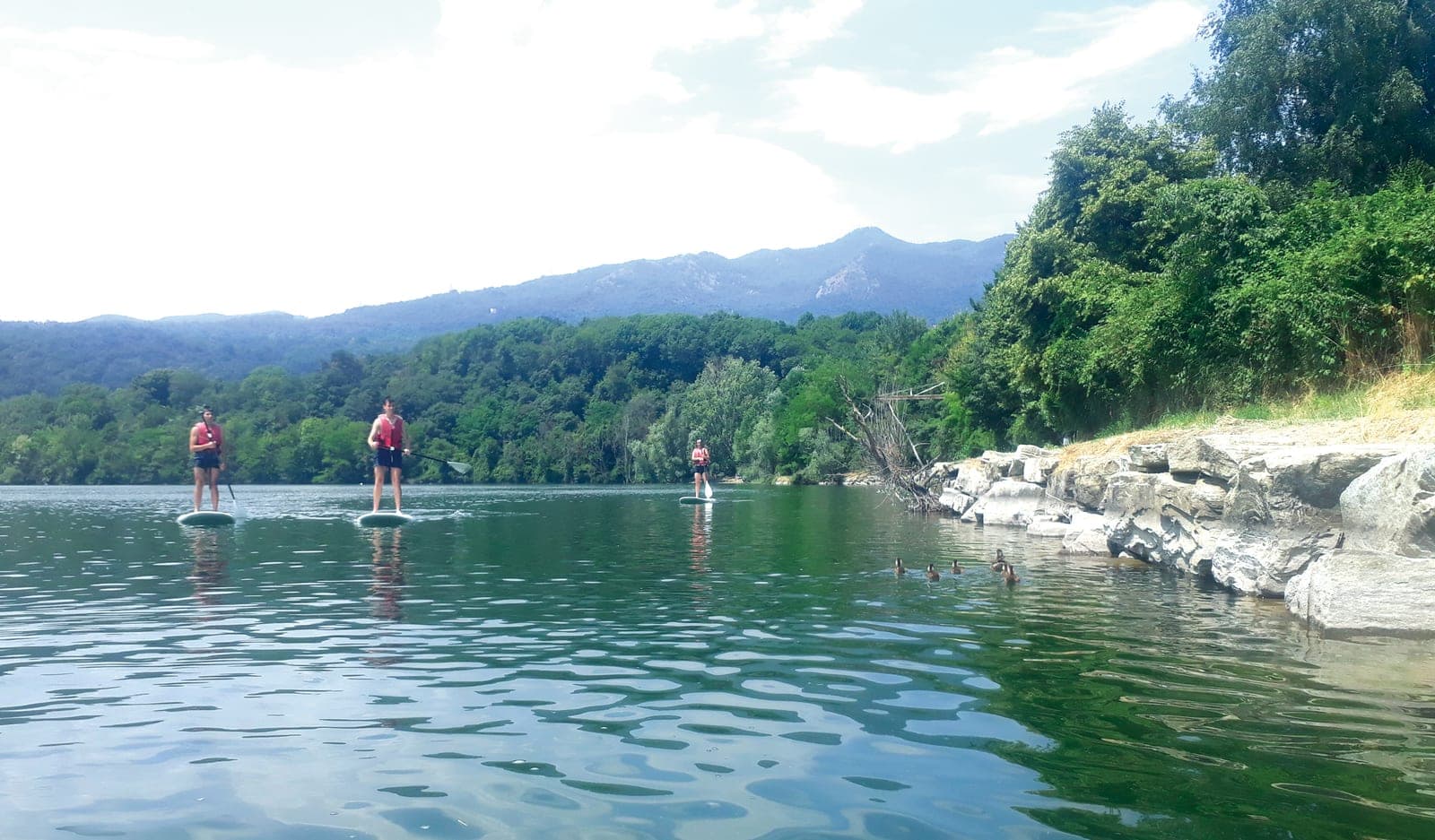
Stand-Up Paddleboarding
A calm, accessible paddle sport where you stand on a wide board and propel yourself with a single long paddle.
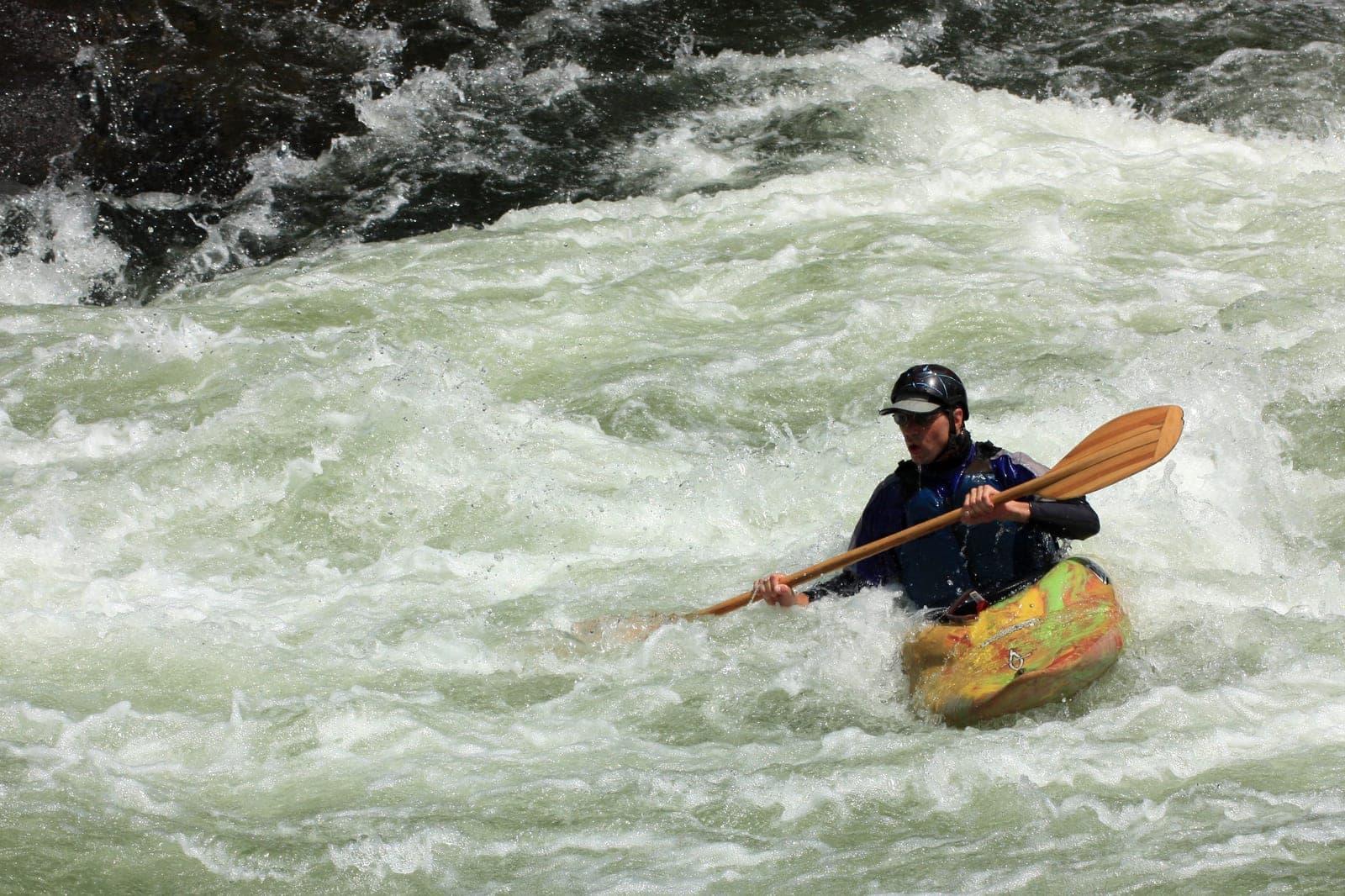
Kayaking
A versatile paddle sport in a small, low-seated boat, from calm lakes to flowing rivers and sheltered coast.
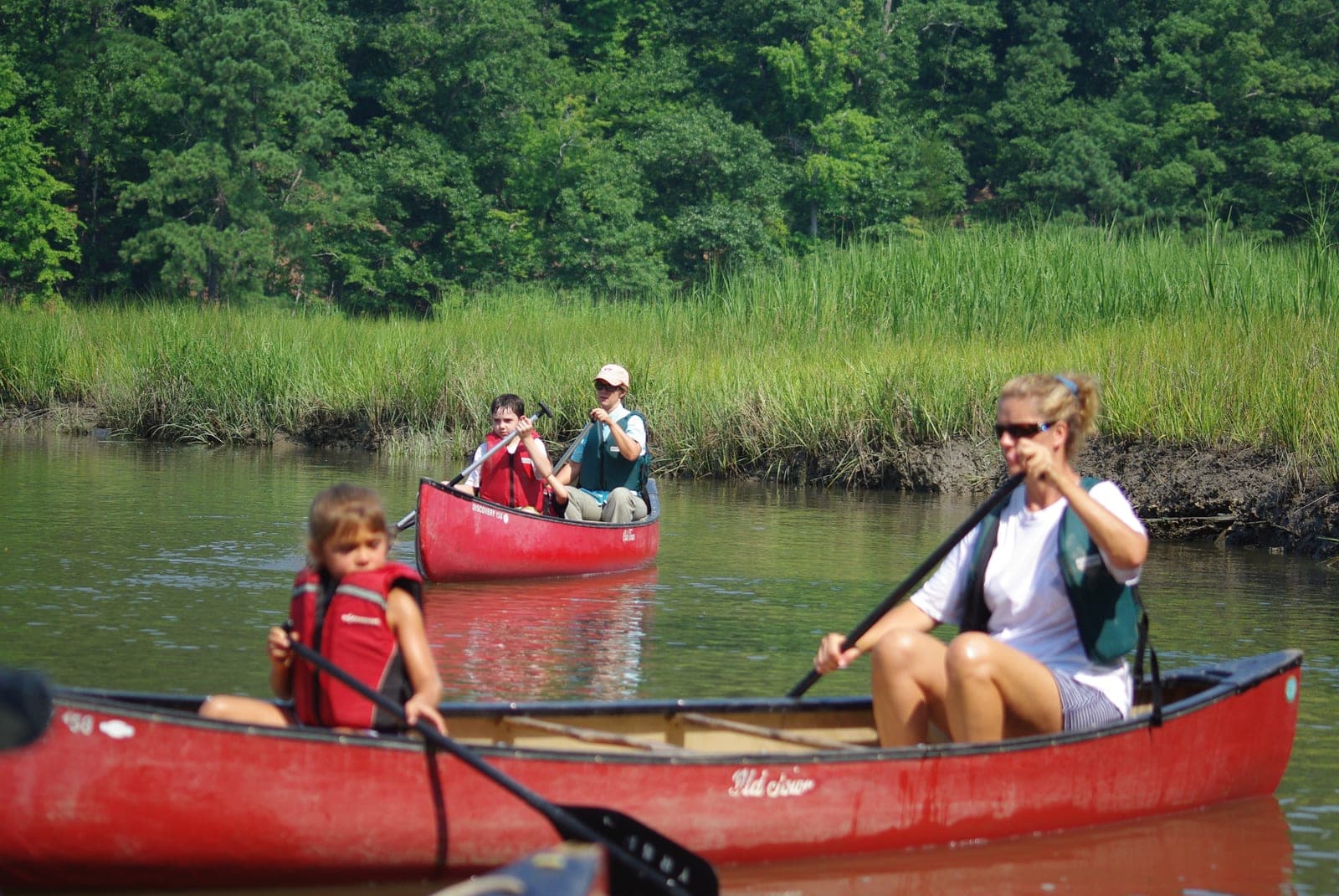
Canoeing
A classic open-boat paddle sport, propelled with a single-bladed paddle, ideal for calm lakes and gentle rivers.
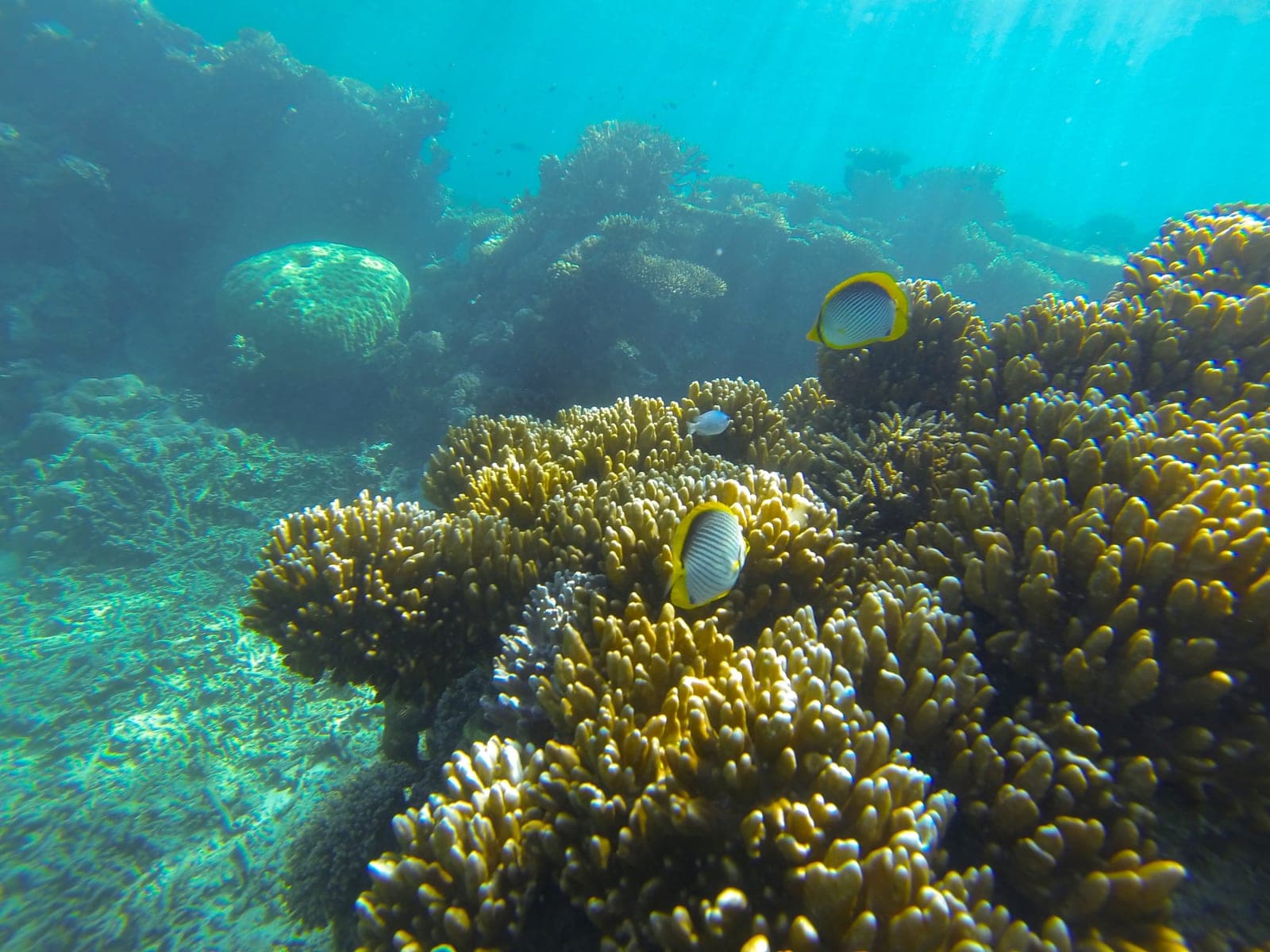
Snorkeling
A relaxed way to observe underwater life while floating at the surface with a mask and breathing tube.
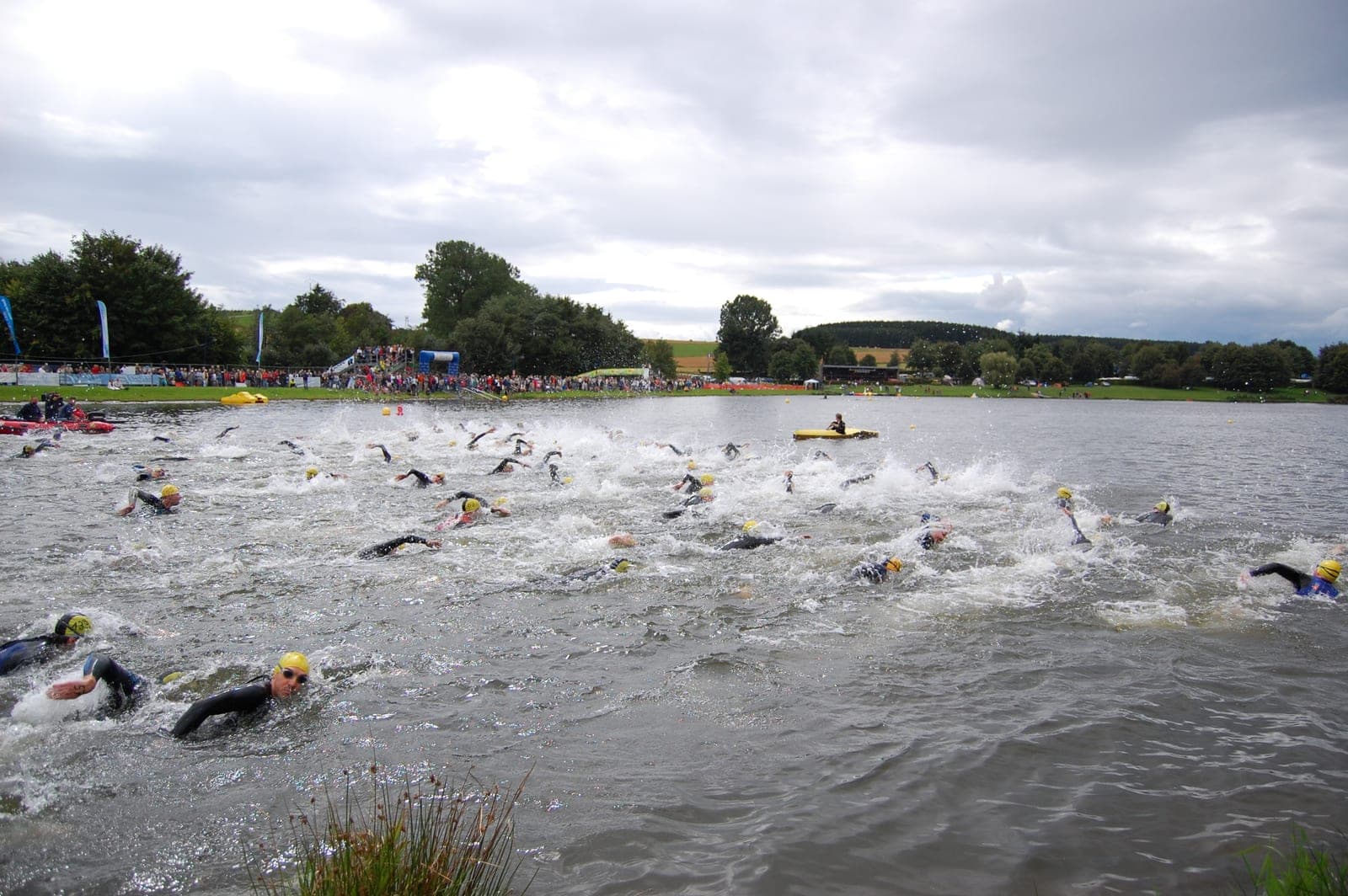
Open-Water Swimming
Swimming in lakes, rivers and the sea, blending endurance training with the experience of being out in nature.
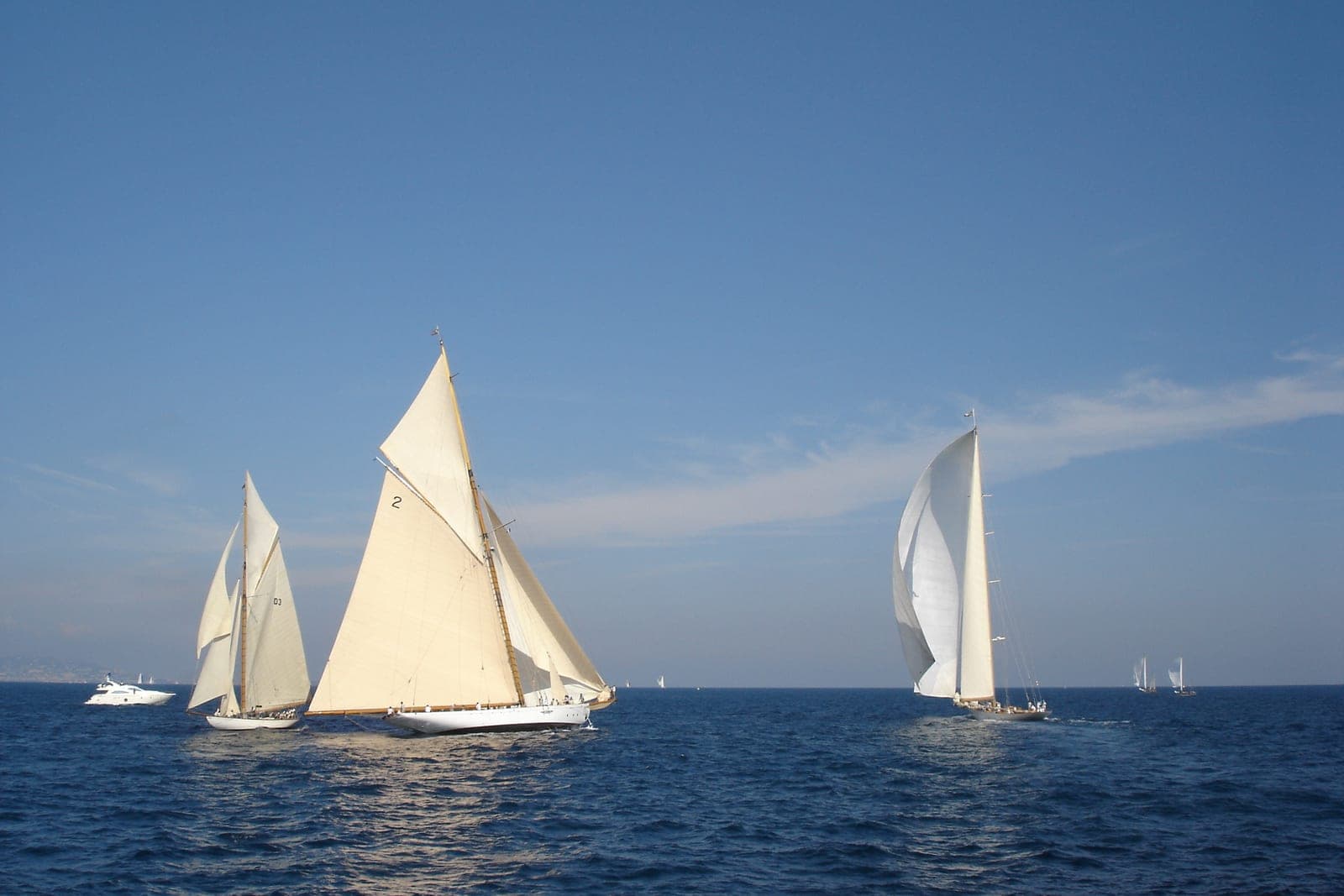
Sailing
The craft of using the wind to move a boat across the water, from small dinghies to larger crewed yachts.
Also fits this goal
Sports beyond the shortlist above that genuinely serve this goal, each with the reason it does and what it costs you. These are editorial judgements about how a sport is typically played, not source-verified facts.
- Primary fitBodyboarding
The most approachable way into surf: you ride lying down, so the balance problem that makes surfing slow to learn largely disappears.
What it costs you: It needs waves and a beach, so it is seasonal and coastal, and conditions decide whether a session happens.
- Primary fitKitesurfing
A board on the water pulled by a kite, on open water and in the wind — as water-based as the sport gets.
What it costs you: It is taught through instructed courses for good reason: kite control comes before the board, and conditions and equipment both demand respect. Costs and dependence on wind are both high.
- Primary fitScuba Diving
The one sport here that takes place under the water rather than on it, and the reason many people learn to dive at all.
What it costs you: It requires certification before you dive independently, training with a school, and diving with a buddy — follow the training agency’s and operator’s guidance rather than anything you read here.
- Primary fitSurfing
Reading and riding a moving wave is the defining open-water board sport, and the reason most people learn one.
What it costs you: It depends entirely on a coast with rideable waves, and the first months are mostly spent paddling and falling.
- Primary fitWakeboarding
Riding a board behind a boat or a cable tow — a water sport that needs no waves and no wind, which is why cable parks run all season.
What it costs you: It depends on a boat or a cable park, so it is a booked, paid session rather than something you do on a whim.
- Strong fitWater Polo
An entire team sport played in the water, with no contact with the bottom of the pool for the length of a quarter.
What it costs you: It is the most swimming-dependent sport on this list — comfort in deep water is a precondition, not something it teaches you.
- Primary fitWindsurfing
Board, sail and wind together — one of the defining ways of spending time on open water under your own power.
What it costs you: It needs wind, water, a centre that hires kit and a beginner course; the first sessions are spent learning to stay upright rather than sailing.
Train for it
Exercises and methods that build what this goal needs — educational, not a prescription.
Squat
A foundational lower-body movement where you bend at the hips and knees to lower down and stand back up.
Goblet squat
A squat variation where you hold a single weight close to your chest for balance and control.
Lunge
A single-leg movement where you step forward and bend both knees to lower your body.
Bulgarian split squat
A single-leg squat where the back foot is raised on a bench behind you.
Step-up
A movement where you step up onto a raised platform one leg at a time and step back down.
Hip hinge
The foundational bending-at-the-hips pattern that underpins deadlifts, swings and picking things up.
Frequently asked questions
Do I need to be a strong swimmer?
You need to be comfortable in water, and most beginner courses ask about your swimming before you book. Requirements differ by sport — diving and open-water swimming expect more than a supervised paddleboard session on flat water does. Ask the centre directly; they are used to the question.
Which water sport is the easiest to try first?
Stand-up paddleboarding and snorkelling ask least of a beginner and are quickly enjoyable. Kayaking and canoeing are close behind and are widely taught at clubs. Sailing, windsurfing, kitesurfing and diving all repay a proper beginner course.
Can I do these without buying equipment?
Yes. Clubs, schools and hire centres exist for exactly this, and for boats and boards it is the normal way to start. It is also how you find out which of these sports you actually enjoy before committing to one.
Related goals
Outdoor activities
Spend more time being active outdoors, from walking and cycling to trails, water and hills.
Improve balance
Train steadiness and control at any age with simple, progressive balance practice done safely.
Digital detox
Using sport and the outdoors to step away from screens and spend time offline.
Build an active lifestyle
Make movement a natural, lasting part of daily life through activities and habits you genuinely enjoy.
How it connects
The meaning-bearing relationships that place Spend more time on the water in the wider knowledge graph — each one with the reason it exists.
Achieved through
Routes people take towards this goal.
- Stand-Up PaddleboardingStand-Up Paddleboarding is one of the sports listed under the “Spend more time on the water” goal.
- KayakingKayaking is one of the sports listed under the “Spend more time on the water” goal.
- CanoeingCanoeing is one of the sports listed under the “Spend more time on the water” goal.
- SnorkelingSnorkeling is one of the sports listed under the “Spend more time on the water” goal.
- Open-Water SwimmingOpen-Water Swimming is one of the sports listed under the “Spend more time on the water” goal.
Explore across the knowledge base
Follow the threads that connect Spend more time on the water to the rest of SocialSportHub.
How this page is maintained
- Content type
- Life goal
- Provenance
- Tier A — evergreen educational
- Verified external sources
- 0
- Content updated
- 2026-09-22
Evergreen, first-party explanation — it makes no claim that needs an external source. How we handle sources and reviews.