
Core stability
The ability of the muscles around your trunk to keep it stable while your limbs move.
Overview
Core stability is how well the muscles around your midsection support and control your trunk while your arms and legs do the work. A stable core transfers force efficiently and protects the lower back.
It is a foundation quality that supports almost every other physical capacity.
Why it matters
- Transfers force between the upper and lower body
- Supports posture and helps look after the lower back
- Central to rowing, climbing, pilates and gymnastics
How to train it
- Practise holds and controlled movements that resist twisting or arching
- Quality and control matter more than the number of repetitions
- Pilates and structured core work build it methodically
The three inputs to balance
Why balance is a sense, not a muscle
- 1
Vision
The eyes report where you are relative to the world around you.
- 2
Vestibular
The inner ear reports head position and acceleration.
- 3
Proprioception
Joints, muscles and skin report where your body parts are without looking.
- 4
Integrate
The three streams are combined, and the least reliable one at that moment counts for less.
- 5
Adjust
Small, continuous postural corrections keep you over your base of support.
Sports that build core stability
These sports are especially good for developing this quality.
Pilates
A low-impact mind-body method that builds core strength, control and posture through precise, controlled movement.
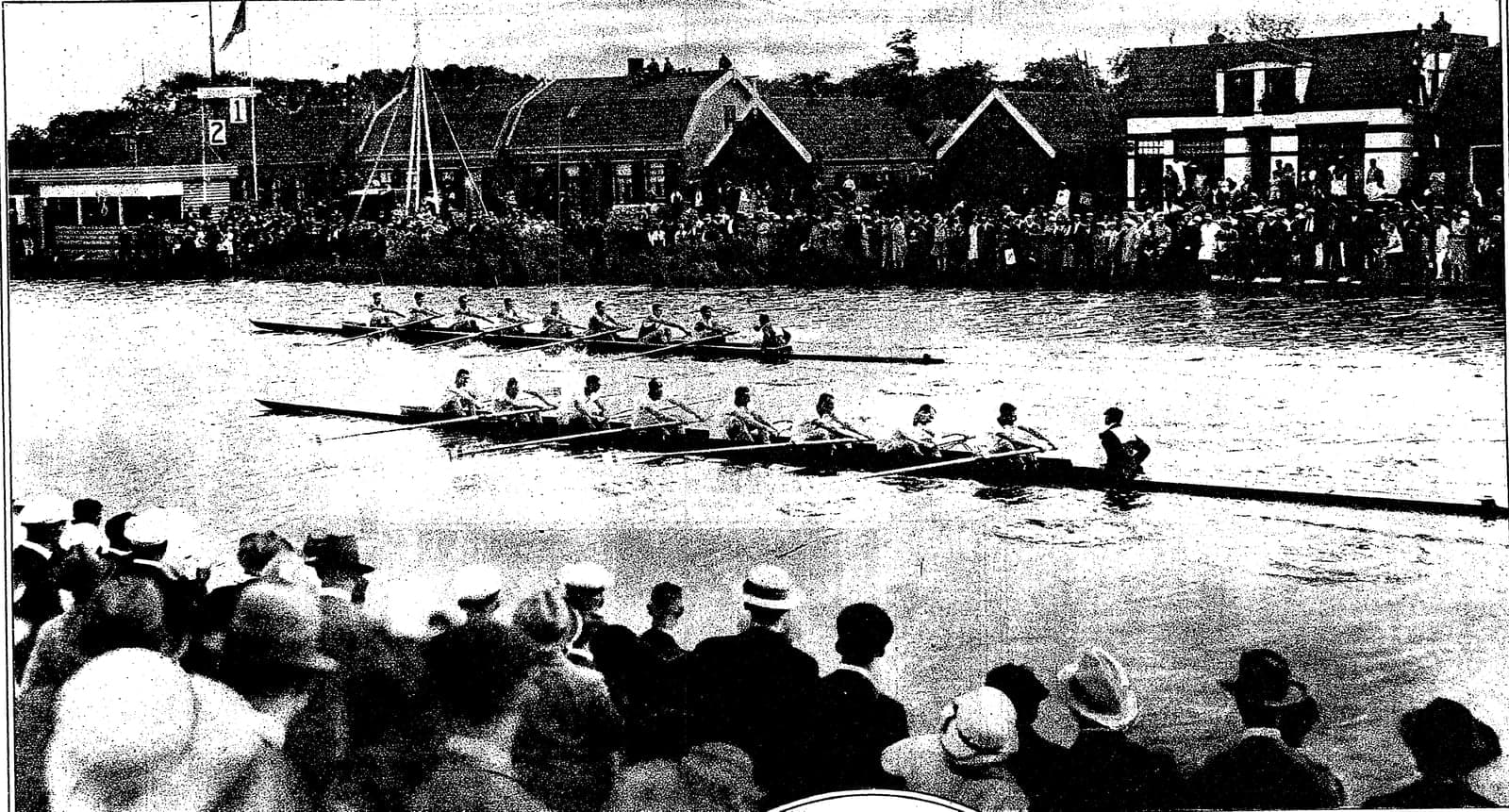
Rowing
A rhythmic, full-body endurance sport on the water or on an indoor machine.
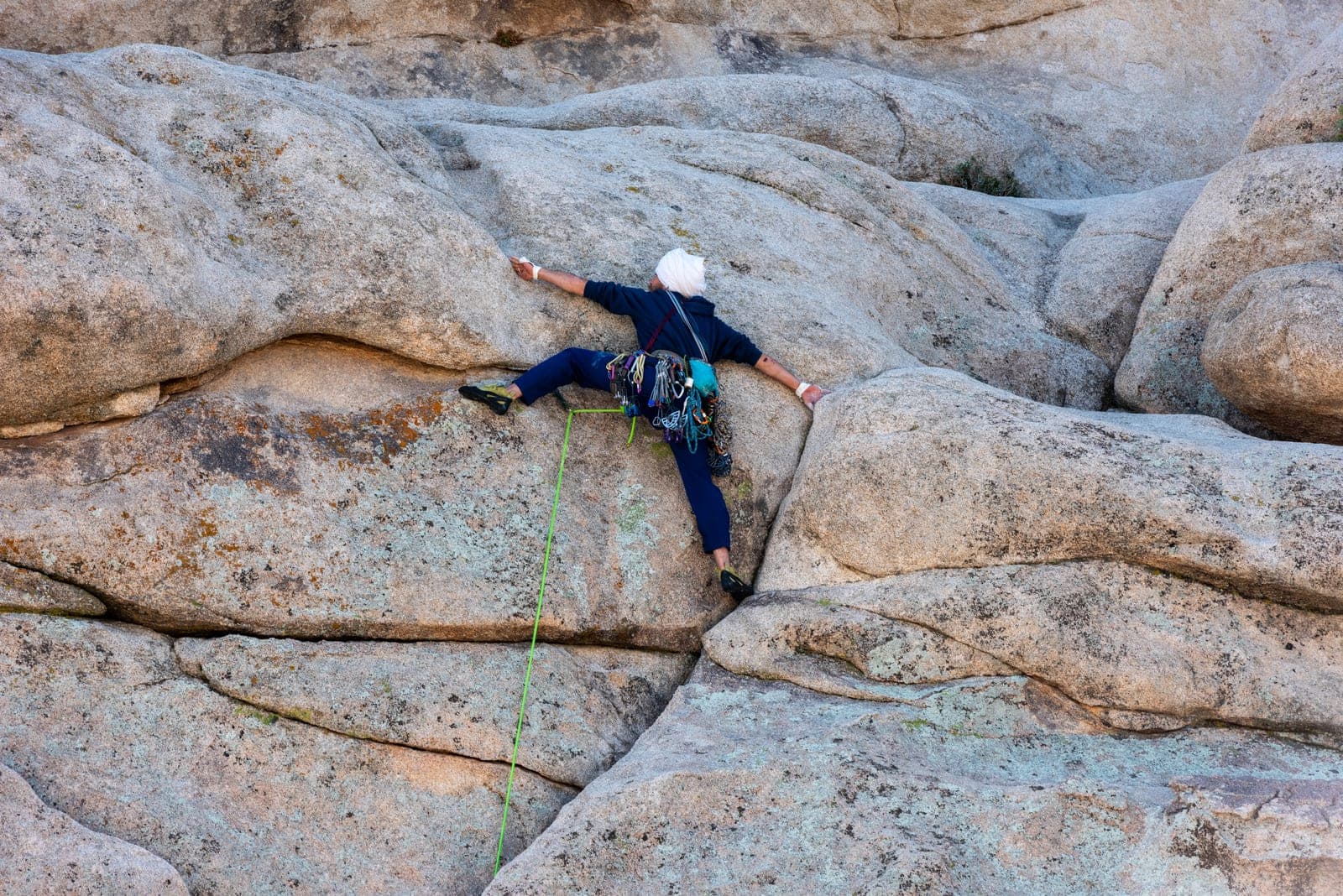
Rock Climbing
A rope-based climbing sport that pairs full-body strength with focus and careful technique, indoors or on rock.
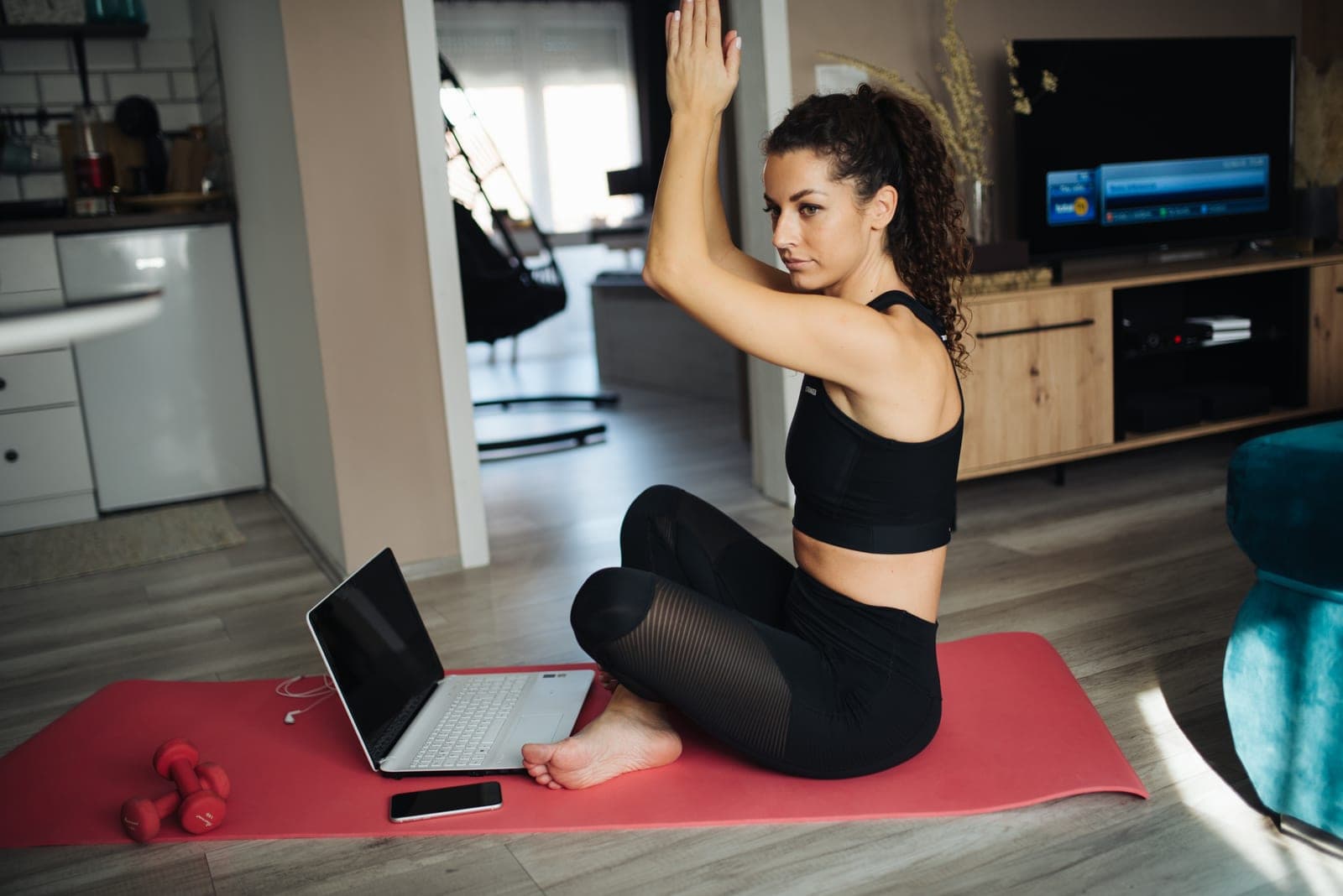
Yoga
A mind-body practice that links postures, breathing and focus to build flexibility, strength and calm.
Calisthenics
Bodyweight strength training — push-ups, pull-ups, dips and progressions you can do almost anywhere.
Train it: exercises & methods
Ways to develop core stability — educational, not a prescription.
Goblet squat
A squat variation where you hold a single weight close to your chest for balance and control.
Deadlift
A hinge movement where you lift a weight from the floor by driving your hips forward to stand tall.
Romanian deadlift
A hinge variation focused on the back of the legs, lowering the weight without returning it to the floor.
Glute bridge
A floor exercise where you lift your hips by squeezing your glutes with your feet planted.
Hip thrust
A loaded hip-extension exercise with your upper back on a bench and a weight across the hips.
Push-up
A classic upper-body pushing exercise where you lower and press your body up from the floor.
How it connects
The meaning-bearing relationships that place Core stability in the wider knowledge graph — each one with the reason it exists.
Frequently learned together
Taught side by side in the same stage of a learning path.
- Mobility TrainingBoth are taught in the “Train your body for it” stage of the Pilates learning path.
- Flexibility TrainingBoth are taught in the “Train your body for it” stage of the Pilates learning path.
- FlexibilityBoth are taught in the “Train your body for it” stage of the Pilates learning path.
- MobilityBoth are taught in the “Train your body for it” stage of the Pilates learning path.
Explore across the knowledge base
Follow the threads that connect Core stability to the rest of SocialSportHub.
Goals
- Build muscleChallenge your muscles with regular resistance training and steady recovery to build strength over time.
- Improve mobilityMove your joints more freely and comfortably through their natural range with regular, gentle practice.
- Improve flexibilityLengthen your muscles and widen your range of motion through regular, gentle stretching over time.
- Improve balanceTrain steadiness and control at any age with simple, progressive balance practice done safely.
- Sports for office workersWays for desk-based workers to add movement around a sedentary working day.
Disciplines
- FreestyleFreestyle is the fastest swimming stroke, swum face-down with an alternating arm pull and flutter kick — the stroke most people picture when they think of swimming.
- BackstrokeBackstroke is swum face-up with an alternating arm pull and flutter kick — the one competitive stroke where you breathe freely because your face stays out of the water.
- BreaststrokeBreaststroke uses a simultaneous, symmetric arm sweep and a whip-like frog kick, with a distinct glide between strokes — technical, rhythmic and the slowest of the four strokes.
- ButterflyButterfly is swum with a simultaneous over-water arm recovery and an undulating dolphin kick — the most physically demanding stroke, built on rhythm and core-driven body movement.
- Greco-Roman WrestlingAn Olympic wrestling style that forbids holds below the waist, so wrestlers rely on upper-body throws, clinches, and lifts to score and pin.
Movement patterns
- PullDrawing a load or your own body toward the torso — horizontal rows and vertical pull-ups — building the lats, mid-back and biceps and balancing the push.
- PushPressing a load or the body away from the torso — horizontally or overhead — by extending the shoulders and elbows, developing the chest, shoulders and triceps.
- LungeA split-stance, single-leg-emphasis pattern: stepping or dropping into a staggered stance and pushing back up to build single-leg strength, balance and stability.
- CarryHolding and transporting a load while keeping the trunk braced and stable — an anti-movement pattern that builds grip, core stability and full-body strength.
- HingeA hip-dominant pattern: bend forward at the hips with a flat back, minimal knee bend, then drive the hips tall — powers pulling from the floor and jumping.
Sports science
People
- Office workersHow sport can offset long hours of sitting and screen time to support mobility, energy and stress relief.
- Busy professionalsHow time-efficient sport can fit a packed schedule to protect fitness, energy and stress relief.
- TravelersHow to stay active on the move with minimal-equipment sport that works almost anywhere.
- ParentsHow busy parents can fit sport around family life with flexible, home-friendly and time-efficient options.
- Remote workersHow sport can fit a work-from-home life — replacing the movement a commute used to provide and breaking up long spells at a home desk.
Lifestyle
- At homeMovement you can do in your living room — from bodyweight strength to yoga — with little or no equipment.
- At the officeWays to stay active around a desk job — walking, mobility breaks and stretching that fit into a working day.
- At the gymHow to make the most of a gym — strength machines, free weights, classes and cardio kit under one roof.
- In a small apartmentQuiet, low-impact ways to train in a small flat — mat-based routines that respect limited space and shared walls.
- 5 minutesEven five minutes counts — a quick movement snack that breaks up sitting and keeps a little activity in a packed day.
Go deeper with Core stability
Everywhere else on the platform that covers Core stability — assembled from what actually references it, so nothing here is a dead end.
Learn it
Structured courses and paths on the platform that cover this directly.
Take it away
Open data and the whole-platform view of this subject.
How this page is maintained
- Content type
- Physical quality
- Provenance
- Tier A — evergreen educational
- Verified external sources
- 0
- Content updated
- 2026-09-01
Evergreen, first-party explanation — it makes no claim that needs an external source. How we handle sources and reviews.