
Goblet squat
A squat variation where you hold a single weight close to your chest for balance and control.
Overview
The goblet squat is a squat performed while holding a dumbbell or kettlebell against your chest, cupped like a goblet. Holding the weight in front acts as a counterbalance, which often makes it easier to sit down between the hips and keep the chest upright than an unloaded squat.
Because the load is light and easy to control, the goblet squat is a popular way to learn the squat pattern before moving on to barbell versions. It develops the thighs, hips and core while the arms and upper back work to hold the weight in place.
The movement
- 1Hold a dumbbell or kettlebell vertically against your chest with both hands.
- 2Set your feet around shoulder-width apart with toes slightly turned out.
- 3Lower your hips down between your knees, keeping the weight close and chest tall.
- 4Stand back up by pressing through your feet.
Beginner notes
- The weight sits high against the chest, held by both hands.
- A good beginner choice for grooving the squat pattern with a little load.
- Elbows generally track down inside the knees as you lower.
A note on training information
Where it’s used
Sports this relates to:
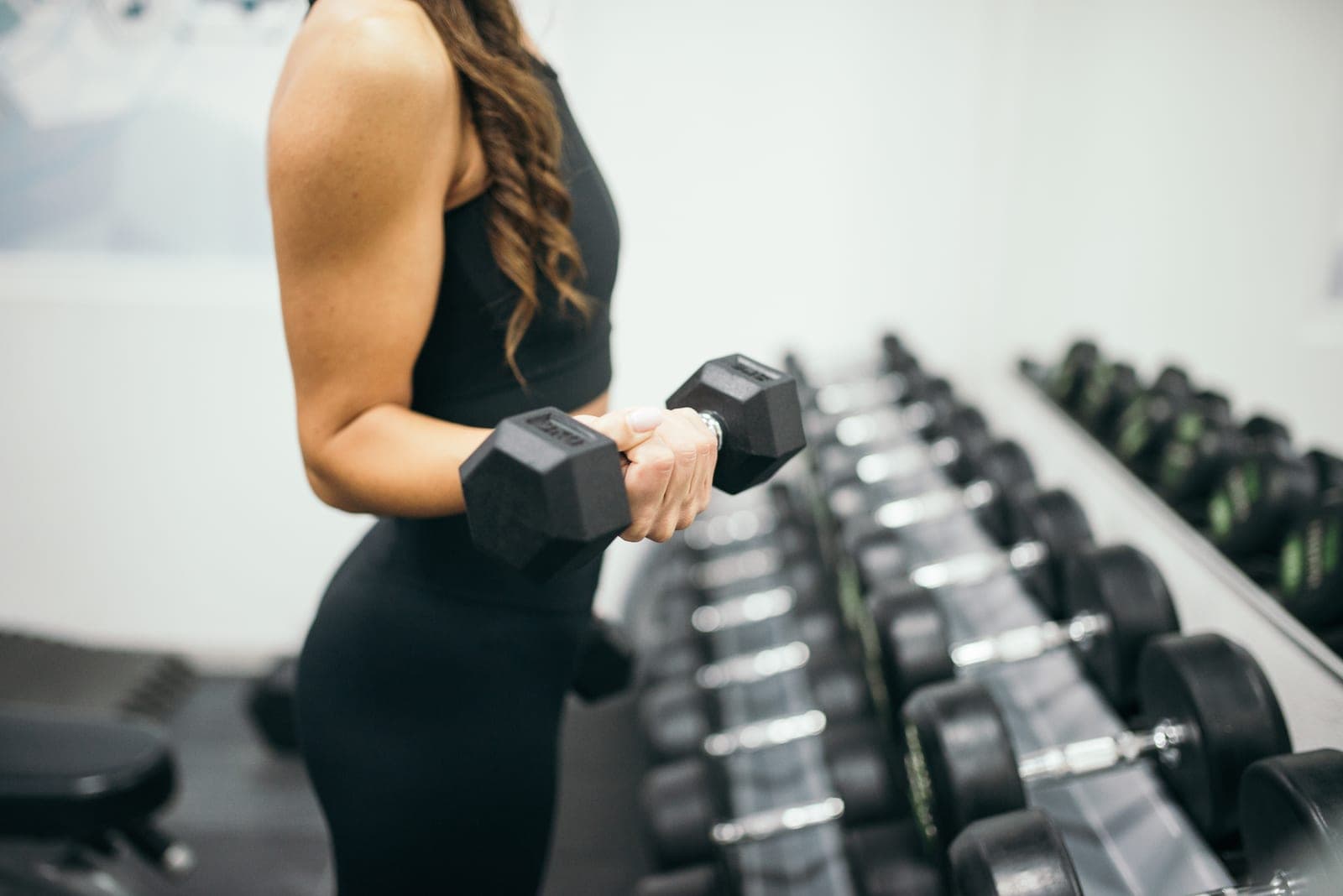
Fitness
Strength and general fitness training — the foundation that supports every other sport.
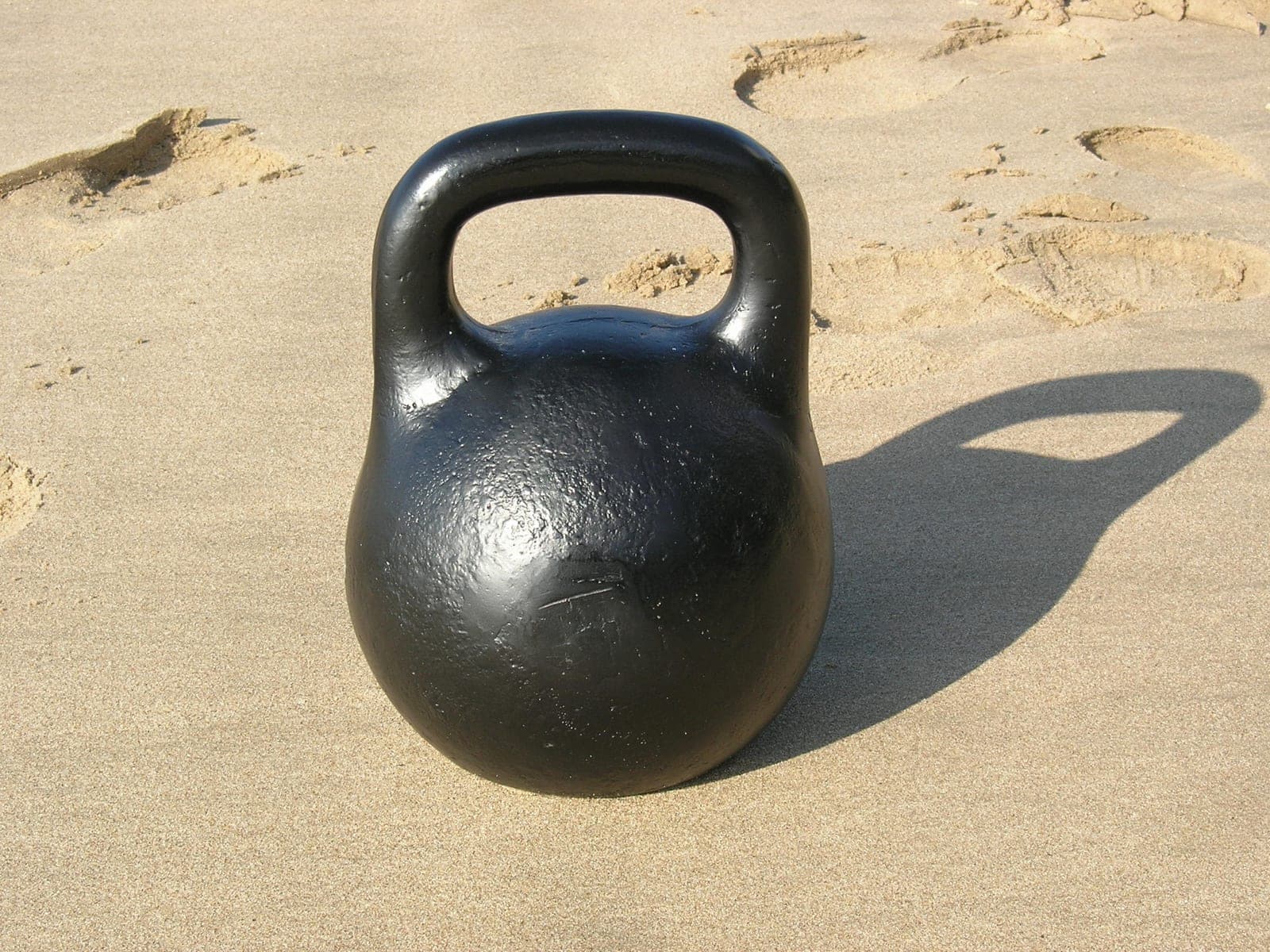
Functional Fitness
Varied, whole-body training built around everyday movement patterns like squatting, lifting and carrying.
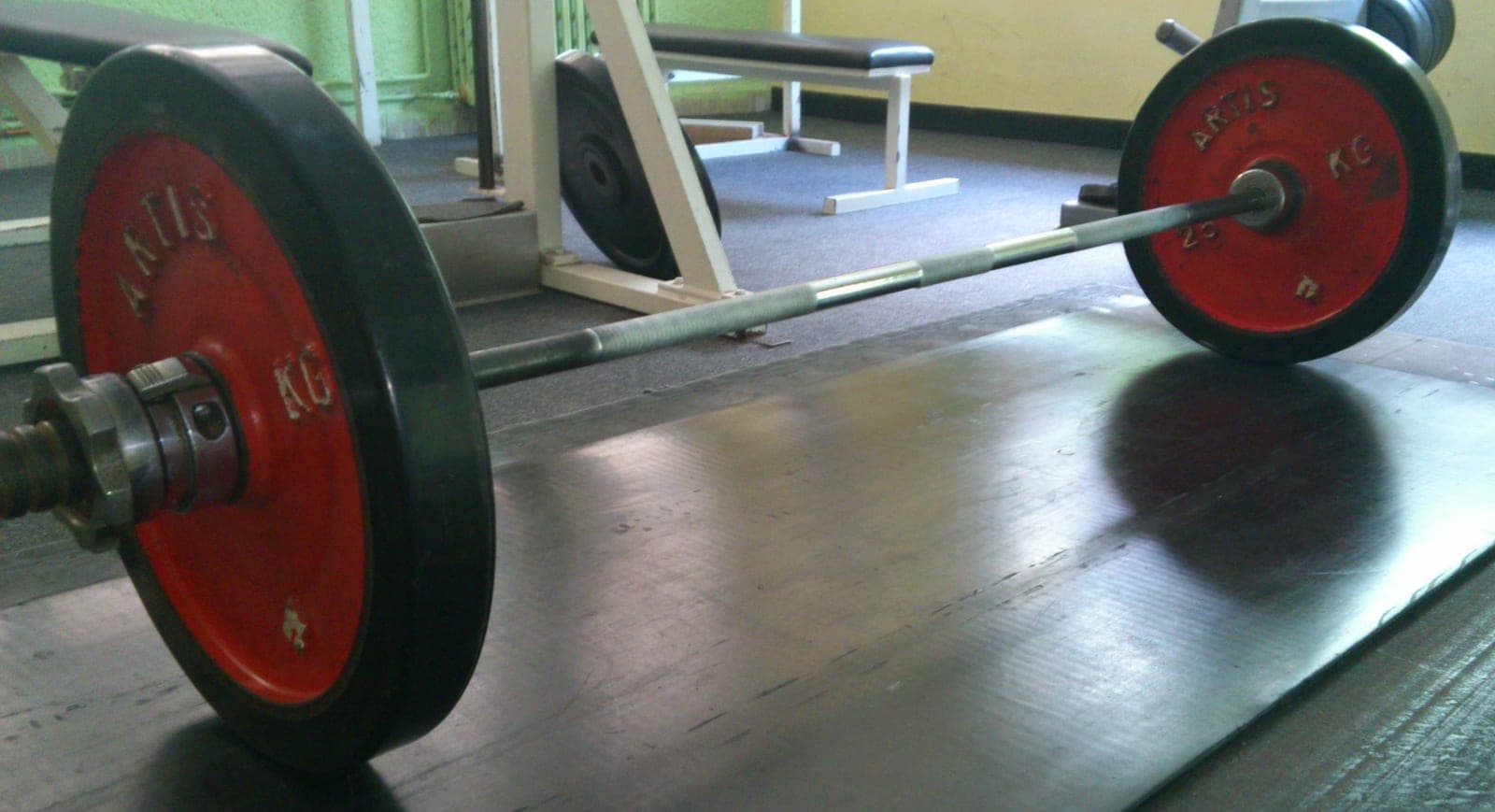
Weightlifting
A technical strength sport built around lifting a loaded barbell overhead with speed and control.
Related exercises
Squat
A foundational lower-body movement where you bend at the hips and knees to lower down and stand back up.
Jump squat
An explosive squat variation where you spring off the floor at the top of the movement.
Wall sit
A holding exercise where you sit against a wall with no chair, holding a squat position still.
Explore across the knowledge base
Follow the threads that connect Goblet squat to the rest of SocialSportHub.
Movement patterns
- SquatA knee-dominant pattern: bending the hips, knees and ankles to lower and rise while keeping the torso upright — the foundation of lower-body strength.
- BackpedalControlled backward locomotion performed while facing forward, staying low and pushing off the balls of the feet in short strides to stay reactive and keep play in view.
- Shuffle (Lateral Shuffle)A low, athletic side-to-side stepping pattern in which the feet never cross, used to reposition and stay balanced and reactive while keeping the shoulders square to a target.
- SlideA slide is a controlled, low-friction skid of the body or foot along a surface, used to brake, extend reach, or hold a line, where managed friction and a lowered centre of gravity govern the movement.
- LungeA split-stance, single-leg-emphasis pattern: stepping or dropping into a staggered stance and pushing back up to build single-leg strength, balance and stability.
Skills
Techniques
Sports science
- ProprioceptionThe body’s internal sense of where its parts are and how they are moving — the awareness behind balance and coordinated movement.
- Motor controlHow the brain and nervous system organise the muscles to produce coordinated, controlled movement.
- Training variationThe idea that changing elements of training over time helps keep the body responding and keeps training sustainable.
Go deeper with Goblet squat
Everywhere else on the platform that covers Goblet squat — assembled from what actually references it, so nothing here is a dead end.
Take it away
Open data and the whole-platform view of this subject.
How this page is maintained
- Content type
- Exercise
- Provenance
- Tier A — evergreen educational
- Verified external sources
- 0
- Content updated
- 2026-07-06
Evergreen, first-party explanation — it makes no claim that needs an external source. How we handle sources and reviews.