
Cardiovascular endurance
The ability to sustain whole-body activity for a long time while your heart, lungs and muscles keep up.
Overview
Cardiovascular endurance — often just called aerobic fitness — is how well your heart, lungs and circulation can deliver oxygen to working muscles over a sustained effort. It is the quality behind being able to run, cycle or swim for longer without slowing down.
It is one of the most widely studied and broadly beneficial qualities to build, and it improves steadily with regular, repeated aerobic activity.
Why it matters
- Underpins almost every endurance and team sport
- Regular aerobic activity is widely linked to long-term heart health
- Helps everyday tasks feel easier and less tiring
How to train it
- Build a base of steady, comfortable-paced sessions you can sustain
- Increase time or distance gradually rather than all at once
- Mix longer easy efforts with occasional faster intervals as you progress
The three energy systems
From brief bursts to sustained effort
- 1
Phosphagen (ATP-PC)
Powers brief, maximal efforts — the most immediate and powerful, but very short-lived.
- 2
Glycolytic
Fuels short, hard efforts and takes over as maximal efforts extend.
- 3
Aerobic
Uses oxygen to sustain prolonged, lower-intensity activity and drives recovery.
Training-intensity zones
A common heart-rate-zone model
- Recovery50–60 % of max HRVery easy; aids recovery and builds an aerobic base.
- Endurance60–70 % of max HRComfortable, conversational aerobic training.
- Tempo70–80 % of max HRModerately hard, sustainable aerobic effort.
- Threshold80–90 % of max HRHard; around the limit you can hold for longer efforts.
- Maximal90–100 % of max HRVery hard, short intervals near maximum.
Sports that build cardiovascular endurance
These sports are especially good for developing this quality.
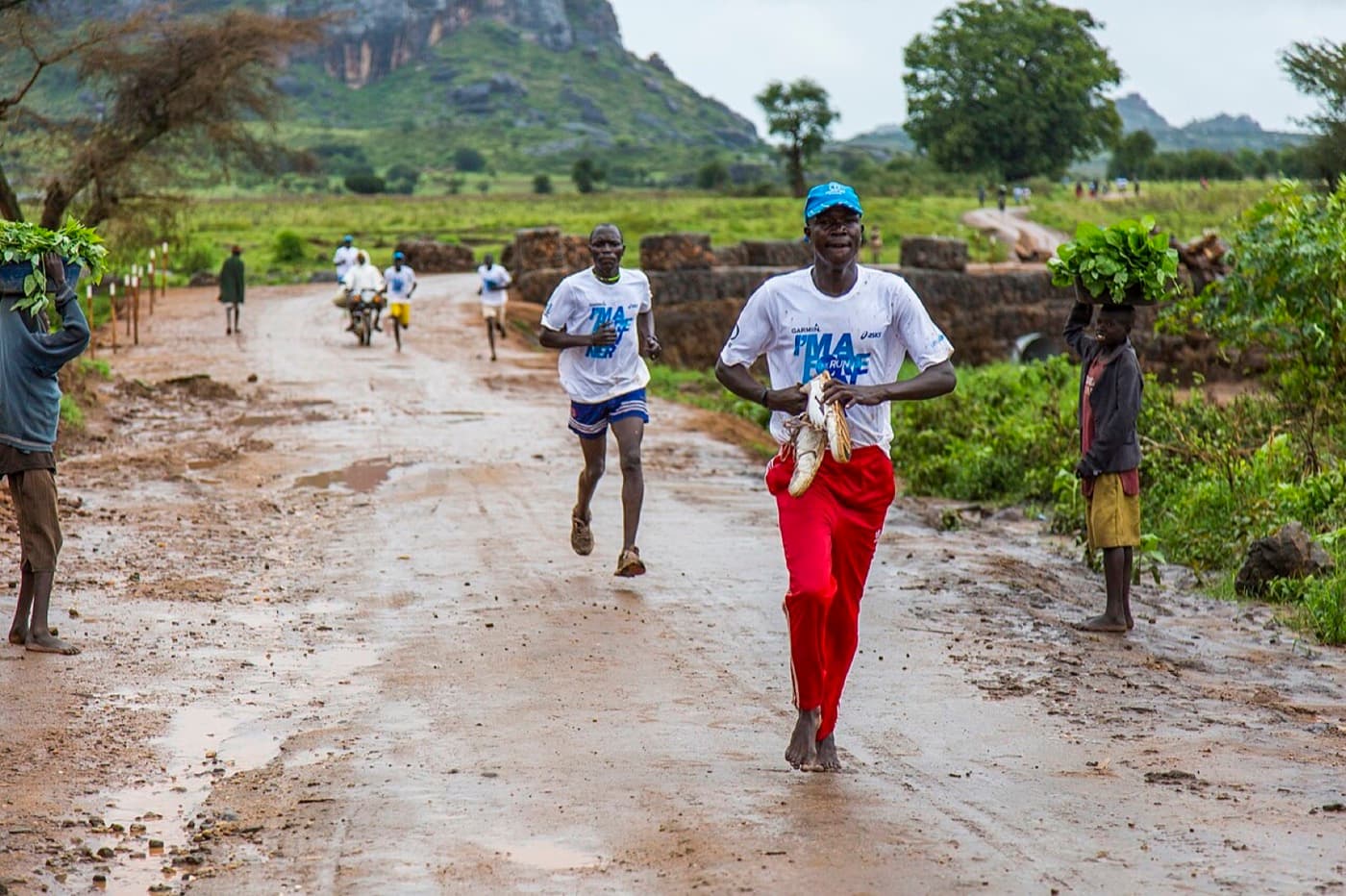
Running
The most accessible endurance sport — no venue, just shoes and the open road or trail.
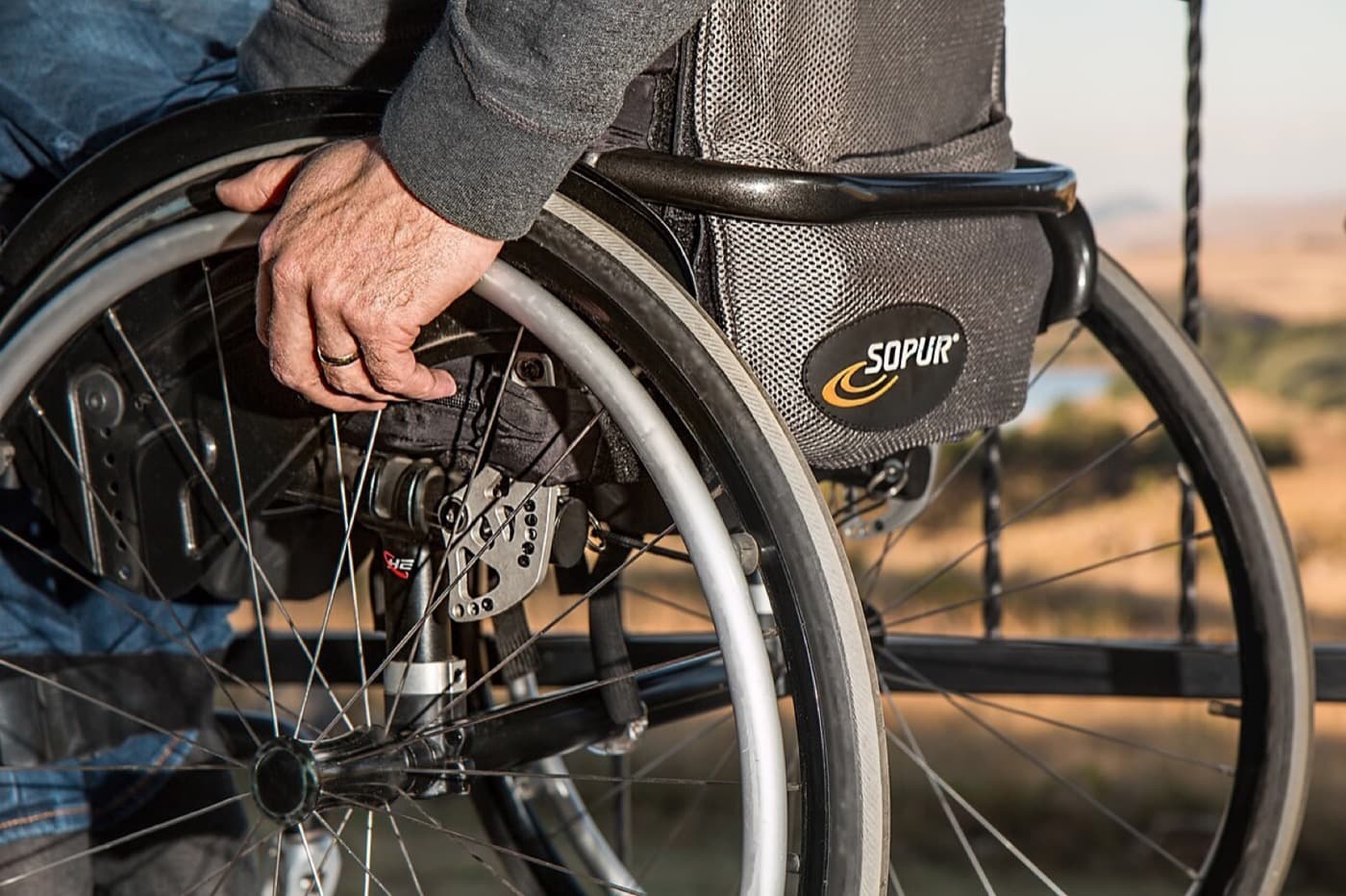
Cycling
A low-impact endurance sport that doubles as transport, exercise and adventure.
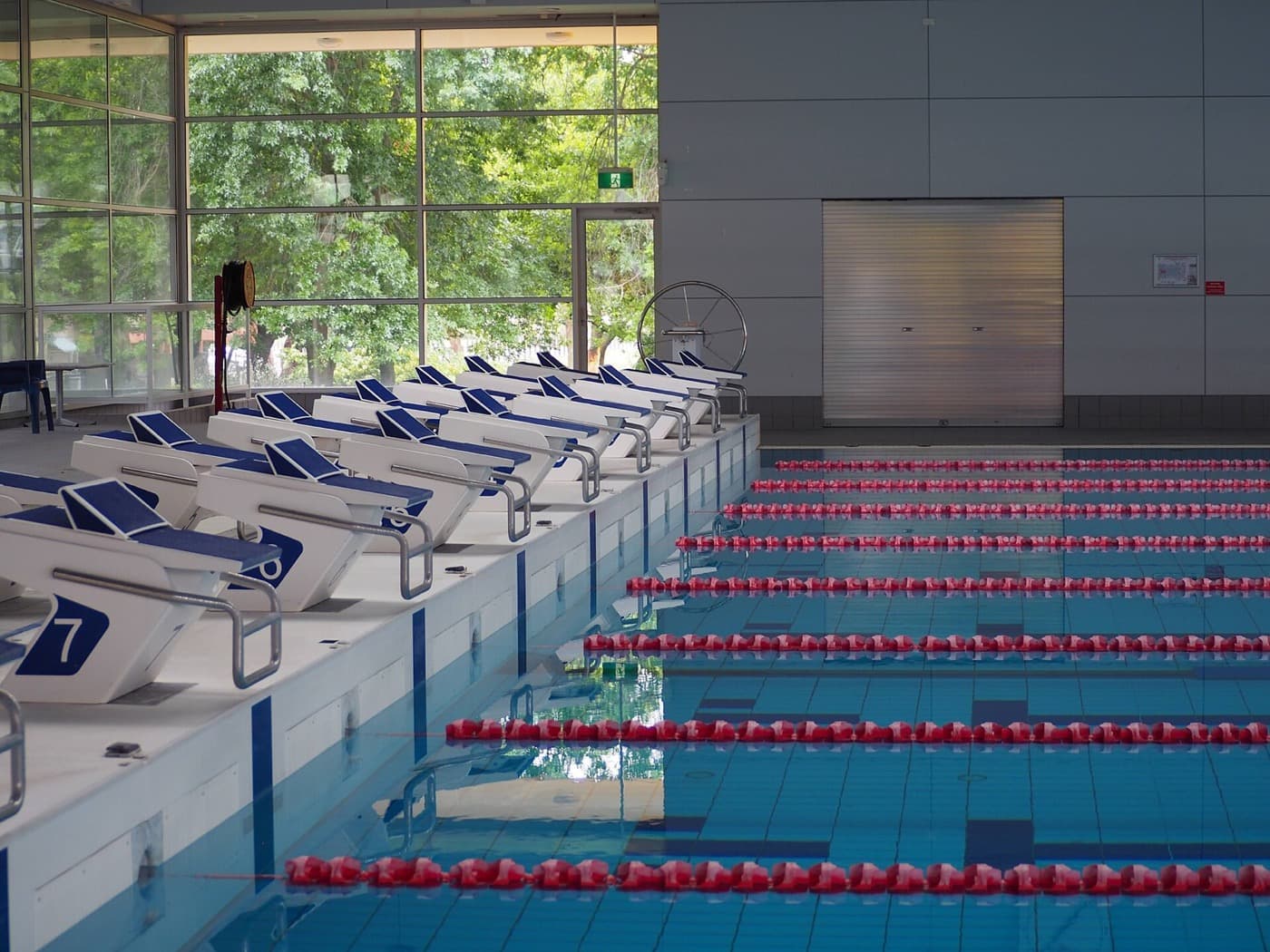
Swimming
A full-body, low-impact endurance sport suitable for almost every age and ability.
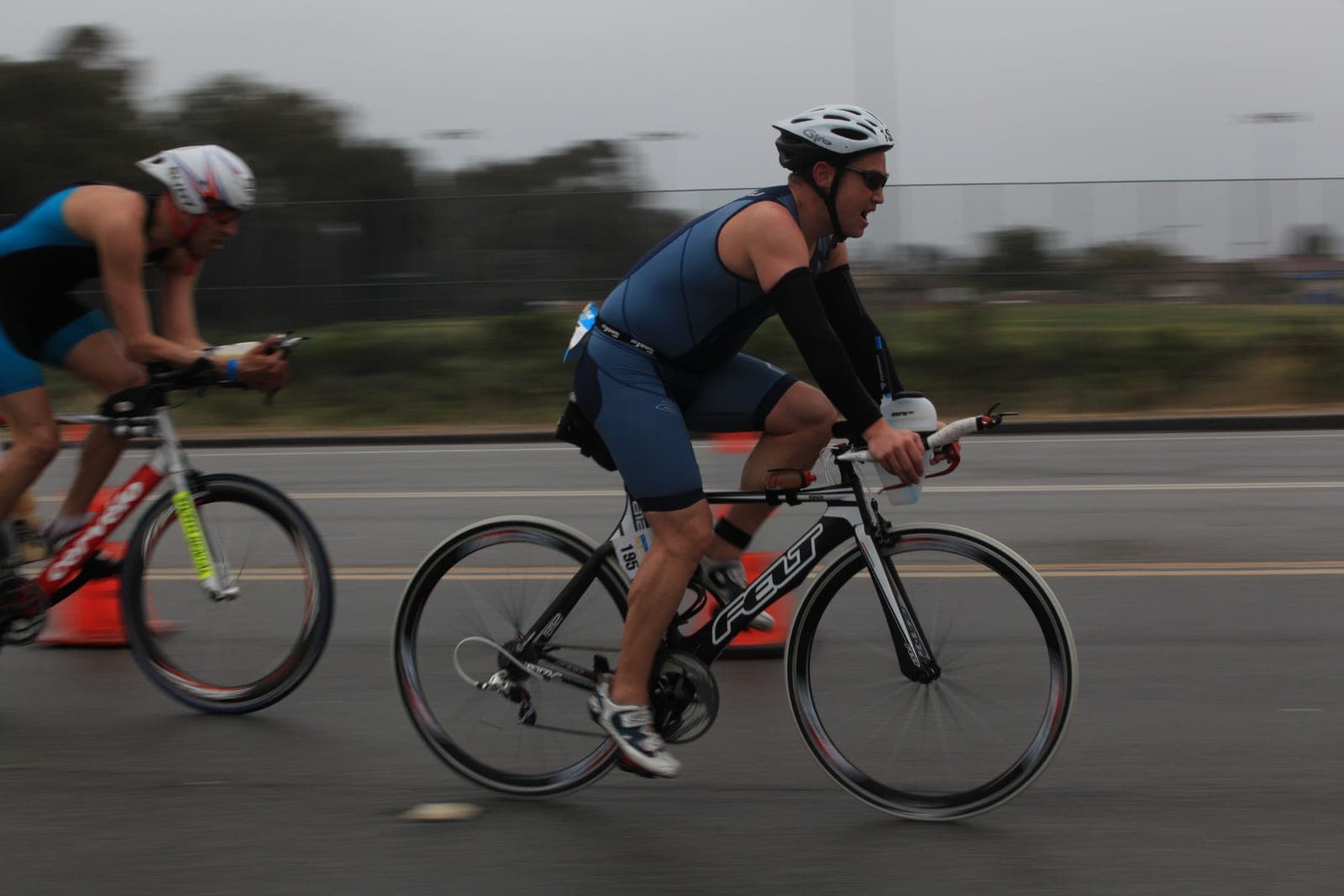
Triathlon
A multi-sport endurance event that links swimming, cycling and running into one continuous race.
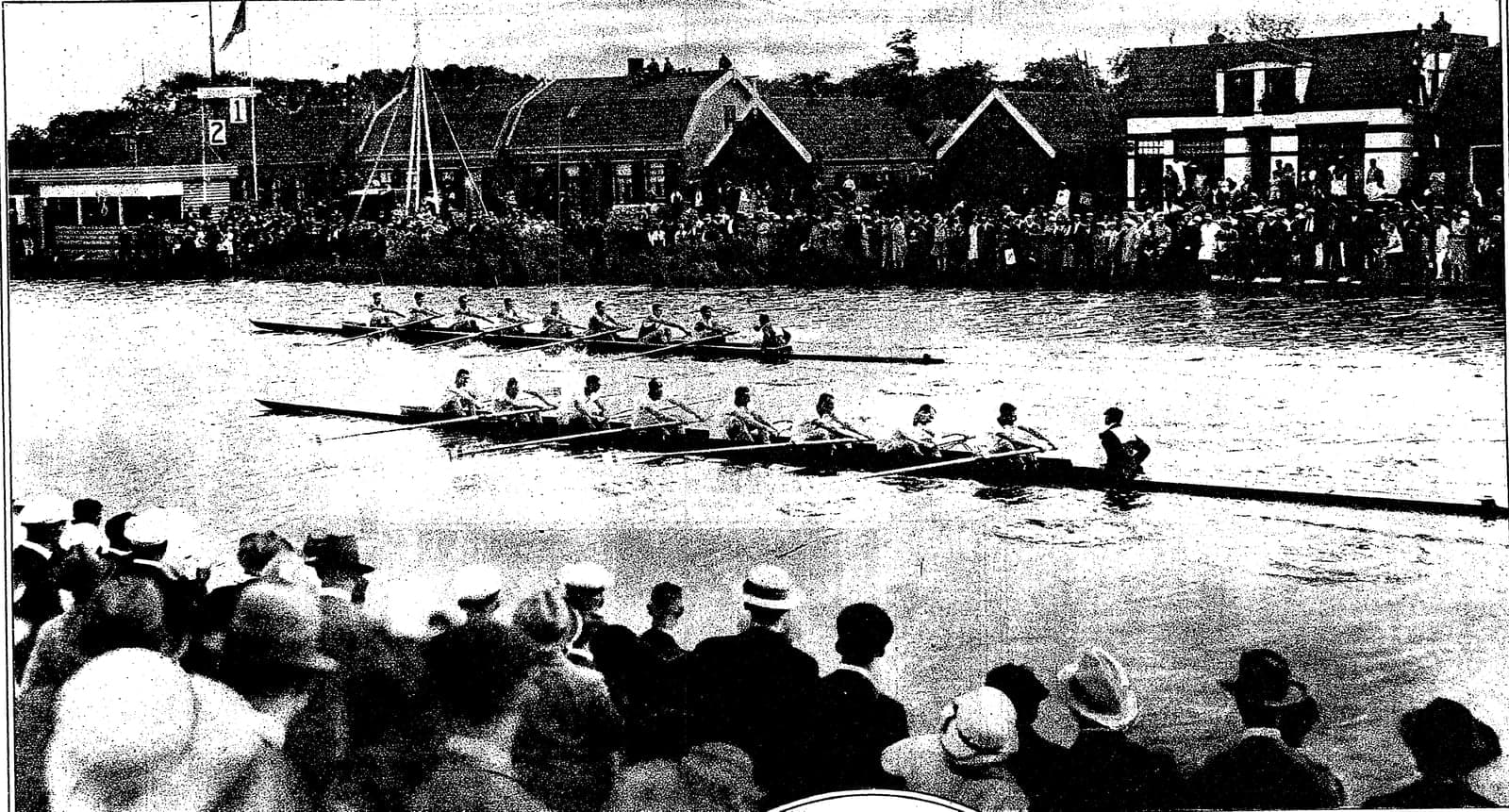
Rowing
A rhythmic, full-body endurance sport on the water or on an indoor machine.
Football
The world’s most popular team sport — endless running, teamwork and community in one game.
Train it: exercises & methods
Ways to develop cardiovascular endurance — educational, not a prescription.
Wall sit
A holding exercise where you sit against a wall with no chair, holding a squat position still.
Step-up
A movement where you step up onto a raised platform one leg at a time and step back down.
Kettlebell swing
A dynamic hinge where you swing a kettlebell to shoulder height using a snap of the hips.
Push-up
A classic upper-body pushing exercise where you lower and press your body up from the floor.
Tricep dip
A pushing exercise where you lower and raise your body using your arms on parallel bars or a bench.
Pull-up
A vertical pulling exercise where you hang from a bar and pull your chin above it.
How it connects
The meaning-bearing relationships that place Cardiovascular endurance in the wider knowledge graph — each one with the reason it exists.
Frequently learned together
Taught side by side in the same stage of a learning path.
- PlyometricsBoth are taught in the “Train your body for it” stage of the Football learning path.
- How to warm upBoth are taught in the “Train your body for it” stage of the Football learning path.
- SpeedBoth are taught in the “Train your body for it” stage of the Football learning path.
- AgilityBoth are taught in the “Train your body for it” stage of the Football learning path.
- CoordinationBoth are taught in the “Train your body for it” stage of the Football learning path.
Explore across the knowledge base
Follow the threads that connect Cardiovascular endurance to the rest of SocialSportHub.
Goals
- Lose weightCombine regular, enjoyable movement with balanced habits to work toward a healthier weight in a way that lasts.
- Improve fitnessBuild well-rounded fitness — stamina, strength and more — through regular, varied activity you can keep up.
- Become more activeAdd regular, gentle movement to your everyday life and build up from a sedentary start at your own pace.
- Build an active lifestyleMake movement a natural, lasting part of daily life through activities and habits you genuinely enjoy.
- Improve cardiovascular healthRegular activity is widely linked with supporting heart and circulatory health as part of a balanced routine.
Disciplines
- FreestyleFreestyle is the fastest swimming stroke, swum face-down with an alternating arm pull and flutter kick — the stroke most people picture when they think of swimming.
- BackstrokeBackstroke is swum face-up with an alternating arm pull and flutter kick — the one competitive stroke where you breathe freely because your face stays out of the water.
- Individual medleyThe individual medley (IM) combines all four strokes in a set order — butterfly, backstroke, breaststroke, then freestyle — testing all-round swimming across a single event.
- ClassicClassic is the original cross-country technique, with skis kept parallel in set tracks and a striding kick-and-glide motion.
- Skate (Freestyle)Skate skiing pushes off angled skis in a V pattern, like ice skating, on firm groomed snow — the faster of the two main techniques.
Movement patterns
- GaitThe cyclic, alternating single-leg pattern of walking and running that carries the body across the ground — the base of most field and endurance sport.
- PushPressing a load or the body away from the torso — horizontally or overhead — by extending the shoulders and elbows, developing the chest, shoulders and triceps.
- CarryHolding and transporting a load while keeping the trunk braced and stable — an anti-movement pattern that builds grip, core stability and full-body strength.
- GlideGlide is continuous, low-resistance locomotion in which the body holds a streamlined shape so that momentum generated by a preceding propulsive action carries it smoothly across a surface or through a medium.
Sports science
- Movement efficiencyHow economically the body performs a movement — achieving the goal with the least wasted effort.
- Energy systemsHow the body supplies energy for movement — the different pathways that power everything from an explosive jump to a long, steady run.
- Aerobic and anaerobic energyThe difference between energy the body produces with oxygen and energy it produces without it — a core idea behind why different efforts feel and last so differently.
- Training adaptationThe process by which the body changes in response to repeated training — the underlying reason exercise makes you fitter, stronger or more skilful over time.
- SupercompensationA widely taught model of how the body, after a bout of training and enough recovery, can rebuild to a slightly higher level than before.
People
- TeenagersHow sport can fit into a teenager’s life for fitness, friendship, confidence and healthy routines, with supervision.
- StudentsHow sport can fit around study, a tight budget and a changing timetable to support focus, energy and social life.
- Office workersHow sport can offset long hours of sitting and screen time to support mobility, energy and stress relief.
- Busy professionalsHow time-efficient sport can fit a packed schedule to protect fitness, energy and stress relief.
- Weekend athletesHow to enjoy recreational sport on weekends while staying comfortable and consistent through the week.
Go deeper with Cardiovascular endurance
Everywhere else on the platform that covers Cardiovascular endurance — assembled from what actually references it, so nothing here is a dead end.
Learn it
Structured courses and paths on the platform that cover this directly.
Work it out
Deterministic calculators — real published formulas, no estimates dressed as data.
Compare it
Head-to-head studies against the entities people actually weigh it against.
Question it
Research topics that name this entity among their connections.
Take it away
Open data and the whole-platform view of this subject.
How this page is maintained
- Content type
- Physical quality
- Provenance
- Tier A — evergreen educational
- Verified external sources
- 0
- Content updated
- 2026-09-01
Evergreen, first-party explanation — it makes no claim that needs an external source. How we handle sources and reviews.