
Outdoor activities
Spend more time being active outdoors, from walking and cycling to trails, water and hills.
How sport helps
Outdoor activities swap the gym or living room for parks, paths, water and hills. For many people the changing scenery and fresh air make movement feel less like exercise and more like an experience worth repeating.
The outdoors offers a huge range of intensities, from a gentle riverside walk to a demanding trail run or climb. That makes it easy to start wherever you are and build up gradually, while checking conditions and coming prepared for the weather.
- Being active outdoors combines movement with a change of environment, which many people find more enjoyable and easier to keep up than indoor routines.
- Outdoor settings offer natural variety — hills, trails, water and distance — so sessions can stay fresh and gradually more challenging.
- Time spent outside and away from screens is something a lot of people find refreshing, and it can pair naturally with a digital break.
- Most outdoor activities need little equipment to begin, so the barrier to starting is often low.
Getting started
- 1Start with a nearby, easy option such as a local park, path or greenway so getting out the door is simple.
- 2Check the weather and terrain, dress in layers, and carry water for anything longer than a short outing.
- 3Build distance or difficulty gradually rather than attempting a long or remote route straight away.
- 4Tell someone your plan for longer or remote trips, and stick to marked routes until you know an area well.
Good sports for this goal
Great places to start — each with a clear, beginner-friendly guide.
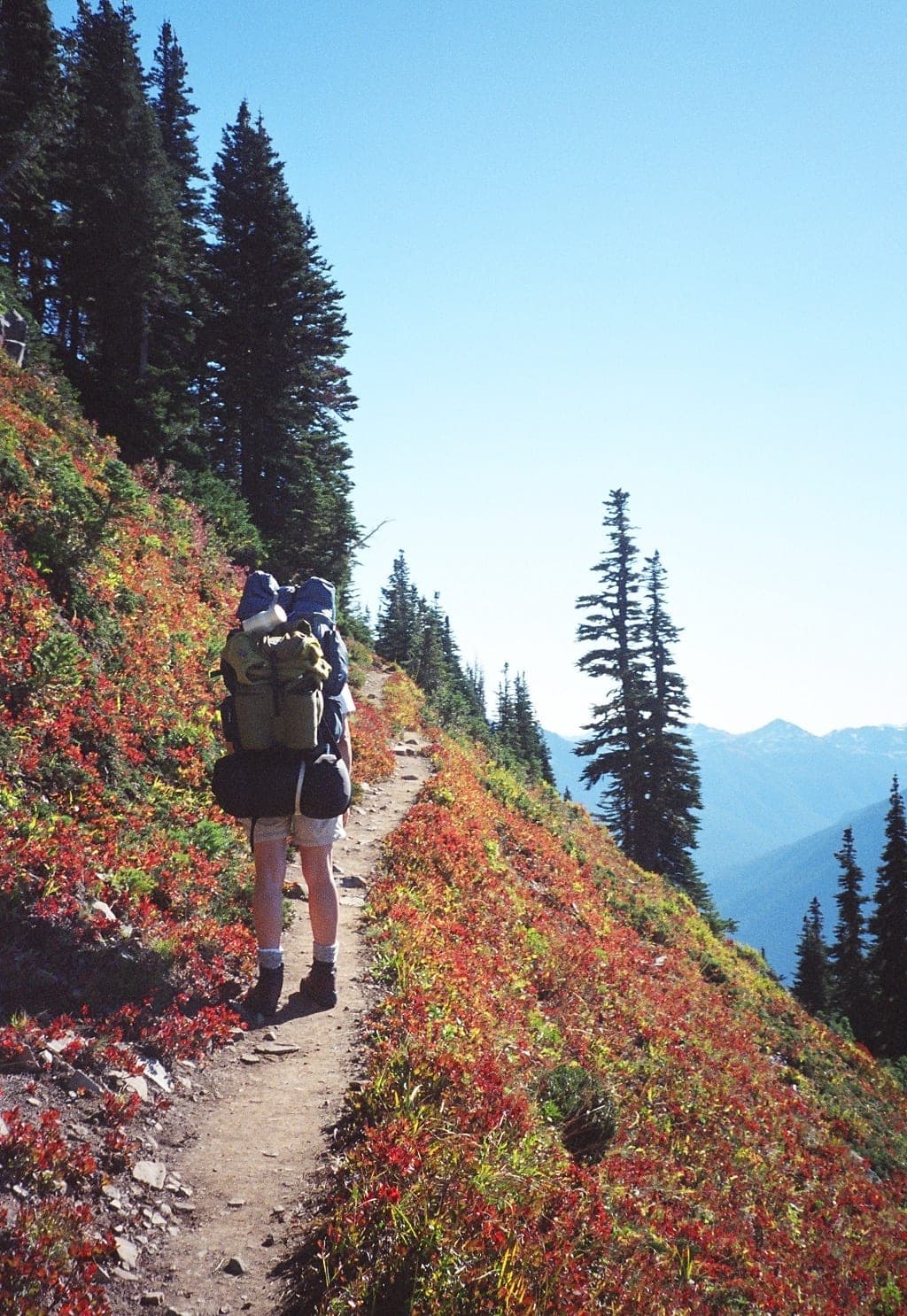
Hiking
An accessible outdoor sport of walking natural trails and hills at your own pace, solo or in a group.
Cycling
A low-impact endurance sport that doubles as transport, exercise and adventure.

Trail Running
Running off-road on trails, hills and natural terrain, away from pavements and traffic.
Mountain Biking
An off-road cycling sport ridden on rugged trails, mixing endurance, bike handling and outdoor adventure.
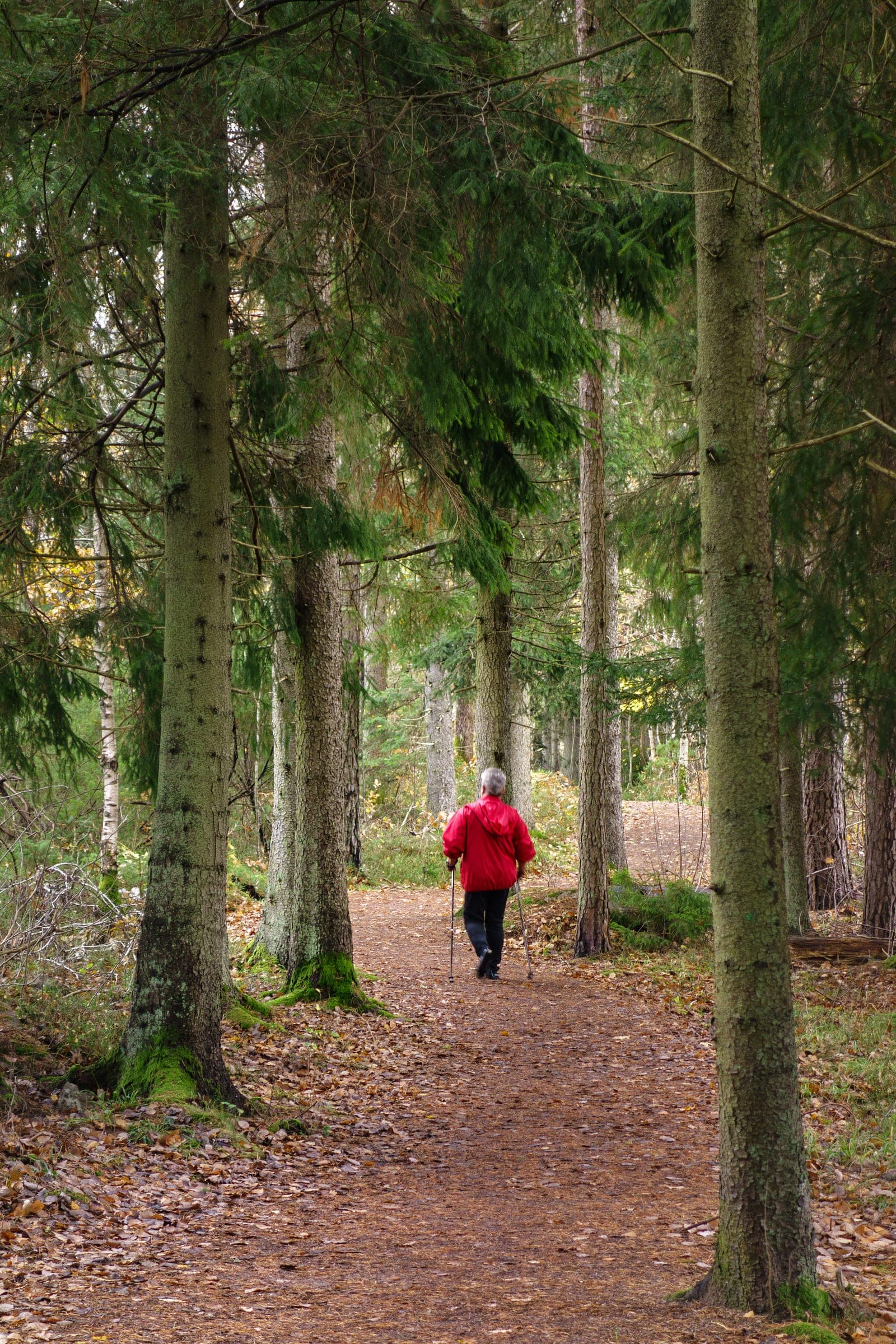
Nordic Walking
A gentle, accessible endurance activity that adds poles to bring the upper body into every walk.
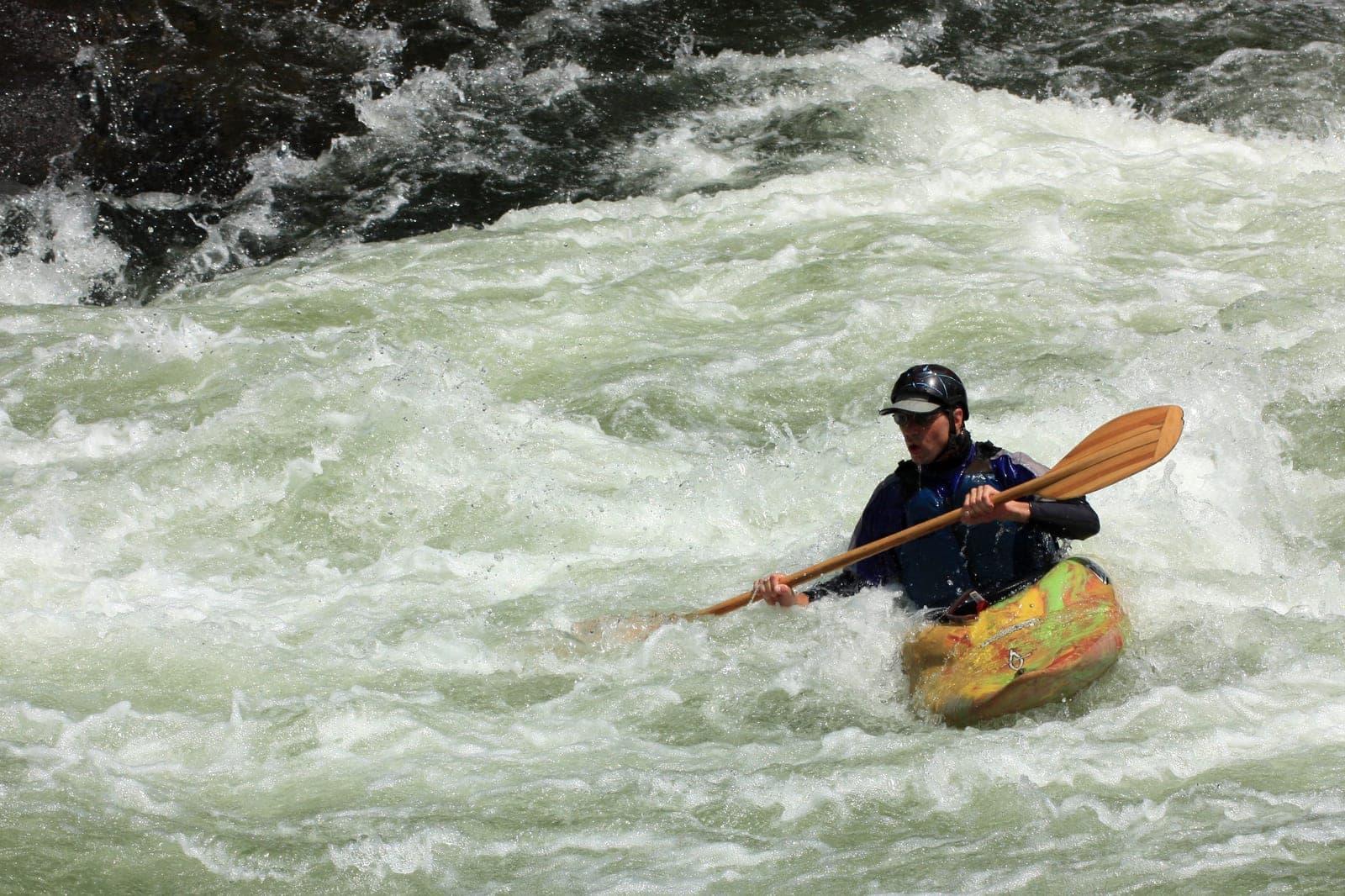
Kayaking
A versatile paddle sport in a small, low-seated boat, from calm lakes to flowing rivers and sheltered coast.
Also fits this goal
Sports beyond the shortlist above that genuinely serve this goal, each with the reason it does and what it costs you. These are editorial judgements about how a sport is typically played, not source-verified facts.
- Strong fitAlpine Skiing
A day on the mountain is a day outdoors in terrain most people would otherwise never stand in.
What it costs you: It is the most season- and travel-dependent activity here; indoor snow centres are the year-round substitute.
- Strong fitBeach Tennis
It is played barefoot on sand in the open air, so the sport and the day out are the same thing.
What it costs you: It needs a beach or a sand court and reasonable weather, which makes it seasonal for most people.
- Strong fitCanoeing
A canoe covers water the way a walk covers ground — it is a way of getting somewhere outdoors under your own power.
What it costs you: It needs a boat and access to water, which for most people means a club or a hire centre rather than ownership.
- Strong fitCross-Country Skiing
Tracks run through open country, and a session is closer to a long walk than a day at a resort.
What it costs you: Equipment is specialised and season-limited; hiring for the first few outings is the sensible route.
- Strong fitDisc Golf
A full round is a couple of hours walking a park or woodland course, with the throwing as the reason to keep going.
What it costs you: It needs a course, and it is played in whatever weather turns up.
- Strong fitGolf
A round is several hours walking several miles of open country, with the game as the reason to keep going.
What it costs you: Green fees, clubs and booked tee times make it among the more expensive ways to spend that time.
- Strong fitHorse Riding
Hacking out covers ground and country that walking would not, which for many riders is the whole point.
What it costs you: Riding out comes after arena lessons, not before, and depends on the yard, the horse and the weather.
- Strong fitKitesurfing
It is an outdoor sport entirely governed by wind and water conditions, so every session is decided by the day.
What it costs you: That dependence cuts both ways — plans are regularly abandoned, and the season is short in many places.
- Strong fitOrienteering
The whole sport is moving through open country with a map, so the outdoors is the course rather than the setting.
What it costs you: It depends on a club putting on events, and the navigation is a genuine skill to learn before it is enjoyable.
- Strong fitSailing
You are outdoors for the whole session and the weather is not an inconvenience but the thing you are working with.
What it costs you: It is taught through beginner courses at a club or school, and access to water and a boat decides everything.
- Strong fitSkateboarding
Skateparks and streets are public and free, so it is an outdoor activity that needs nothing booked.
What it costs you: Falling is routine and the surfaces are hard — protective equipment is not optional while learning.
- Strong fitSledding
It is a reason to spend a winter afternoon outside when most outdoor options have shut down for the season.
What it costs you: Cold and wet are part of it, so layers and dry clothes to change into matter more than any equipment.
- Strong fitSnorkeling
It is the least equipment-dependent way to spend a day actually in a natural environment rather than beside one.
What it costs you: It needs clear, calm water and reasonable weather, which makes it seasonal and coastal for most people.
- Strong fitSnowboarding
It exists to get you onto a mountain, and the session is the day outdoors.
What it costs you: Seasonal and travel-dependent; indoor snow centres are how most people learn out of season.
- Strong fitSnowshoeing
It is walking, in terrain that would otherwise be closed for the season — the technique is barely a technique.
What it costs you: It needs snow, so it is entirely seasonal, and cold-weather layers matter more than any equipment.
- Strong fitSurfing
The session is set by tide, swell and wind, so it is an outdoor pursuit before it is a sport.
What it costs you: That dependence cuts both ways: plans are abandoned often, and conditions decide whether it is safe to go out at all.
- Strong fitUltimate Frisbee
It needs nothing but a field and a disc, so it is the cheapest outdoor team sport to organise from scratch.
What it costs you: It is continuous running for the whole game, which is more demanding than a first look suggests.
Train for it
Exercises and methods that build what this goal needs — educational, not a prescription.
Wall sit
A holding exercise where you sit against a wall with no chair, holding a squat position still.
Step-up
A movement where you step up onto a raised platform one leg at a time and step back down.
Kettlebell swing
A dynamic hinge where you swing a kettlebell to shoulder height using a snap of the hips.
Push-up
A classic upper-body pushing exercise where you lower and press your body up from the floor.
Tricep dip
A pushing exercise where you lower and raise your body using your arms on parallel bars or a bench.
Pull-up
A vertical pulling exercise where you hang from a bar and pull your chin above it.
Frequently asked questions
What are easy outdoor activities for beginners?
Walking, easy cycling on quiet paths and gentle hikes on marked trails are approachable starting points. They need little equipment, let you set your own pace, and make it simple to build up distance over time.
How should I prepare for being active outdoors?
Check the forecast, dress in layers you can add or remove, wear suitable footwear, and carry water. For longer or remote outings, plan your route, bring a charged phone, and let someone know where you are going and when you expect to be back.
Can I do outdoor activities all year round?
Many people do, by adjusting the activity and clothing to the season and conditions. Shorter, closer-to-home outings in poor weather and longer trips in good weather are a common way to stay active across the year.
Related goals
Become more active
Add regular, gentle movement to your everyday life and build up from a sedentary start at your own pace.
Family activities
Find sports and games that people of different ages can enjoy together, with something for everyone.
Digital detox
Using sport and the outdoors to step away from screens and spend time offline.
Build an active lifestyle
Make movement a natural, lasting part of daily life through activities and habits you genuinely enjoy.
Who & where this fits
This goal fits all kinds of people and lifestyles.
Weekend athletes
How to enjoy recreational sport on weekends while staying comfortable and consistent through the week.
Families
How families can be active together with inclusive, all-ages sports that make movement social and fun.
Outdoors
Sport and activity in the fresh air — running, cycling, hiking and more, using parks, trails and open space.
On vacation
Keeping active while travelling — pool swims, walks, hikes and water sports that fit a holiday, not a routine.
In summer
Warm-weather sport — water activities, early-morning sessions and outdoor games that make the most of long days.
Weekend
Making the most of weekend free time for longer, more social or outdoor activities.
How it connects
The meaning-bearing relationships that place Outdoor activities in the wider knowledge graph — each one with the reason it exists.
Achieved through
Routes people take towards this goal.
- HikingHiking is one of the sports listed under the “Outdoor activities” goal.
- CyclingCycling is one of the sports listed under the “Outdoor activities” goal.
- Trail RunningTrail Running is one of the sports listed under the “Outdoor activities” goal.
- Mountain BikingMountain Biking is one of the sports listed under the “Outdoor activities” goal.
- Nordic WalkingNordic Walking is one of the sports listed under the “Outdoor activities” goal.
Explore across the knowledge base
Follow the threads that connect Outdoor activities to the rest of SocialSportHub.
Recommendations
- Recommended for “Outdoor activities”Sports, qualities, a learning path and first steps for “Outdoor activities” — every suggestion a real graph link, shown with its reason.
- Recommended for “Family activities”Sports, qualities, a learning path and first steps for “Family activities” — every suggestion a real graph link, shown with its reason.
Barriers
- Always travellingWhen you are often away from home, sport has to travel with you — bodyweight options, hotel-room routines and activity that needs no local club.
- Nothing nearbyWhen there is no local club or facility, self-directed and home-based activity — plus a wider search — keeps sport within reach.
Healthy living
- Weekend ActivityUsing the extra time at weekends to be active in ways that feel more like fun than exercise.
- Outdoor LifestyleChoosing to spend more of your active time outside, where fresh air and surroundings make movement more enjoyable.
- Active CommutingBuilding movement into the journey to work or school — walking or cycling all or part of the way, so travel time doubles as active time.
- Family Active TimeMaking activity something the whole household does together, so movement becomes a shared, everyday habit.
How this page is maintained
- Content type
- Life goal
- Provenance
- Tier A — evergreen educational
- Verified external sources
- 0
- Content updated
- 2026-09-22
Evergreen, first-party explanation — it makes no claim that needs an external source. How we handle sources and reviews.