
Daily water intake
How much to drink across a day — why there is no single right number, and simple ways to spread fluid sensibly.
Overview
There is no universal water target that fits everyone. How much you need shifts with body size, how active you are, the weather, and individual factors — so a fixed daily figure can be more misleading than helpful. For most people the practical aim is steady fluid through the day rather than hitting a precise total, and small amounts spread out tend to sit better than large amounts at once.
Water is not the only source, either: many foods and other drinks add to your fluid, so intake is broader than what you pour from the tap. Thirst is a useful signal for most people, and pale urine is a rough sign you are drinking enough. This is general education; if you have a health condition or take medication that affects fluid balance, a qualified professional can give guidance suited to you.
What helps
- There is no universal number — needs shift with size, activity, heat and health.
- Spreading fluid through the day usually works better than a lot at once.
- Food and other drinks count toward your fluid, not just plain water.
- Thirst and pale urine are helpful rough guides for most people.
- Hot days and busy active days generally call for a little more.
A note on this guidance
How to start
- 1Aim for regular drinks through the day rather than a strict daily total.
- 2Have a drink with meals and keep water within easy reach between them.
- 3Notice thirst and urine colour as gentle, everyday feedback.
- 4Ask a qualified professional if a condition or medication affects your fluid needs.
Sports that fit
Ways to put this into practice — each with a clear, beginner-friendly guide.

Running
The most accessible endurance sport — no venue, just shoes and the open road or trail.
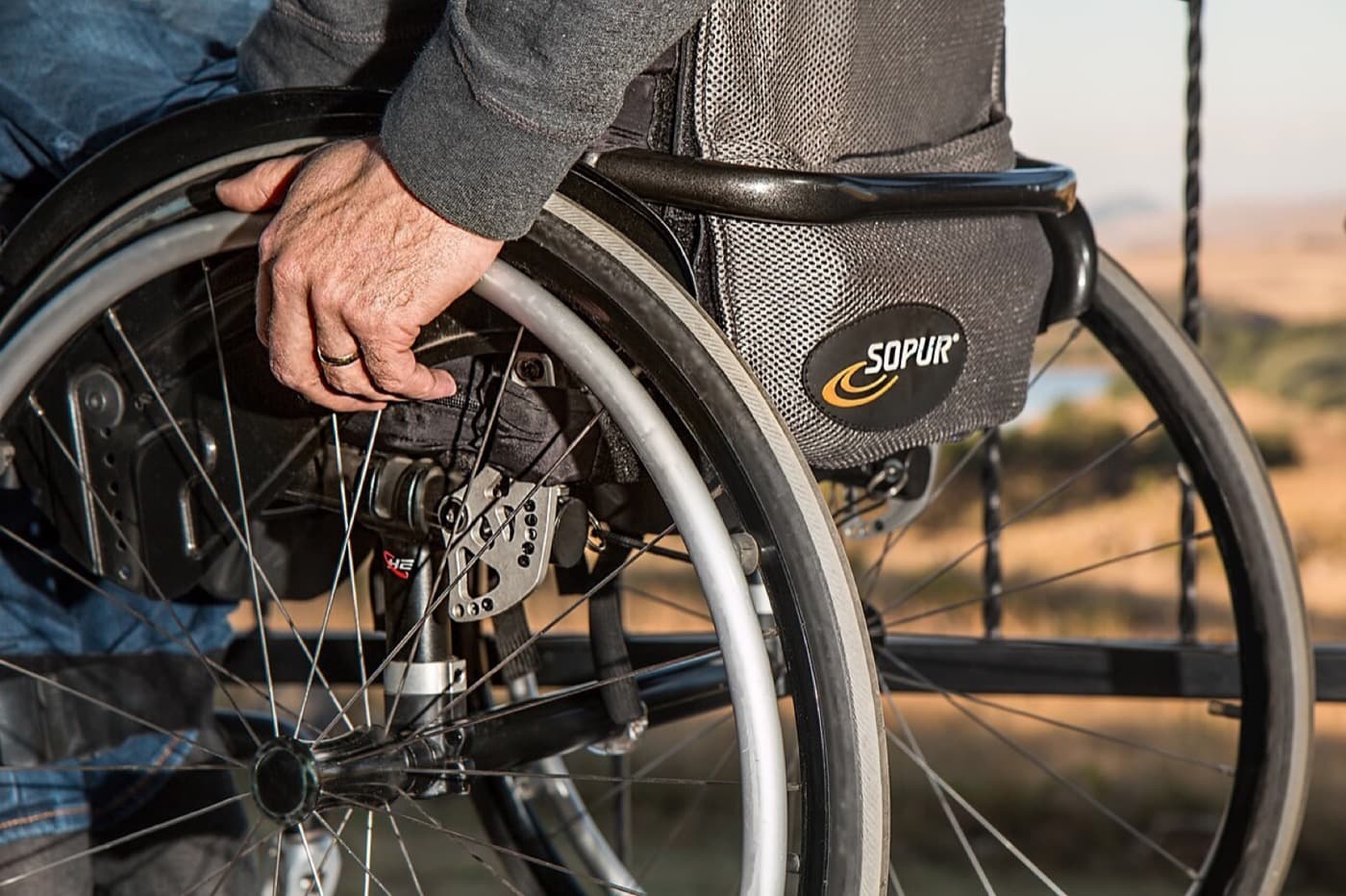
Cycling
A low-impact endurance sport that doubles as transport, exercise and adventure.
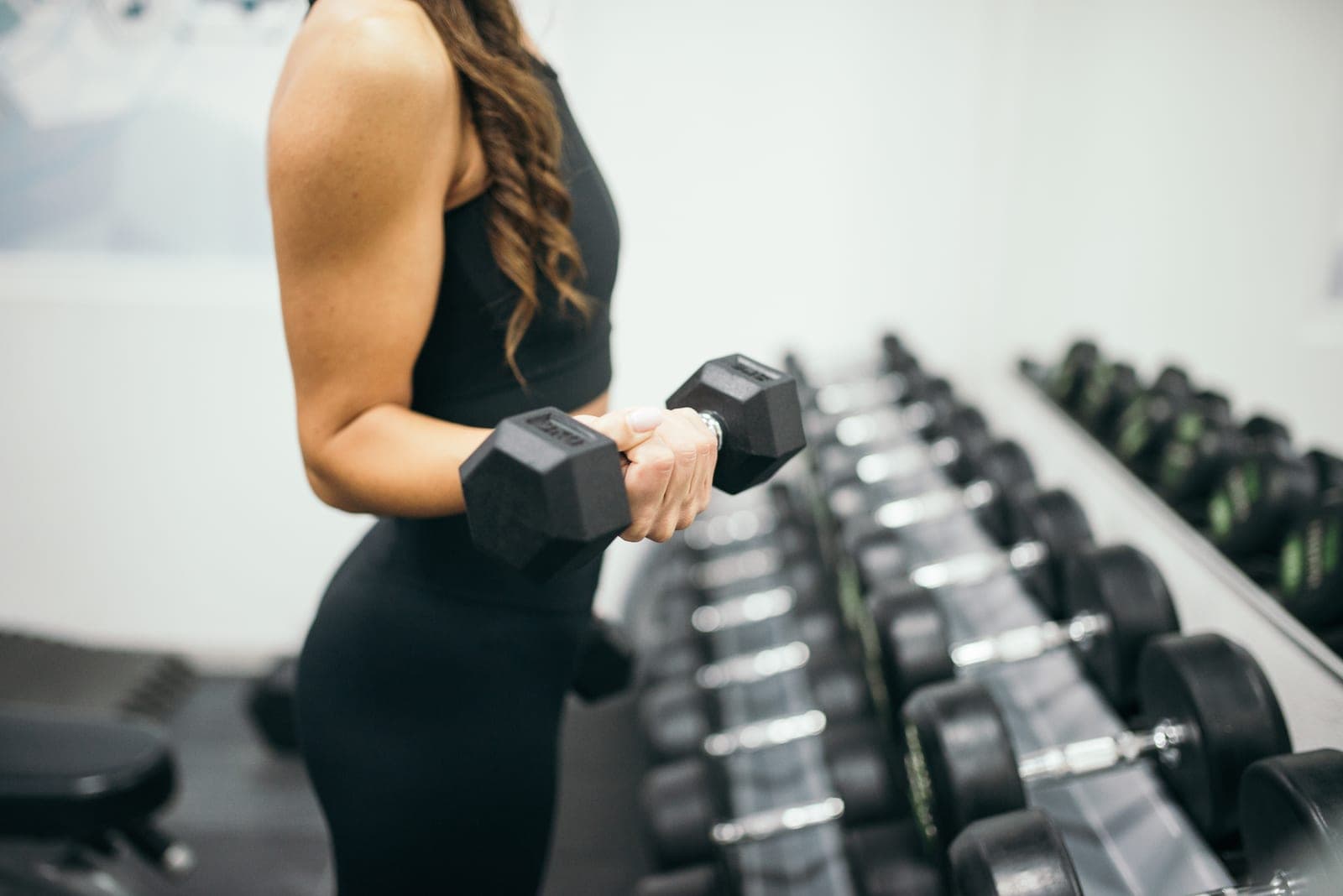
Fitness
Strength and general fitness training — the foundation that supports every other sport.
Goals it supports
Build an active lifestyle
Make movement a natural, lasting part of daily life through activities and habits you genuinely enjoy.
Improve fitness
Build well-rounded fitness — stamina, strength and more — through regular, varied activity you can keep up.
Build healthy habits
Using sport and routine to make regular activity a lasting part of everyday life.
Become more active
Add regular, gentle movement to your everyday life and build up from a sedentary start at your own pace.
Frequently asked questions
Is there a set amount of water everyone should drink?
No single figure fits everyone, because needs change with body size, activity, climate and individual health. A more useful approach is to drink regularly across the day and let thirst and urine colour guide you, drinking a little more when it is hot or you are active. For advice specific to you, ask a qualified professional.
Explore across the knowledge base
Follow the threads that connect Daily water intake to the rest of SocialSportHub.
Lifestyle
Knowledge Atlas
Knowledge
- Sport vs alcohol: healthier ways to unwindHow building active routines can help you drink less — with clear, non-judgemental guidance and links to proper support.
- The best sports for beginnersThe most beginner-friendly sports to try first — why they are easy to start, what you need and how to take the first step.
How this page is maintained
- Content type
- Healthy living topic
- Provenance
- Tier A — evergreen educational
- Verified external sources
- 0
- Content updated
- 2026-07-09
Evergreen, first-party explanation — it makes no claim that needs an external source. How we handle sources and reviews.