
Busy professionals
How time-efficient sport can fit a packed schedule to protect fitness, energy and stress relief.
Overview
When work is demanding and time is scarce, sport has to be efficient and easy to restart after busy spells. Time-efficient formats — shorter, focused sessions and activities you can do near home or work — make it realistic to stay fit without a big time cost.
Consistency matters more than perfection. Building a simple, repeatable routine that survives busy weeks protects energy, sleep and stress levels, and makes it easier to bounce back when the schedule eases.
What works
- Short, focused sessions fit a packed schedule.
- Simple, repeatable routines survive busy weeks.
- Convenience — near home or work — keeps it realistic.
- Regular activity supports energy, sleep and stress relief.
Getting started
- 1Choose a time-efficient activity you can do close to home or work.
- 2Block one or two short, realistic sessions into your week.
- 3Warm up properly so short sessions stay comfortable and effective.
- 4Aim for consistency, and restart gently after a busy stretch.
Sports that fit
Great places to start — each with a clear, beginner-friendly guide.

HIIT
High-intensity interval training that alternates short bursts of hard effort with brief recovery.

Running
The most accessible endurance sport — no venue, just shoes and the open road or trail.
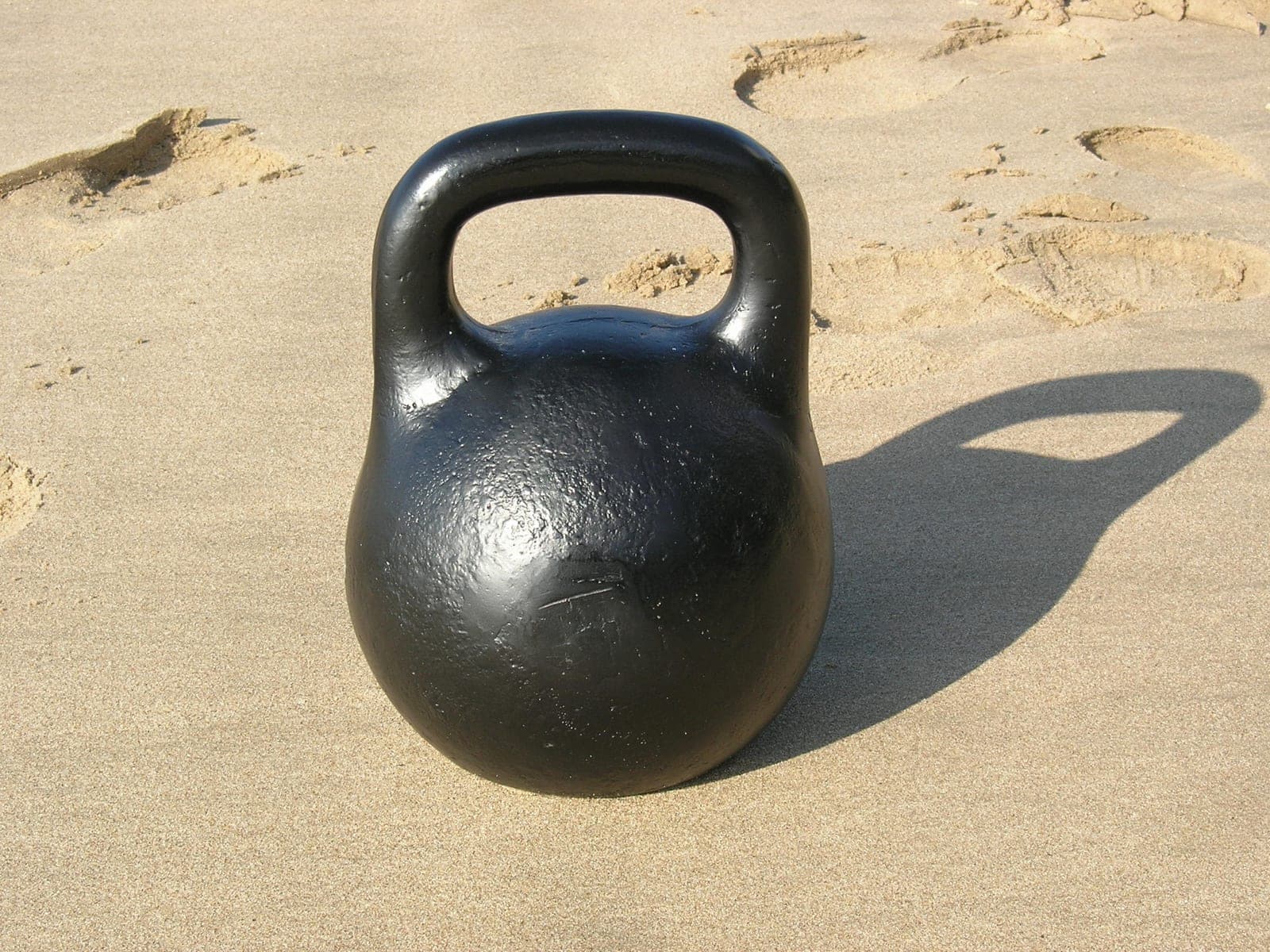
Functional Fitness
Varied, whole-body training built around everyday movement patterns like squatting, lifting and carrying.
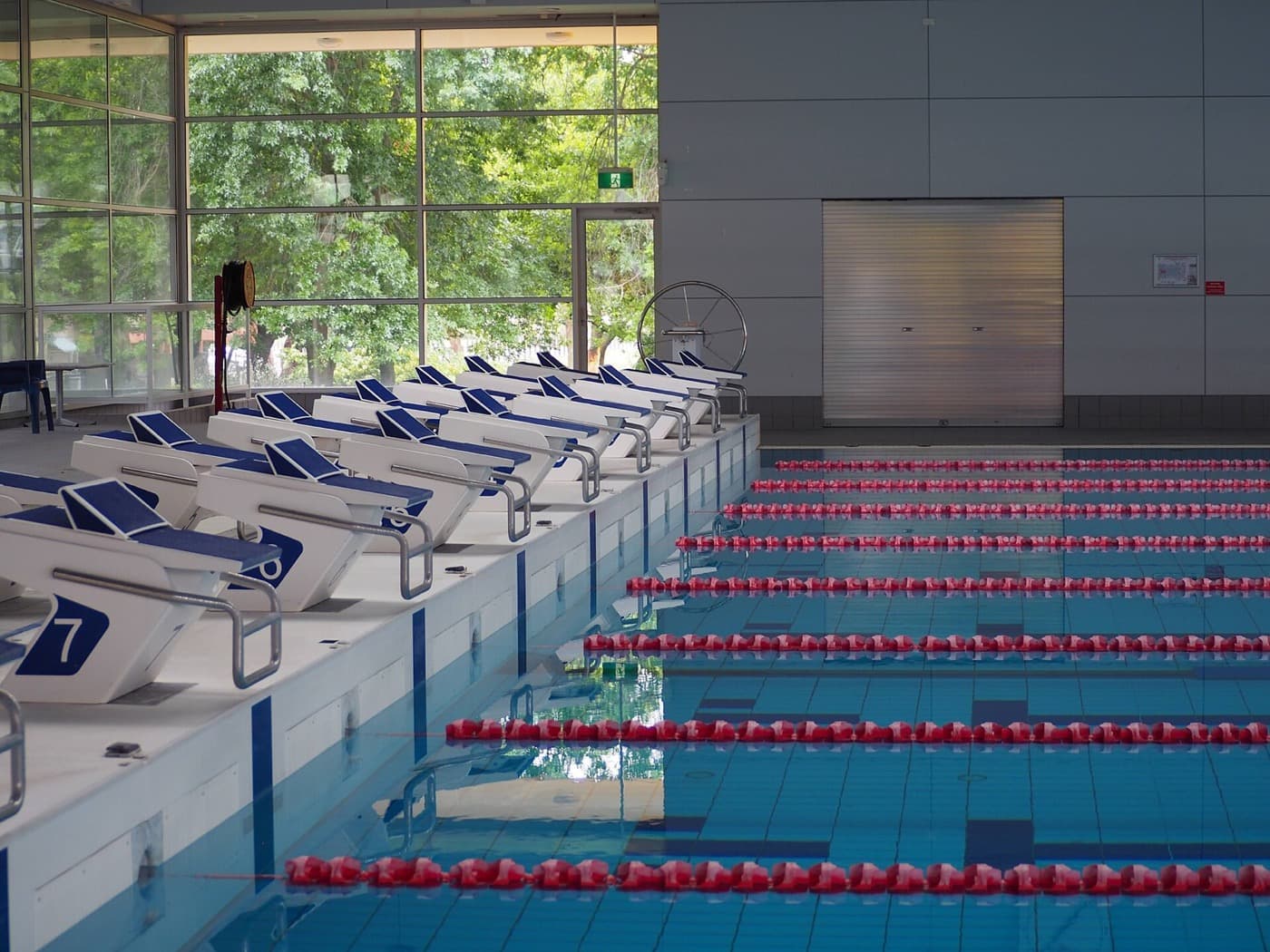
Swimming
A full-body, low-impact endurance sport suitable for almost every age and ability.
Cycling
A low-impact endurance sport that doubles as transport, exercise and adventure.
Goals that fit
Improve fitness
Build well-rounded fitness — stamina, strength and more — through regular, varied activity you can keep up.
Reduce stress
Find calmer, healthier ways to unwind through regular movement, gentle mind-body activity and time outdoors.
Build healthy habits
Using sport and routine to make regular activity a lasting part of everyday life.
Improve sleep
Support more restful sleep by staying active during the day and building a consistent daily rhythm.
Become more active
Add regular, gentle movement to your everyday life and build up from a sedentary start at your own pace.
Ways to train
Exercises and methods that fit — educational, not a prescription.
Wall sit
A holding exercise where you sit against a wall with no chair, holding a squat position still.
Step-up
A movement where you step up onto a raised platform one leg at a time and step back down.
Kettlebell swing
A dynamic hinge where you swing a kettlebell to shoulder height using a snap of the hips.
Push-up
A classic upper-body pushing exercise where you lower and press your body up from the floor.
Tricep dip
A pushing exercise where you lower and raise your body using your arms on parallel bars or a bench.
Pull-up
A vertical pulling exercise where you hang from a bar and pull your chin above it.
Frequently asked questions
How can busy professionals fit in exercise?
Shorter, focused sessions that are close to home or work tend to be the most sustainable. Scheduling one or two realistic slots a week and keeping the routine simple makes it easier to stick to.
Are short workouts worthwhile?
Many people find that shorter, regular sessions are a practical way to maintain fitness when time is limited. Consistency over time generally matters more than the length of any single session.
How do I get back into it after a busy period?
Restart gently rather than trying to pick up where you left off. Easing back in, warming up well and keeping early sessions short helps you rebuild the habit comfortably.
Explore across the knowledge base
Follow the threads that connect Busy professionals to the rest of SocialSportHub.
Lifestyle
- 10 minutesTen focused minutes is enough for a quick, worthwhile session — a short run, a compact circuit or a mobility routine.
- 15 minutesShort, focused bursts of movement you can fit into a spare 15 minutes, with no long session required.
- 5 minutesEven five minutes counts — a quick movement snack that breaks up sitting and keeps a little activity in a packed day.
- 30 minutesA half-hour is enough for a proper, well-rounded session across many sports and workouts.
- In summerWarm-weather sport — water activities, early-morning sessions and outdoor games that make the most of long days.
Barriers
Healthy living
- Walking MeetingsTaking a call or a one-to-one on the move instead of at a desk — an easy way to add movement to the working day without losing time.
- Taking the StairsChoosing stairs over the lift as a simple, no-cost way to add a little more effort to an ordinary day.
- Morning MovementA little gentle activity early in the day to wake the body up and start on a positive note.
- Sleep BasicsA calm introduction to why sleep matters and how it quietly supports almost everything else in a healthy, active life.
- Exercise and SleepThe two-way link between staying active and sleeping well — how movement can help rest, and how rest fuels movement.
How this page is maintained
- Content type
- For people like you
- Provenance
- Tier A — evergreen educational
- Verified external sources
- 0
- Content updated
- 2026-07-09
Evergreen, first-party explanation — it makes no claim that needs an external source. How we handle sources and reviews.