
In a small apartment
Quiet, low-impact ways to train in a small flat — mat-based routines that respect limited space and shared walls.
Overview
A small apartment rules out big, bouncy workouts but leaves plenty of room for mat-based training. Yoga, pilates, bodyweight strength and mobility work all fit into a space about the size of a towel.
Noise and neighbours matter too. Low-impact, controlled movements keep things quiet for anyone below, and a folding mat means your setup packs away when you are done.
What works
- Mat-sized routines fit even the smallest floor space.
- Low-impact moves stay quiet and considerate of neighbours.
- Yoga, pilates and mobility need little or no equipment.
- A folding mat and a resistance band store away easily.
Getting started
- 1Clear a towel-sized space and keep a mat within reach.
- 2Choose quiet, controlled routines like yoga, pilates or calisthenics.
- 3Warm up gently and keep movements smooth to limit noise.
- 4Finish with a short stretch and cool-down.
Sports that fit
Great places to start — each with a clear, beginner-friendly guide.
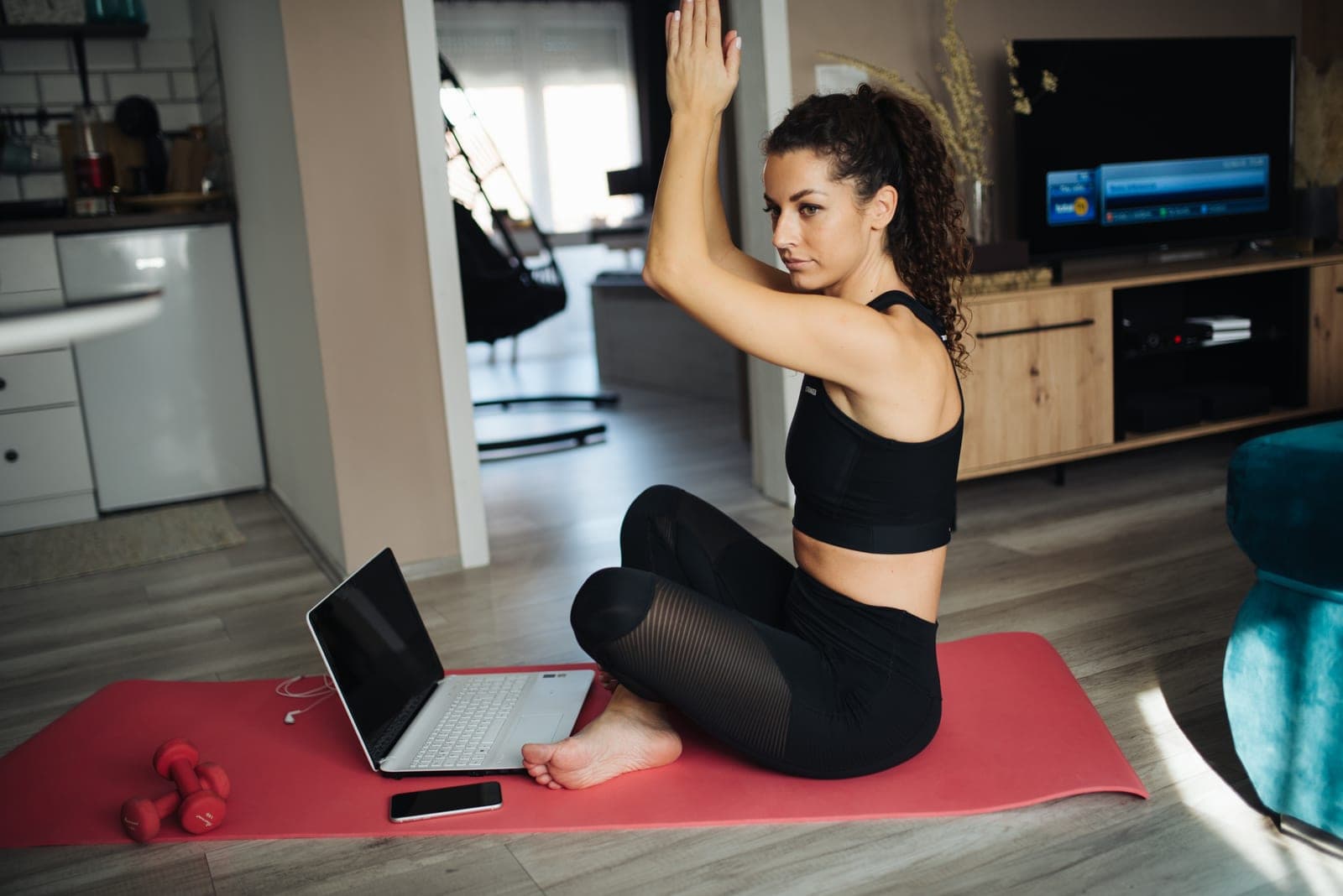
Yoga
A mind-body practice that links postures, breathing and focus to build flexibility, strength and calm.
Pilates
A low-impact mind-body method that builds core strength, control and posture through precise, controlled movement.
Calisthenics
Bodyweight strength training — push-ups, pull-ups, dips and progressions you can do almost anywhere.
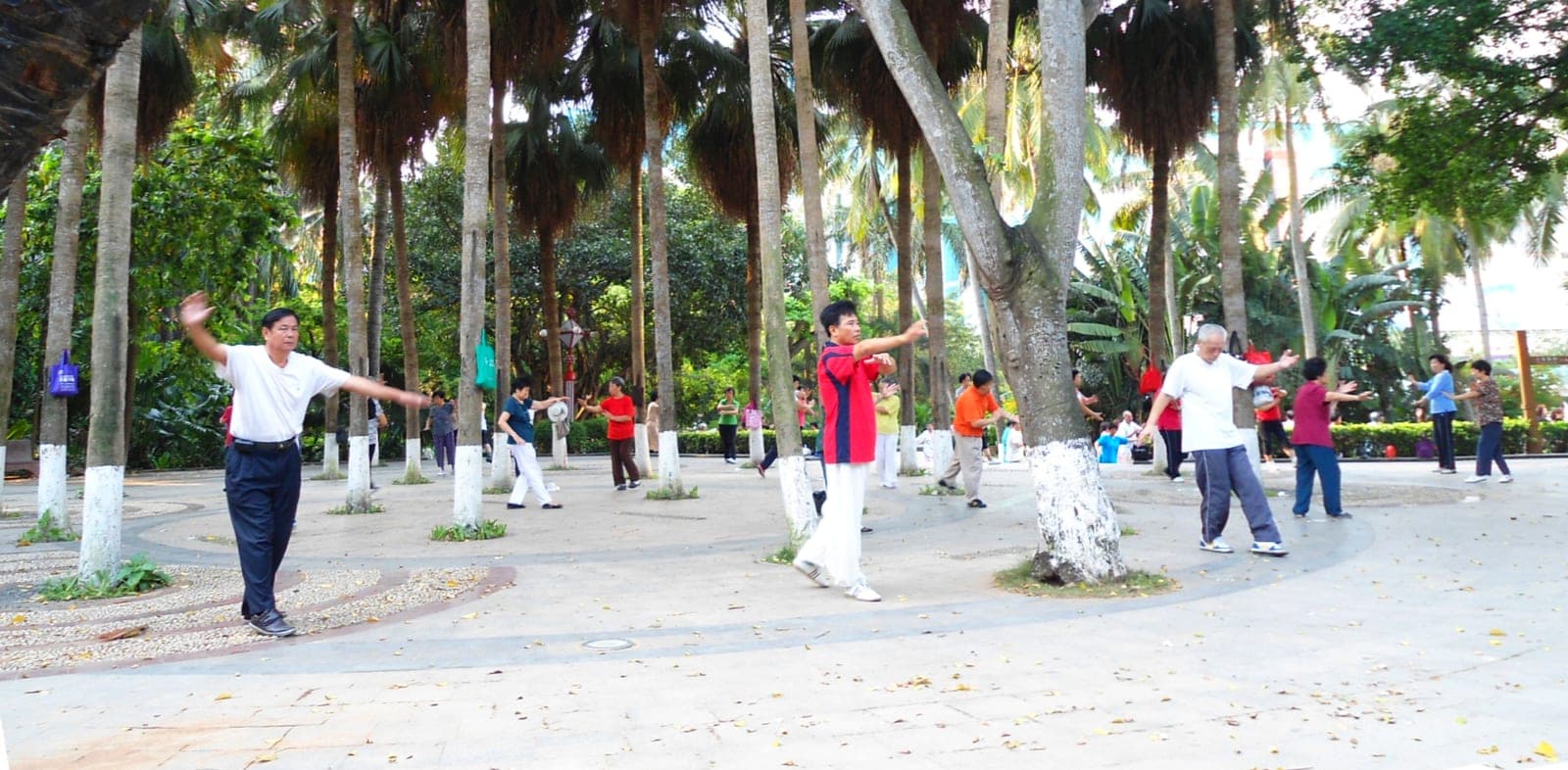
Tai Chi
A gentle mind-body practice of slow, flowing movements that builds balance, mobility and calm.
Qigong
A gentle mind-body practice that pairs simple, flowing movements with slow, focused breathing.
Barre
A low-impact mind-body workout blending ballet-inspired moves with elements of pilates and yoga for strength and control.
Goals that fit
Become more active
Add regular, gentle movement to your everyday life and build up from a sedentary start at your own pace.
Build healthy habits
Using sport and routine to make regular activity a lasting part of everyday life.
Improve flexibility
Lengthen your muscles and widen your range of motion through regular, gentle stretching over time.
Reduce stress
Find calmer, healthier ways to unwind through regular movement, gentle mind-body activity and time outdoors.
Ways to train
Exercises and methods that fit — educational, not a prescription.
Mobility Training
Mobility training works on moving your joints actively through their full range, combining control and flexibility so movement feels free and easy.
Flexibility Training
Flexibility training uses stretching to gradually improve how far your muscles and joints can comfortably lengthen and move.
Active Recovery Sessions
Active recovery sessions are deliberately easy bouts of gentle movement — an easy walk, spin or swim — used on lighter days to keep moving without adding hard work.
Squat
A foundational lower-body movement where you bend at the hips and knees to lower down and stand back up.
Romanian deadlift
A hinge variation focused on the back of the legs, lowering the weight without returning it to the floor.
Hip hinge
The foundational bending-at-the-hips pattern that underpins deadlifts, swings and picking things up.
Frequently asked questions
What exercise can I do in a small apartment?
Mat-based training works well: yoga, pilates, bodyweight strength (calisthenics), barre and mobility routines all fit a small space. These build strength and flexibility without needing much room or equipment.
How do I work out without disturbing neighbours?
Favour low-impact, controlled movements over jumping, use a mat to dampen sound, and train at reasonable hours. Slow strength and mobility work is naturally quiet and still effective.
Can I get fit in a small space?
Yes. Progress comes from consistency and effort more than floor area. Bodyweight and mat routines can build real strength, flexibility and endurance. If you have any health concerns, check with a qualified professional before starting.
Explore across the knowledge base
Follow the threads that connect In a small apartment to the rest of SocialSportHub.
Healthy living
Barriers
- Limited mobilityWhen movement is limited, gentle, adaptable activity may still be possible — but personal guidance from a qualified professional should come first.
- Always travellingWhen you are often away from home, sport has to travel with you — bodyweight options, hotel-room routines and activity that needs no local club.
- Nothing nearbyWhen there is no local club or facility, self-directed and home-based activity — plus a wider search — keeps sport within reach.
Sport categories
Knowledge
- Sport vs alcohol: healthier ways to unwindHow building active routines can help you drink less — with clear, non-judgemental guidance and links to proper support.
- How to find people to play sport withPractical ways to find partners, groups and clubs so you never have to train alone — from local sessions to beginner leagues.
How this page is maintained
- Content type
- For your day
- Provenance
- Tier A — evergreen educational
- Verified external sources
- 0
- Content updated
- 2026-07-09
Evergreen, first-party explanation — it makes no claim that needs an external source. How we handle sources and reviews.