
Improve flexibility
Lengthen your muscles and widen your range of motion through regular, gentle stretching over time.
How sport helps
Flexibility is how far your muscles can comfortably lengthen, letting your joints move through a wider range. Good flexibility can make everyday movements feel easier and is helpful across many sports.
Flexibility usually improves gradually with regular, gentle practice. Warm muscles stretch more comfortably, so many people find stretching feels best after activity or a warm-up rather than cold.
- Stretch-focused activities like yoga, pilates and barre lengthen muscles regularly, which can help improve flexibility over time.
- Moving through a full range in various activities helps maintain suppleness.
- Gentle, gradual stretching tends to be safer and more effective than forcing a position.
- Flexibility work can complement other training and may help you move more freely in sport.
Getting started
- 1Warm up first, or stretch after activity when muscles are warm.
- 2Ease into each stretch to a point of mild tension, not pain, and breathe steadily.
- 3Practise regularly — frequent, gentle sessions usually beat occasional intense ones.
- 4If you have an injury or medical condition, consider advice from a doctor or physiotherapist before stretching intensively.
Good sports for this goal
Great places to start — each with a clear, beginner-friendly guide.
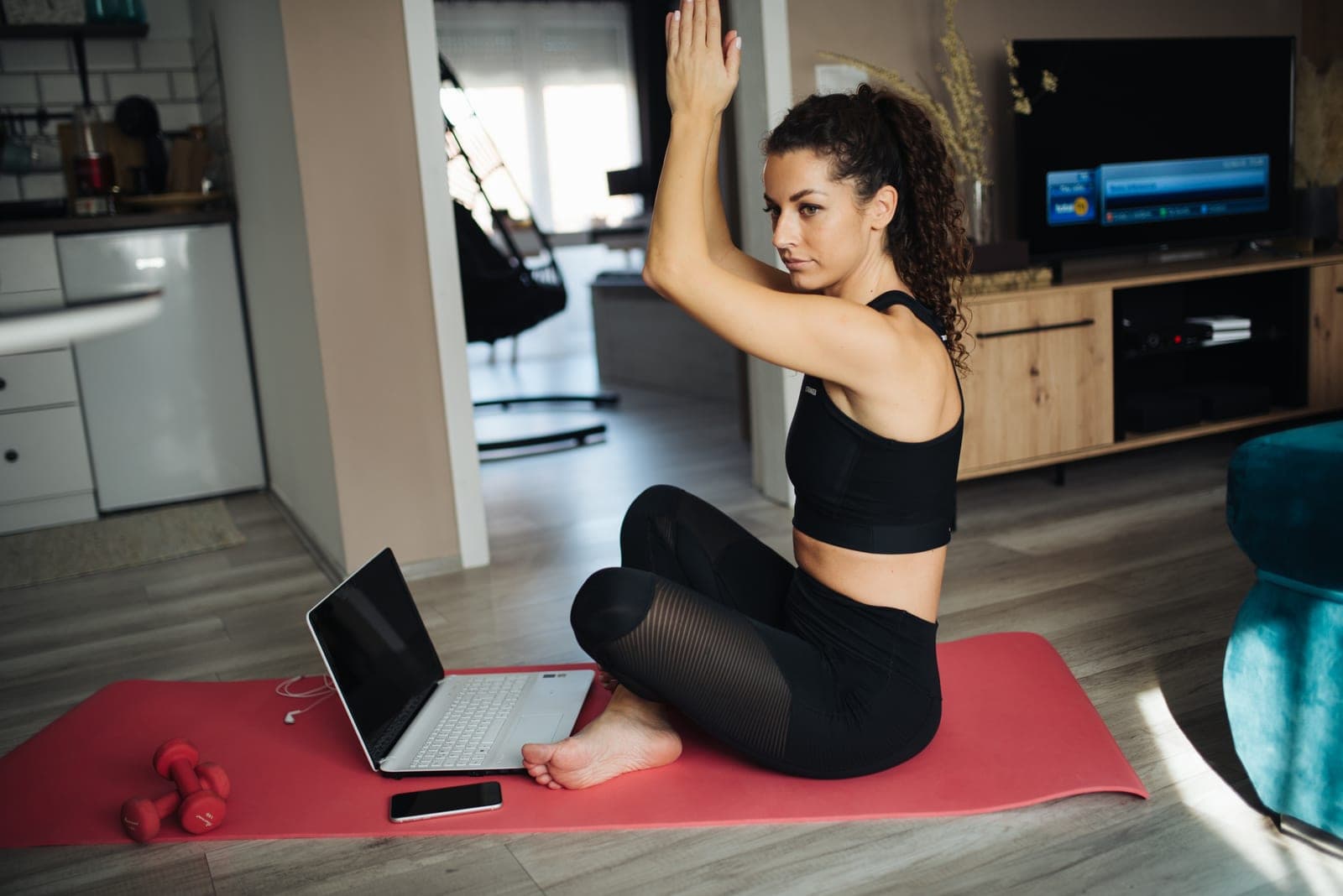
Yoga
A mind-body practice that links postures, breathing and focus to build flexibility, strength and calm.
Pilates
A low-impact mind-body method that builds core strength, control and posture through precise, controlled movement.
Barre
A low-impact mind-body workout blending ballet-inspired moves with elements of pilates and yoga for strength and control.
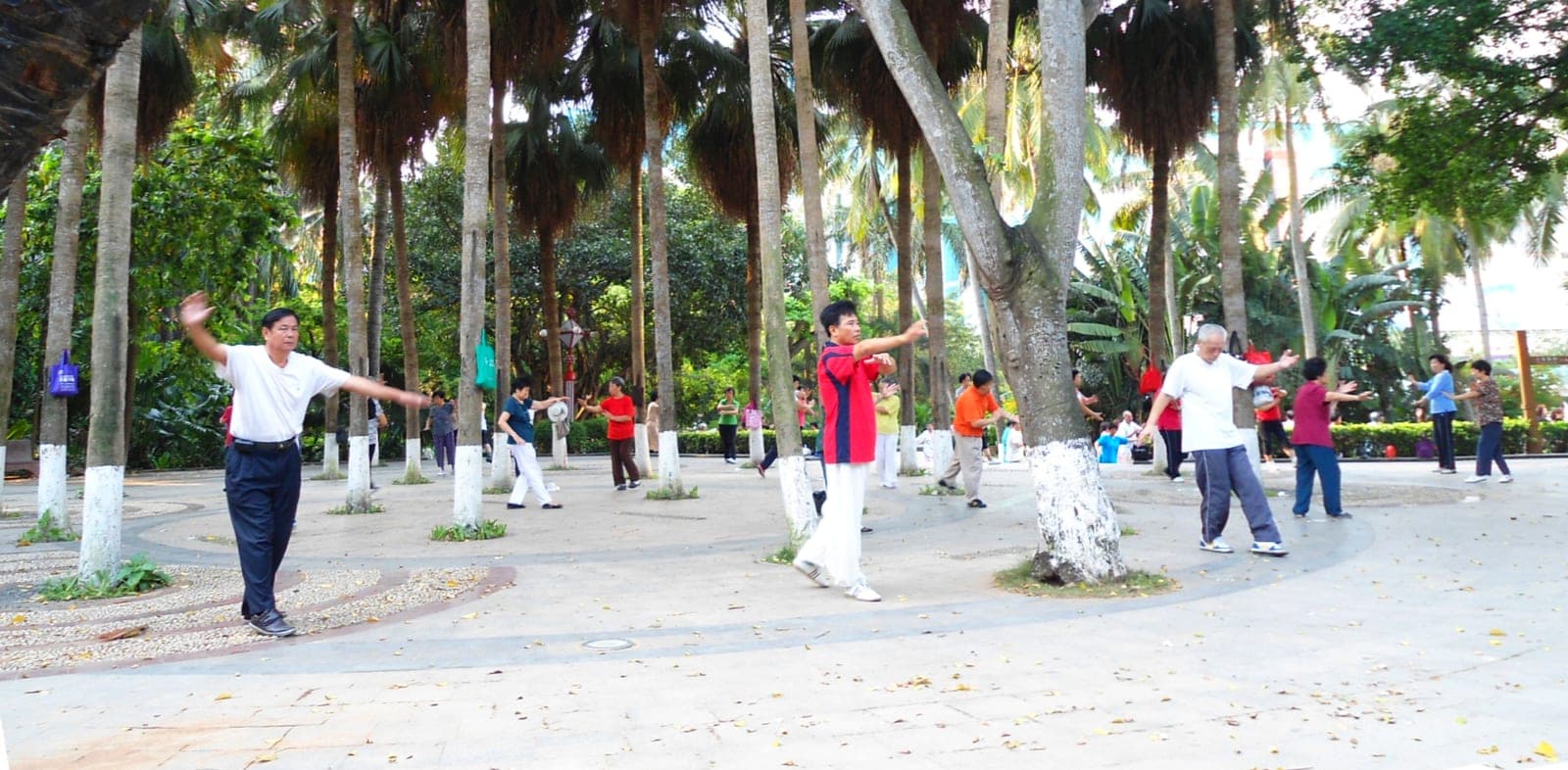
Tai Chi
A gentle mind-body practice of slow, flowing movements that builds balance, mobility and calm.
Calisthenics
Bodyweight strength training — push-ups, pull-ups, dips and progressions you can do almost anywhere.
Train for it
Exercises and methods that build what this goal needs — educational, not a prescription.
Mobility Training
Mobility training works on moving your joints actively through their full range, combining control and flexibility so movement feels free and easy.
Flexibility Training
Flexibility training uses stretching to gradually improve how far your muscles and joints can comfortably lengthen and move.
Active Recovery Sessions
Active recovery sessions are deliberately easy bouts of gentle movement — an easy walk, spin or swim — used on lighter days to keep moving without adding hard work.
Squat
A foundational lower-body movement where you bend at the hips and knees to lower down and stand back up.
Romanian deadlift
A hinge variation focused on the back of the legs, lowering the weight without returning it to the floor.
Hip hinge
The foundational bending-at-the-hips pattern that underpins deadlifts, swings and picking things up.
Frequently asked questions
How often should I stretch to get more flexible?
Many people find that regular, gentle stretching several times a week gradually improves flexibility. Consistency generally matters more than the length of any single session.
Should I stretch before or after exercise?
Gentle, dynamic movements suit a warm-up, while longer stretches are often more comfortable after activity when muscles are warm. Forcing a deep stretch on cold muscles is best avoided.
Can anyone become more flexible?
Most people can improve their flexibility with regular practice, though natural range varies from person to person. Progress is gradual, and pushing too hard can be counterproductive.
Related goals
Improve mobility
Move your joints more freely and comfortably through their natural range with regular, gentle practice.
Improve balance
Train steadiness and control at any age with simple, progressive balance practice done safely.
Healthy aging
Stay active, steady and independent as you get older with a sustainable mix of gentle cardio, strength and balance work.
Who & where this fits
This goal fits all kinds of people and lifestyles.
How it connects
The meaning-bearing relationships that place Improve flexibility in the wider knowledge graph — each one with the reason it exists.
Achieved through
Routes people take towards this goal.
- YogaYoga is one of the sports listed under the “Improve flexibility” goal.
- PilatesPilates is one of the sports listed under the “Improve flexibility” goal.
- BarreBarre is one of the sports listed under the “Improve flexibility” goal.
- Tai ChiTai Chi is one of the sports listed under the “Improve flexibility” goal.
- CalisthenicsCalisthenics is one of the sports listed under the “Improve flexibility” goal.
Explore across the knowledge base
Follow the threads that connect Improve flexibility to the rest of SocialSportHub.
Barriers
Healthy living
Knowledge Atlas
Training methods
How this page is maintained
- Content type
- Life goal
- Provenance
- Tier A — evergreen educational
- Verified external sources
- 0
- Content updated
- 2026-09-22
Evergreen, first-party explanation — it makes no claim that needs an external source. How we handle sources and reviews.