
Limited mobility
When movement is limited, gentle, adaptable activity may still be possible — but personal guidance from a qualified professional should come first.
Overview
Limited mobility — whether from a health condition, an injury, age or another cause — does not automatically rule sport out, but it does make personal, qualified guidance essential. Before starting or changing activity, the right first step is to speak with a doctor, physiotherapist or other suitable professional who knows your situation. This page is general education, not advice for any individual.
With that guidance in place, many people find forms of activity that suit them — often gentle, low-impact and adaptable, such as swimming, seated or supported movement, or mobility work scaled to what feels safe. The principles are the same as for anyone: start gently, progress slowly, and stop if something does not feel right. What differs is that the details should be shaped with a professional, not from a general website.
What helps
- Speak with a qualified professional before starting or changing activity.
- Low-impact and adaptable options such as swimming or supported movement may suit.
- Gentle starts and slow progression are especially important here.
- This page is general information, not personal or medical advice.
A note on this guidance
Getting started
- 1Talk to a doctor, physiotherapist or suitable professional about what is right for you.
- 2Ask specifically about activities and adaptations that fit your situation.
- 3If cleared, begin gently and progress slowly, stopping if anything feels wrong.
- 4Prioritise how you feel over any target — comfort and safety come first.
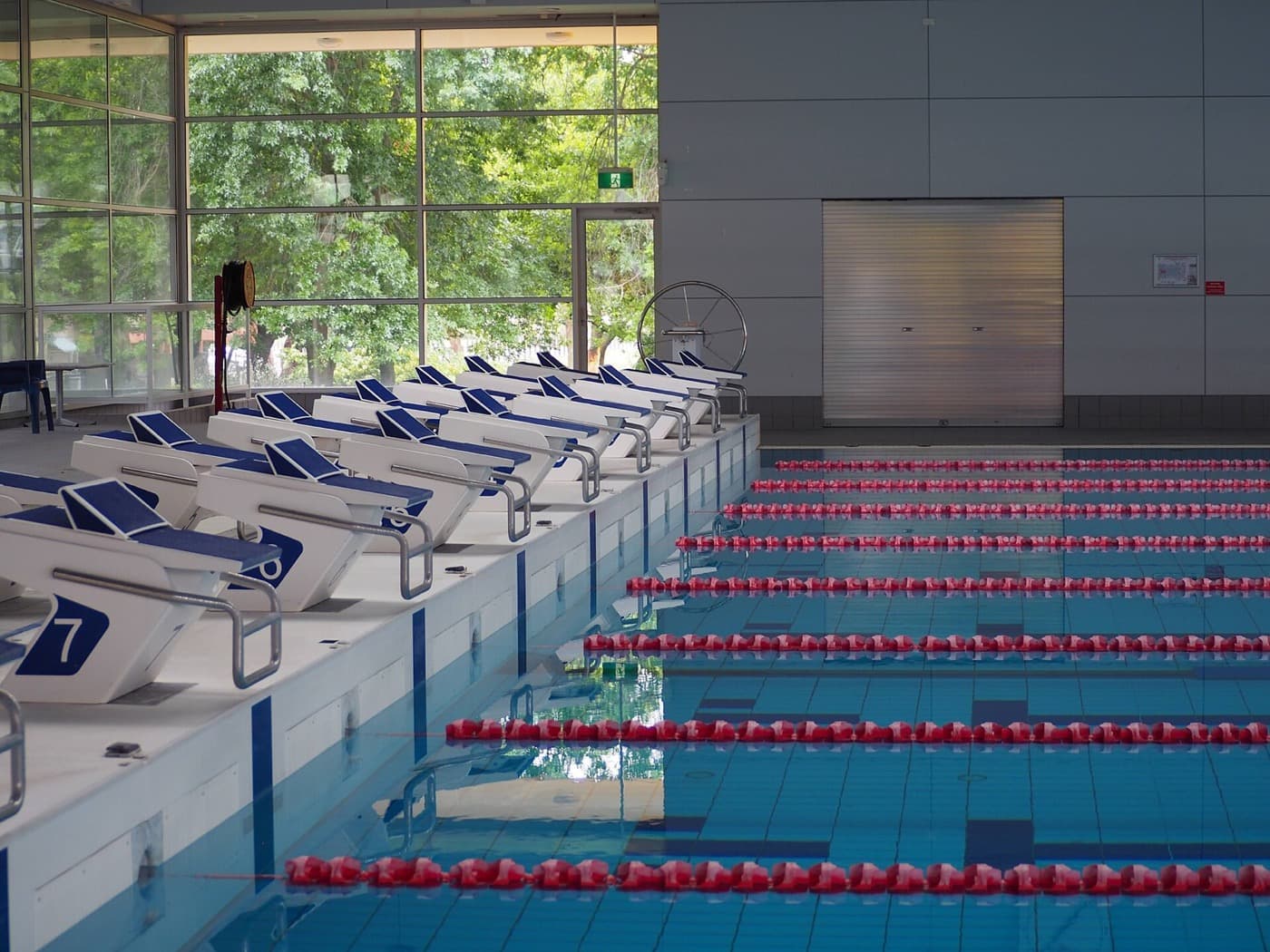
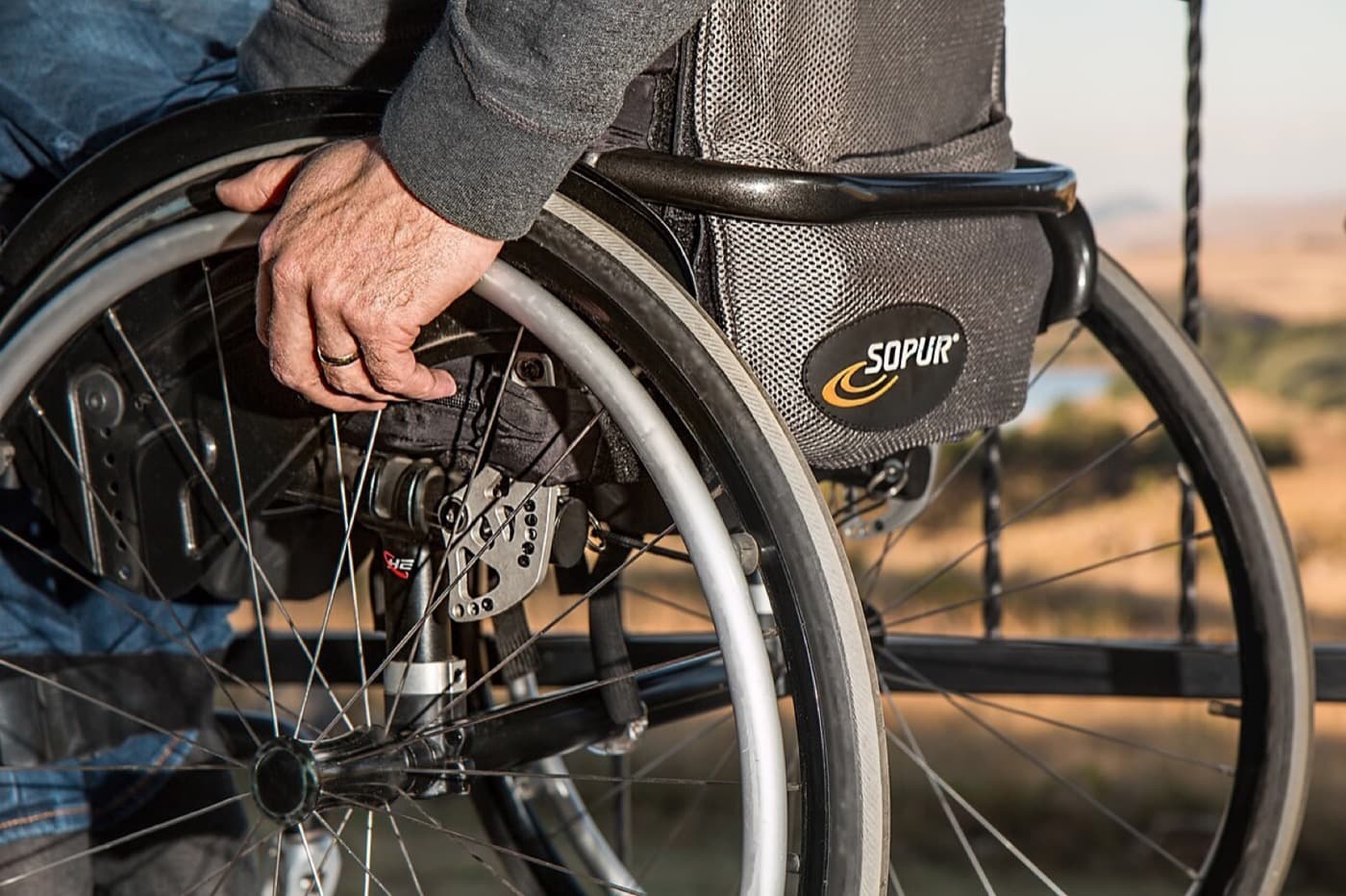
Sports that work around it
Great places to start — each with a clear, beginner-friendly guide.
Goals that fit
Improve mobility
Move your joints more freely and comfortably through their natural range with regular, gentle practice.
Healthy aging
Stay active, steady and independent as you get older with a sustainable mix of gentle cardio, strength and balance work.
Improve flexibility
Lengthen your muscles and widen your range of motion through regular, gentle stretching over time.
Become more active
Add regular, gentle movement to your everyday life and build up from a sedentary start at your own pace.
Improve balance
Train steadiness and control at any age with simple, progressive balance practice done safely.
Ways to train
Exercises and methods that fit — educational, not a prescription.
Squat
A foundational lower-body movement where you bend at the hips and knees to lower down and stand back up.
Romanian deadlift
A hinge variation focused on the back of the legs, lowering the weight without returning it to the floor.
Hip hinge
The foundational bending-at-the-hips pattern that underpins deadlifts, swings and picking things up.
Band pull-apart
A simple pulling exercise where you stretch a resistance band across your chest to work the upper back.
Mobility Training
Mobility training works on moving your joints actively through their full range, combining control and flexibility so movement feels free and easy.
Flexibility Training
Flexibility training uses stretching to gradually improve how far your muscles and joints can comfortably lengthen and move.
Frequently asked questions
Can I do sport with limited mobility?
Many people with limited mobility find activities that suit them, often gentle, low-impact and adaptable — but the right choice depends entirely on your situation. The essential first step is to talk with a doctor, physiotherapist or other qualified professional who can give advice for you specifically.
Explore across the knowledge base
Follow the threads that connect Limited mobility to the rest of SocialSportHub.
People
- RetireesHow sport can fit newly free time in retirement — an opportunity to be active, social and purposeful, at a comfortable and well-guided pace.
- SeniorsHow gentle, supported sport can help older adults stay active, mobile and connected, with a professional check first.
- Returning to sportHow to ease back into sport after a break, rebuilding gradually and listening to your body.
- Complete beginnersHow to start sport from scratch with accessible, low-pressure activities and a gentle, gradual approach.
Training methods
- Mobility TrainingMobility training works on moving your joints actively through their full range, combining control and flexibility so movement feels free and easy.
- Flexibility TrainingFlexibility training uses stretching to gradually improve how far your muscles and joints can comfortably lengthen and move.
Motivations
- To stay healthyWhen health is the driver, regular, sustainable activity across fitness, strength and mobility supports an active life for the long term.
- To feel calmerWhen you play to unwind, rhythmic, absorbing activity gives many people a mental break — though it complements, not replaces, professional support.
Healthy living
- WalkingThe most accessible activity there is — free, low-impact, and one of the easiest ways to add movement to any day.
- Morning MovementA little gentle activity early in the day to wake the body up and start on a positive note.
- Movement for Stress ReliefHow gentle, regular movement is widely associated with feeling calmer — a simple, accessible way to support everyday stress management.
Adaptive sports
- Getting started in adaptive sportA gentle, practical introduction to finding a first adaptive or inclusive sport, a welcoming session and a way in that suits you.
- Adaptive rulesAdjustments to a sport's rules — such as how a ball may bounce or how play is signalled — that keep the game fair and playable for everyone.
How this page is maintained
- Content type
- Getting past it
- Provenance
- Tier A — evergreen educational
- Verified external sources
- 0
- Content updated
- 2026-07-09
Evergreen, first-party explanation — it makes no claim that needs an external source. How we handle sources and reviews.